Dust Storm Sweeps Delhi-NCR as IMD Raises Severe Weather Warnings
A dust storm rolled across Gurugram, Delhi and Noida on Tuesday, prompting the IMD to place parts of the National Capital Region under a red alert for rain, strong winds and thunderstorms.
Commentary & Analysis ·
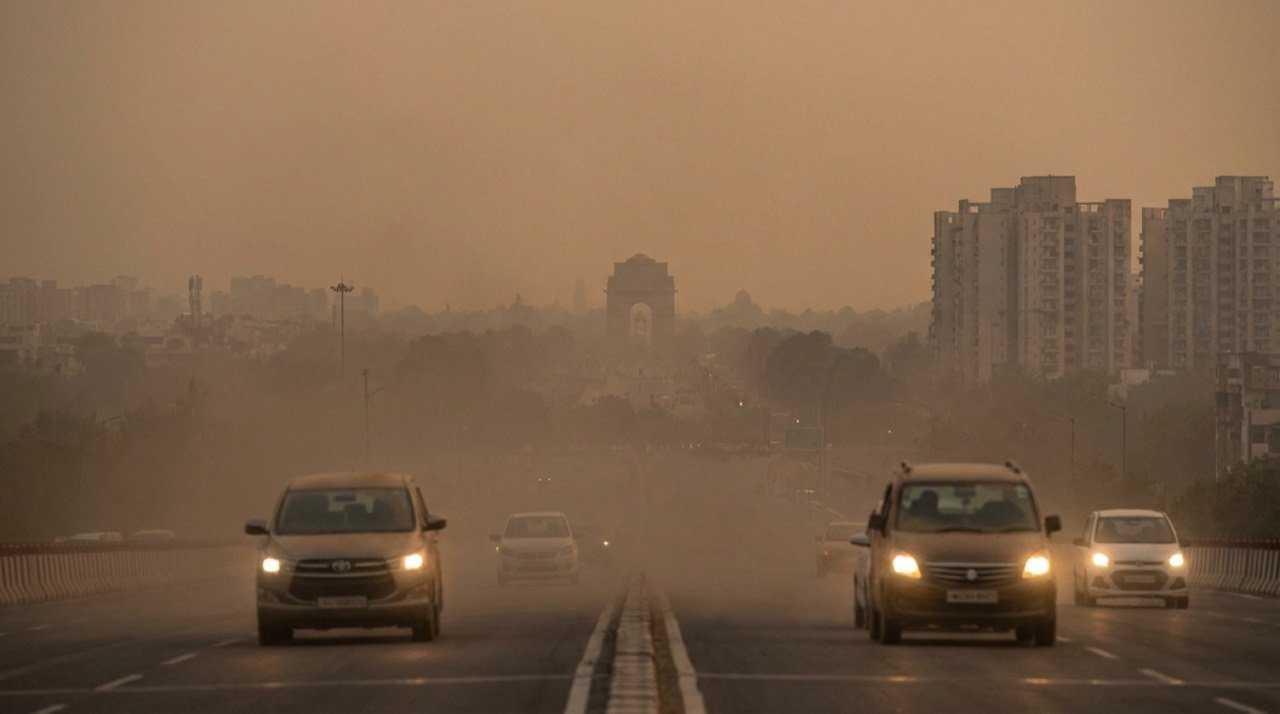
A dust storm swept across Gurugram, Delhi and Noida on Tuesday, forcing the India Meteorological Department (IMD) to issue high-level nowcast warnings for parts of the National Capital Region. The sudden shift in conditions, driven by dry winds and a high concentration of airborne dust, sharply cut visibility and degraded air quality across one of the country's most densely populated urban belts. The episode, while brief, offered a pointed reminder of how quickly the pre-monsoon season can turn volatile over Delhi-NCR, and of how unevenly prepared the region remains for such swings.
Where the alerts were sounded
According to Hindustan Times, southwest, west, north, south and southeast Delhi were briefly placed under a red alert for rain, dust storm and severe thunderstorms, while other districts across the capital were kept under an orange warning. The IMD's colour-coded system is designed to communicate the severity of expected conditions and the degree of caution residents ought to exercise. Red alerts are reserved for the most disruptive weather and call for residents to take protective action, while orange warnings signal a need to stay prepared and alert without necessarily halting normal activity. That several districts moved to red status even briefly underscores how fast conditions escalated on Tuesday, and how localised the worst of the disruption was, even as the wider region felt its effects.
The rapid escalation is itself instructive. Pre-monsoon instability over the capital region typically builds over hours rather than days, as pockets of intense heating give rise to convective activity that can, without much warning, generate strong winds, dust uplift and thunderstorms in quick succession. Tuesday's event fits that familiar pattern: a system that intensified fast enough to require Delhi's various districts to be assigned different warning levels within the same short window, illustrating just how localised and fast-moving these pre-monsoon disturbances can be.
Why the disruption matters
Weather disruptions in Delhi-NCR ripple far beyond simple inconvenience. They affect commuting patterns across a metropolitan region where millions rely on road and rail networks daily, they can disrupt aviation schedules at one of the country's busiest airports, and they curtail outdoor work and construction activity that large numbers of the region's workforce depend upon for daily wages. School travel, too, is affected when visibility drops and conditions turn hazardous, forcing difficult decisions for parents and administrators alike.
Beyond the logistical toll, there is a more direct public health dimension. Elevated dust levels pose real risks for people with respiratory conditions, a population that is far from small in a region already contending with chronic seasonal pollution. With visibility falling and air quality worsening in tandem, Tuesday's episode highlighted the compounding pressures that a sudden dust storm places on an urban region that had, even before this event, been grappling with entrenched pollution challenges. The convergence of dust storm conditions with an already stressed air quality baseline is precisely what makes such episodes more consequential in Delhi-NCR than they might be elsewhere.
Advice for residents and the practical response
Authorities advised residents to avoid exposed areas during strong winds, to secure loose outdoor objects that could become hazards when winds picked up, and to follow local advisories closely as conditions evolved. People with respiratory ailments were specifically urged to limit outdoor exposure until conditions stabilised. These are, on their face, straightforward precautions, but their effectiveness depends entirely on how well and how quickly they reach the public, and on whether residents are inclined to act on them once they do.
That is where the gap between issuing a warning and achieving genuine risk reduction tends to open up. A red alert carries real informational value only if it changes behaviour at scale, prompting people to stay indoors, delay non-essential travel or secure vulnerable structures. Anecdotally, compliance with such warnings in Delhi has been inconsistent, with many residents treating alerts as background noise rather than an active prompt. Tuesday's episode, brief as it was, is a useful test case for examining whether the messaging around nowcast warnings is reaching the people who most need to hear it, particularly outdoor workers and those with pre-existing health vulnerabilities.
A recurring seasonal pattern
As the pre-monsoon season progresses, meteorologists expect further bouts of instability across northern India, with dust storms and sudden thunderstorms likely to recur in the weeks ahead. This is not an unusual or unprecedented forecast; it reflects a well-established seasonal rhythm in which the build-up of heat across the plains before the monsoon's arrival routinely produces exactly this kind of turbulent, short-fused weather. For Delhi-NCR, the latest alert therefore functions less as an isolated event and more as a marker along a familiar seasonal arc, one that will likely include further episodes of reduced visibility, sudden wind events and air quality deterioration before the monsoon proper sets in.
The recurring nature of these events raises a broader question about preparedness. If dust storms and pre-monsoon thunderstorms are a predictable annual feature of the NCR's weather calendar, then the region's response to them should, in principle, become more practised and more effective each year. Whether that is actually happening, or whether each storm is instead treated as a fresh, isolated disruption requiring an improvised response, is a fair question for planners and civic authorities to confront.
The NE Times View
Increasingly violent dust storms over the capital are not just a weather inconvenience; they are a signal of a destabilising regional climate that planning has yet to catch up with. A red alert is only as useful as the public response it triggers, and Delhi's record on heeding warnings is patchy at best. Tuesday's rapid escalation from calm conditions to red-alert status in several districts should be read as a warning in itself: pre-monsoon systems over the NCR are capable of intensifying faster than public awareness typically keeps pace with. The recurring spectacle of dust storms sweeping through Gurugram, Delhi and Noida should push the NCR toward resilient infrastructure and faster, more targeted alerts, rather than treating each storm as a one-day disruption to be forgotten once skies clear. Given that meteorologists already anticipate further instability this season, the region has both the warning and the time to prepare more seriously than it appears to have done so far.
Key takeaways
- A dust storm hit Gurugram, Delhi and Noida on Tuesday, prompting the IMD to issue high-level nowcast warnings across parts of the NCR.
- Southwest, west, north, south and southeast Delhi were briefly placed under a red alert for rain, dust storm and severe thunderstorms, with other districts under an orange warning.
- Visibility and air quality both deteriorated sharply, compounding risks for people with respiratory conditions and disrupting commuting, aviation, construction and school travel.
- Residents were advised to avoid exposed areas, secure loose outdoor objects and limit outdoor exposure, particularly those with respiratory ailments.
- Meteorologists expect further pre-monsoon instability across northern India, meaning Delhi-NCR should anticipate, and prepare more systematically for, similar episodes in the weeks ahead.
You may also like to read
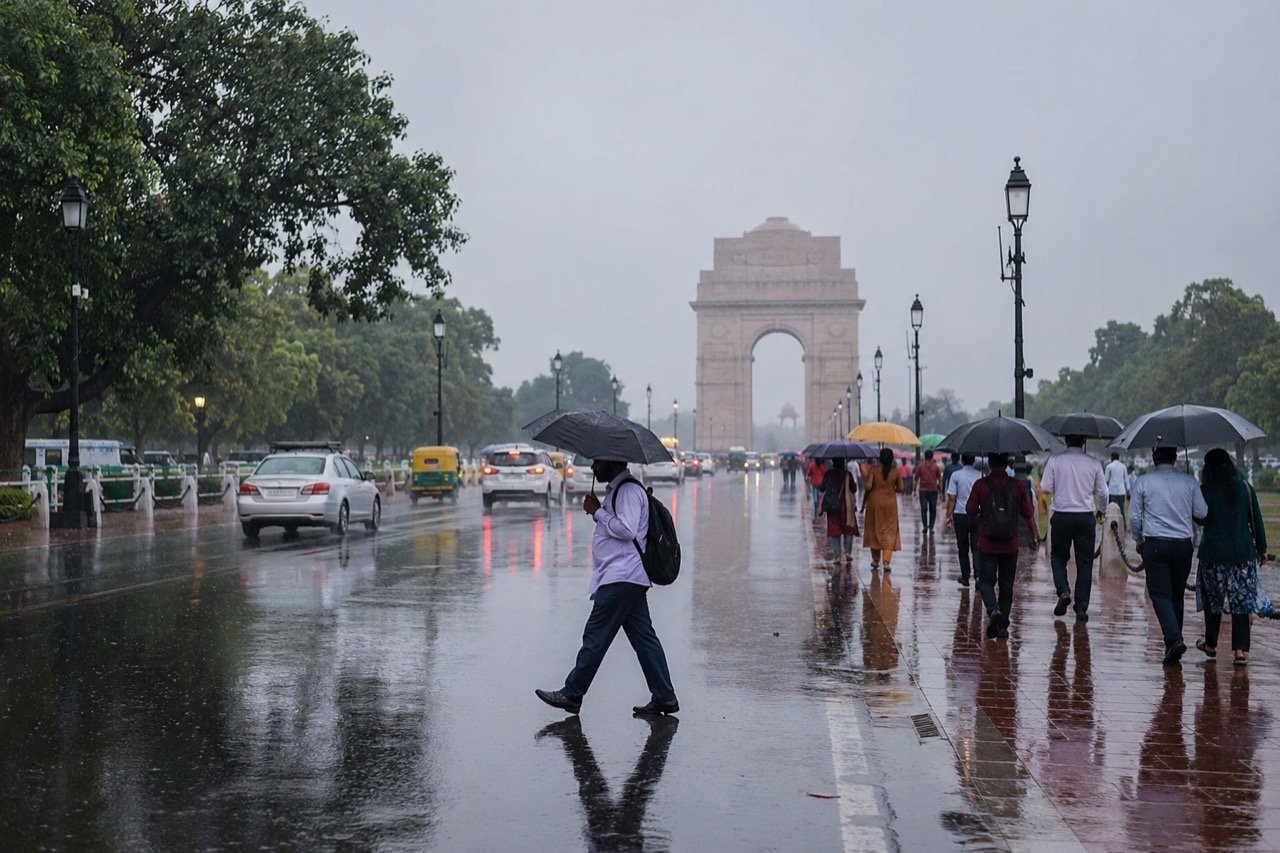
Delhi Weather: Warmest July Day in Two Years, Orange Rain Alert Next
Delhi's maximum temperature climbed to 38.6 degrees Celsius on Sunday, its warmest July day in two years, even as the IMD issued an orange alert for moderate rain on Monday.
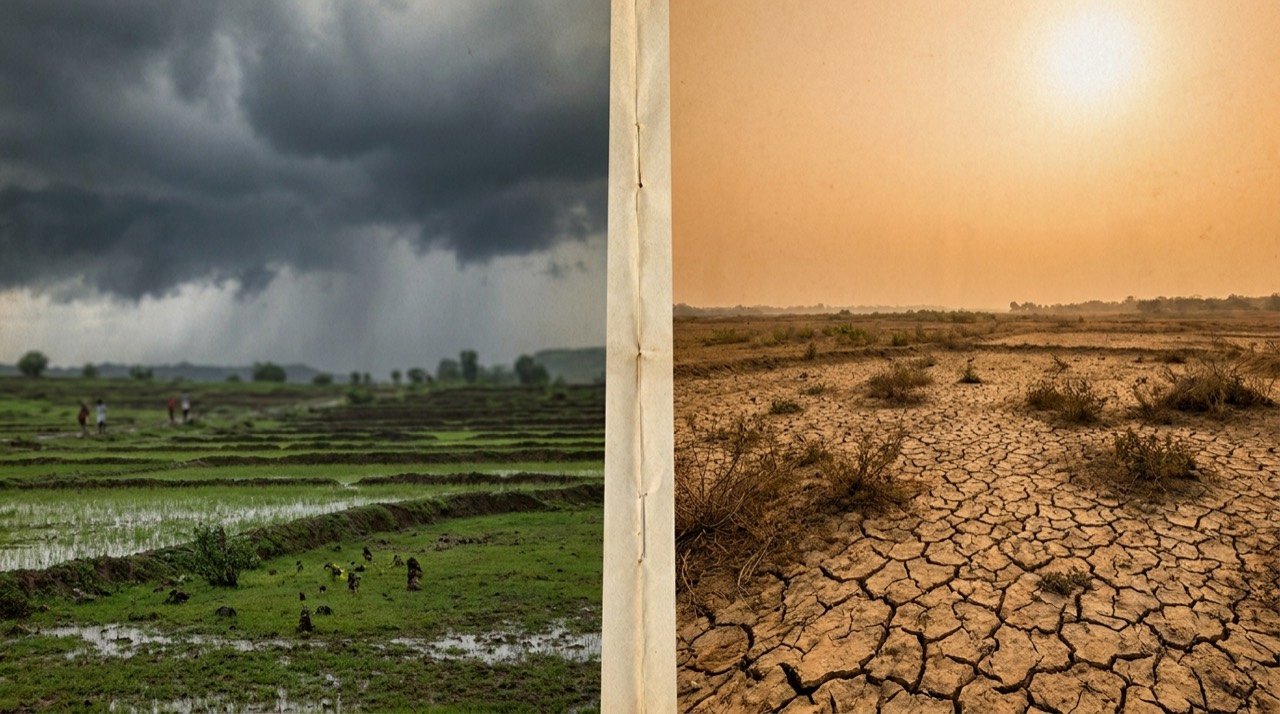
Monsoon Surges Into Central India as Heatwave Grips the East: A Split Weather Map
The India Meteorological Department reported the monsoon advancing into Gujarat and central India on 24 June even as severe heat scorched the east, leaving the country under a sharply divided weather pattern.
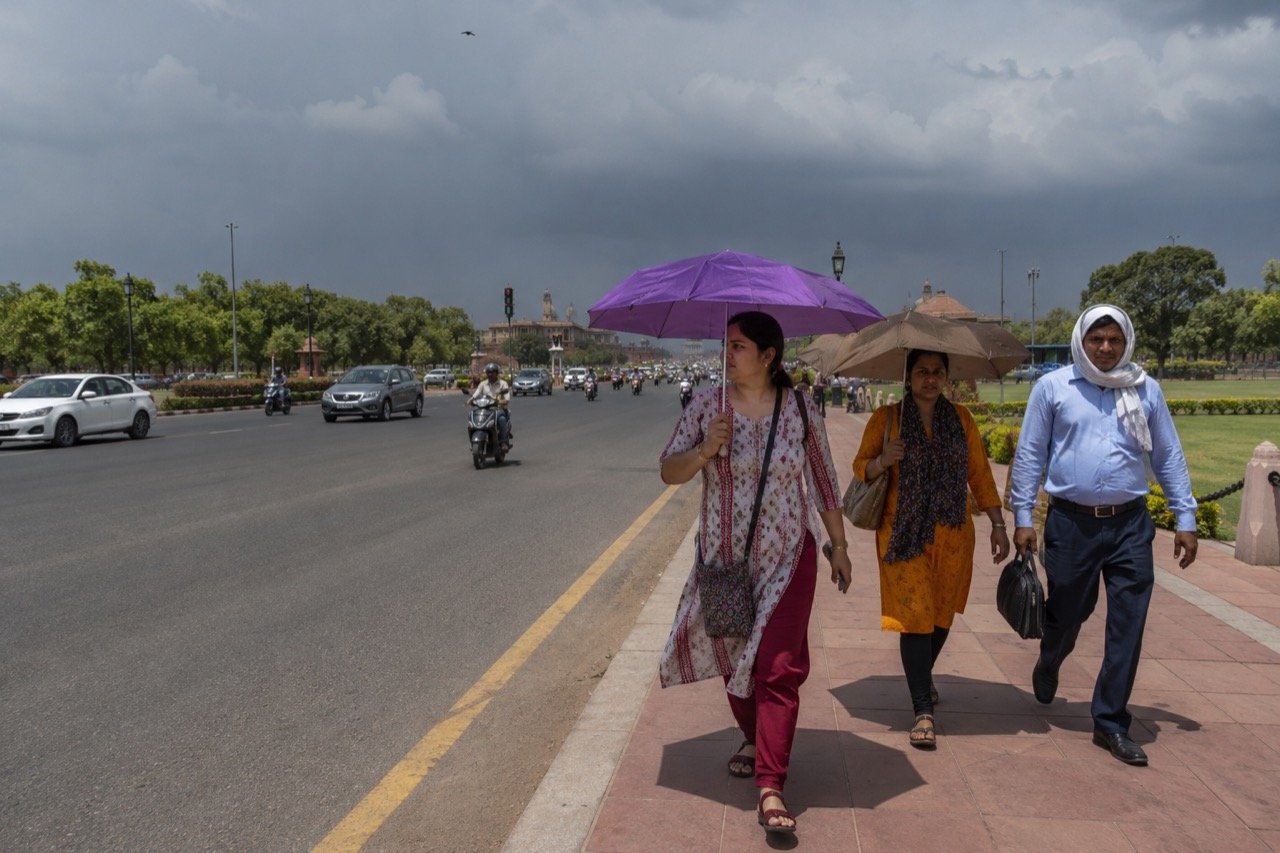
Delhi's Monsoon Wait Stretches On as IMD Flags Slow Advance
The India Meteorological Department says the southwest monsoon is unlikely to reach Delhi over the next five days, prolonging heat stress in the capital even as Mumbai is drenched by intense showers.
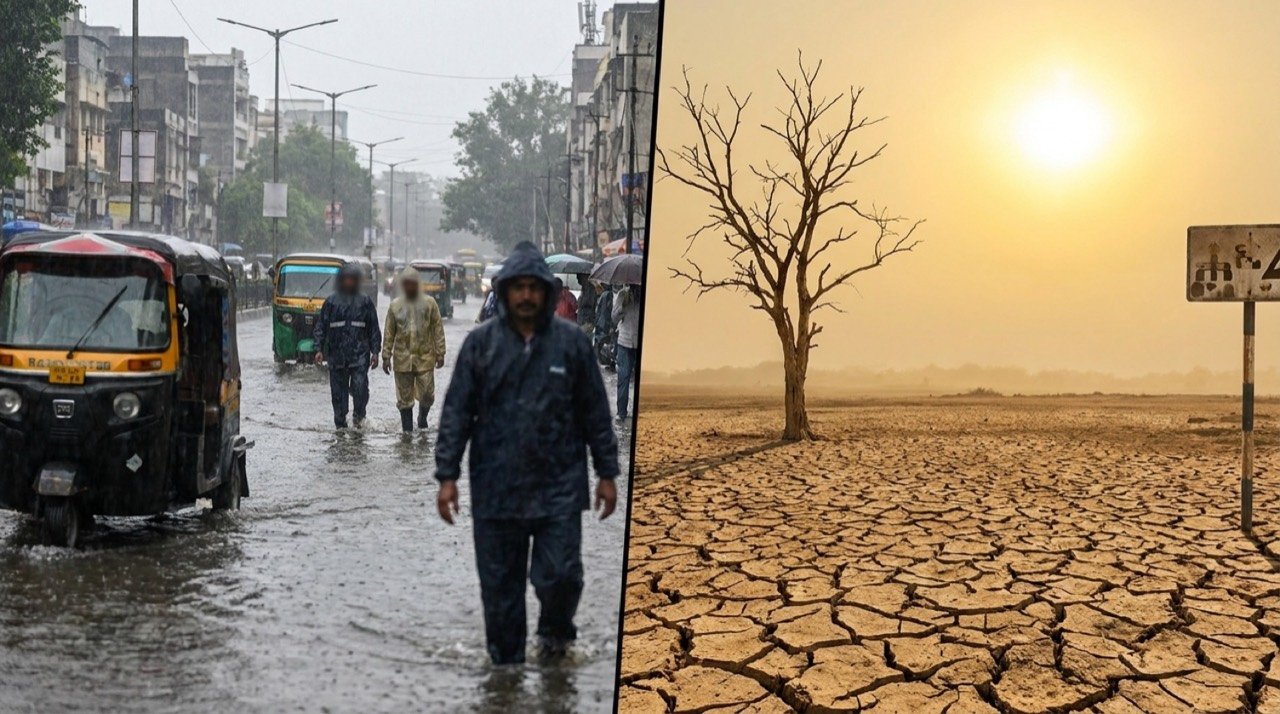
IMD Flags Heavy Rain And Heat Alerts As India's Weather Map Splits
India faces a divided weather map this week, with the IMD warning of heavy rainfall across several states even as parts of the north and centre swelter under high temperatures and heat stress.
More from this section
More
AICTE Industry Fellowship 2026: Rs 1.5 Lakh Scheme Closes July 5
The AICTE Industry Fellowship Programme 2026, which places technical-education faculty inside leading companies on a Rs 1.5 lakh monthly stipend, reached its application deadline on July 5.
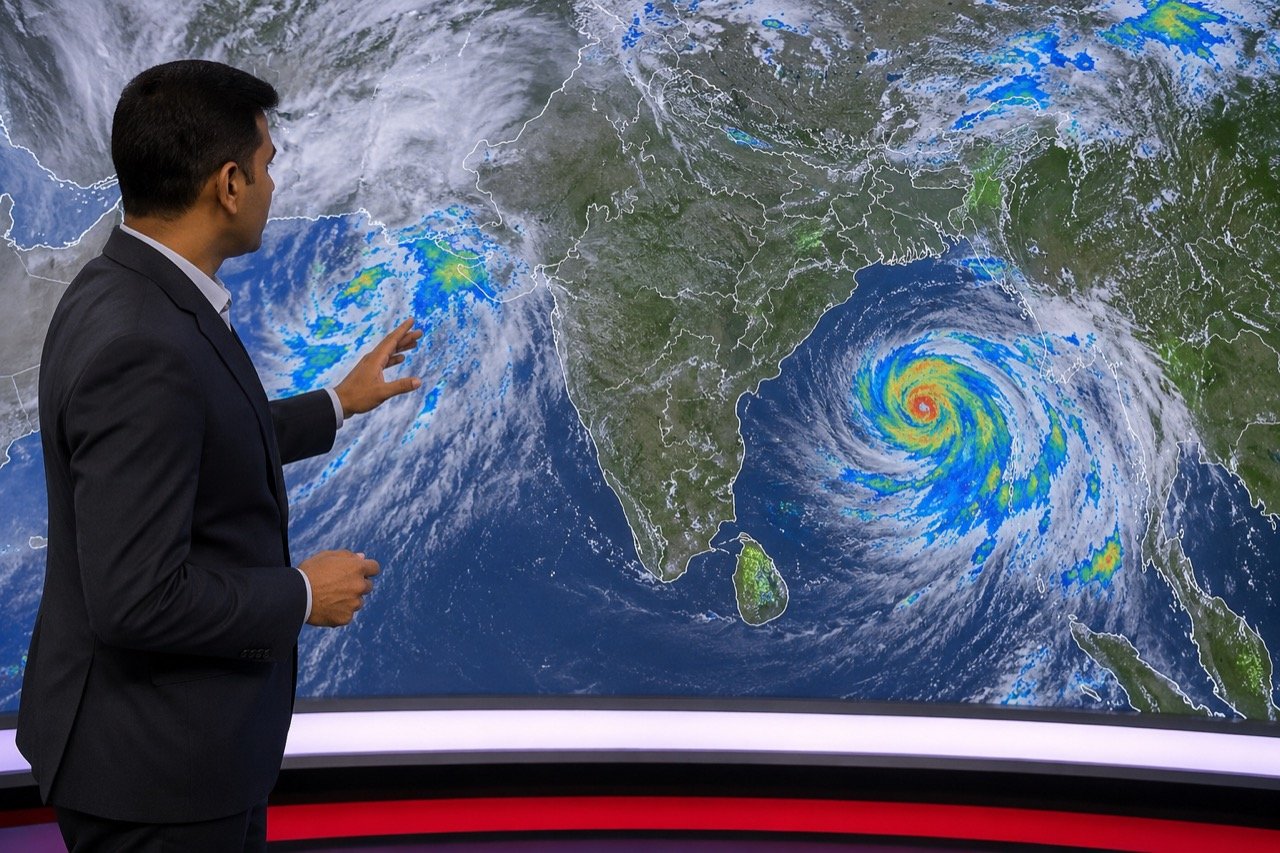
Bay of Bengal Low Pressure System Revives Monsoon Over Western India
A low-pressure system over the Bay of Bengal has pushed the monsoon back into an active phase, bringing steady heavy rain to Kerala, coastal Karnataka and Maharashtra, and putting Mumbai and Pune on preparedness watch.
Bishnoi Gang Suspects Injured in Haryana Encounter as Police Tighten Net
A joint Haryana-Delhi Police operation in Bahadurgarh left two suspected Lawrence Bishnoi gang members injured, spotlighting the multi-state coordination now central to India's fight against organised crime networks.