Delhi Orders Graft Probe Into Medicine Procurement by Health Officials
Delhi's Chief Minister has ordered a corruption probe against two senior health officials over alleged irregularities in medicine procurement, deepening scrutiny of a case already under anti-corruption review.
Commentary & Analysis ·
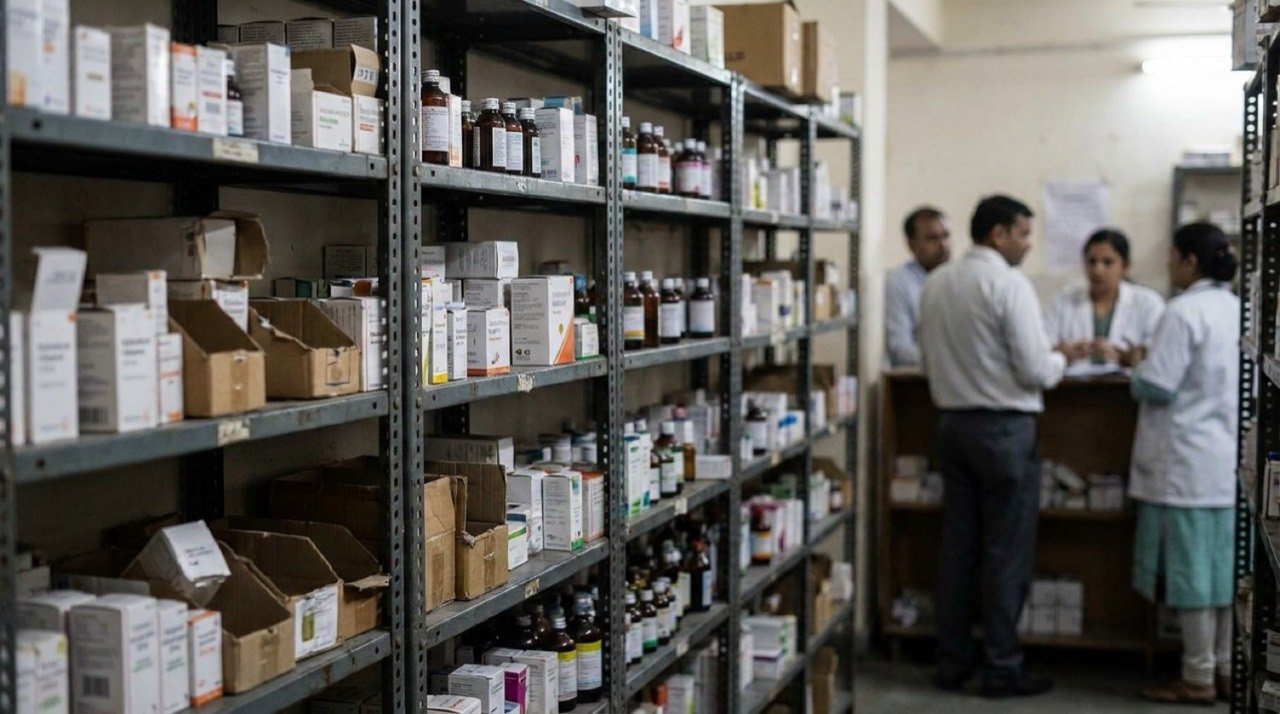
Delhi's Chief Minister has ordered a graft probe against two senior health officials over alleged irregularities in medicine procurement, adding a fresh layer of accountability to a case that is already under anti-corruption scrutiny. The move signals that the administration intends to widen, rather than wind down, its examination of how public money is spent on essential drugs. Coming as it does against an existing anti-corruption strand, the decision to order a further probe suggests officials investigating the matter found enough substance in earlier findings to justify escalating scrutiny rather than allowing the case to be quietly absorbed into routine departmental process.
What the allegations involve
According to reports, officials had flagged serious problems in the tendering process, raising the possibility of corruption and losses to the public exchequer. Allegations of this nature typically centre on how contracts were awarded, whether procedures were followed and whether the prices paid reflected fair market value. These are the three pressure points in almost every procurement controversy anywhere in India, and they matter because each represents a different kind of failure: a flawed award process suggests favouritism or lack of oversight; procedural lapses suggest weak internal controls; and inflated pricing suggests either negligence or deliberate manipulation for private gain.
The newly ordered probe is expected to look closely at approvals, tender conditions, pricing, supply quality and the chain of responsibility within the health department, building on an earlier strand of the case that had already drawn anti-corruption attention. That the inquiry is expected to trace the full chain of responsibility, rather than stopping at the two officials named so far, is notable. Procurement decisions of this scale rarely rest with two individuals alone; they typically pass through multiple layers of sign-off, technical evaluation and financial approval. A thorough probe would need to establish not just who signed what, but who set the tender conditions in the first place, and whether those conditions were structured in a way that narrowed competition or favoured particular suppliers.
Why medicine procurement matters
Procurement of medicines is not a back-office function. It determines whether public hospitals have the drugs patients need, at the right quality and at a reasonable cost. Irregularities can translate directly into shortages, substandard supplies or inflated bills, with the burden ultimately falling on patients and taxpayers. Unlike many forms of administrative corruption, which primarily cause financial loss, failures in medicine procurement carry a direct human cost. A patient who cannot access a needed drug because a hospital's stock has run low, or who receives a substandard formulation because a supplier cut corners to win a contract at an artificially low price, experiences the consequences of procurement failure in the most immediate way possible.
That is why a procurement controversy resonates beyond the officials named in it. It touches hospitals, public budgets and, crucially, the confidence citizens place in the institutions meant to safeguard their health. Delhi's public hospital network serves a population that, in large part, has no alternative to the public system. For these patients, procurement is not an abstract line item in a budget document; it is the difference between a course of treatment being available or not. Any erosion of trust in how medicines are sourced therefore carries weight well beyond the specific individuals under investigation.
The road ahead for the inquiry
A credible inquiry will need to establish facts methodically, distinguishing between procedural lapses and deliberate wrongdoing, and giving those named a fair opportunity to respond. This distinction is important, and easy to lose sight of amid the political noise that typically surrounds cases involving senior officials. Not every departure from standard procedure amounts to corruption; sometimes it reflects poor training, ambiguous rules, or genuine time pressure in awarding contracts for essential supplies. But where the evidence points to deliberate manipulation of tender conditions or pricing for personal or third-party benefit, the response needs to be commensurate with the seriousness of the harm caused.
The strength of any eventual findings will rest on documentation, including tender files, approval trails and pricing records. Paper trails of this kind are usually extensive in government procurement, precisely because multiple approvals are required at each stage. This is, in one sense, an advantage for investigators: unlike many forms of alleged corruption that rely on unrecorded transactions, procurement fraud typically leaves a documentary footprint across tender notices, bid evaluations, comparative pricing sheets and internal approval notes. The challenge lies less in finding evidence and more in interpreting it fairly, and in following the trail wherever it leads, including to figures more senior than the two officials currently named.
Political and institutional stakes
For the Delhi administration, ordering this probe carries its own set of calculations. Acting visibly against officials within its own health apparatus can be read as a sign of seriousness about accountability, but it also invites scrutiny of how such irregularities were allowed to develop in the first place, and why they were not caught earlier through routine audit or oversight mechanisms. Governments that order such probes are often judged not just on the decision to investigate, but on what follows: whether the inquiry is allowed to proceed at its own pace and reach its own conclusions, or whether it loses momentum once the immediate headlines fade.
For opposition parties and civil society groups that track public health spending, the case is likely to become a reference point regardless of its eventual outcome. Procurement scandals in the health sector tend to attract sustained attention because they combine two politically resonant themes: the handling of public money and the delivery of essential services. How the administration communicates progress on the probe, and whether it resists the temptation to declare the matter closed prematurely, will shape how the episode is remembered.
The NE Times View
Ordering a probe is the easy part; seeing it through against senior officials is where most such cases quietly die. Medicine procurement graft is not abstract corruption, it directly endangers patients who depend on public hospitals. The test now is less about the announcement and more about follow-through: whether investigators are given the access and independence needed to trace the tender process from its origin to its award, and whether findings, once reached, are acted upon rather than shelved. The NE Times will watch whether this inquiry produces names, charges and reform, or merely a headline that fades once the political cycle moves on.
Key takeaways
- Delhi's Chief Minister has ordered a graft probe against two senior health officials over alleged medicine procurement irregularities.
- Allegations centre on tendering irregularities and the possibility of losses to the public exchequer.
- The probe is expected to examine approvals, tender conditions, pricing, supply quality and the chain of responsibility within the health department.
- Medicine procurement failures carry a direct human cost, affecting hospital drug supply, quality and cost for patients who depend on the public system.
- The case builds on an existing anti-corruption strand, and its credibility will depend on transparent documentation and follow-through rather than the initial announcement alone.
You may also like to read

Rekha Gupta Interview Puts Delhi EV Incentives and Civic Services in Focus
Delhi Chief Minister Rekha Gupta's interview with The Indian Express places electric-vehicle incentives and urban-service delivery at the heart of the capital's policy debate, framing how the government wants Delhi's next phase to look.
PM Modi Calls on President Murmu as Cabinet Reshuffle Speculation Grows in Delhi
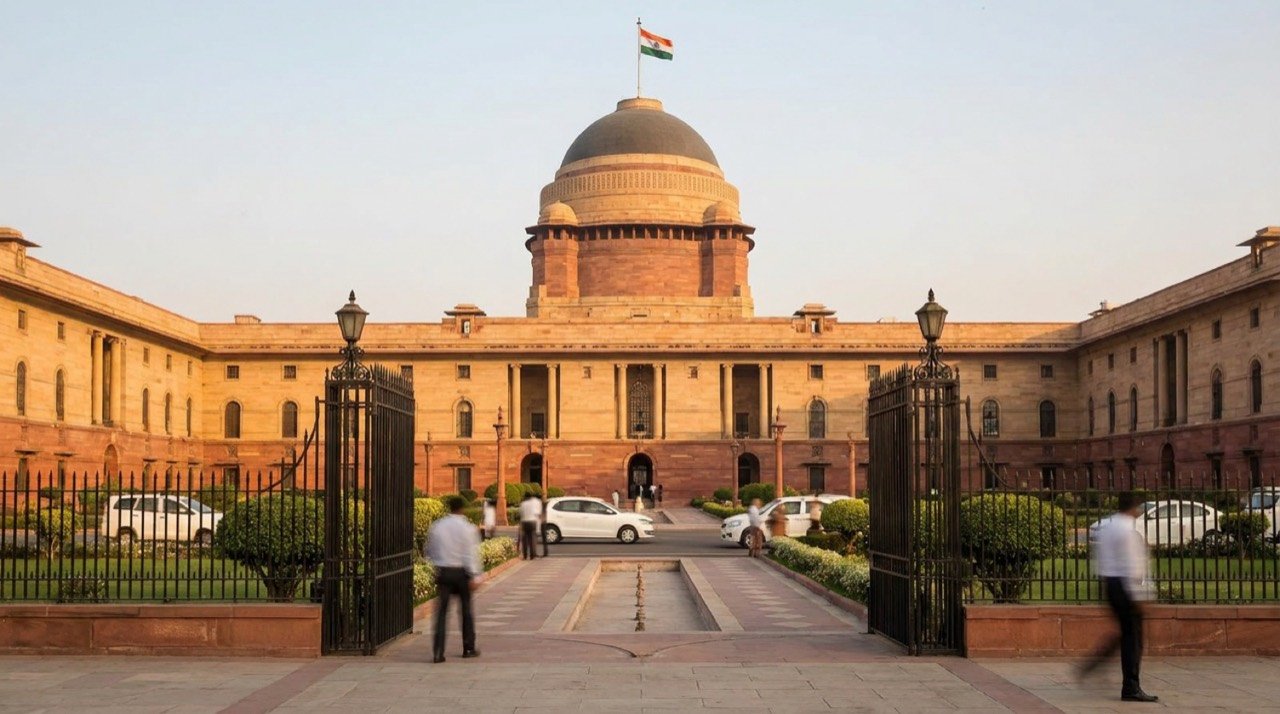
Prime Minister Narendra Modi met President Droupadi Murmu at Rashtrapati Bhavan on June 23, a call that drew sharp political attention amid mounting speculation over a possible Union Council of Ministers reshuffle.
Kerala Water Cannon Row Raises Questions Over Protest Policing and Public Health
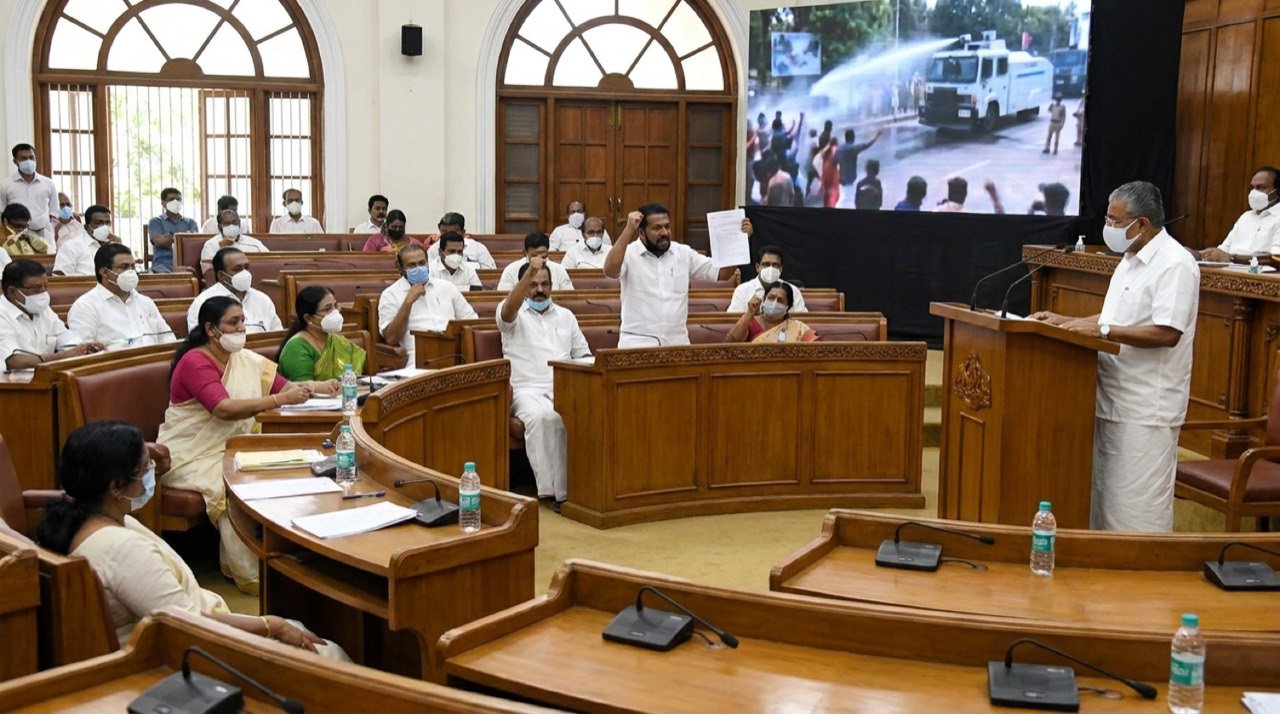
A bottle held up inside the Kerala Assembly has turned a student protest into a wider debate over police crowd-control methods, water quality and official accountability.
Gujarat Court Sentences AAP MLA Chaitar Vasava to Seven Years in Forest Officials Case
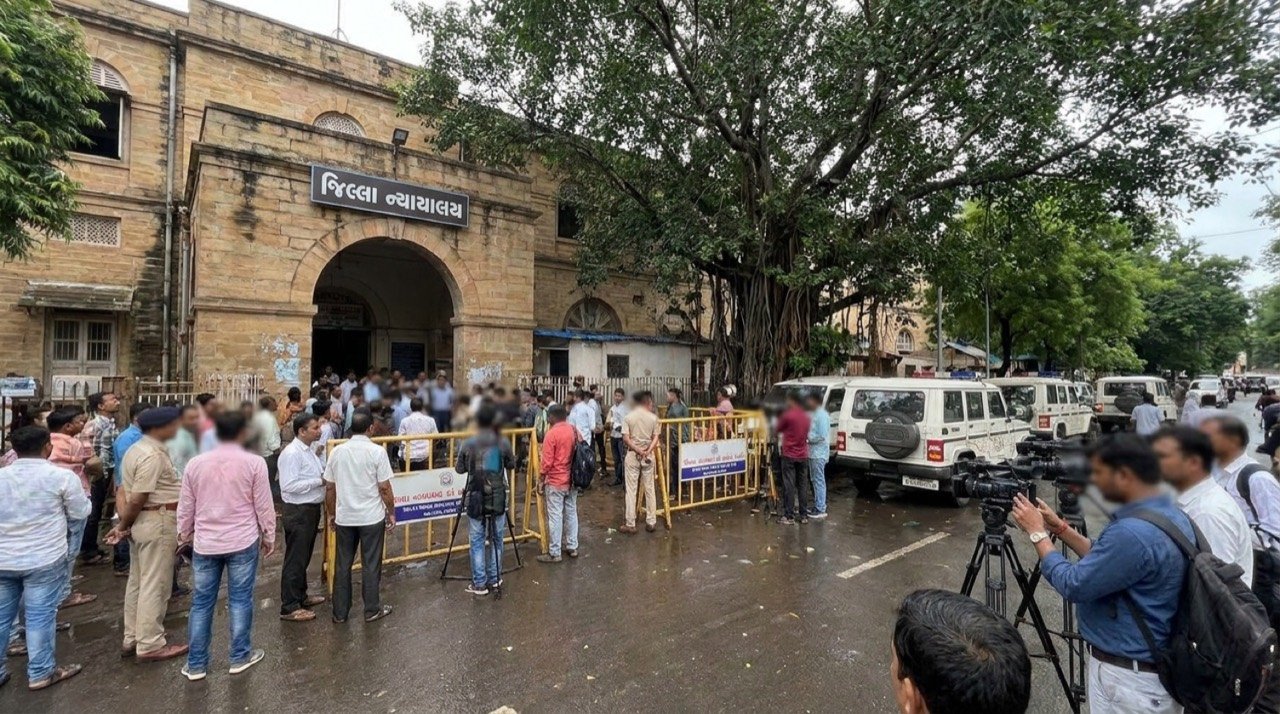
A Narmada district court has sentenced AAP MLA Chaitar Vasava and eight others to seven years in prison in a 2023 case involving forest officials, with implications for tribal-belt politics.
More from this section
More
K Kavitha Party Denied TRS Name by Election Commission
The Election Commission has refused to register K Kavitha's Telangana Rakshana Sena under the TRS acronym after objections, forcing a branding reset for the new party at a politically sensitive moment in Telangana.
Lalu Prasad Yadav Security Downgrade, Bungalow Order Stir Bihar
A government order downgrading Lalu Prasad Yadav's security cover and asking him to vacate an official bungalow has opened a fresh political flashpoint in Bihar, with the RJD chief's reaction fuelling the row.
Manipur CM's Churachandpur Visit: First Since 2023 Unrest
The Manipur Chief Minister travelled to Churachandpur for a BJP MLA's funeral, his first visit to the district since the 2023 violence, lending the sombre occasion an unmistakable political significance.