Kerala Water Cannon Row Raises Questions Over Protest Policing and Public Health
A bottle held up inside the Kerala Assembly has turned a student protest into a wider debate over police crowd-control methods, water quality and official accountability.
Commentary & Analysis ·
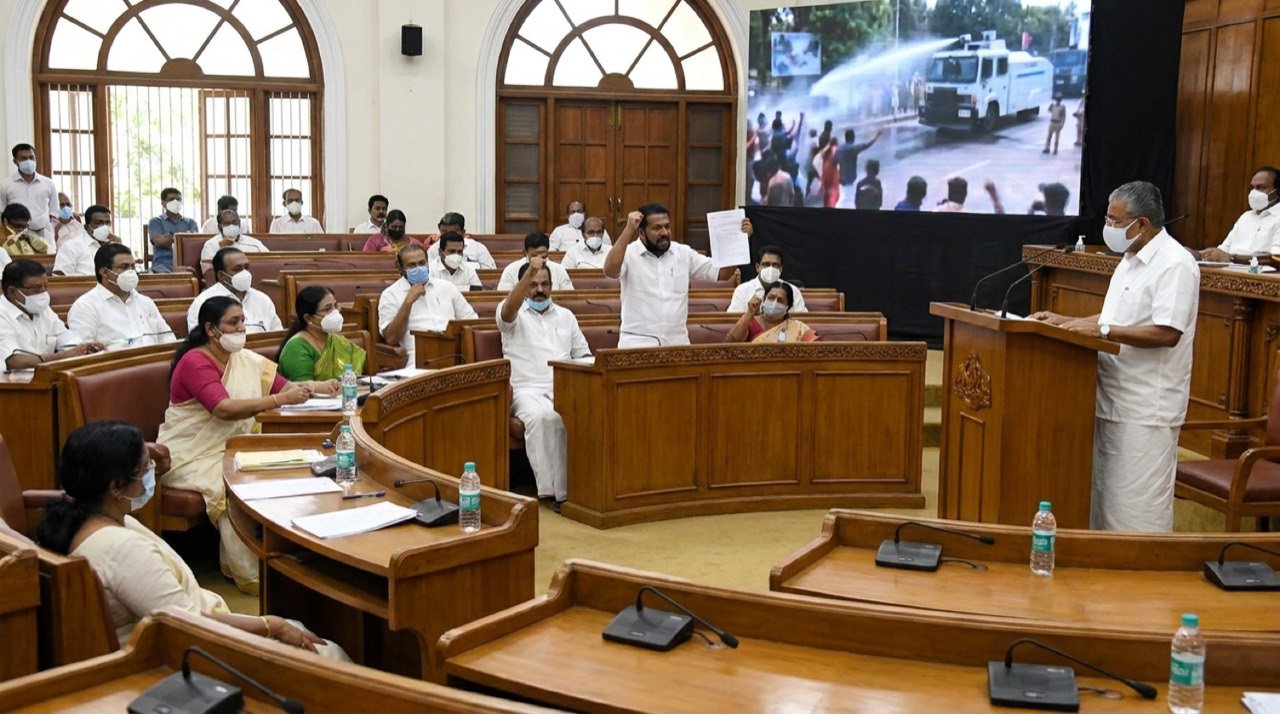
A bottle shown inside the Kerala Assembly has turned a student protest into a much wider debate over police methods, public health and accountability. Former chief minister and opposition leader Pinarayi Vijayan displayed a bottle that he said contained the water used by police in water cannons against AIYF-AISF protesters opposing the PM SHRI scheme, sharpening a confrontation that has moved well beyond the original demonstration.
How a protest became a health row
The protesters had taken to the streets against the PM SHRI scheme, and police deployed water cannons to disperse the crowd. The dispute escalated when the opposition alleged that the water sprayed on demonstrators was contaminated, an accusation that shifts the focus from the politics of the protest to the safety of the equipment used to control it.
The government said the sample would be tested. The opposition argued that contaminated water, if confirmed, would raise serious concerns at a time when the risk of communicable disease is already a public-health worry.
The questions authorities must answer
Protest policing is expected to be lawful, proportionate and safe. Water cannons are meant to disperse crowds, not to create a possible health hazard. That principle is now driving demands for clear answers from the authorities.
Officials will need to explain the source of the water, the chain of custody for the tanks that feed the cannons, and whether any routine testing is carried out before the equipment is deployed against crowds. Without such standards, the safety of every future deployment is open to question.
Why it matters beyond the Assembly
For citizens, the case links the PM SHRI protests, the Kerala Assembly debate and the broader issue of police accountability. The episode is now less about a single demonstration and more about what standards should govern crowd-control equipment in the state.
- Opposition leader Pinarayi Vijayan displayed a bottle of water he linked to police water cannons.
- The water was allegedly used against AIYF-AISF protesters opposing the PM SHRI scheme.
- The government said the sample would be tested for contamination.
- Authorities face questions over the water's source, tank custody and pre-deployment testing.
- The row has become a debate over lawful, proportionate and safe protest policing.
“Water cannons are meant to disperse crowds, not to create a possible health hazard.”
— Opposition argument in the Assembly
The test results and the government's response will shape how this controversy settles. A transparent account of where the water came from and how the tanks are maintained could lay the matter to rest, while clear protocols for crowd-control equipment would address the underlying concern about safety and accountability in protest policing.
The NE Times View
How a state handles dissent reveals how it sees its citizens. If water cannon were loaded with anything unfit for human contact, that is a serious breach demanding independent inquiry, not partisan deflection. Beyond the spectacle, the episode tests Kerala's claim to humane policing: the right to protest is hollow if crowd control endangers health, and accountability must apply regardless of who governs.
This article is original commentary and analysis by The NE Times. Background facts were referenced from Times of India and Deccan Chronicle.
You may also like to read
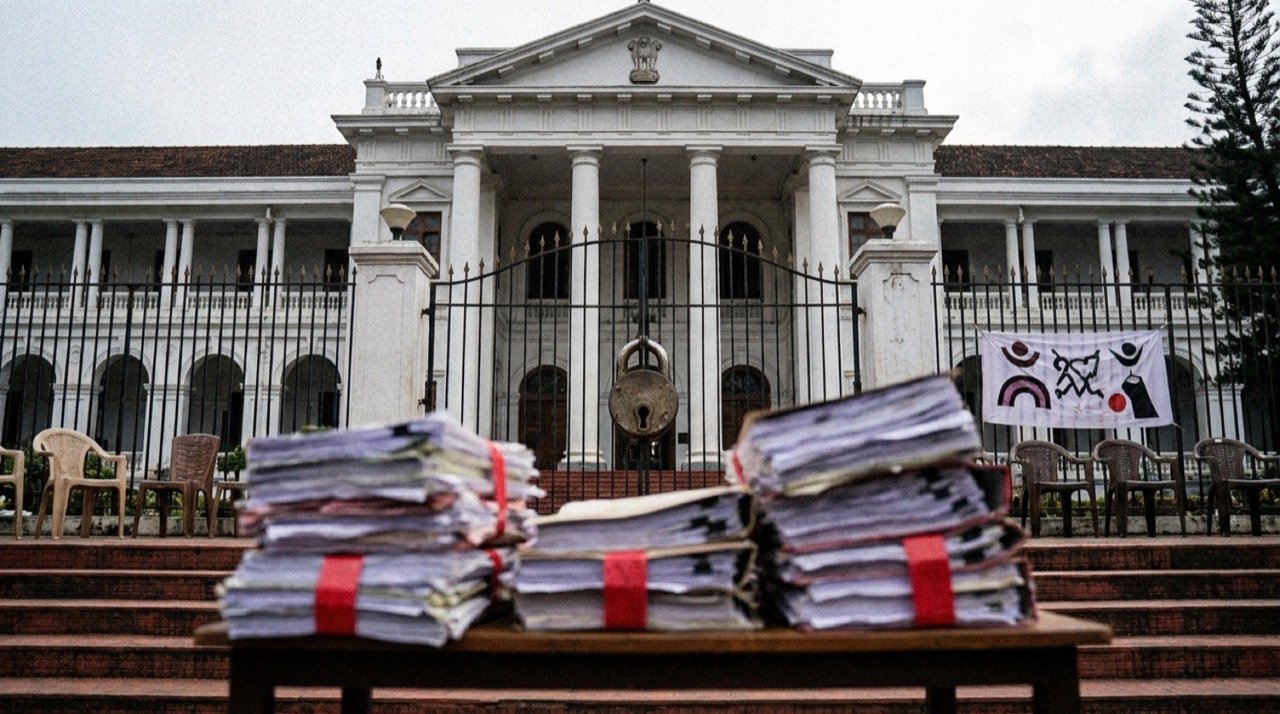
CAG Flags Kerala's Debt Burden at Rs 4.85 Lakh Crore in Fiscal Warning
A CAG report pegs Kerala's total debt at Rs 4.85 lakh crore by March 2025, citing missed fiscal targets and heavy borrowing that sharpen the challenge facing the new state government.
Kerala's UDF Government Under Satheesan Beds In as LDF Reckons With Defeat
V. D. Satheesan's Congress-led UDF ministry, formed after a sweeping win that ended a decade of Left rule, is finding its feet even as the LDF and a sidelined Pinarayi Vijayan weigh their next moves.
George Kurian Resigns as Minister After Rajya Sabha Term Ends
The exit of one of Kerala BJP's most prominent national faces reopens questions over the party's southern strategy and its Rajya Sabha arithmetic.
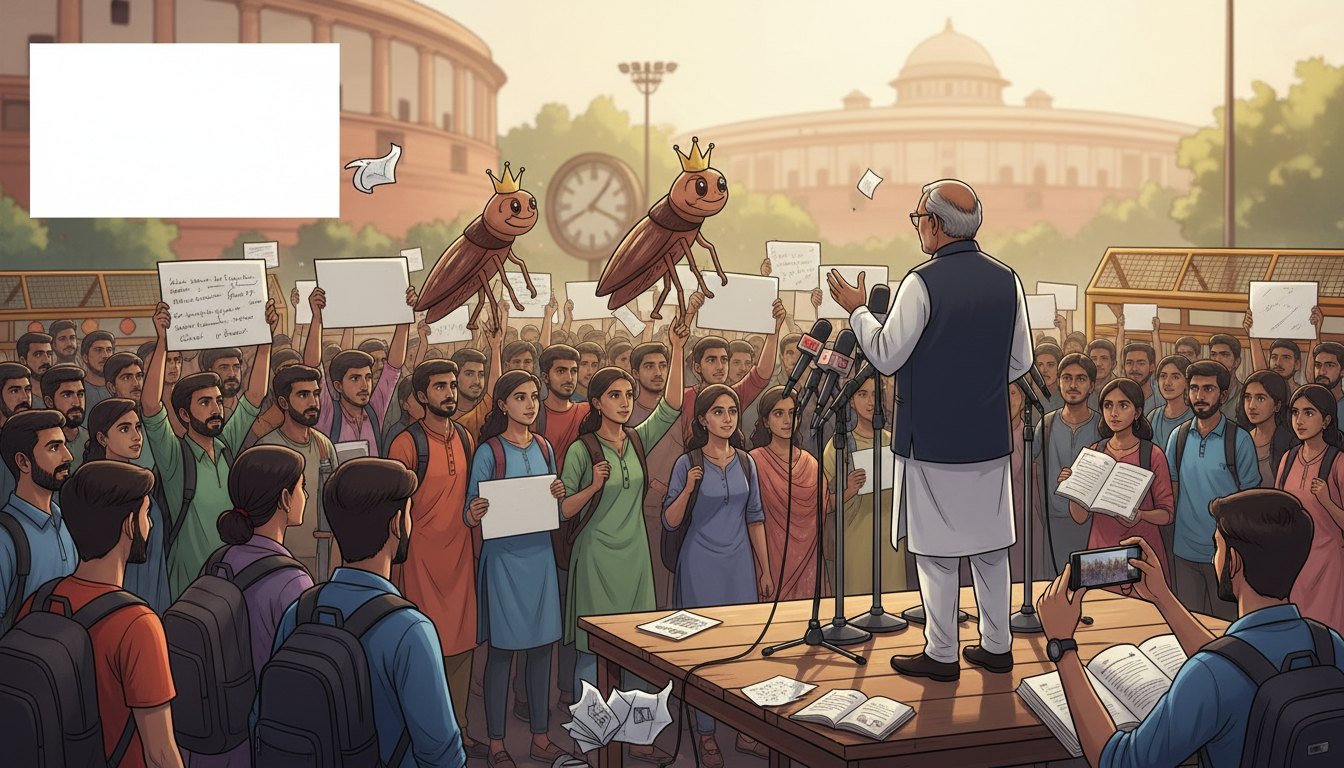
Uddhav Thackeray Backs Cockroach Janta Party Protest as Youth Movement Plans 20 July Parliament March
A satirical online formation has grown into a wider campaign over examination accountability, drawing support from established political leaders while testing whether digital anger can sustain organised action.
More from this section
More
K Kavitha Party Denied TRS Name by Election Commission
The Election Commission has refused to register K Kavitha's Telangana Rakshana Sena under the TRS acronym after objections, forcing a branding reset for the new party at a politically sensitive moment in Telangana.
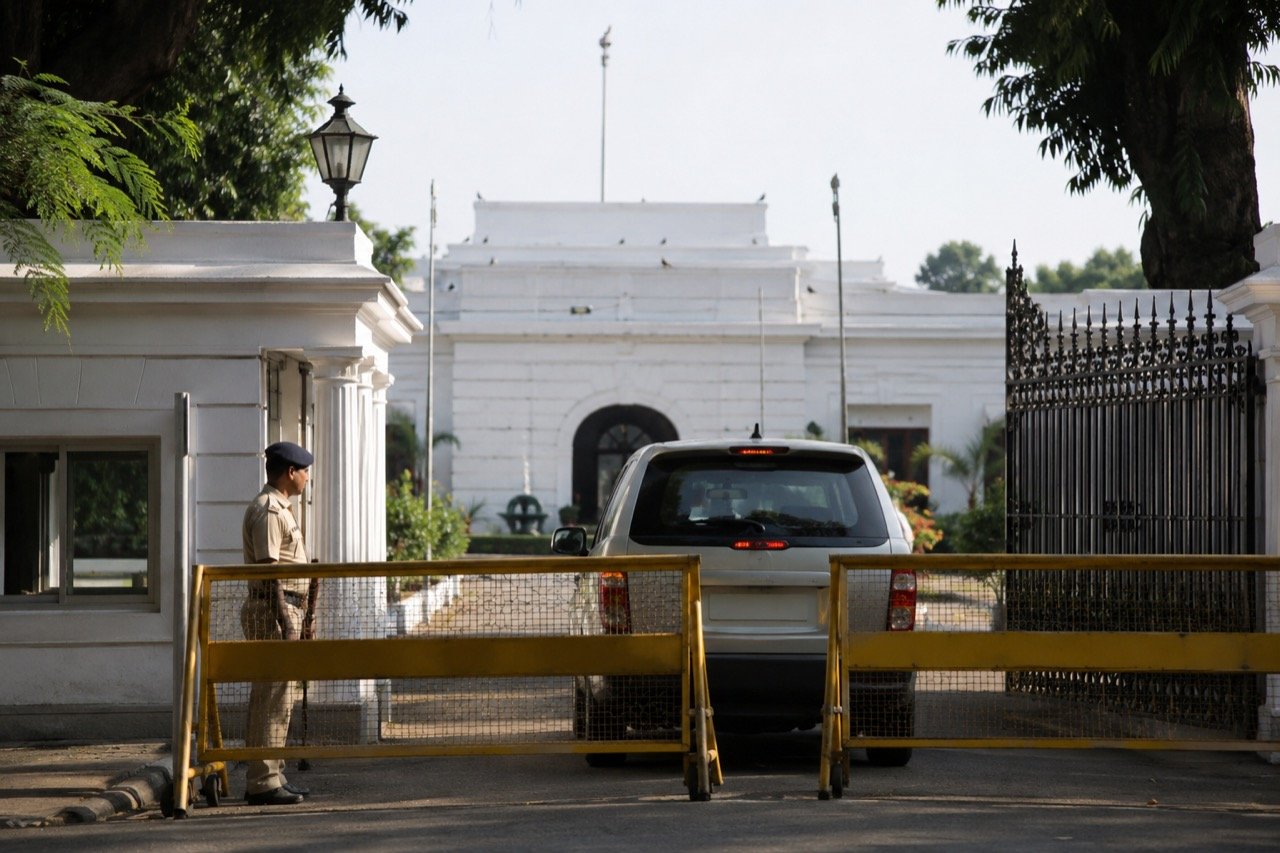
Lalu Prasad Yadav Security Downgrade, Bungalow Order Stir Bihar
A government order downgrading Lalu Prasad Yadav's security cover and asking him to vacate an official bungalow has opened a fresh political flashpoint in Bihar, with the RJD chief's reaction fuelling the row.
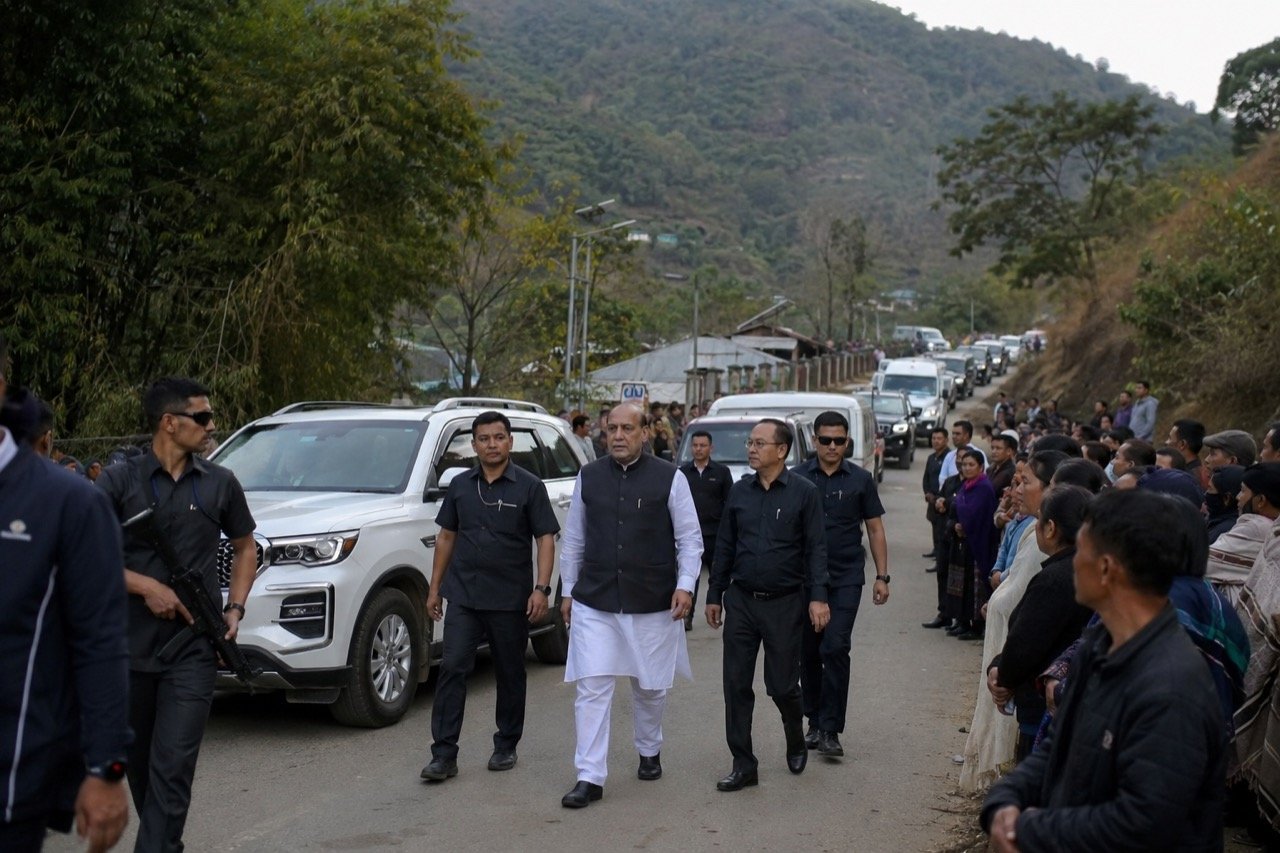
Manipur CM's Churachandpur Visit: First Since 2023 Unrest
The Manipur Chief Minister travelled to Churachandpur for a BJP MLA's funeral, his first visit to the district since the 2023 violence, lending the sombre occasion an unmistakable political significance.