CJP's Diaper-Donation Protest at Jantar Mantar Keeps NEET Paper-Leak Issue in Focus
The Cockroach Janta Party launched a diaper-donation drive at Delhi's Jantar Mantar, using symbolic protest to press its demand for accountability over alleged NEET-UG paper-leak failures.
Commentary & Analysis ·
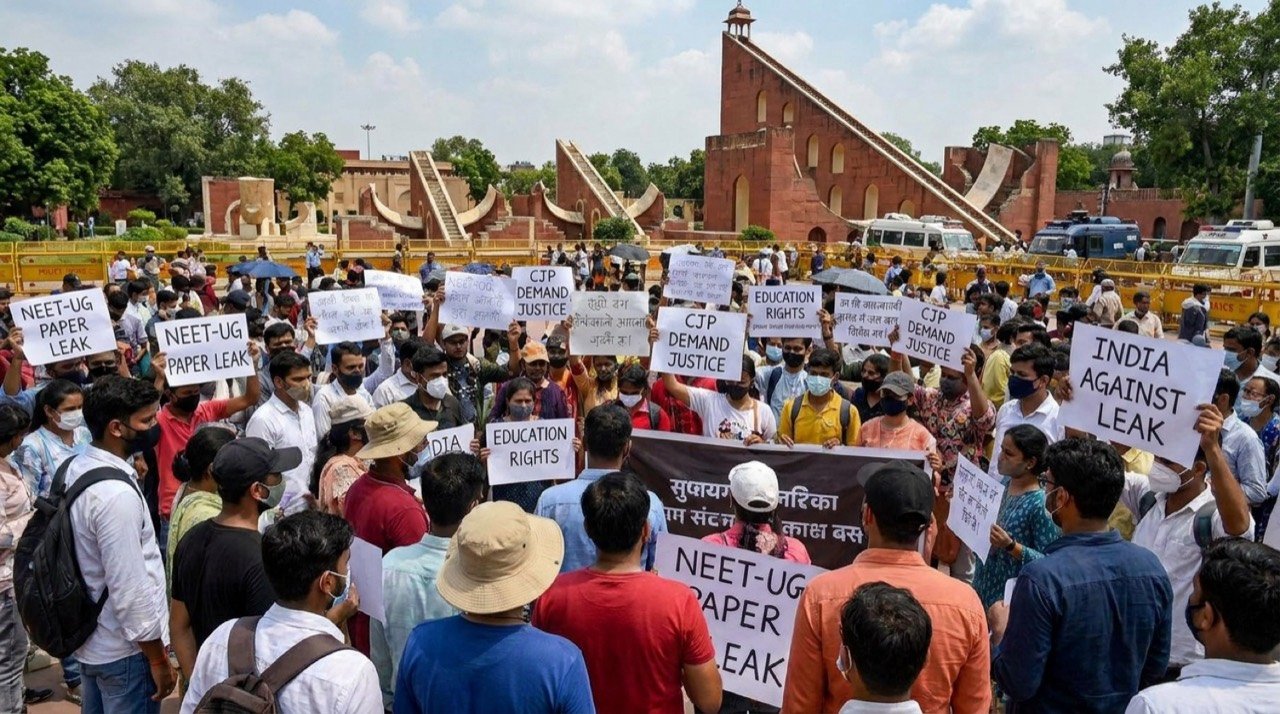
The Cockroach Janta Party (CJP) has announced a diaper-donation drive at Delhi's Jantar Mantar as its protest over alleged NEET-UG paper-leak failures entered another day. The group is demanding the resignation of Education Minister Dharmendra Pradhan and has leaned on unconventional, symbolic tactics to keep exam integrity in the public eye. It is a small demonstration in scale, but it speaks to a much larger and more persistent anxiety among Indian students and their families about whether the country's most important entrance examination can still be trusted to be fair.
A protest designed to be noticed
The diaper-donation drive is a deliberately provocative gesture, intended to draw media attention to a grievance that protest organisers fear could otherwise fade from the headlines. By framing the action around a pointed symbol, the CJP is attempting to keep pressure on authorities over the conduct of one of India's most consequential entrance examinations. This is, in essence, a media strategy as much as a political one. Conventional sit-ins and slogan-shouting at Jantar Mantar have become so routine that they rarely generate sustained coverage; a stunt built around an unusual and faintly absurd prop is calculated to cut through that noise and force journalists, commentators and social media users to ask what the protest is actually about.
Protesters also alleged that police had attempted to shrink the designated protest site, a claim that, if pursued, could itself become a secondary flashpoint over the right to demonstrate at Jantar Mantar. Jantar Mantar has long occupied a peculiar place in India's protest culture: it is one of the few centrally located sites in the capital where demonstrations are officially permitted, and disputes over how much space is allotted, or how long a protest may run, have repeatedly become contentious in their own right. Should this allegation be substantiated, it would add a civil-liberties dimension to what began as a narrower grievance about examination integrity, potentially widening the coalition of people willing to pay attention to the demonstration.
Why NEET integrity matters
NEET-UG is the gateway to medical education in India and is taken by lakhs of students each year. For an overwhelming number of families, it represents the single most consequential test their children will ever sit, determining not just admission to a medical college but the trajectory of an entire career and, often, the social standing of a household. Allegations of paper leaks strike at the heart of its credibility, raising fears that diligent candidates could be disadvantaged by malpractice beyond their control. In a system where marginal differences in rank can decide whether a student is admitted to a government medical college with heavily subsidised fees or is forced into a private institution charging far more, even a narrow breach of exam security can have outsized consequences for individual lives.
That high-stakes context explains why the issue has proved politically durable. Unlike many controversies that flare briefly and dissipate, allegations touching NEET integrity tend to persist in public consciousness because the affected population is large, geographically dispersed and emotionally invested. For affected students and families, accountability is not an abstract demand but a question of fairness in a fiercely competitive system where years of preparation, coaching-centre fees and family sacrifice are all staked on the presumption that the exam is conducted honestly. Any suggestion that some candidates gained unfair advantage through leaked material undermines the basic social contract on which the entire admissions process rests.
The demand for accountability
By targeting the Education Minister directly, the CJP is seeking to convert public concern into a concrete political consequence. This is a familiar pattern in Indian protest politics: rather than simply demanding a policy change or an inquiry, campaigners fix responsibility on a named office-holder, calculating that a resignation demand is more likely to generate headlines and sustained pressure than a request for procedural reform. Whether the campaign gains broader traction will depend on how authorities respond and whether other groups amplify the call. A dismissive or defensive official response could inadvertently give the protest more oxygen, while a considered, transparent accounting of what went wrong could defuse it relatively quickly.
It is also worth considering the position of the examination authorities themselves, who bear the operational responsibility for exam security even though the political demand is aimed at the ministry overseeing them. Any resolution of this controversy will likely require not just a political response from the minister's office but a technical and procedural one from the bodies that design, print, transport and administer the paper. Students and coaching institutes alike will be watching for signals on whether systemic safeguards are being strengthened, rather than the issue being treated purely as a public-relations problem to be managed until attention moves elsewhere.
The optics and risks of symbolic protest
Symbolic protests carry an inherent tension. Their unconventional nature is precisely what earns them coverage, but that same novelty can invite ridicule or distraction from the underlying grievance. A diaper-donation drive is arresting enough to be remembered, yet it also risks being reduced to a curiosity in press coverage, a colourful anecdote rather than a serious articulation of the demand for exam accountability. Organisers evidently judge that risk worth taking, calculating that any attention, even attention drawn by an eccentric gesture, is better than the silence that might otherwise greet a routine demonstration.
The allegation regarding the shrinking of the protest site adds another layer of risk and opportunity. If the CJP can demonstrate that authorities restricted the space available to demonstrators, it opens a parallel line of criticism concerning the state's tolerance for dissent, one that could draw support from civil liberties advocates who might otherwise have no particular stake in NEET policy. Conversely, if the claim cannot be substantiated, it could be used by critics to suggest the group is manufacturing grievances to sustain media interest, undermining the credibility of its central demand.
What happens next
The coming days will show whether the symbolic protest broadens into a larger movement or remains a localised demonstration. Much will depend on whether student associations, coaching networks, opposition parties or parents' groups choose to lend their voice and numbers to the CJP's campaign, or whether it remains a relatively contained event confined to a single stretch of pavement at Jantar Mantar. Media appetite, too, will play a role, given that the protest's entire design is oriented around sustaining coverage rather than mobilising large crowds. Either way, the CJP has succeeded for now in keeping the NEET paper-leak controversy, and the demand for accountability, firmly on the public agenda.
The NE Times View
Symbolic protests succeed only when they keep a real grievance alive, and the NEET-UG paper-leak issue deserves to stay in the spotlight given how many students' futures it touches. The NE Times view is that the stunt is secondary to the substance; the legitimate demand here is a transparent accounting of how leaks happened and what has changed since. Attention-grabbing tactics can be a legitimate and even necessary tool in a media environment saturated with competing controversies, but they cannot substitute for the harder, less photogenic work of institutional reform. If theatrics overshadow that accountability, the protest becomes spectacle rather than pressure, and the very students whose interests the campaign claims to represent will be left no better protected against future breaches of exam security.
Key takeaways
- The CJP staged a diaper-donation drive at Jantar Mantar to keep the NEET-UG paper-leak controversy in public focus and to demand Education Minister Dharmendra Pradhan's resignation.
- The protest's unconventional format is a deliberate media strategy aimed at cutting through the routine noise of demonstrations at Jantar Mantar.
- NEET-UG's role as the gateway to medical education for lakhs of students each year explains why allegations of paper leaks carry such lasting political weight.
- An allegation that police tried to shrink the protest site could widen the controversy into a broader civil-liberties debate about the right to demonstrate.
- The durability of the campaign will hinge on whether authorities offer a transparent accounting of exam security failures, rather than on the symbolism of the protest itself.
You may also like to read
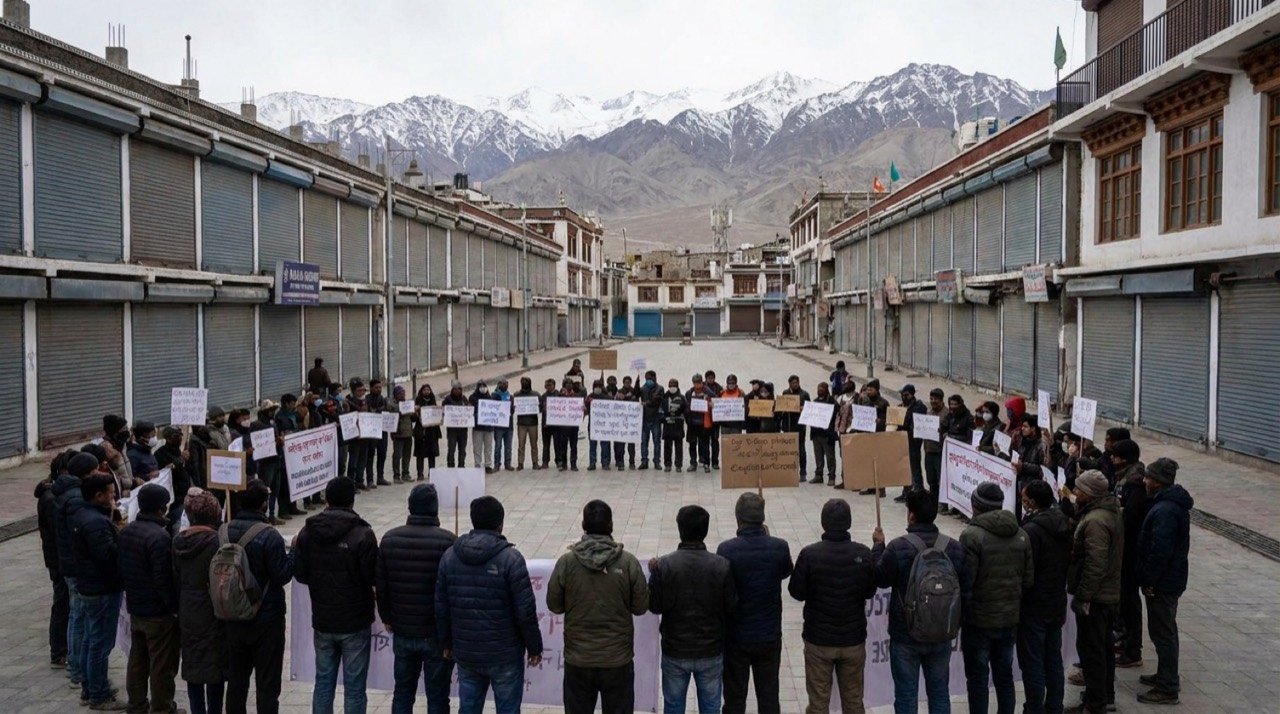
Ladakh Shutdown Pushes Statehood Dialogue With Centre Back Into Focus
A near-total shutdown across Ladakh on June 23 saw Leh and Kargil bodies press New Delhi for credible dialogue, reviving demands for statehood, Sixth Schedule safeguards and land and job protections.
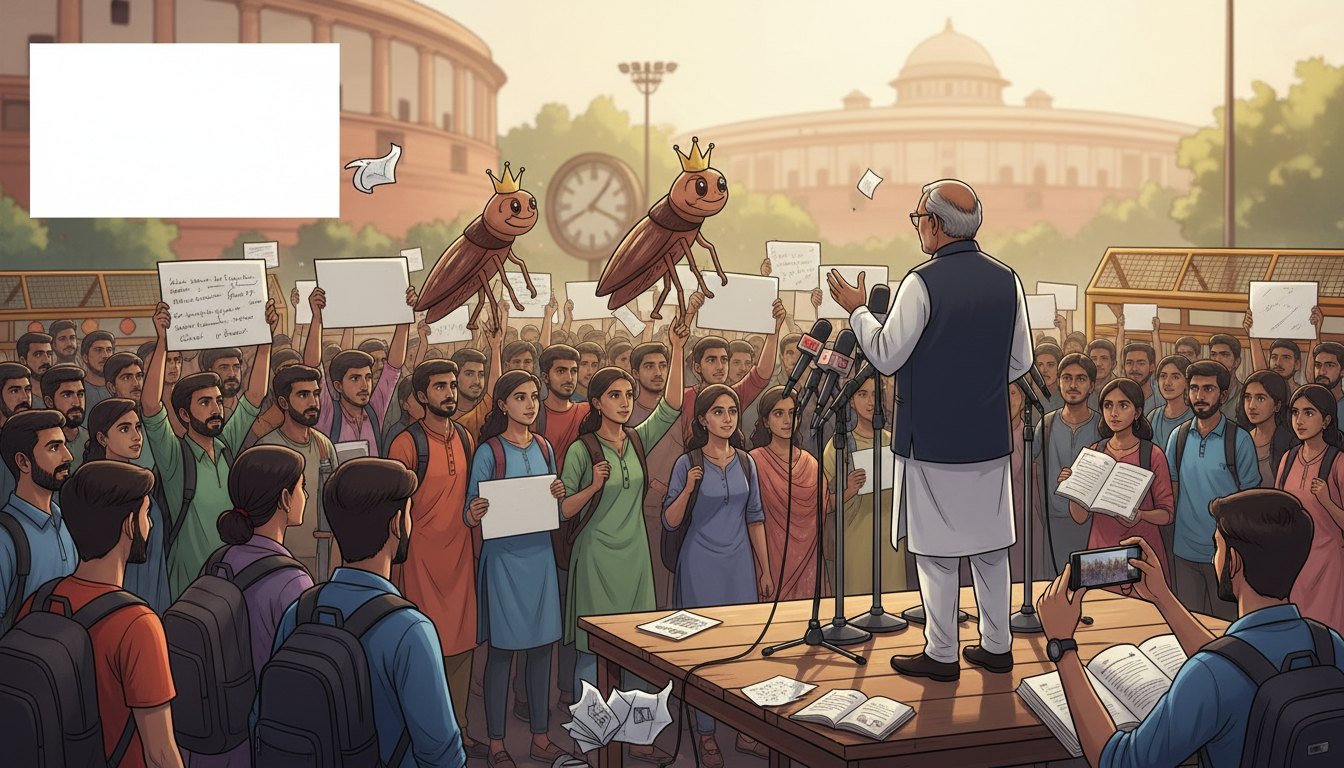
Uddhav Thackeray Backs Cockroach Janta Party Protest as Youth Movement Plans 20 July Parliament March
A satirical online formation has grown into a wider campaign over examination accountability, drawing support from established political leaders while testing whether digital anger can sustain organised action.
Rekha Gupta Interview Puts Delhi EV Incentives and Civic Services in Focus
Delhi Chief Minister Rekha Gupta's interview with The Indian Express places electric-vehicle incentives and urban-service delivery at the heart of the capital's policy debate, framing how the government wants Delhi's next phase to look.
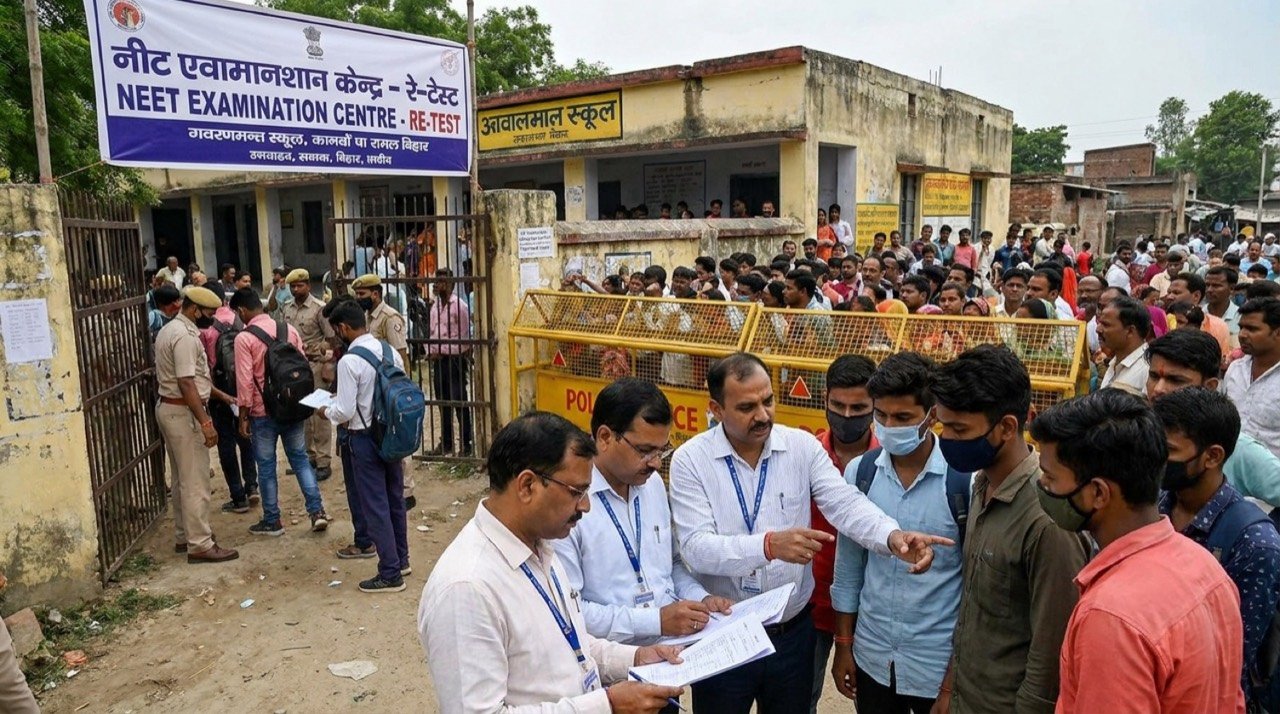
Bihar NEET Re-Test Arrests Expose Alleged Dummy Candidate Racket
Police in Bihar's Lakhisarai district have arrested 30 people over alleged impersonation during the NEET-UG 2026 re-test, citing fake Aadhaar cards and the involvement of biometric verification staff.
More from this section
More
K Kavitha Party Denied TRS Name by Election Commission
The Election Commission has refused to register K Kavitha's Telangana Rakshana Sena under the TRS acronym after objections, forcing a branding reset for the new party at a politically sensitive moment in Telangana.
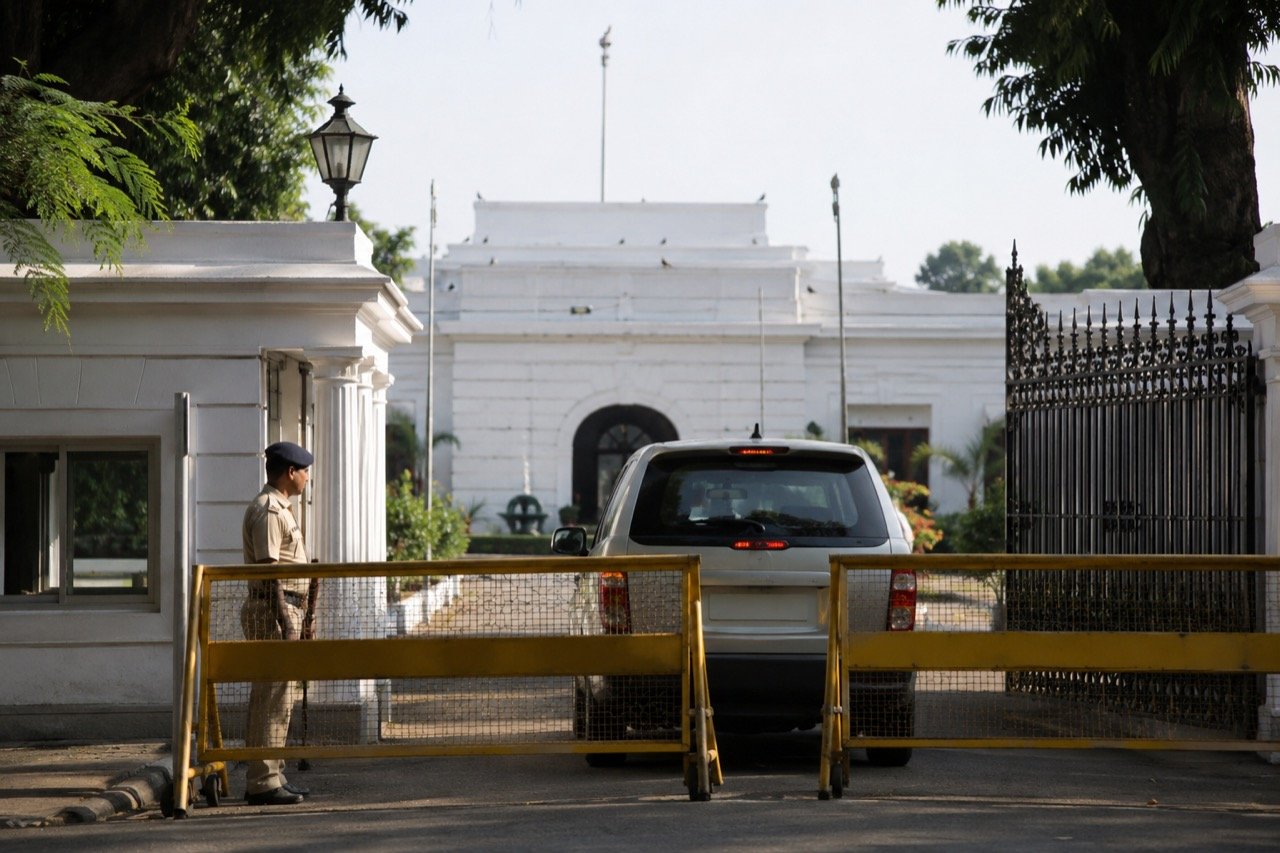
Lalu Prasad Yadav Security Downgrade, Bungalow Order Stir Bihar
A government order downgrading Lalu Prasad Yadav's security cover and asking him to vacate an official bungalow has opened a fresh political flashpoint in Bihar, with the RJD chief's reaction fuelling the row.
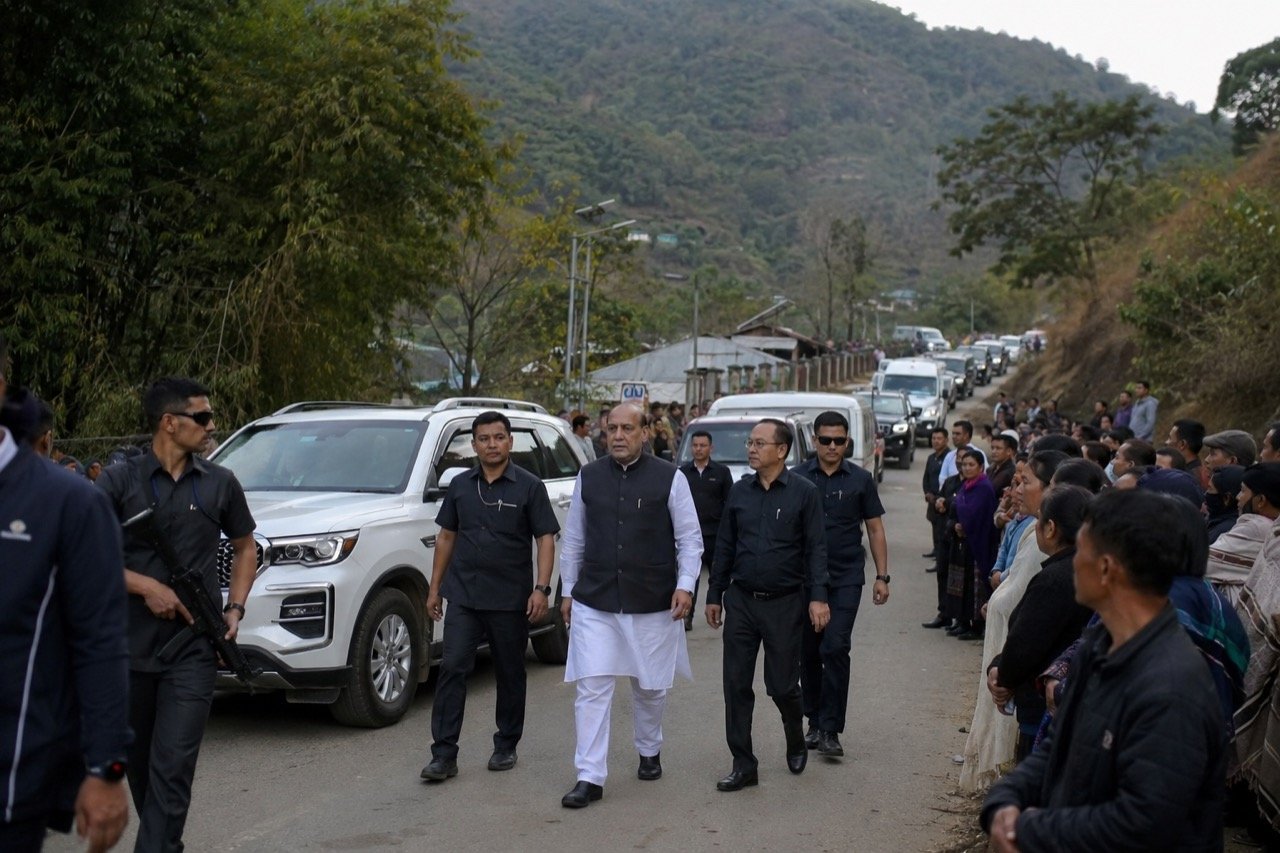
Manipur CM's Churachandpur Visit: First Since 2023 Unrest
The Manipur Chief Minister travelled to Churachandpur for a BJP MLA's funeral, his first visit to the district since the 2023 violence, lending the sombre occasion an unmistakable political significance.