County Cricket And The Question Of India's Red-Ball Batting Depth
As established names drift away from English county stints and a new Test top order beds in, the conversation around India's red-ball batting pipeline has sharpened in mid-2026.
Commentary & Analysis ·
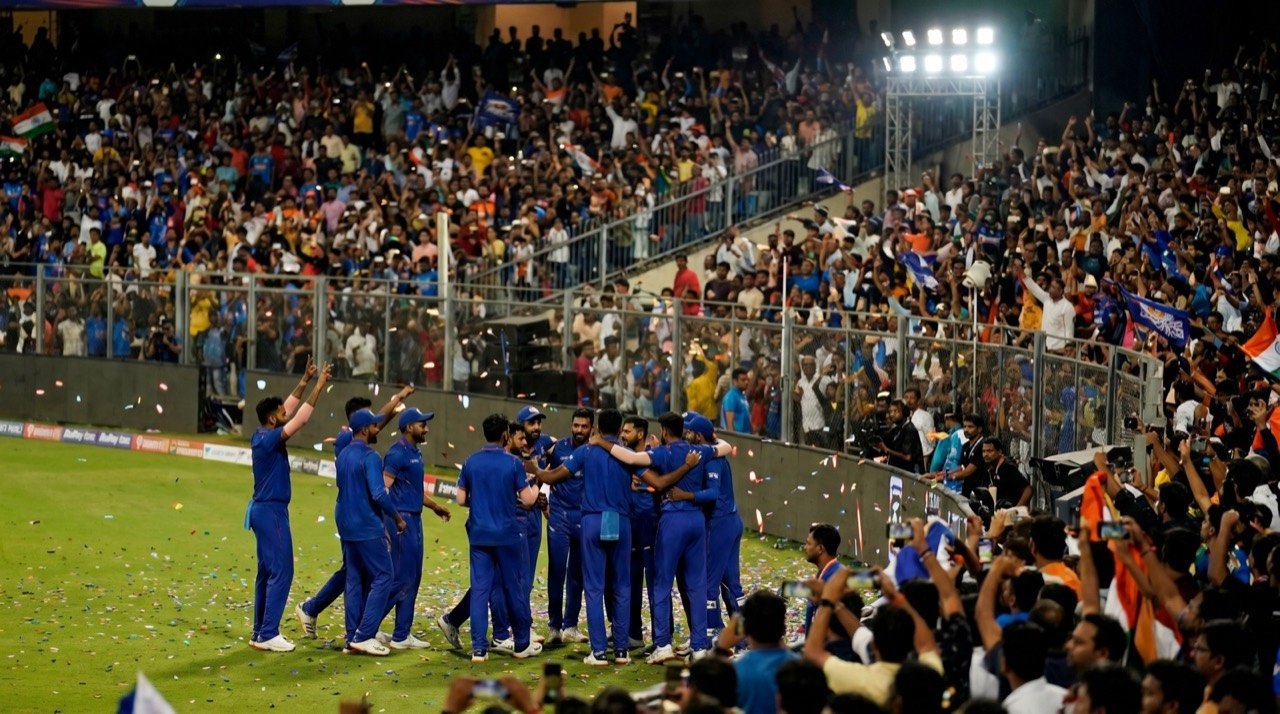
For more than a decade, a summer stint in English county cricket served as a familiar finishing school for India's red-ball batters, sharpening technique against the moving ball before demanding overseas tours. In mid-2026, with several established names having stepped back from county commitments and a new-look Test top order taking shape, that traditional bridge is the subject of fresh scrutiny. The question is not merely nostalgic. It goes to the heart of how India intends to keep producing batters capable of surviving in Australia, England and South Africa, conditions that domestic Indian pitches, by their nature, cannot always replicate.
A changing county equation
Cheteshwar Pujara, who built a reputation across multiple seasons with Sussex and earlier Gloucestershire, exemplifies the era of the India batter sharpening his game in the County Championship. Having been let go by Sussex for the 2025 season, his trajectory underlines how fewer senior Indians now slot into county sides, with packed international and franchise calendars leaving little room for extended overseas red-ball cricket. Pujara's case is instructive precisely because he was among the most committed users of the county route, returning summer after summer not for glamour or reward but for the unglamorous grind of batting long hours in seaming conditions against county attacks that offered no easy runs. That a player of his experience and application found himself without a county contract says less about his own game than about the shrinking space county cricket now occupies in the calendar of an Indian professional cricketer.
The reasons are structural rather than personal. India's international commitments across formats have multiplied, and the Indian Premier League occupies a significant slice of the year that might once have been available for county stints. For young batters weighing where to spend a scarce block of free weeks, the financial and career incentives increasingly point away from a county dressing room and towards white-ball franchise cricket or rest ahead of a packed international season. That is an entirely rational individual calculation, but it carries a collective cost that is only now becoming visible in selection debates.
What county cricket actually taught
That shift has prompted questions about where the next generation will acquire the specific skills, leaving the ball, batting long, surviving the new ball in seaming conditions, that county cricket once reliably instilled. These are not abstract virtues. They are the specific, teachable habits that separate batters who cope with a Dukes ball nipping around in Manchester or a Kookaburra swinging under lights in Perth from those who look organised only on flat, low, slow surfaces. County cricket compressed years of overseas experience into a few months, forcing batters to bat when conditions did not suit them, to graft through unproductive periods, and to build the patience that Test cricket in seaming conditions demands. No amount of video analysis or short-form net practice back home substitutes for the accumulated hours of match play against county professionals who make their living exploiting exactly those techniques.
It is worth remembering why this pathway became so entrenched in the first place. Generations of India's finest overseas performers, batters who scored heavily in England and Australia, used county stints as their proving ground long before central contracts and franchise cricket reshaped the economics of the game. The erosion of that pathway is not simply a matter of one player's contract lapsing; it represents the quiet dismantling of an informal but effective development system that Indian cricket did not have to build itself.
Reshaping the Test order
The selectors' recent red-ball choices, including the recall of Karun Nair and the preference for certain options over others, reflect an attempt to rebuild a Test batting unit after the retirements of long-serving stalwarts. This rebuilding exercise is happening at a delicate moment. Domestic run-scorers now carry a heavier burden of proof, and the absence of a steady county pathway places more weight on India's own multi-day competitions to produce match-ready batters. Selectors must now judge candidates largely on domestic performances, which, however impressive on paper, do not always translate cleanly into competence against a moving ball on a helpful surface overseas. That uncertainty makes selection itself harder and riskier, since a batter who dominates on Indian pitches may still be found wanting in Leeds or Centurion.
Senior Indian batters now feature less in county cricket than a decade ago, Pujara's Sussex departure marked the end of a long county association, packed international and franchise calendars limit overseas red-ball stints, Karun Nair is among those recalled as the Test order is rebuilt, and domestic multi-day cricket carries greater development weight as a result. Taken together, these are not isolated data points but symptoms of the same underlying shift: Indian cricket is being asked to replace an imported development mechanism with a home-grown one, on a compressed timeline, just as it navigates a generational transition at the top of the order.
What replaces the county route
With fewer players taking the county path, attention turns to whether India's domestic structure, anchored by the Duleep and Ranji trophies, and the India A programme can replicate the toughening effect of English conditions. Tours by India A to seam-friendly venues and a renewed emphasis on multi-day cricket in the calendar are part of that answer. This is a considerably harder task than it sounds. Recreating English seam and swing conditions on Indian soil requires deliberate groundskeeping choices, curators willing to prepare pitches with grass cover and moisture rather than the flat, batting-friendly surfaces that often serve state associations' commercial interests, and a First-Class calendar dense enough to give emerging batters repeated exposure rather than the odd match here and there.
As a former India batting coach observed, paraphrased, county cricket used to do a lot of the heavy lifting on technique; now the system must build that into its own structures more deliberately. That remark captures the crux of the challenge. It is one thing to recognise that a gap has opened; it is another to design and sustain the institutional response, sending A teams to the right venues, scheduling enough multi-day cricket, and ensuring selectors and coaches actually value the technical qualities those tours are meant to cultivate, rather than sheer weight of runs. How successfully India internalise that development work, rather than outsourcing it to English summers, may shape the resilience of their Test batting through the rest of the decade.
The NE Times View
The retreat from county cricket is a quiet loss India should not shrug off. Those seaming, swinging English conditions forged the technique that won Tests abroad, and no domestic substitute fully replicates them. As a new top order beds in, the board would be wise to actively encourage overseas stints rather than let franchise calendars crowd out the hardest school in batting. The temptation, when a system is stretched for time, is to treat overseas exposure as a luxury dispensable in the name of managing player workloads and franchise obligations. That temptation should be resisted. The batters India will need in the next Ashes-equivalent away tours are being shaped, or not shaped, by decisions being made now about where young cricketers spend their scarce free months. A domestic programme that merely gestures at replicating county conditions, without the sustained investment in pitches, fixtures and player release that genuine replication demands, risks leaving India's batting depth thinner than the selectors currently appreciate.
Key takeaways
- Fewer senior Indian batters are now taking up county contracts, with Pujara's departure from Sussex for 2025 symbolising the shift away from a once-standard development route.
- Packed international and franchise calendars are the primary structural reason overseas red-ball stints have become harder to justify for Indian players.
- Selectors, including in the recall of Karun Nair, are leaning more heavily on domestic run-scoring as the county pathway thins, raising the stakes of judging overseas-readiness from home performances alone.
- India's own multi-day structures, the Duleep and Ranji trophies and the India A programme, are being asked to replicate the technical toughening that English conditions once provided.
- The long-term resilience of India's Test batting may depend on whether the board deliberately invests in this home-grown alternative rather than allowing it to develop by default.
You may also like to read

India vs England 2nd T20I: Bethell's 76 Powers Four-Wicket Chase
Jacob Bethell's 76 off 46 balls steered England past India's 190 at Old Trafford, spoiling Vaibhav Sooryavanshi's record-breaking debut and handing the hosts a 1-0 lead in the five-match series.
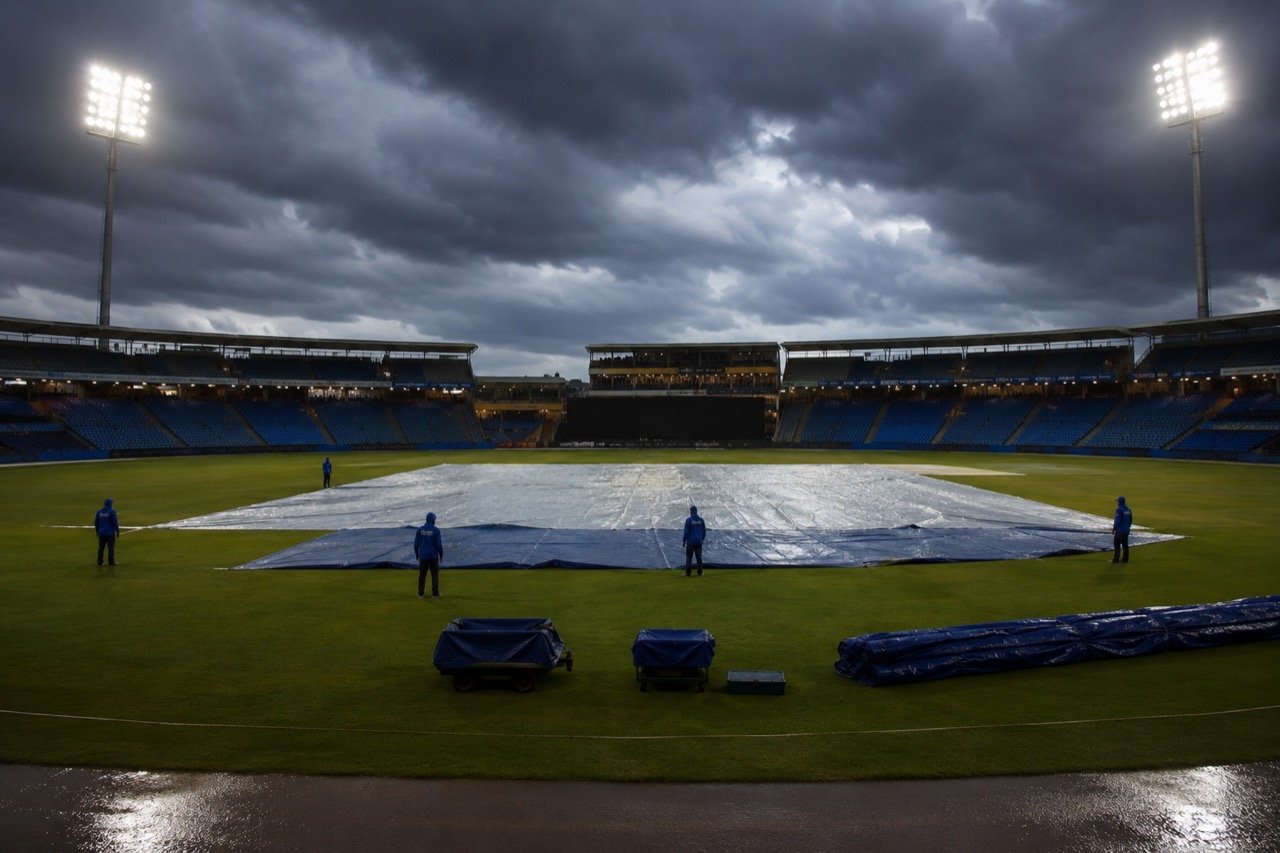
Rain Threat Looms Over India vs England 2nd T20I Match Day
Fans tracking the second India-England T20I are watching the skies as much as the pitch, with rain forecasts, streaming details and playing XI questions shaping expectations before the first ball.
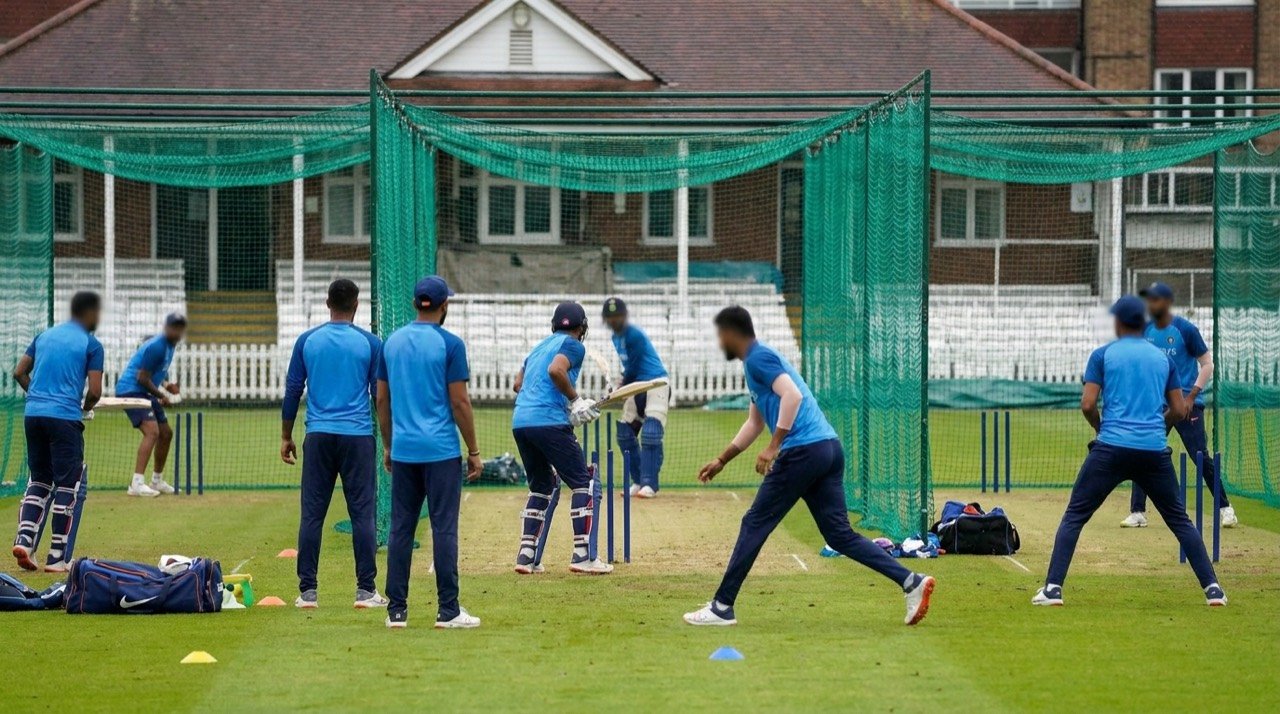
India Finalise T20I Squad for England Tour as Iyer Leads, Bumrah Rested and Shedge Earns Call-Up
India have locked in their Twenty20 squad for the five-match England tour starting 1 July, with Shreyas Iyer captaining, Jasprit Bumrah rested and Suryansh Shedge a surprise injury replacement.

Gavaskar Urges BCCI to Create One-Month Rest Window for India Players
Former India captain Sunil Gavaskar has called for a planned one-month rest window for Indian cricketers and stronger protection of the India cap, reigniting the debate over workload in a crowded calendar.
More from this section
More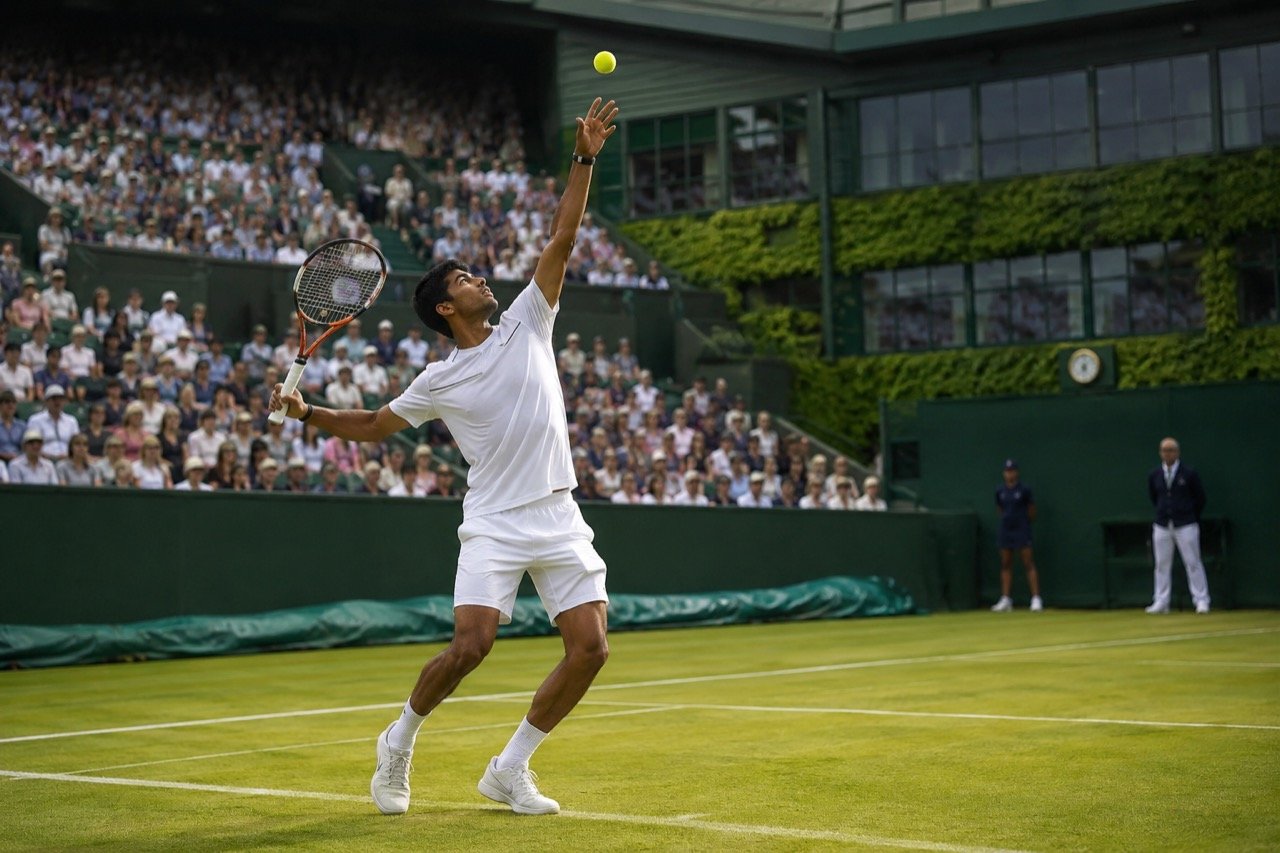
Arnav Paparkar Advances at Wimbledon Boys' Singles in Boost for India
Indian junior Arnav Paparkar has moved into the second round of the Wimbledon boys' singles with a commanding serving display, handing Indian tennis a rare and encouraging grass-court result at the sport's biggest stage.

Axar Patel Becomes First Indian Spinner With 100 T20I Wickets
Axar Patel reached 100 T20 international wickets in the second T20I against England, becoming the first Indian spinner to hit the mark and cementing his standing as one of India's most durable white-ball performers.
BCCI Emerging Men's Tournament to Hunt Test Prospects in Bengaluru
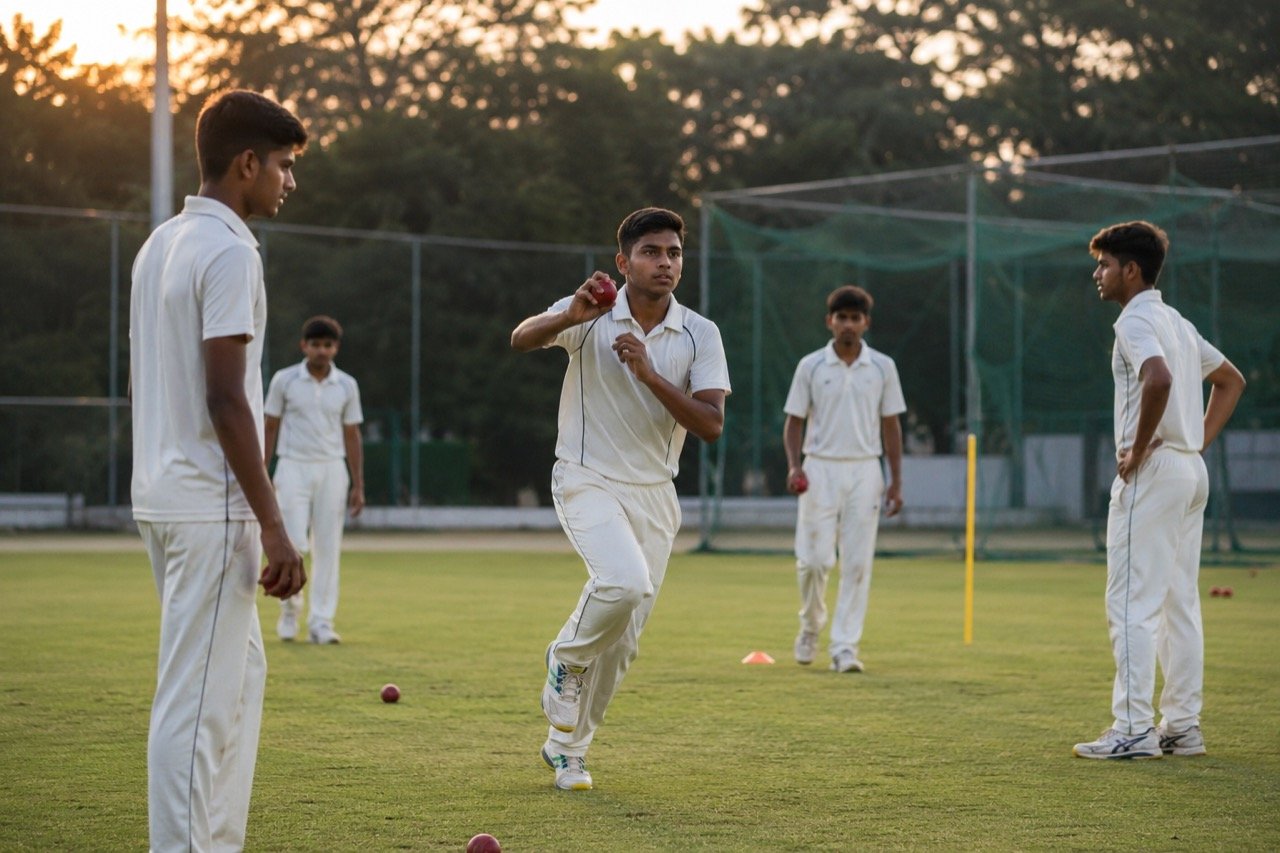
The BCCI's red-ball Emerging Men's Tournament, running at the Centre of Excellence in Bengaluru through July, is designed to give selectors a longer, harder look at India's next generation of Test cricketers.