Army Denies Fresh Chinese Encroachment Claims in Arunachal
The Indian Army has dismissed reports of new Chinese encroachment in Arunachal Pradesh, an official clarification that carries weight in one of the most closely watched sectors of the India-China boundary.
Commentary & Analysis ·
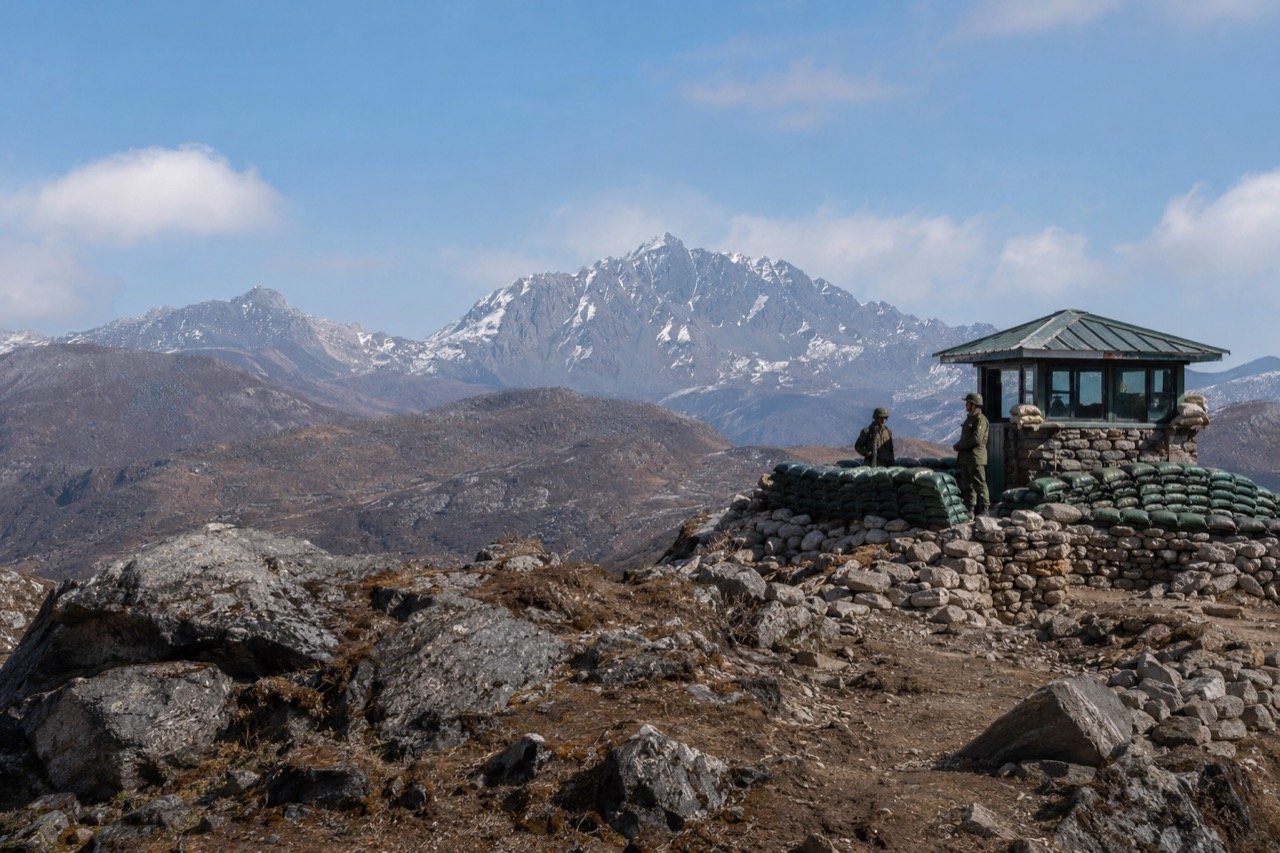
The Indian Army has rejected reports claiming fresh Chinese encroachment in Arunachal Pradesh, terming them incorrect, according to current public updates. The clarification matters because border reporting in the eastern sector is scrutinised intensely by citizens, policymakers and international observers alike. Arunachal Pradesh sits at the heart of a sensitive and long-running India-China boundary dispute. Any claim of new encroachment can escalate rapidly into a national security story, shaping political debate and public perception well before facts are settled on the ground.
Why the official line matters
The Army's statement establishes its position clearly: the reported development does not reflect a new ground situation. In a sector where terrain is remote, altitude is punishing and information is often fragmentary, official clarification is one of the few anchors available to separate verified fact from interpretation. Satellite imagery and local claims can be read very differently by different actors, and this is precisely why responsible coverage must distinguish between initial reports, the official response, and independently confirmed facts. Conflating these three categories, even unintentionally, is how rumour hardens into accepted narrative. The Army's denial does not diminish the case for continued vigilance along the frontier — rather, it sets the current baseline against which any future developments should be judged and measured.
How border claims take on a life of their own
It is worth pausing on why a report of this kind travels as fast as it does. Arunachal Pradesh has, for decades, occupied an outsised place in the India-China relationship, disproportionate even to its geographic size, because it is one of the few frontiers where the boundary itself remains unsettled and contested. In such an environment, any unverified claim of encroachment finds an audience primed to believe the worst, because the underlying dispute is real even when a specific incident report is not. Add to this the difficulty of independently verifying activity in remote, high-altitude terrain, where access is restricted and confirmation often depends on satellite passes, patrol reports or local testimony that may itself be second-hand. The result is an information environment in which a claim can spread widely long before anyone with authoritative access has had the chance to confirm or deny it.
The larger border question
Beyond this particular episode, the enduring issue remains India's need for continued investment in border infrastructure, communications and confidence-building measures in sensitive frontier areas. Roads, connectivity and local administrative presence are as central to border management as troop deployments themselves. A frontier that is well-connected, well-administered and well-populated by its own residents is inherently harder to misrepresent or contest, because there are more eyes on the ground and more channels through which accurate information can flow quickly. Conversely, in sectors where infrastructure lags, the vacuum left by poor connectivity is often filled by speculation, rumour and reports that cannot be swiftly checked against reality. This is not a new observation, but incidents like this one serve as a reminder that the softer instruments of border management — roads, telecommunications, civilian administration — are not peripheral to security policy. They are, in a very real sense, part of it.
Stakeholders and their different vantage points
It is useful to consider how differently this episode will register with various audiences. For policymakers in Delhi, a swift official denial is a tool to prevent an unverified report from being weaponised in domestic political debate or exploited in diplomatic exchanges with Beijing. For residents of Arunachal Pradesh and the wider Northeast, however, the calculus is more immediate and personal: these are the communities who live closest to the contested frontier, and for them border stability is not an abstraction but a lived condition that shapes daily life, local economies and a sense of security. For international observers and regional analysts, the episode is one more data point in a long pattern of claim and counter-claim that characterises the India-China boundary question, and it will likely be filed alongside similar episodes rather than treated in isolation. Each of these audiences needs slightly different information, delivered with different degrees of urgency, but all of them are best served by the same underlying discipline: distinguishing claim from confirmation.
What to watch next
Readers should watch for whether independent reporting, credible defence correspondents or subsequent official briefings offer any additional detail that either supports or further undercuts the original claim. It is also worth watching whether this episode prompts any renewed public discussion of border infrastructure spending or confidence-building measures, given how directly those investments bear on the frequency and credibility of such reports going forward. Finally, the broader pattern matters: isolated incidents of this kind should be read cumulatively over time, since a single denial tells us relatively little, but a consistent pattern of quick, credible official responses — or the absence of one — says a great deal about how transparently the eastern sector is being managed and communicated to the public.
The NE Times View
Border claims travel faster than border facts, and that asymmetry is itself a strategic vulnerability. The Army was right to respond quickly, because in the information space, silence is often read as confirmation. But one denial cannot substitute for a steady rhythm of transparent official communication about the eastern sector, which would leave less oxygen for speculation in the first place. A more predictable cadence of briefings, even when there is little new to report, would do more to inoculate the public discourse against unverified claims than any single rebuttal issued after the fact. For readers in the Northeast especially, the lesson is to weigh dramatic border headlines against verifiable statements and credible defence reporting. Vigilance and calm are not opposites; on the India-China frontier, they must travel together, and the public conversation is healthiest when it reflects that balance rather than swinging between alarm and complacency.
Key takeaways
- The Indian Army has rejected reports of fresh Chinese encroachment in Arunachal Pradesh, calling them incorrect, and this denial now forms the baseline against which future claims should be judged.
- Arunachal Pradesh's position within the unsettled India-China boundary dispute means unverified reports there spread quickly and demand careful separation of initial claims, official response and confirmed fact.
- Continued investment in border infrastructure, communications and confidence-building measures remains as important to border management as troop presence itself.
- Different stakeholders — policymakers, Northeast residents and international observers — read such episodes through different lenses, but all benefit from clear, timely official communication.
- Readers should judge single incidents cautiously and instead watch for patterns of transparent, credible official engagement with border reporting over time.
You may also like to read

Gen Seth Set to Take Charge as Indian Army Chief: What It Means
General Seth is poised to assume command of the Indian Army at a moment defined by modernisation drives, jointness reforms, active border sensitivities and a push for faster technology induction.
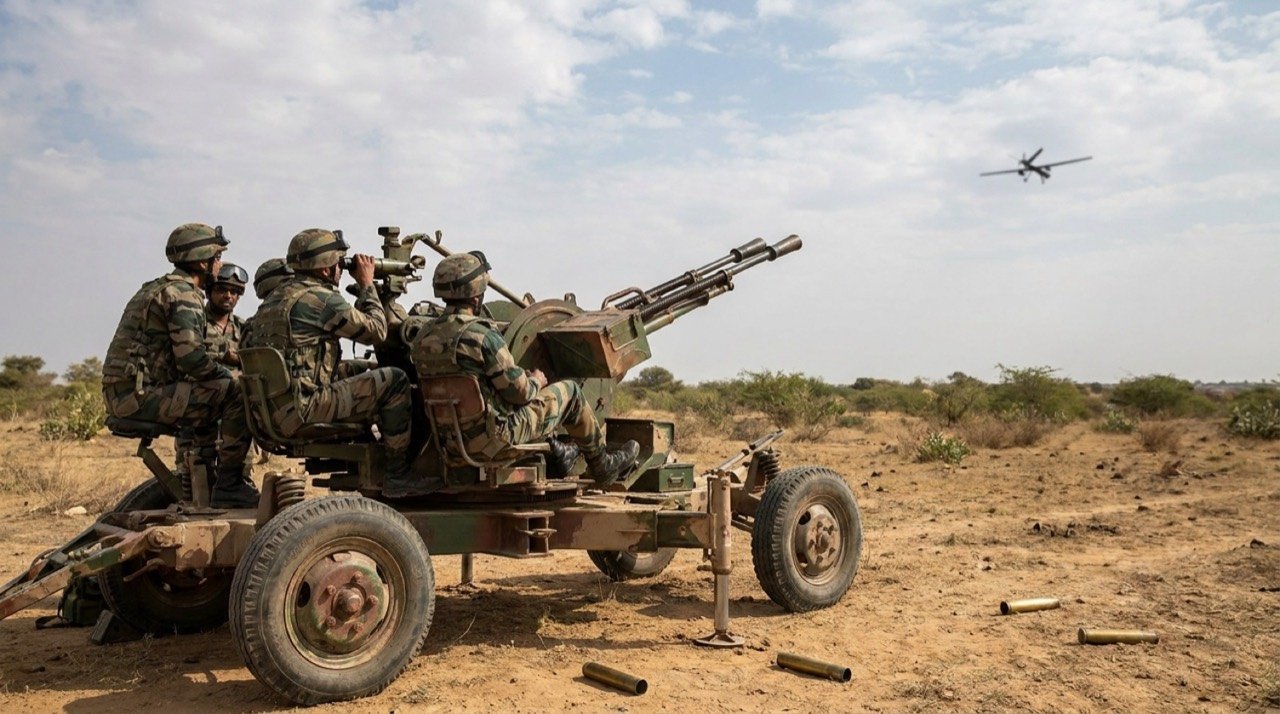
Army Air Defence Training Upgrade Targets Drone and Missile Threats
The Indian Army is acquiring new target systems that simulate drone swarms, helicopters and missile-like threats, sharpening air-defence training for an era of unmanned and smart weapons.
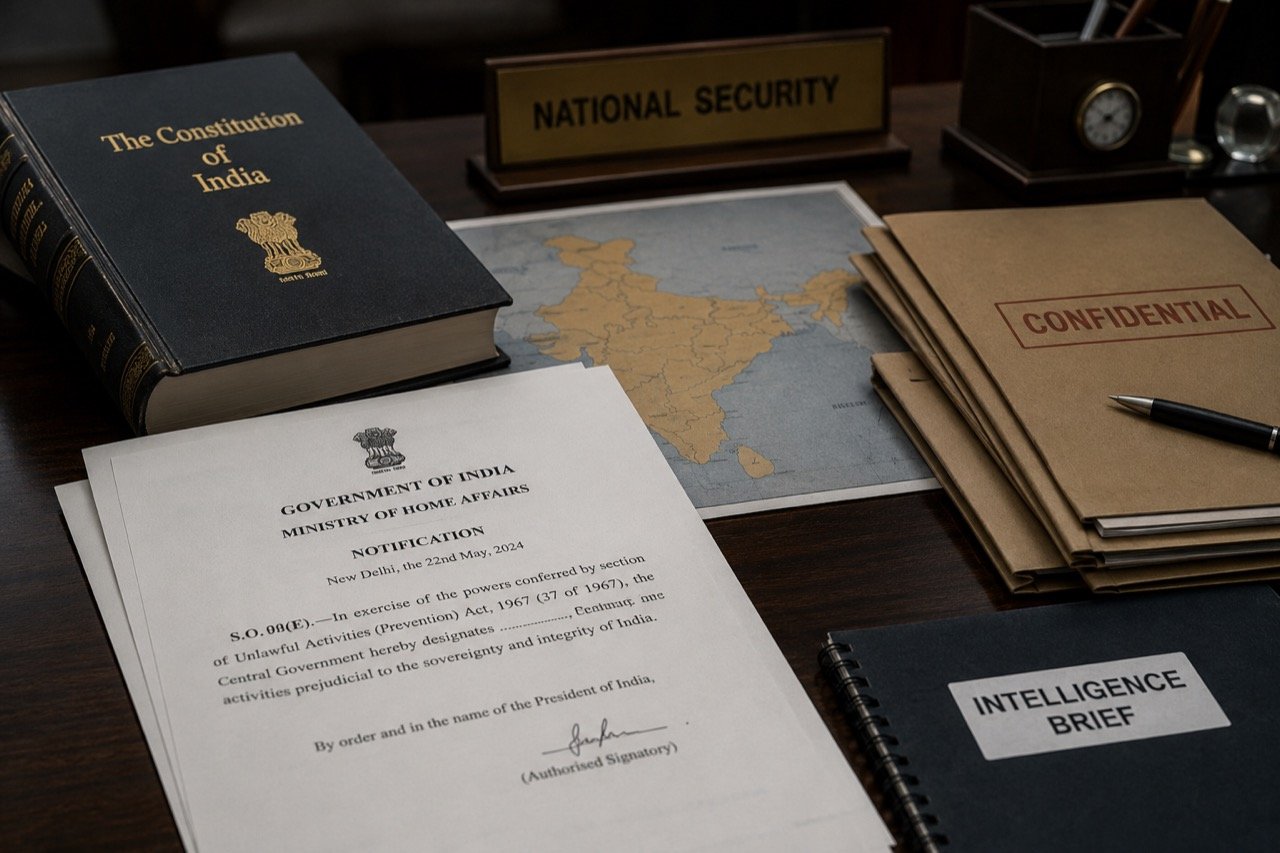
UAPA Designations: What the Latest Security Notification Means
A fresh round of designations under the Unlawful Activities (Prevention) Act has put the spotlight on how India's national-security notifications are issued, what they trigger, and the checks that follow.
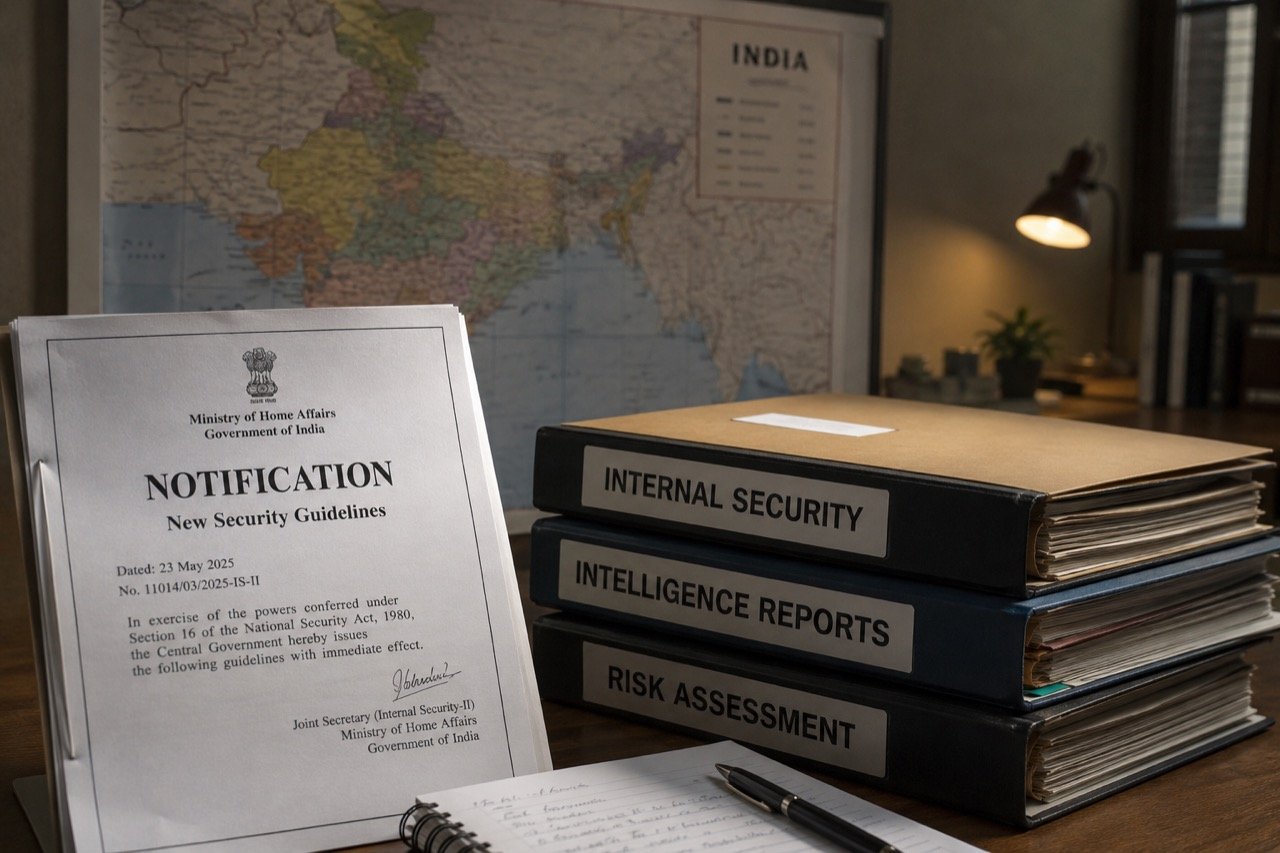
Centre Names 23 More Designated Terrorists, Taking List to 80
The Union government has designated 23 more individuals as terrorists, expanding India's official list to 80 names, with several reportedly linked to attacks and cases connected to Jammu and Kashmir.
More from this section
More
AICTE Industry Fellowship 2026: Rs 1.5 Lakh Scheme Closes July 5
The AICTE Industry Fellowship Programme 2026, which places technical-education faculty inside leading companies on a Rs 1.5 lakh monthly stipend, reached its application deadline on July 5.
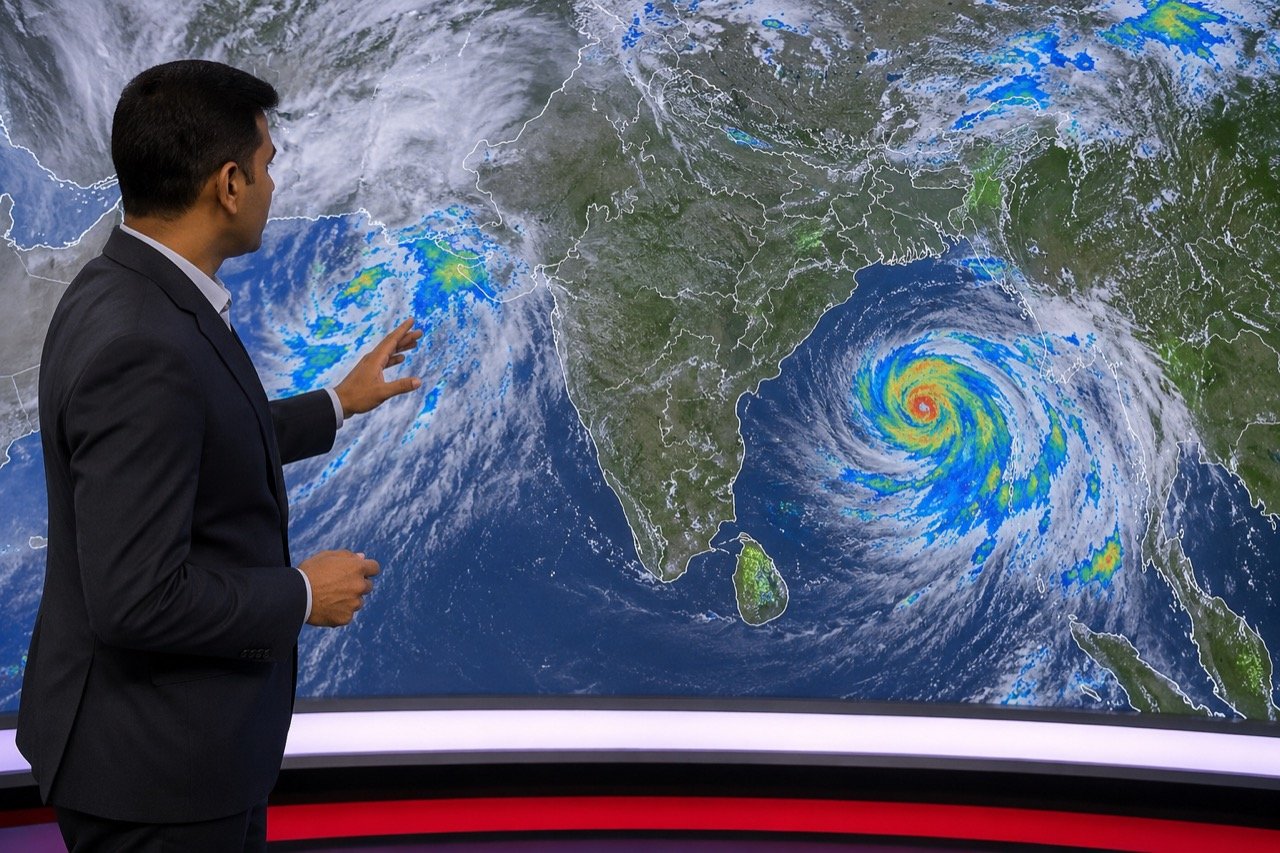
Bay of Bengal Low Pressure System Revives Monsoon Over Western India
A low-pressure system over the Bay of Bengal has pushed the monsoon back into an active phase, bringing steady heavy rain to Kerala, coastal Karnataka and Maharashtra, and putting Mumbai and Pune on preparedness watch.
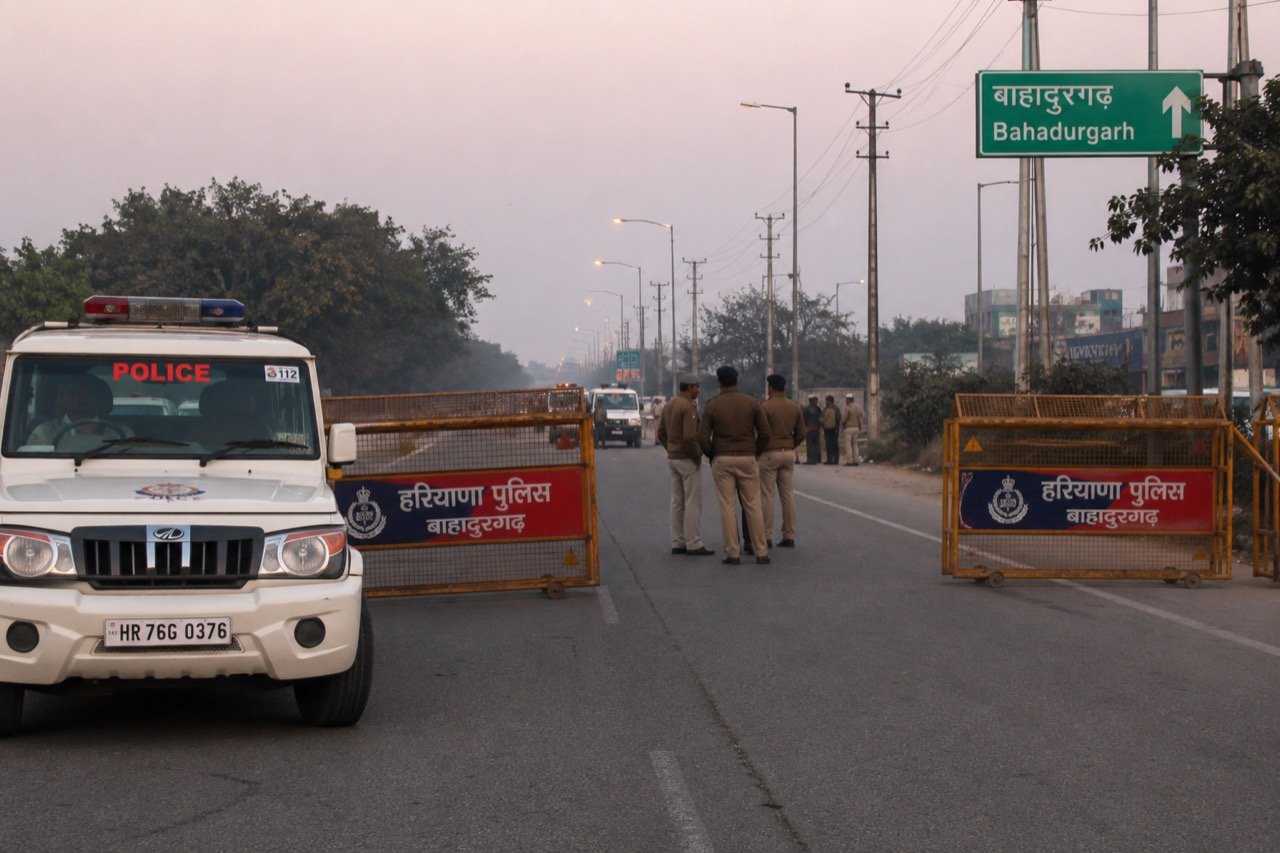
Bishnoi Gang Suspects Injured in Haryana Encounter as Police Tighten Net
A joint Haryana-Delhi Police operation in Bahadurgarh left two suspected Lawrence Bishnoi gang members injured, spotlighting the multi-state coordination now central to India's fight against organised crime networks.