Gen Seth Set to Take Charge as Indian Army Chief: What It Means
General Seth is poised to assume command of the Indian Army at a moment defined by modernisation drives, jointness reforms, active border sensitivities and a push for faster technology induction.
Commentary & Analysis ·
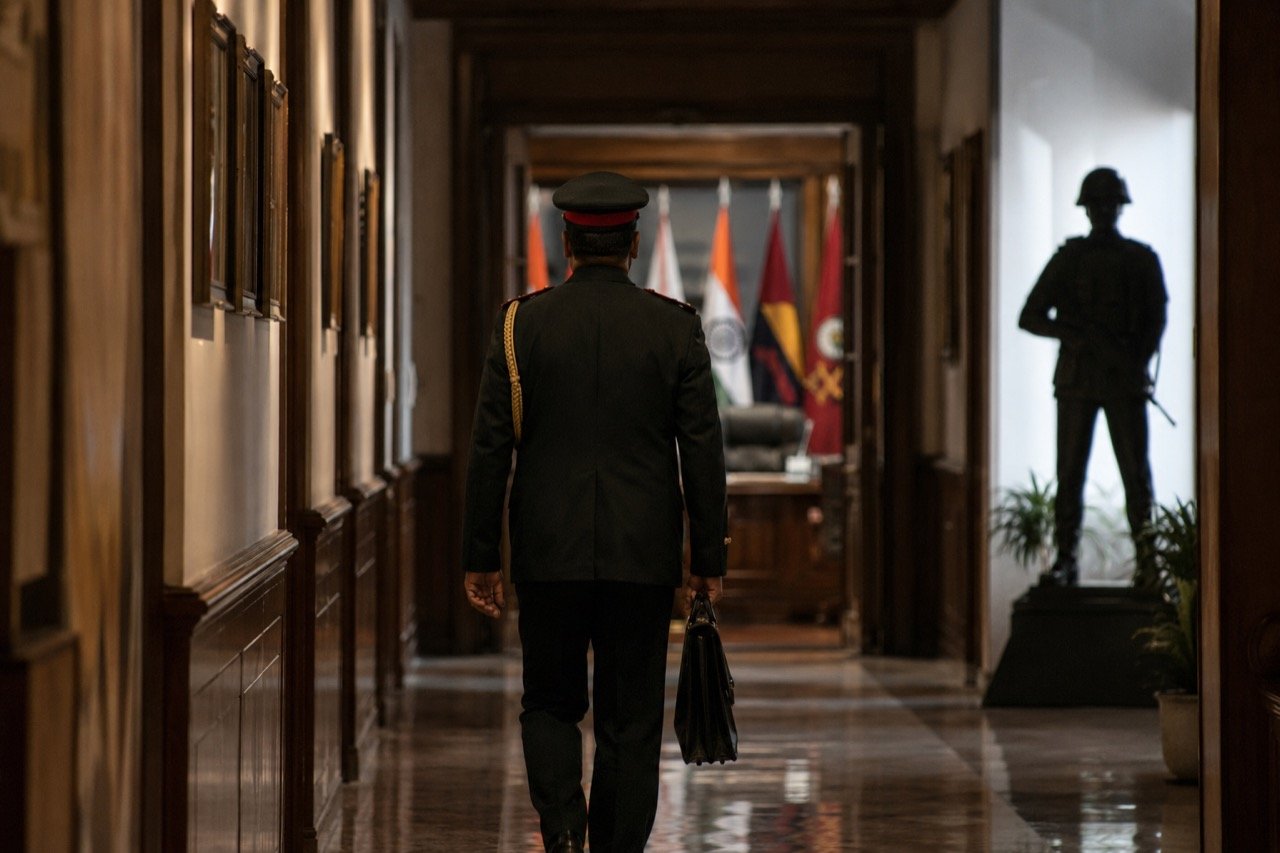
General Seth is set to assume charge as Chief of the Army Staff, according to the latest public reporting. On the surface, this is a routine institutional event: militaries the world over rotate their most senior commanders on a predictable cycle, and India's Army is no exception. Yet the timing of this particular transition places it squarely at the intersection of several long-running pressures that together make it more consequential than a simple change of guard. The Indian Army is simultaneously managing modernisation programmes, border readiness, jointness reforms and rapidly evolving technology requirements, and whoever sits in the chief's chair inherits all of these threads at once, with little scope to address them one at a time.
Why the top job matters beyond the ceremony
The Chief of the Army Staff occupies a role that is unusually broad even by the standards of senior military leadership. It spans both the operational and the organisational: maintaining readiness across diverse theatres, setting modernisation priorities, safeguarding personnel welfare and coordinating with the wider defence establishment. Few other positions require an officer to move fluidly between the granular demands of field formations and the abstract, long-horizon work of procurement planning and doctrinal reform. It is this dual character of the job that makes leadership transitions at the top of the Army significant institutional events rather than merely ceremonial ones. A new chief does not simply inherit a title; he inherits a set of institutional habits, ongoing reviews and half-finished reforms that must be carried forward, adjusted or, in some cases, accelerated.
For an organisation of the Army's size and geographic spread, the character of the person at the top inevitably shapes tempo. Priorities that receive sustained attention from the chief's office tend to move; those that do not can stall regardless of how sound they are on paper. That is part of why public and institutional attention converges so quickly on any change of command, even when, as here, the announcement itself is procedural.
A demanding inheritance
The position carries added weight in India's case because of active border sensitivities, particularly along the northern frontiers, and the national push for indigenous defence capability under self-reliance initiatives. These are not abstract policy goals; they translate into daily operational requirements for force posture, logistics and readiness along some of the most difficult terrain any army has to defend. The new chief will be expected to keep field formations prepared while steering long-term structural change, a balancing act that is easier to state as an objective than to execute in practice. Readiness cannot be paused while reform is under way, and reform cannot be indefinitely deferred in the name of readiness. Any incoming chief must therefore hold both imperatives in view simultaneously, which is precisely what makes the position so demanding.
This is not a new tension, but it is one that has intensified in recent years as the pace of change in military technology has quickened. An army that is fully engaged along its frontiers has less institutional bandwidth to devote to reimagining how it fights, even as the character of warfare itself shifts around it. The officer taking charge now does so at a moment when that gap between operational commitment and structural adaptation is arguably wider than it has been in some time.
The procurement and technology backdrop
The timing also matters for reasons beyond the border. Defence procurement and research frameworks are themselves under review, meaning the incoming leadership will operate in an environment where faster induction of drones, communications systems, surveillance tools and logistics upgrades is central to preparedness. This is a critical detail, because it means the new chief is not simply administering an existing system but stepping into an institution that is actively rethinking how it acquires and fields new capability. Procurement reform of this kind rarely proceeds smoothly or quickly; it involves multiple stakeholders, competing priorities and long lead times between decision and delivery.
For field commanders, the practical consequence of slow procurement cycles is a widening mismatch between what is available on paper and what is usable on the ground. Modern battlefields increasingly reward the side that can integrate drones, real-time surveillance and resilient communications fastest, and any delay in translating procurement decisions into fielded equipment has direct operational consequences. The new chief's ability to press this process forward, without compromising the due diligence that large defence acquisitions require, will be one of the less visible but more consequential aspects of the tenure ahead.
Continuity first
Public attention around such appointments tends to focus on the officer's background, previous commands and strategic outlook, and this case is unlikely to be an exception. Institutionally, however, the immediate priority is continuity: large military organisations depend on stable command transitions, clear planning cycles and tight coordination between service headquarters and formations in the field. A change at the top is, by design, meant to be absorbed by the institution with minimal disruption to ongoing operations. That is one of the underappreciated strengths of a well-functioning military bureaucracy: the system is built to keep functioning smoothly through changes in personnel, provided the transition itself is handled with the discipline the Army has historically brought to such moments.
This emphasis on continuity should not be mistaken for an argument against change. Rather, it reflects the reality that an institution as large and dispersed as the Indian Army cannot afford abrupt shifts in direction every time its senior leadership changes. The task for General Seth, as for any incoming chief, is to work within that framework of continuity while still finding room to push the specific reforms that the moment demands.
The NE Times View
The measure of an Army chief's tenure is rarely the ceremony at its start but the quiet choices made across it. General Seth inherits an Army caught between two clocks — the slow grind of procurement and reform, and the fast tempo of technological change on modern battlefields. His most consequential task may be compressing the gap between the two, pushing drones, surveillance and communications upgrades into field formations at speed. For India's readers, the appointment matters less as personnel news and more as a signal of whether modernisation momentum will be sustained. Stability at the top, paired with urgency below it, is the combination the moment demands.
What will ultimately distinguish this tenure is not the rhetoric that accompanies the change of command but the pace at which institutional intent converts into fielded capability. Readers should watch not for announcements of new priorities, which are easy to make, but for evidence that existing priorities are being executed faster than before. That is the quieter, harder story that will unfold over the coming months and years, well after the attention generated by this appointment has faded.
Key takeaways
- General Seth is set to take charge as Chief of the Army Staff at a moment when the Indian Army is managing modernisation, border readiness, jointness reforms and fast-evolving technology needs simultaneously.
- The chief's role uniquely spans operational readiness and long-term organisational reform, making leadership transitions at this level institutionally significant rather than merely ceremonial.
- Active border sensitivities along the northern frontiers and the push for indigenous defence capability under self-reliance initiatives add weight to the incoming chief's responsibilities.
- Ongoing reviews of defence procurement and research frameworks mean faster induction of drones, communications systems, surveillance tools and logistics upgrades will be central to the new tenure.
- Institutional continuity remains the immediate priority, with the appointment's real significance lying in whether modernisation momentum is sustained rather than in personnel details alone.
You may also like to read
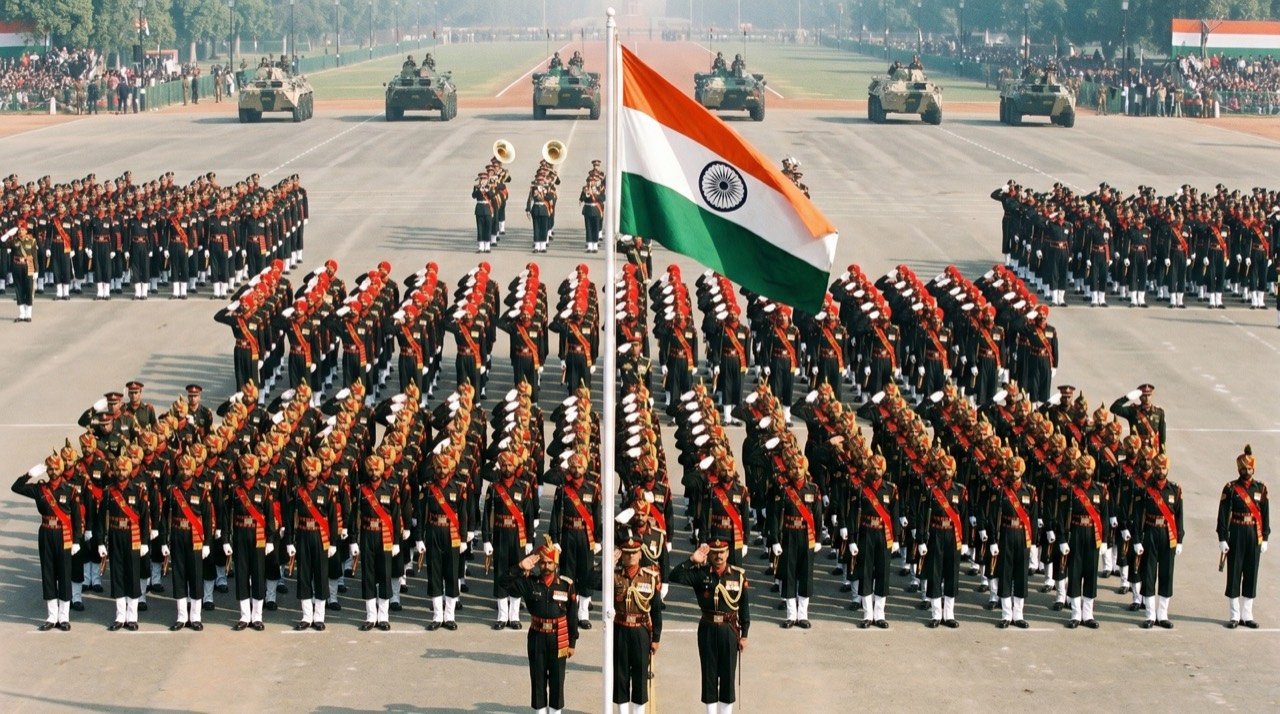
Lt Gen Dhiraj Seth Named Next Army Chief, To Take Charge June 30
The government has appointed Lieutenant General Dhiraj Seth, currently Vice Chief of the Army Staff, as the next Chief of the Army Staff. He will assume office on June 30.
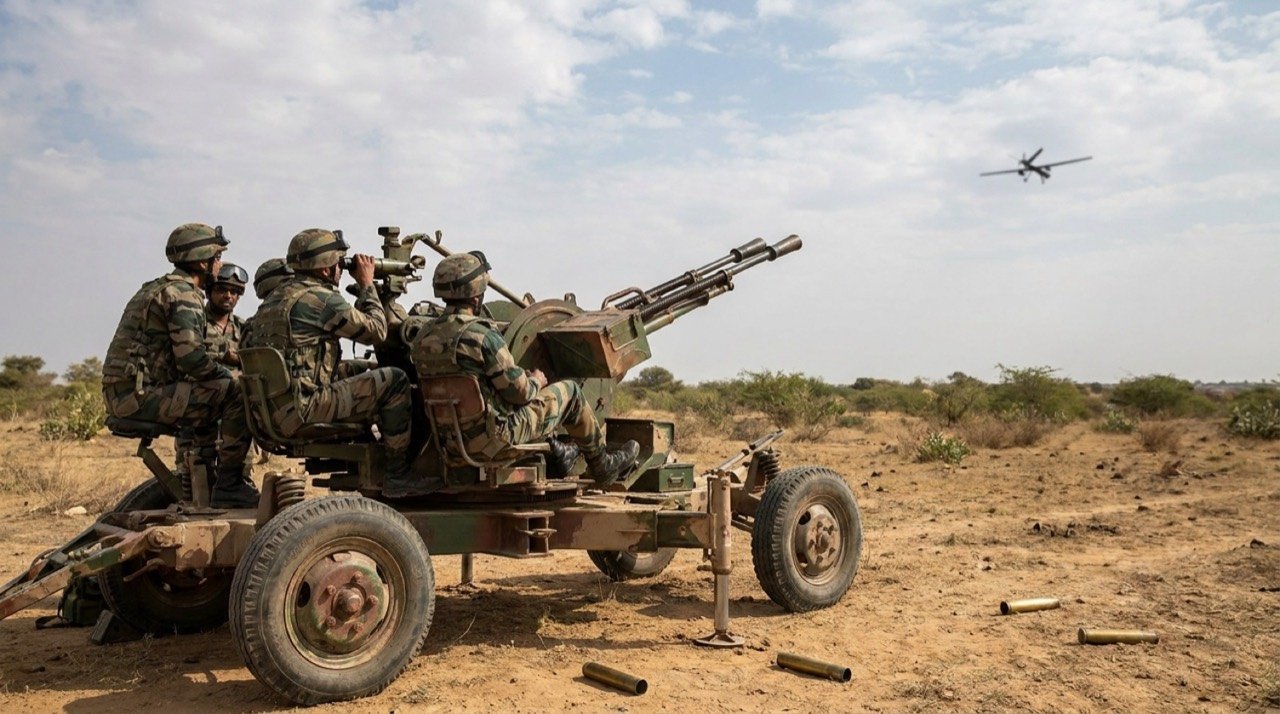
Army Air Defence Training Upgrade Targets Drone and Missile Threats
The Indian Army is acquiring new target systems that simulate drone swarms, helicopters and missile-like threats, sharpening air-defence training for an era of unmanned and smart weapons.
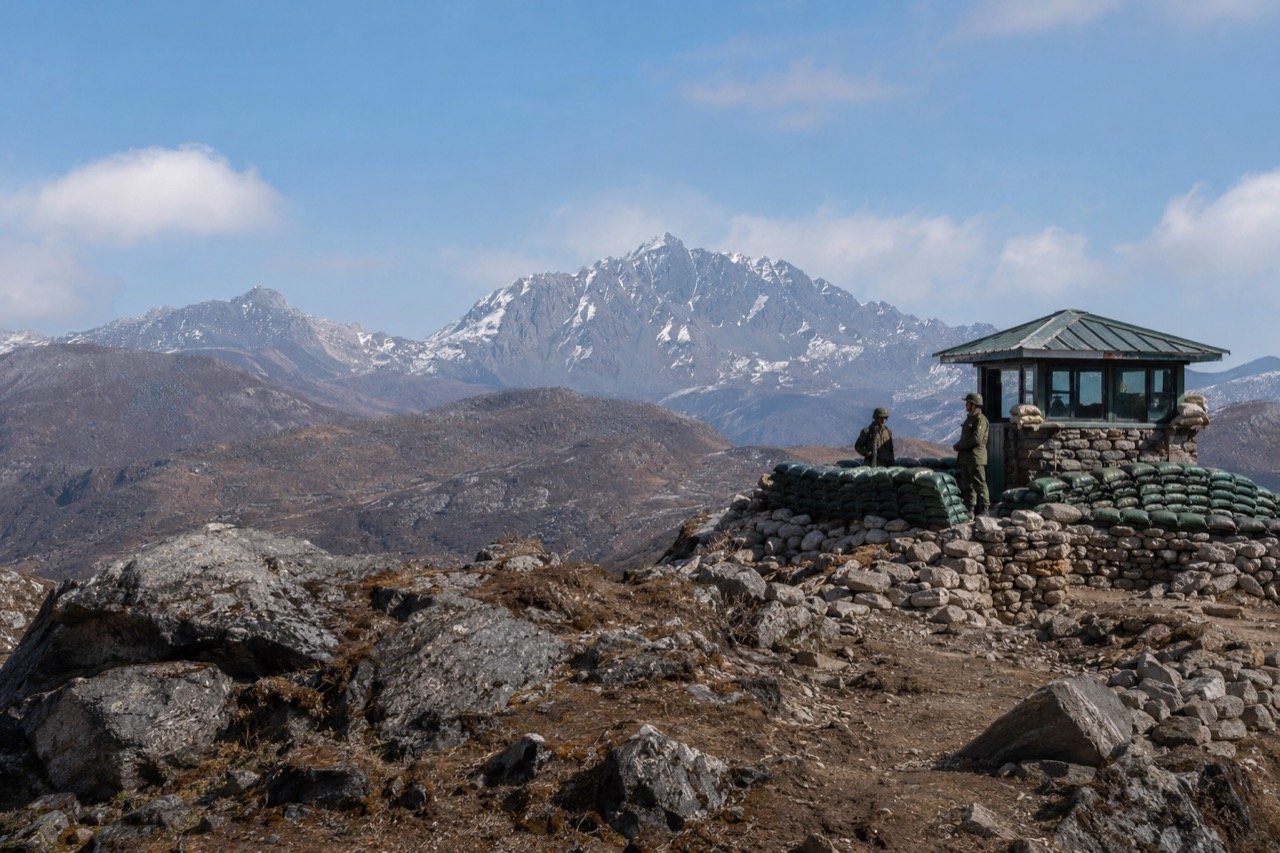
Army Denies Fresh Chinese Encroachment Claims in Arunachal
The Indian Army has dismissed reports of new Chinese encroachment in Arunachal Pradesh, an official clarification that carries weight in one of the most closely watched sectors of the India-China boundary.
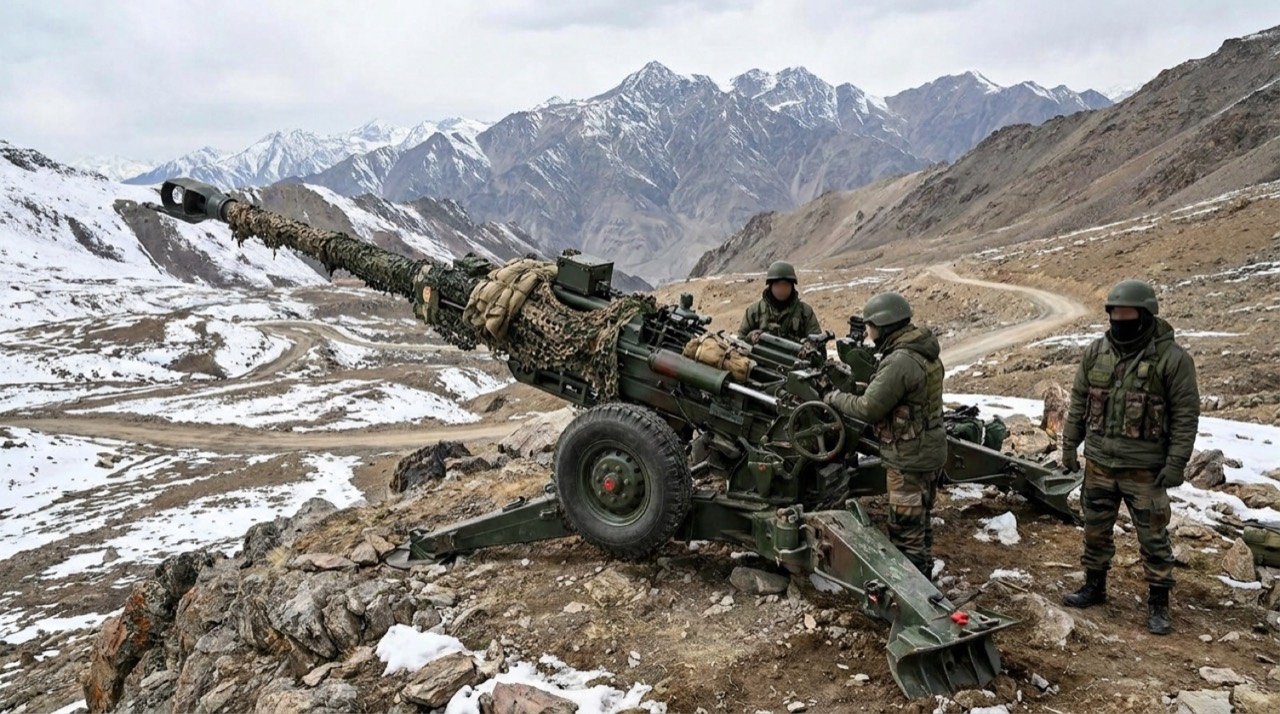
US Set to Conclude $230 Million M777 Howitzer Support Package for India
Washington is finalising a proposed $230 million sustainment package for India's M777A2 ultra-light howitzers, deepening defence ties through maintenance, spare parts and long-term operational readiness.
More from this section
More
AICTE Industry Fellowship 2026: Rs 1.5 Lakh Scheme Closes July 5
The AICTE Industry Fellowship Programme 2026, which places technical-education faculty inside leading companies on a Rs 1.5 lakh monthly stipend, reached its application deadline on July 5.
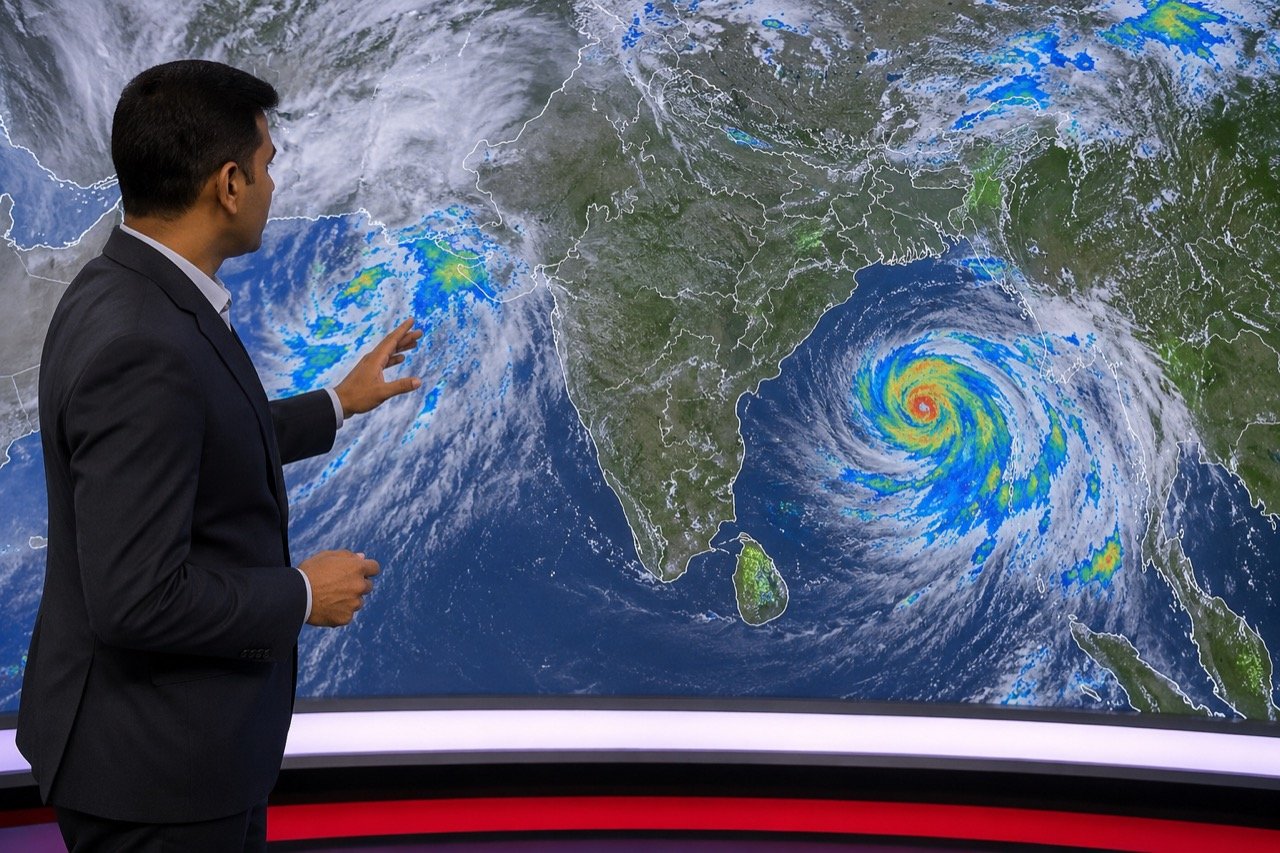
Bay of Bengal Low Pressure System Revives Monsoon Over Western India
A low-pressure system over the Bay of Bengal has pushed the monsoon back into an active phase, bringing steady heavy rain to Kerala, coastal Karnataka and Maharashtra, and putting Mumbai and Pune on preparedness watch.
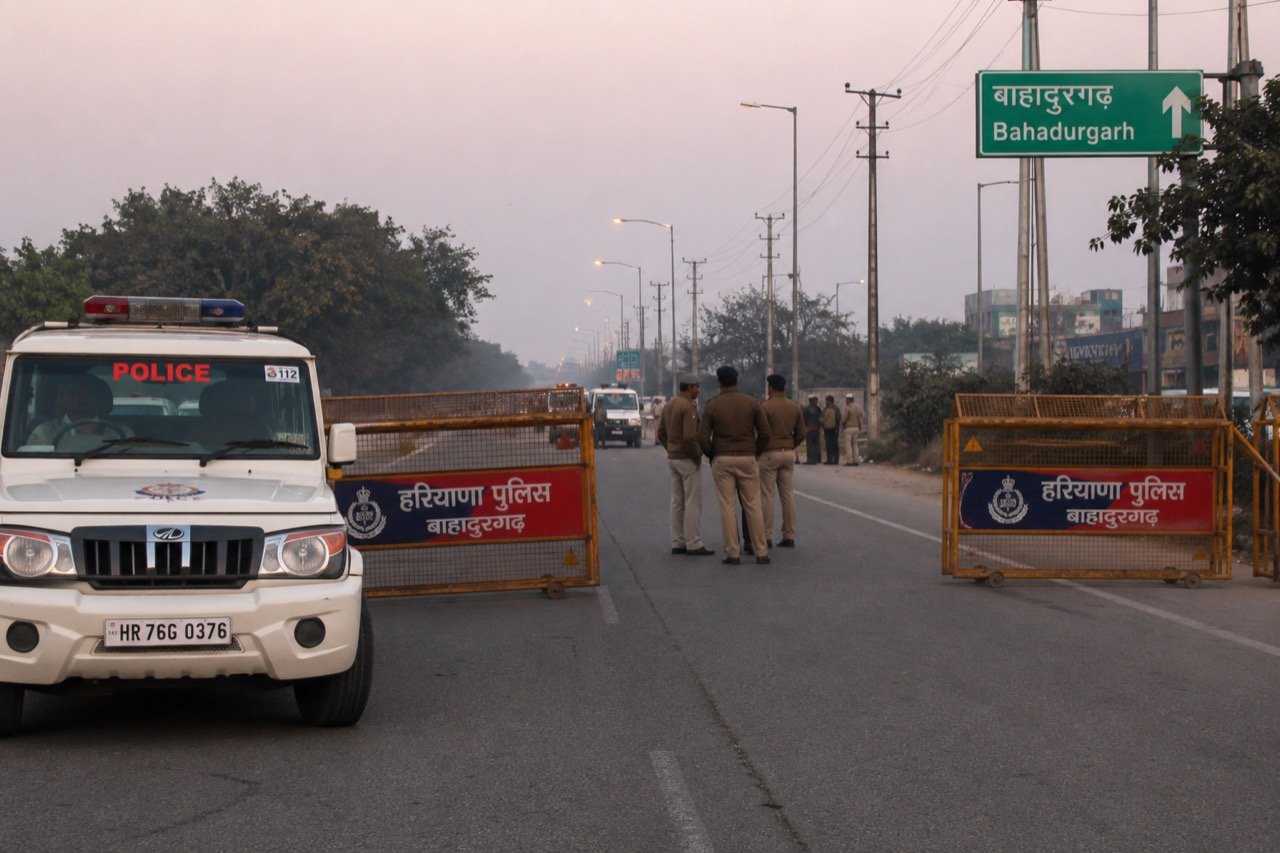
Bishnoi Gang Suspects Injured in Haryana Encounter as Police Tighten Net
A joint Haryana-Delhi Police operation in Bahadurgarh left two suspected Lawrence Bishnoi gang members injured, spotlighting the multi-state coordination now central to India's fight against organised crime networks.