US Set to Conclude $230 Million M777 Howitzer Support Package for India
Washington is finalising a proposed $230 million sustainment package for India's M777A2 ultra-light howitzers, deepening defence ties through maintenance, spare parts and long-term operational readiness.
Commentary & Analysis ·
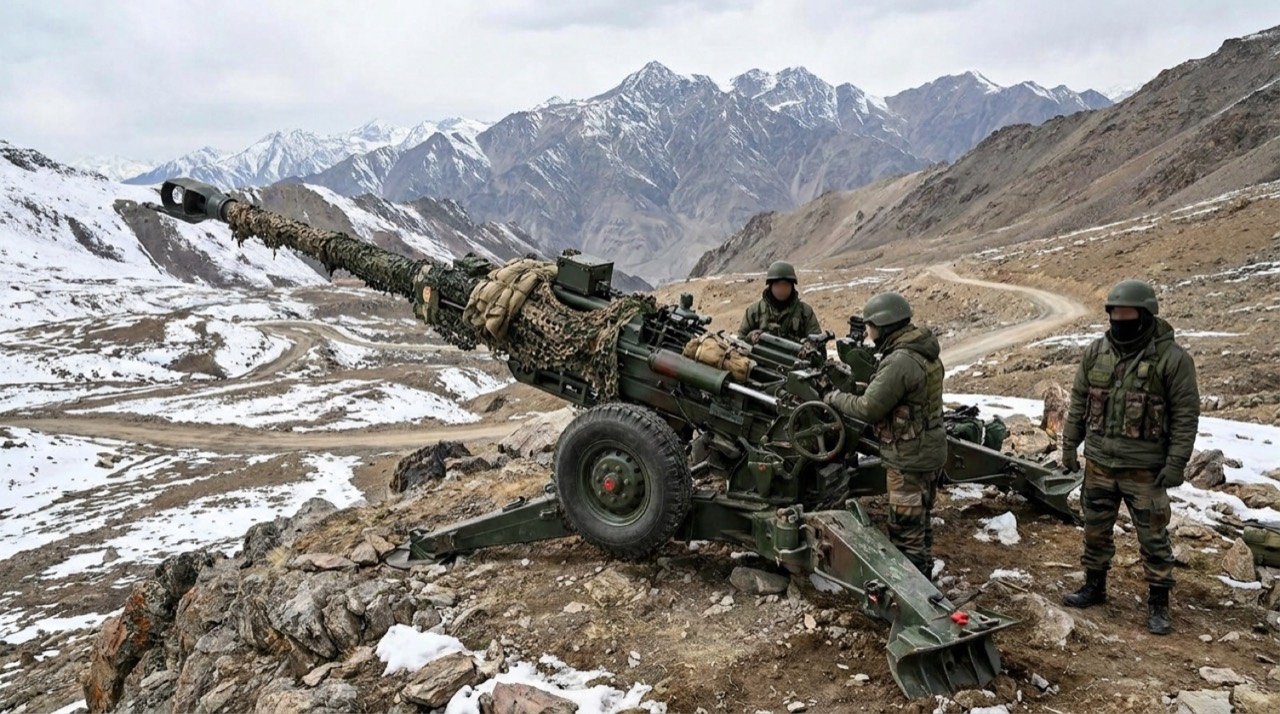
The United States is set to conclude a proposed $230 million sustainment package for India's M777A2 ultra-light howitzers, US Ambassador Sergio Gor has indicated. Unlike a headline-grabbing purchase of new platforms, the deal is built around the unglamorous but essential work of keeping artillery the Indian Army already fields battle-ready, and it adds another steady plank to the deepening defence relationship between New Delhi and Washington. That this is a support package rather than a fresh sale is precisely what makes it worth examining closely, since it reveals more about the texture of the India-US defence relationship than any single big-ticket acquisition would.
What the Package Covers
The proposed package is focused on maintenance and support for artillery systems already in Indian service. Rather than supplying additional guns, it is designed to ensure that the existing fleet of M777A2 howitzers remains operationally effective over its service life. Sustainment arrangements of this kind typically cover spare parts, technical support and the supply chain needed to keep complex weapons functioning. For a frontline artillery system, that reliability is what translates a one-time acquisition into a durable capability.
It is worth remembering that the M777A2 entered Indian service as a marquee acquisition in its own right, prized for its light weight and its suitability for deployment in mountainous and high-altitude terrain where heavier towed or self-propelled guns cannot easily be moved. A gun that can be broken down and transported by helicopter to forward positions is only as valuable as the logistics chain that keeps it firing once it is there. This package, in effect, is the second half of that original acquisition story: the part that ensures the investment continues to pay off years after the guns themselves rolled off the production line.
Why Sustainment Matters
Sustainment deals are less dramatic than fresh weapons purchases, but defence planners regard them as indispensable. A modern artillery piece is only as useful as the maintenance, spares and trained support that keep it firing, particularly along demanding high-altitude frontiers where the M777's light weight makes it valuable. By locking in long-term support, the package helps insulate the Indian Army against the disruptions that can ground sophisticated equipment when components wear out or supply chains falter.
This matters more than it might first appear. Complex weapons systems built around imported components are vulnerable to a particular kind of quiet failure: not battlefield defeat, but slow attrition through unavailable spares, deferred maintenance and ageing subsystems that cannot be replaced quickly. An artillery unit with guns sitting idle for want of a part is, for practical purposes, an artillery unit without guns. A sustainment package of this scale is an attempt to close off that risk well in advance, rather than scrambling to address it when a crisis is already unfolding. For a force that operates along contested and logistically difficult borders, that kind of foresight has an operational value that is easy to overlook next to the more visible drama of a new platform purchase.
A Steady Defence Partnership
The development fits a broader pattern of incremental cooperation between the two countries, where regular, lower-profile agreements have become a feature of the relationship alongside the occasional landmark deal. It would be a mistake to read the modest dollar figure, relative to some of the larger platform deals discussed in recent years, as a sign of diminished ambition. If anything, the opposite is true: sustainment and support agreements tend to follow only once a level of trust and institutional familiarity has already been established between the two militaries and their procurement bureaucracies. They are, in a sense, evidence of a relationship that has moved past the courtship phase.
Key details of the arrangement, as confirmed so far, include a proposed sustainment package valued at $230 million; a focus on the M777A2 ultra-light howitzers already in Indian service; a centring on maintenance, spare parts and operational readiness; confirmation of its near-conclusion by US Ambassador Sergio Gor; and its place as part of a steadily deepening India-US defence cooperation framework. As one assessment of the package has put it, sustainment deals are less dramatic than new weapons purchases, but they are essential for operational readiness and long-term capability.
If concluded as proposed, the package will reinforce a relationship that has increasingly moved beyond marquee acquisitions toward the routine machinery of interoperability and support. For the Indian Army, the practical payoff is straightforward: artillery that stays ready when it is needed most.
Reading the Wider Signal
Defence relationships between major powers are rarely built on a single transaction. They accrete, deal by deal, through exactly this kind of unglamorous paperwork: spares contracts, training arrangements, technical support agreements and sustainment packages that rarely make front-page news but which, cumulatively, determine whether two militaries can actually operate alongside one another when it counts. Seen in that light, this package is less a standalone story than a data point in a longer trend line of India-US defence engagement, one that has been visible in the steady cadence of announcements over recent years.
For Washington, packages of this kind serve a strategic purpose beyond the immediate commercial value. Sustainment agreements create durable touchpoints between the two countries' defence establishments, embedding American systems and support networks more deeply into Indian military logistics. That is a form of influence that persists long after any single administration has moved on, and it is one reason why sustainment deals, even at moderate dollar values, are treated as strategically meaningful in Washington rather than as routine commercial business.
The NE Times View
A $230 million sustainment package signals that US-India defence ties are maturing from headline sales into the unglamorous work of keeping equipment combat-ready. Sustainment, not acquisition, is where real interoperability is built. The strategic upside is clear given the realities along India's northern borders, where the M777's mobility in mountainous terrain has always been its chief selling point, and where the cost of an unready gun is measured not in rupees but in operational risk at moments of tension.
The caveat India should keep in view is dependence: long-term readiness tied to a single foreign supply chain is leverage, and self-reliance in maintenance must remain the parallel goal. New Delhi has, in recent years, pursued indigenous defence manufacturing with increasing urgency, and it would be consistent with that broader strategy to treat sustainment packages such as this one as a bridge rather than a permanent arrangement. The most prudent path is likely to run on two tracks simultaneously, drawing on American support to guarantee near-term readiness while continuing to build the domestic capacity, in spares production, technical training and supply chain resilience, that would reduce reliance on any single external partner over time.
Key takeaways
- The US is set to conclude a proposed $230 million sustainment package for India's existing fleet of M777A2 ultra-light howitzers, confirmed as nearing completion by US Ambassador Sergio Gor.
- The package covers maintenance, spare parts and the supply chain needed for operational readiness, not the purchase of additional guns.
- Sustainment agreements, while less visible than platform sales, are often what determines whether frontline equipment remains usable over its service life, particularly in demanding high-altitude terrain.
- The deal reflects a broader pattern in India-US defence ties, where routine, lower-profile agreements increasingly complement occasional landmark acquisitions.
- India's long-term interest lies in balancing the readiness benefits of this partnership against the strategic risk of depending on a single foreign supply chain, making parallel investment in self-reliant maintenance capacity an important priority.
You may also like to read
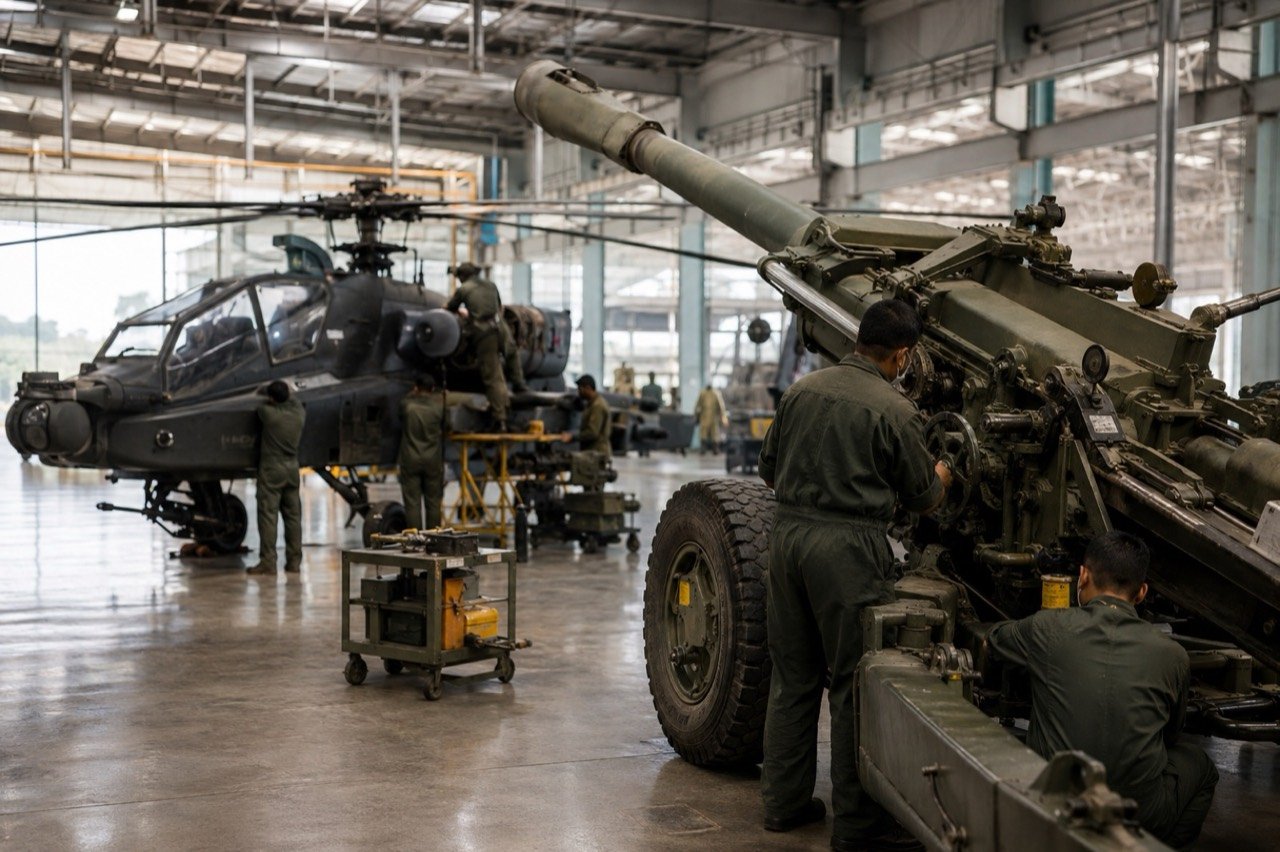
US Clears $482 Million Apache and M777 Sustainment Package for India
Washington has notified a roughly $482 million support package to keep India's Apache attack helicopters and M777 howitzers combat-ready, deepening defence ties through maintenance, spares and training rather than new weapons.
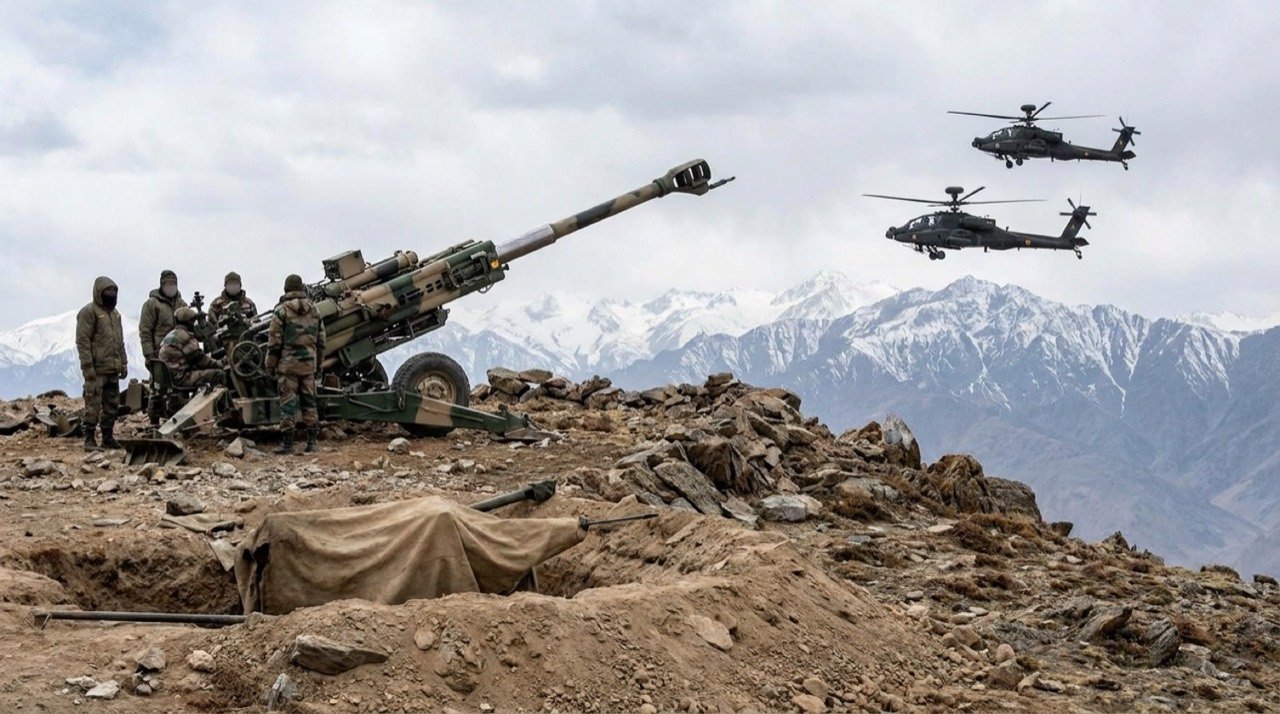
US Clears Support Package for India's Apache Helicopters and M777 Howitzers
A proposed US package covering spares, training and maintenance for India's Apache attack helicopters and M777A2 howitzers signals a sharper focus on long-term defence readiness over headline arms buys.
Gen Seth Set to Take Charge as Indian Army Chief: What It Means
General Seth is poised to assume command of the Indian Army at a moment defined by modernisation drives, jointness reforms, active border sensitivities and a push for faster technology induction.
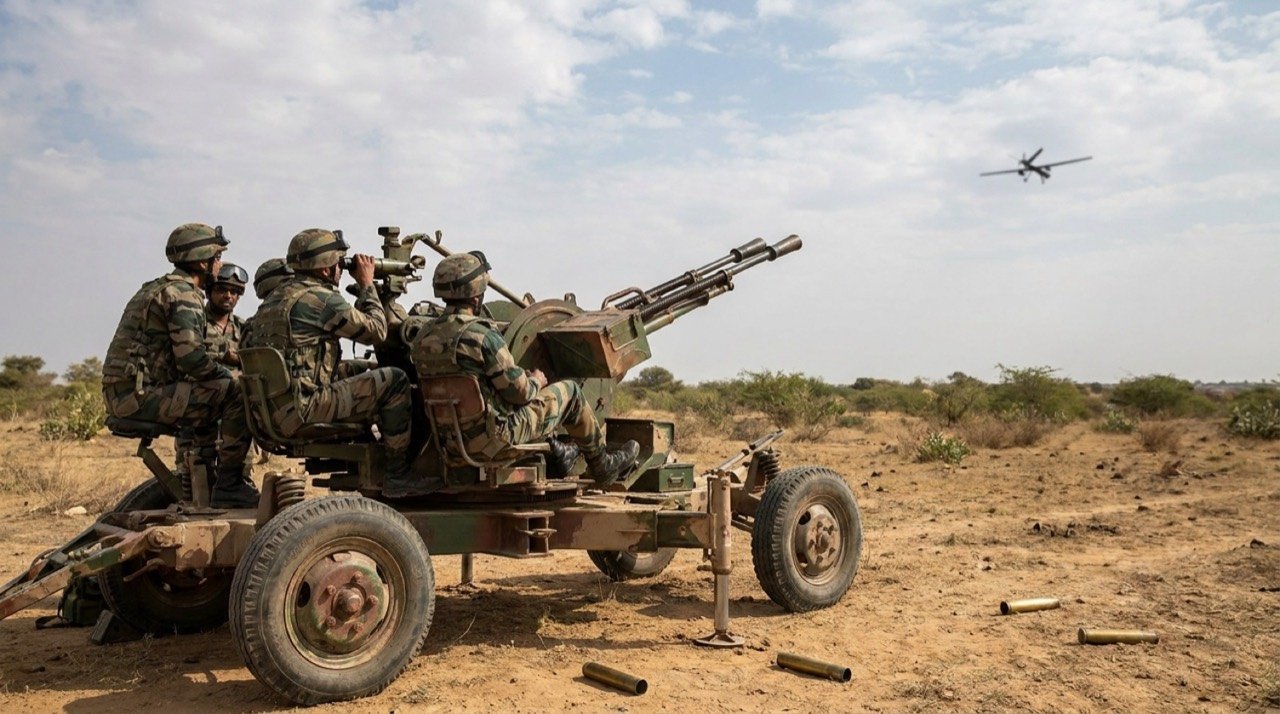
Army Air Defence Training Upgrade Targets Drone and Missile Threats
The Indian Army is acquiring new target systems that simulate drone swarms, helicopters and missile-like threats, sharpening air-defence training for an era of unmanned and smart weapons.
More from this section
More
AICTE Industry Fellowship 2026: Rs 1.5 Lakh Scheme Closes July 5
The AICTE Industry Fellowship Programme 2026, which places technical-education faculty inside leading companies on a Rs 1.5 lakh monthly stipend, reached its application deadline on July 5.
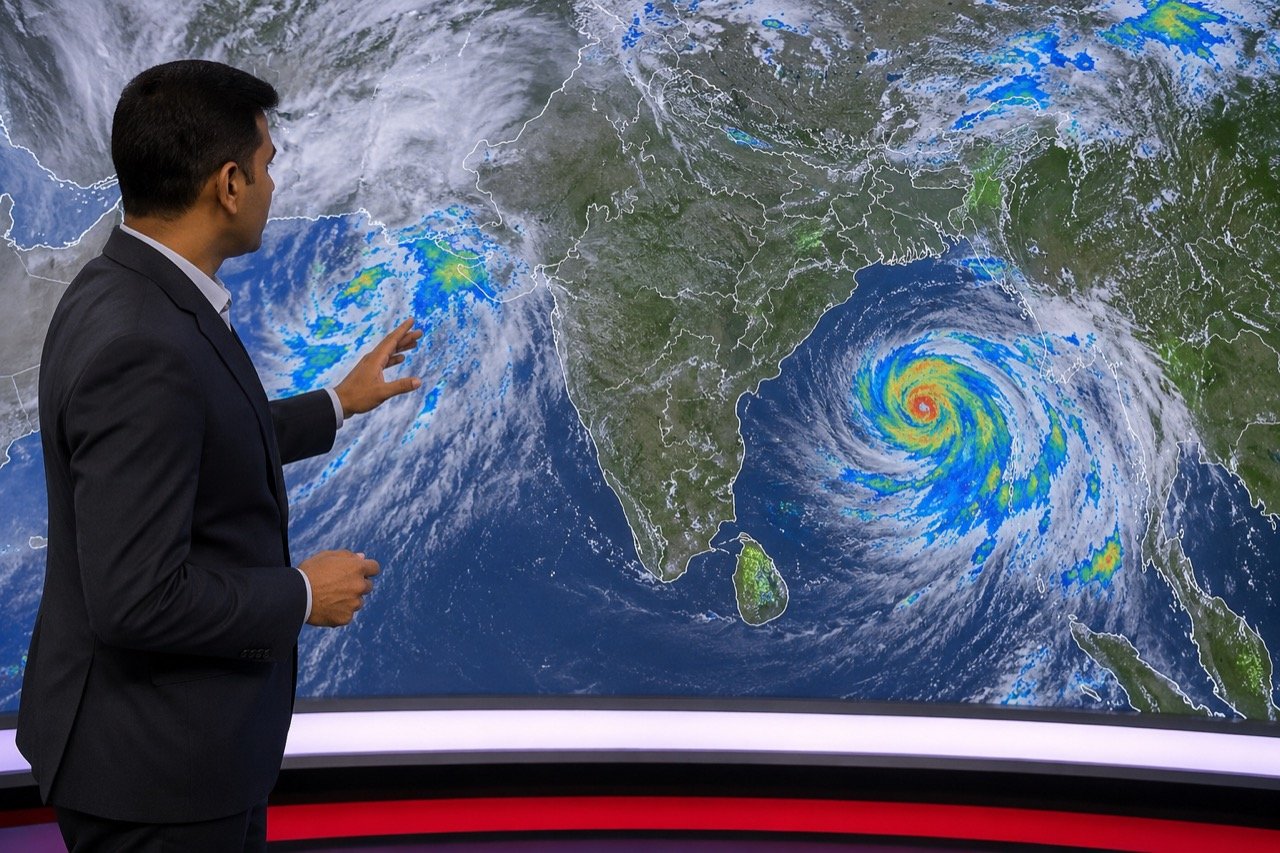
Bay of Bengal Low Pressure System Revives Monsoon Over Western India
A low-pressure system over the Bay of Bengal has pushed the monsoon back into an active phase, bringing steady heavy rain to Kerala, coastal Karnataka and Maharashtra, and putting Mumbai and Pune on preparedness watch.
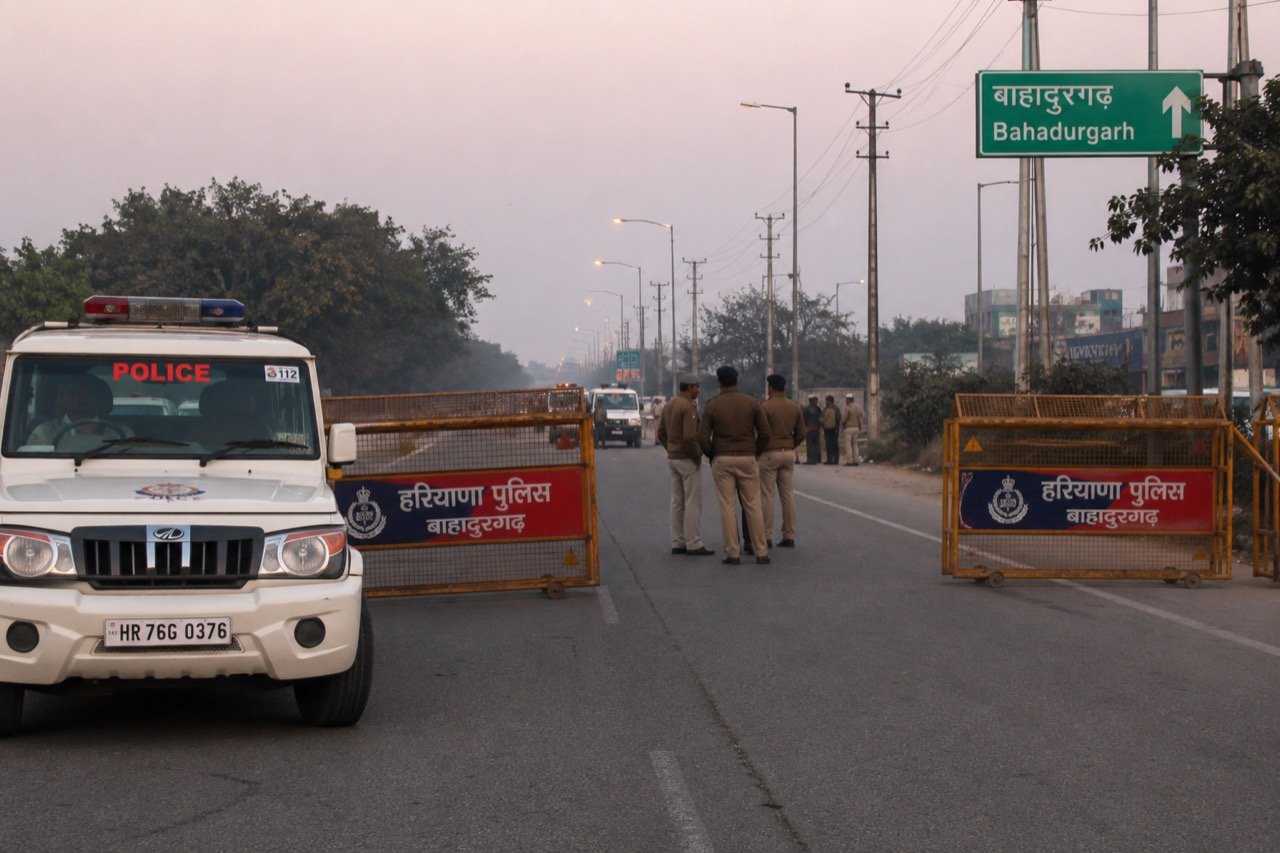
Bishnoi Gang Suspects Injured in Haryana Encounter as Police Tighten Net
A joint Haryana-Delhi Police operation in Bahadurgarh left two suspected Lawrence Bishnoi gang members injured, spotlighting the multi-state coordination now central to India's fight against organised crime networks.