Why Amitabh Bachchan Missed Deewangi Deewangi: Anecdote Trends Again
Farah Khan's recollection of why Amitabh Bachchan was absent from Om Shanti Om's star-packed song has revived one of Bollywood's favourite nostalgia moments and sent fans back to the iconic sequence.
Commentary & Analysis ·
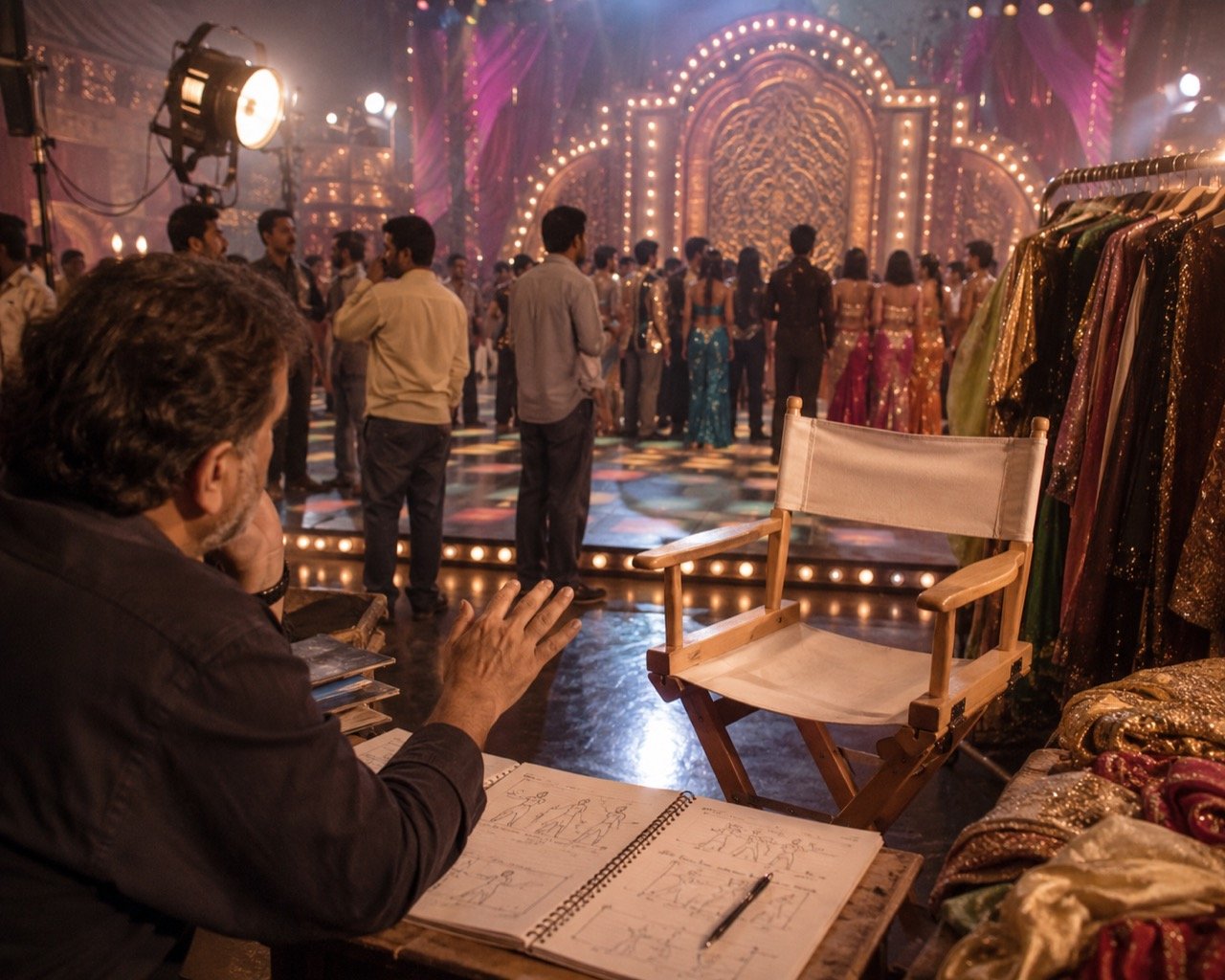
A behind-the-scenes anecdote can travel as fast as a new trailer when it involves a famous song, a major director and one of Indian cinema's most recognisable stars. Farah Khan's recollection of why Amitabh Bachchan missed the Deewangi Deewangi shoot, reported by Indian Express, has done exactly that, reviving interest in the Om Shanti Om number that assembled one of the largest star line-ups in Hindi film history. The story has resurfaced with the kind of speed usually reserved for fresh releases, even though the film itself dates back to 2007. That gap between the age of the material and the pace of its circulation is itself worth pausing on, because it says something about how Bollywood's past now moves through the present.
Low stakes, high recognition
The story works because it carries no scandal, only recognition. Deewangi Deewangi remains shorthand for Bollywood maximalism: a parade of cameos, elaborate choreography and a self-aware celebration of the industry itself. Any account of who was on that set, who was missing and why instantly draws readers who remember the song as a cultural event in 2007. There is no controversy to referee here, no statement to parse for hidden meaning, and no reputational stakes for anyone involved. That absence of friction is precisely what allows the anecdote to spread so widely and so quickly. Readers do not need to take a side; they simply need to enjoy the recall.
For fans, the pleasure is in the logistics, understanding how a sequence of that scale was actually assembled, which schedules clashed, and how a single absence became part of the song's lore. This is a different kind of engagement from the outrage cycles that usually dominate entertainment coverage. It rewards curiosity rather than judgement, and it treats the making of a film as a puzzle worth solving rather than a source of conflict worth exploiting. That distinction matters in an entertainment news ecosystem where attention is so often captured by disputes, breakups or controversies.
Why this particular song endures
Deewangi Deewangi was never just another item number. Its appeal rested on scale and self-reference: dozens of stars appearing as themselves, celebrating the industry's own history within a song about celebrity itself. That built-in reflexivity gave it staying power beyond the usual shelf life of a film soundtrack. Nearly two decades on, the song still functions as a kind of visual index of Hindi cinema's star system at a particular moment, which is exactly why any new detail about its making, such as an absence on set, still has purchase with audiences. A single missing star becomes an entry point into a much larger act of collective memory.
It also helps that the source of the anecdote is Farah Khan herself, the director who conceived and staged the sequence. Recollections from someone with direct authorship carry a different weight than secondhand gossip or fan speculation. She is not commenting on the song from the outside; she is explaining a choice she was party to, which gives the anecdote both credibility and warmth. Audiences tend to respond well when a filmmaker looks back on their own work with candour rather than promotional polish.
Nostalgia as a content engine
The episode also shows how Bollywood nostalgia has hardened into a steady content category. Interviews, podcasts and promotional appearances routinely surface small revelations that give older films a second life online. One memory from a director can send viewers back to clips, behind-the-scenes photographs and cast lists within hours. This is a low-cost, high-yield form of content for the industry: no new production is required, only a willingness to talk, and the audience does the rest of the work by resharing, commenting and revisiting archival material on their own.
This pattern is not unique to this anecdote, but it illustrates a broader shift in how film history is consumed. Where once a song or scene might have been revisited only around anniversaries or television reruns, today a single interview clip can trigger the same rediscovery on a random weekday, amplified by social media's appetite for shareable trivia. The infrastructure for this kind of nostalgia, clip culture, podcasts, algorithmic resurfacing, has effectively turned the Hindi film back catalogue into an evergreen content reserve that can be drawn upon at any time.
What this means for the industry
For studios and platforms, this is a low-risk, high-reward dynamic. A well-told anecdote about a beloved film costs nothing to produce beyond a conversation, yet it can generate the kind of organic engagement that marketing budgets often fail to buy. It also serves a subtler function: keeping veteran stars and directors visible in the cultural conversation without requiring a new release, an interview cycle tied to a film, or a controversy to manufacture attention. For a star like Amitabh Bachchan, whose career spans decades, these anecdotal reappearances help sustain relevance across generations of viewers who may know him primarily through such stories rather than through the original theatrical release.
There is also a commercial logic worth noting. Nostalgia content of this kind tends to perform well precisely because it is frictionless to consume and share, which makes it attractive to entertainment outlets navigating an attention economy that rewards virality. Indian Express choosing to report this story, and its subsequent trending, reflects an editorial calculation that such warm, low-controversy anecdotes reliably draw readership even without any new development to justify the coverage.
The NE Times View
There is something telling in how eagerly Indian audiences receive these fragments of film history: Hindi cinema's past is not archived, it is continuously replayed. We think this appetite is largely healthy, it treats films as shared cultural memory rather than disposable content, and it rewards storytellers like Farah Khan who narrate the industry's history with affection. Such anecdotes function almost like an oral tradition for Bollywood, passed along informally, embellished slightly with each retelling, but never straying from the emotional truth that audiences recognise and respond to.
The caution is that nostalgia can crowd out attention for new work if it becomes the default conversation. When trending topics are dominated by revisitations of films nearly twenty years old, there is a risk that contemporary releases struggle to command the same organic curiosity, simply because they have not yet accumulated the layers of anecdote and lore that make older films so easy to revisit. The best outcome is the one this anecdote achieves: a warm look back that deepens, rather than replaces, engagement with what Bollywood makes next. Whether that balance holds will depend on the industry's own choices, how much it leans on recycled nostalgia versus investing in stories and songs substantial enough to be remembered fondly two decades from now.
Key takeaways
- Farah Khan's anecdote about Amitabh Bachchan missing the Deewangi Deewangi shoot has revived interest in the iconic 2007 Om Shanti Om number, as reported by Indian Express.
- The story's appeal lies in its lack of controversy, offering fans behind-the-scenes logistics rather than scandal.
- Deewangi Deewangi's self-referential celebration of Bollywood stardom gives it lasting cultural relevance, making any new detail about its making newsworthy years later.
- Such anecdotes function as a low-cost, high-engagement content category that keeps veteran stars culturally visible without new releases.
- The NE Times views this nostalgia cycle as broadly healthy, provided it complements rather than substitutes for engagement with new Bollywood work.
You may also like to read
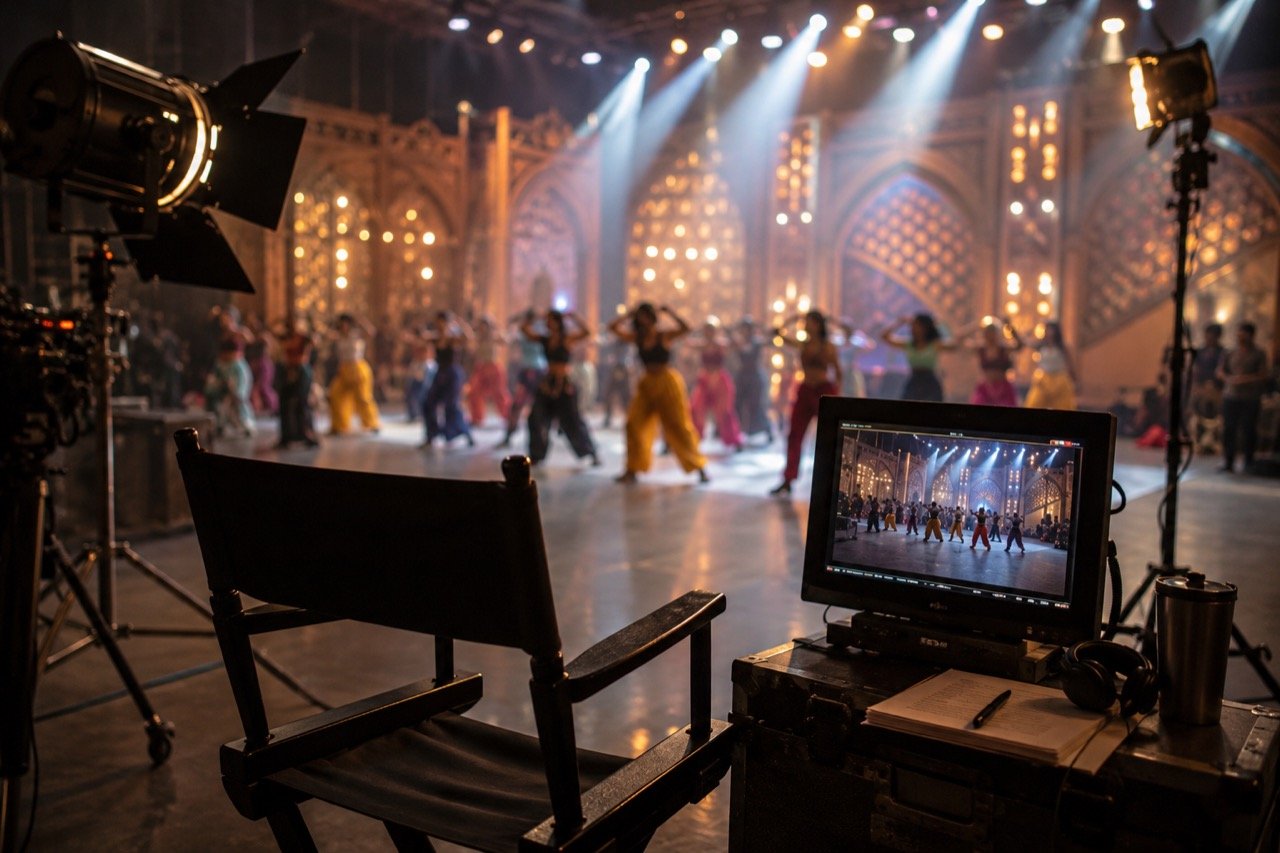
Amitabh Bachchan's Deewangi Deewangi Absence: Farah Khan Story
Farah Khan's recollection of why Amitabh Bachchan never appeared in Om Shanti Om's star-packed Deewangi Deewangi number has revived one of Bollywood's favourite behind-the-scenes talking points.
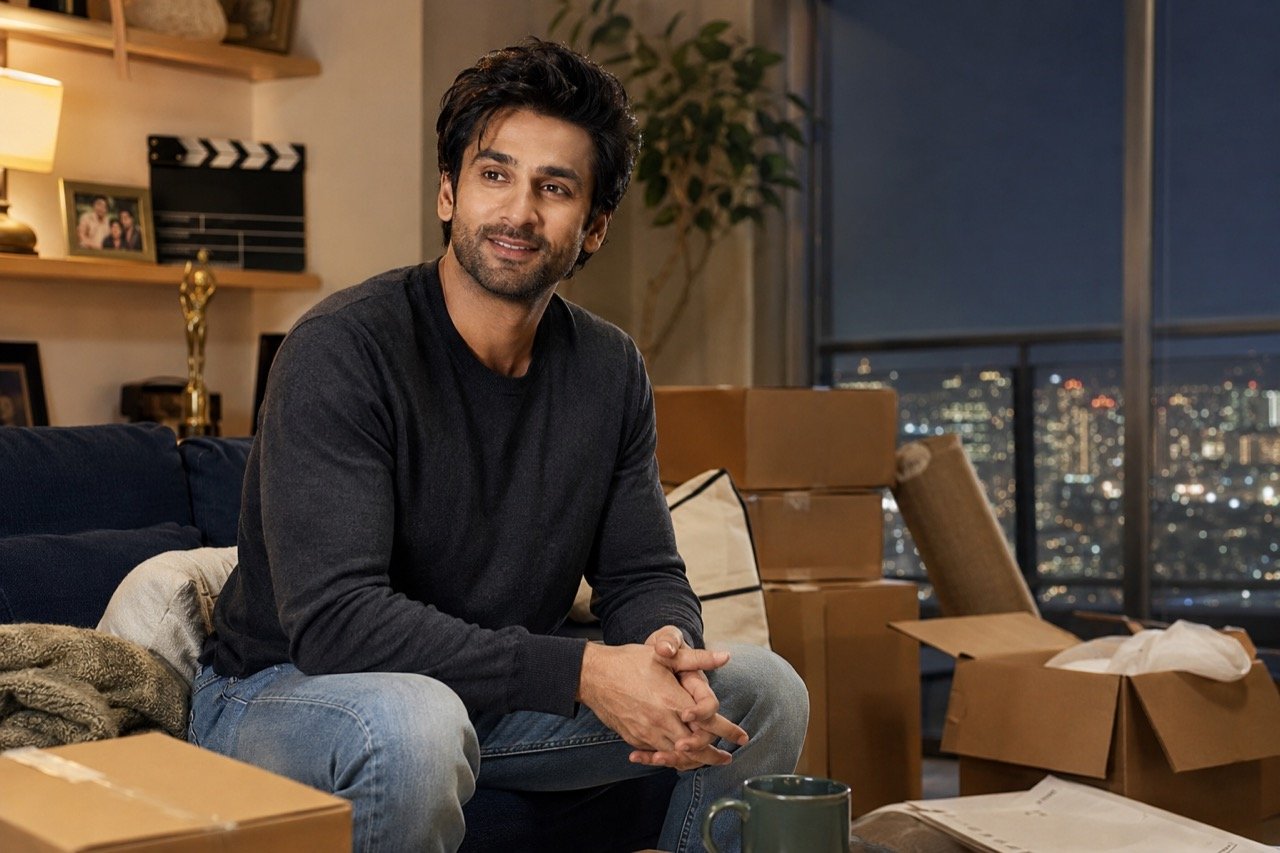
How SRK and Farah Khan Helped Shreyas Talpade Buy His First Home
Shreyas Talpade's recollection of the support Shah Rukh Khan and Farah Khan offered when he bought his first home has struck a chord, revealing the quieter friendships that operate behind Bollywood's cameras.
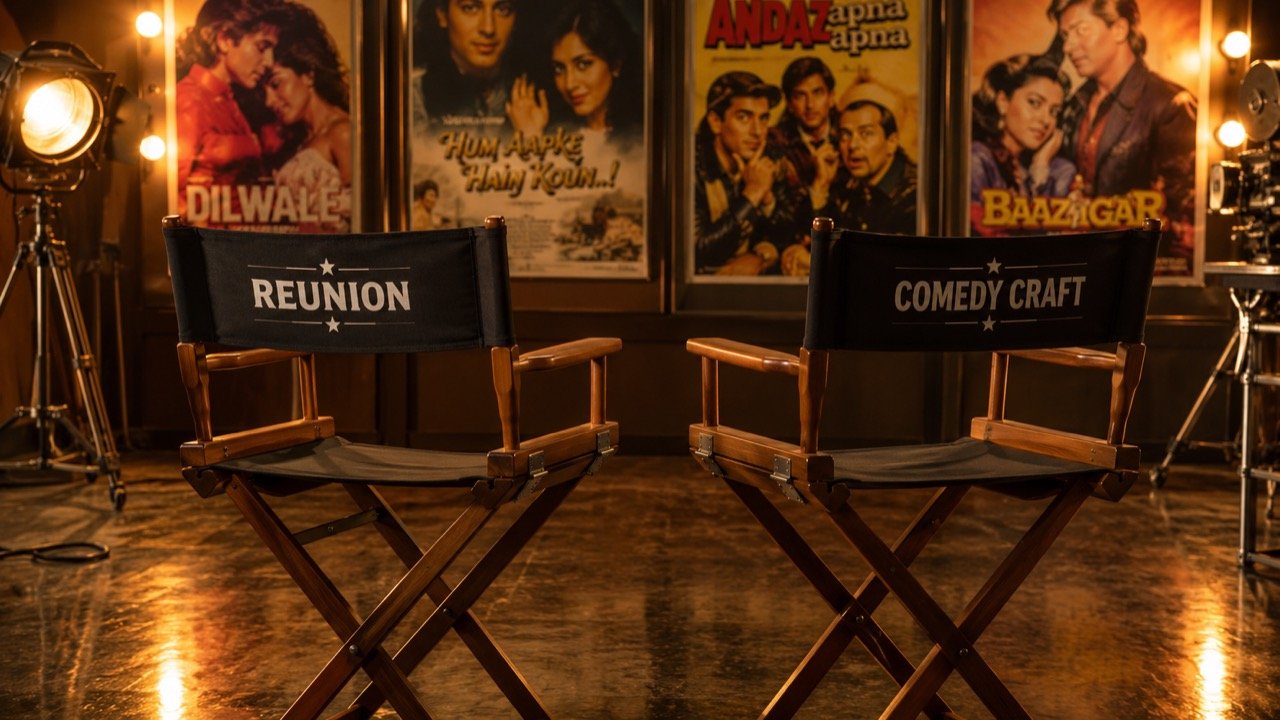
Raveena Tandon on Akshay Kumar Reunion: Old Camaraderie Clicked Again
Raveena Tandon says her on-screen chemistry with Akshay Kumar clicked back into place on Welcome To The Jungle, giving the comedy a nostalgia angle while she insists the genre is demanding craft, not casual energy.
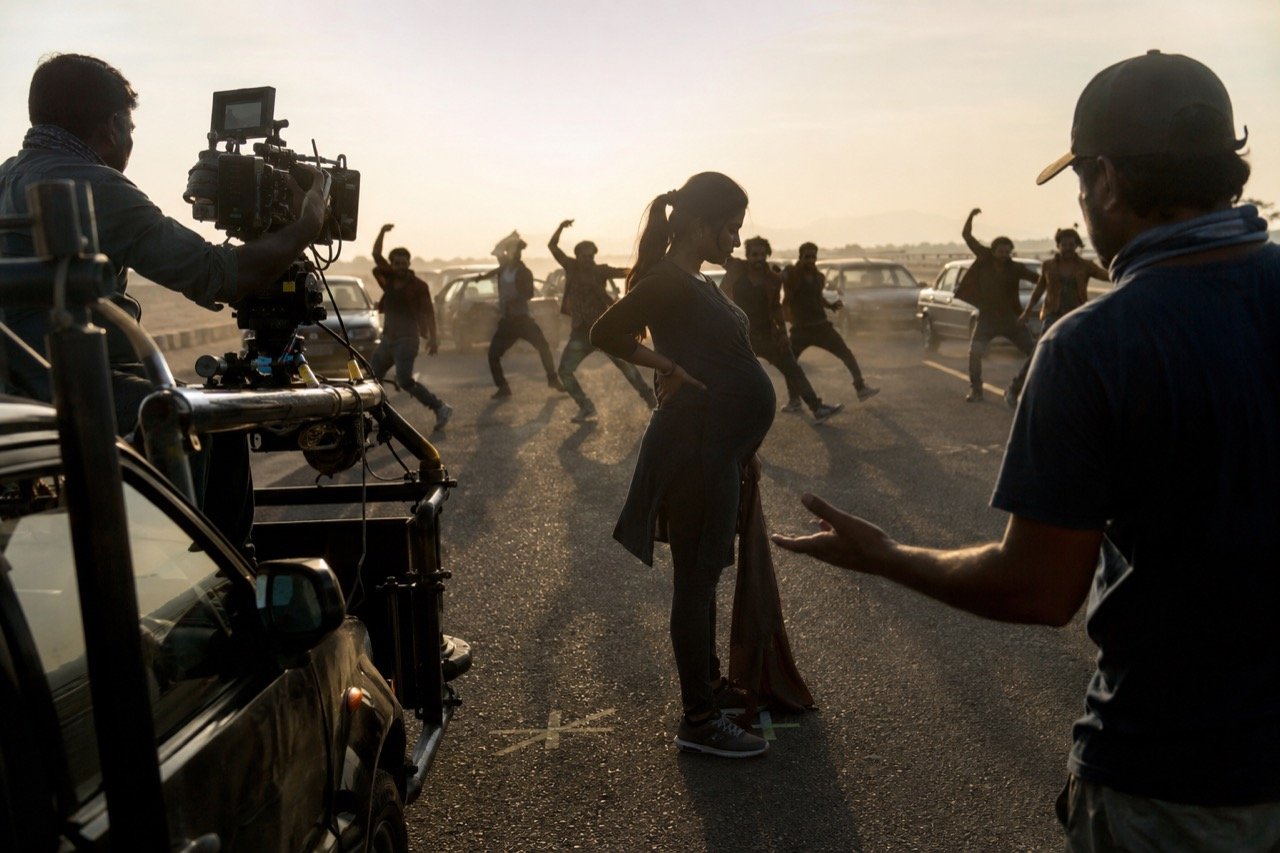
Samantha Shoot Anecdote Puts Film Set Safety Back in Focus
Director Nandini Reddy's account of Samantha Ruth Prabhu filming a song and car-chase sequence during pregnancy has reopened questions about scheduling, safety and support on demanding South Indian film sets.
More from this section
More
72nd National Film Awards: Fans Back Mammootty, Allu Arjun, Sai Pallavi
Speculation around the 72nd National Film Awards is intensifying as fan communities across India's language film industries champion favourites including Mammootty, Allu Arjun and Sai Pallavi ahead of any official announcement.
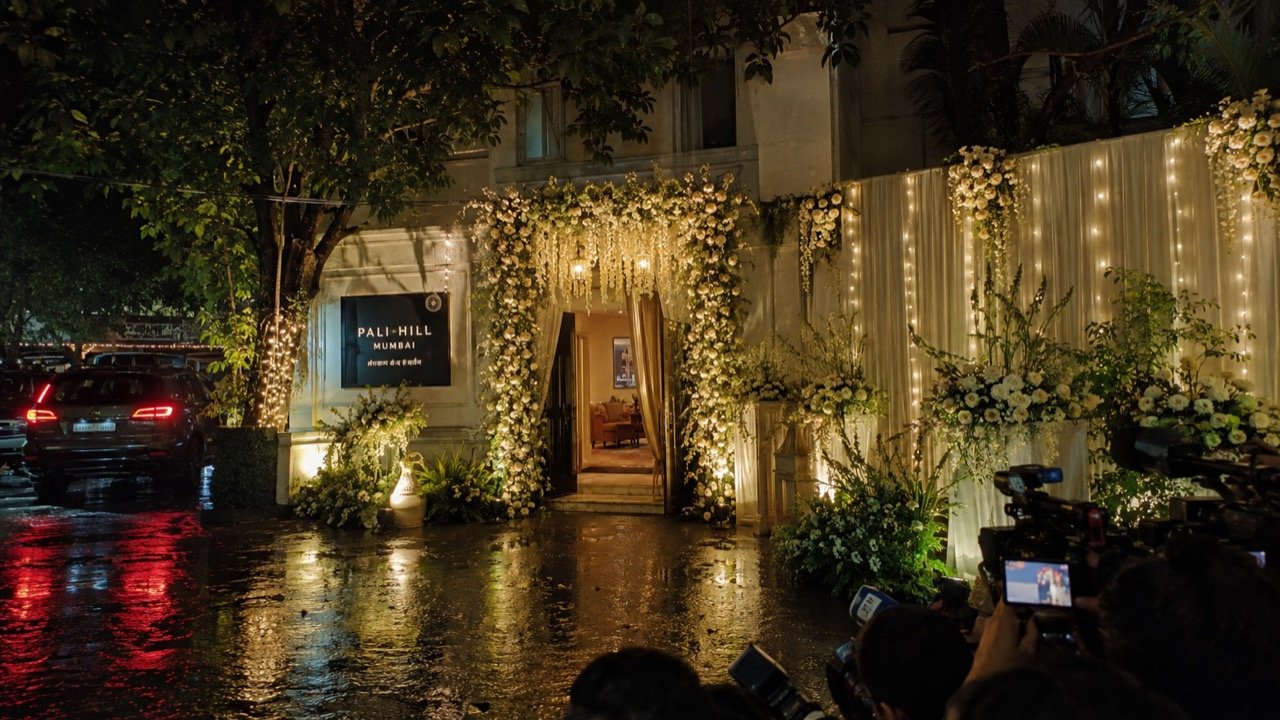
Aamir Khan Marries Gauri Spratt in Private Pali Hill Ceremony
Aamir Khan and Gauri Spratt tied the knot at the actor's Pali Hill home in Mumbai on July 5, turning a deliberately small family ceremony into Bollywood's biggest story of the day.

Akanksha Chamola's Lock Upp 2 Confession Sets Reality TV Abuzz
A personal revelation by Akanksha Chamola ahead of Lock Upp 2 has handed the reality show a viral talking point, underlining how confession-driven formats continue to dominate Indian television conversation.