Samantha Shoot Anecdote Puts Film Set Safety Back in Focus
Director Nandini Reddy's account of Samantha Ruth Prabhu filming a song and car-chase sequence during pregnancy has reopened questions about scheduling, safety and support on demanding South Indian film sets.
Commentary & Analysis ·
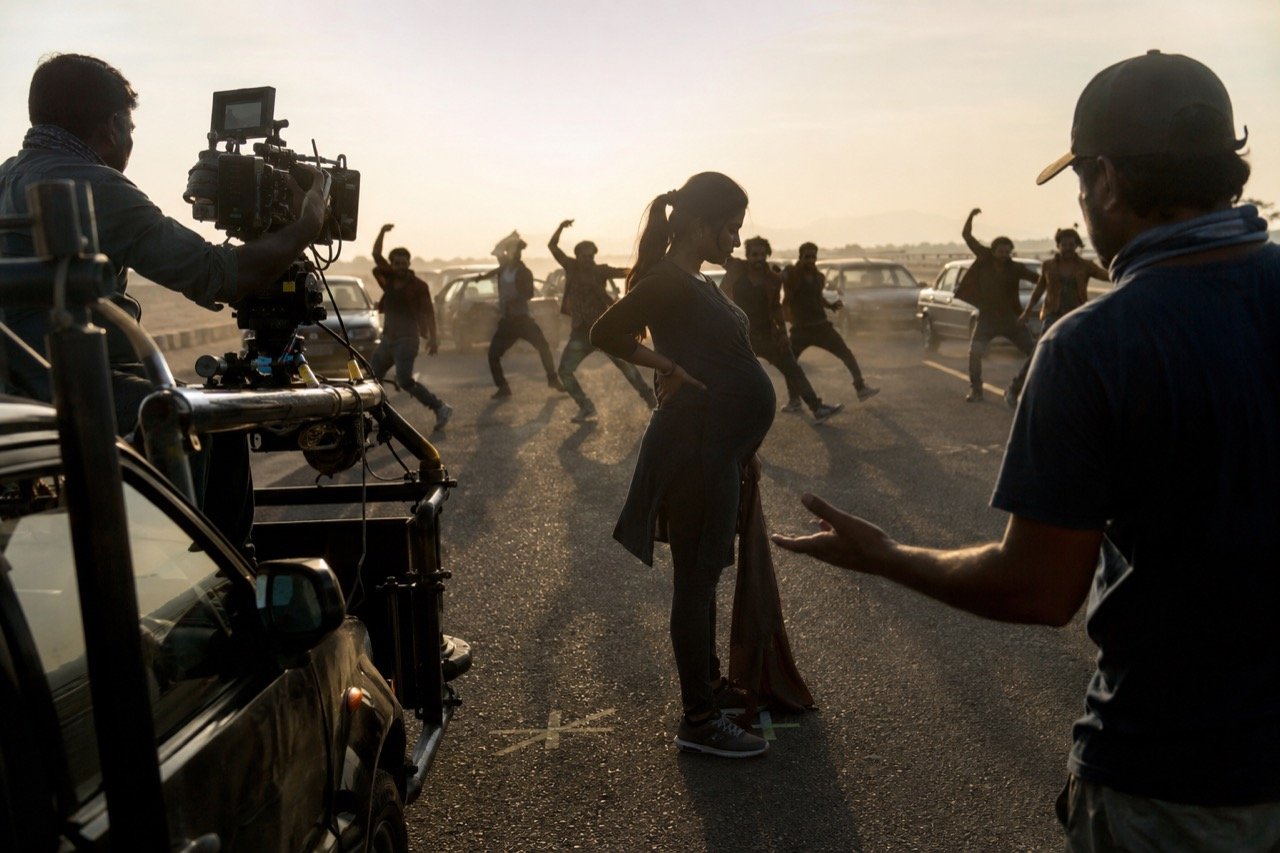
A production anecdote involving Samantha Ruth Prabhu and the film Maa Inti Bangaaram has renewed discussion about the physical demands placed on actors during major South Indian shoots, particularly when personal health and pregnancy form part of the backdrop. The conversation stems from recent Telugu entertainment coverage in which director Nandini Reddy recalled filming a song and car-chase sequence during Samantha's pregnancy. Because the story touches on personal medical context, the meaningful angle here is not spectacle but what the anecdote reveals about safety, scheduling and support systems on Indian film sets.
The unglamorous reality behind the frame
Songs, action set-pieces and travel-heavy schedules look effortless once they have been edited, scored and released to audiences primed to enjoy the spectacle. But that polish conceals a great deal of coordination, risk assessment and physical strain behind the camera. A car-chase sequence, in particular, is rarely a single controlled shot: it typically involves multiple takes, extended hours on unpredictable terrain, exposure to heat and dust, and repeated bursts of physical exertion from the performers involved. A song sequence, similarly, often demands sustained choreography, quick costume changes and long days under studio lighting. When such scenes are filmed alongside a demanding personal circumstance like pregnancy, the anecdote becomes less about a single actor's endurance and more a window into how commercial cinema, as an industry, plans for the unpredictable realities of the people who carry its films.
That the anecdote has surfaced only now, through a director's retrospective account, is itself instructive. It suggests that at the time of filming, the demands placed on the performer were not necessarily flagged as unusual within the production's own culture — pushing through was simply what the schedule required. It is precisely this normalisation of physical strain that now invites scrutiny.
A wider debate about working conditions
This story does not exist in isolation. It plugs into a broader and increasingly vocal industry conversation about actor welfare, one that has been building across Indian cinema for several years. When performers or directors describe punishing shoots, audiences today are far less inclined to simply marvel at the toughness on display. Instead, a growing segment of viewers and commentators ask more pointed questions: was the production environment safe? Was it well planned? Was it humane towards everyone on set, from the lead performer down to the crew executing the same long hours?
This represents a meaningful cultural shift. For decades, anecdotes of actors "pushing through" injury, illness or personal hardship were often retold as badges of professionalism and dedication, evidence of star commitment to the craft. That framing is not without value; it does reflect genuine discipline. But it has also, historically, let production houses off the hook for the conditions that made such endurance necessary in the first place. The emerging critical lens does not deny the professionalism on display, but it insists on asking a second question that was too often skipped: should the performer have been asked to do this at all, under these circumstances?
Why pregnancy-specific context sharpens the scrutiny
Pregnancy adds a layer of specificity to this debate that generic "gruelling shoot" stories do not carry. Unlike a bout of fatigue or a minor injury, pregnancy involves evolving medical considerations that can change week to week, and it is not something a performer can simply set aside once the cameras start rolling. A car-chase sequence, with its jolts, sudden movements and physical unpredictability, sits at a considerably different risk threshold when the performer is pregnant compared with a standard action scene. This is not a judgment on the individual choices made by Samantha Ruth Prabhu or director Nandini Reddy in this specific instance, about which limited detail is available beyond the anecdote itself. Rather, it is a prompt for the industry to examine whether its standard operating procedures adequately account for such circumstances at all, or whether decisions of this kind are left to the informal judgment of those on set in the moment.
What accountability could look like on set
If Indian cinema is to take this conversation seriously rather than treat it as a passing news cycle, the practical implications point towards production-level reform rather than individual blame. Clear protocols for flagging health-related concerns to production management, scheduling flexibility that allows for adjusted shot lists when a performer's circumstances change, and defined channels through which an actor or their team can request modification to a stunt or physically demanding sequence would all represent meaningful upgrades. None of these measures require slowing down India's famously fast production cycles to a crawl; they require building in structured checkpoints so that demanding scenes are the product of deliberate risk assessment rather than default momentum.
It is also worth noting that such safeguards protect not only the star performer at the centre of a story like this one, but the wider crew, background artists and technical staff who face similarly demanding schedules with considerably less public attention or negotiating power. A set culture that takes health and safety seriously for its most visible performers is more likely, in principle, to extend that same seriousness down the call sheet.
The NE Times View
We believe stories like this matter far beyond one star or one film. Indian cinema is scaling up fast, with bigger budgets, wider international distribution and growing global audiences, and its credibility on the world stage will rest not just on box-office records but on whether its sets meet modern standards of safety and care. Anecdotes about actors pushing through extreme circumstances should prompt admiration for the professionalism involved, but they should equally prompt hard questions directed at the production calendar that made such endurance necessary. The industry's next big upgrade should happen behind the camera, where clear protocols for health, scheduling and consent protect everyone on set, not merely the actors whose stories happen to become public.
Key takeaways
- A director's anecdote about filming a song and car-chase sequence during Samantha Ruth Prabhu's pregnancy for Maa Inti Bangaaram has reopened debate on film-set safety.
- The core issue is not the specific scene itself but what it reveals about scheduling, risk assessment and support structures on South Indian film sets more broadly.
- Audiences are increasingly moving away from romanticising on-set exhaustion and towards expecting demonstrable professionalism and care from productions.
- Pregnancy-specific circumstances raise distinct medical considerations that generic accounts of demanding shoots do not capture, strengthening the case for formal safeguards.
- As Indian cinema's global profile grows, its credibility will depend on modernising conditions behind the camera as much as on box-office achievements in front of it.
You may also like to read
Karan Johar's Alpha Defence Puts Bollywood Trolling Back in Focus
Karan Johar's reported defence of Alia Bhatt's Alpha has widened the film's release conversation from box-office numbers to a bigger question: how Bollywood should handle relentless online negativity.
Tollywood Engineers A First-Half Turnaround In 2026 As Mid-Budget Hits Steady The Ship
After a shaky start to the year, Telugu cinema clawed back momentum in the first half of 2026, with content-led successes and a couple of big-ticket earners restoring trade confidence.
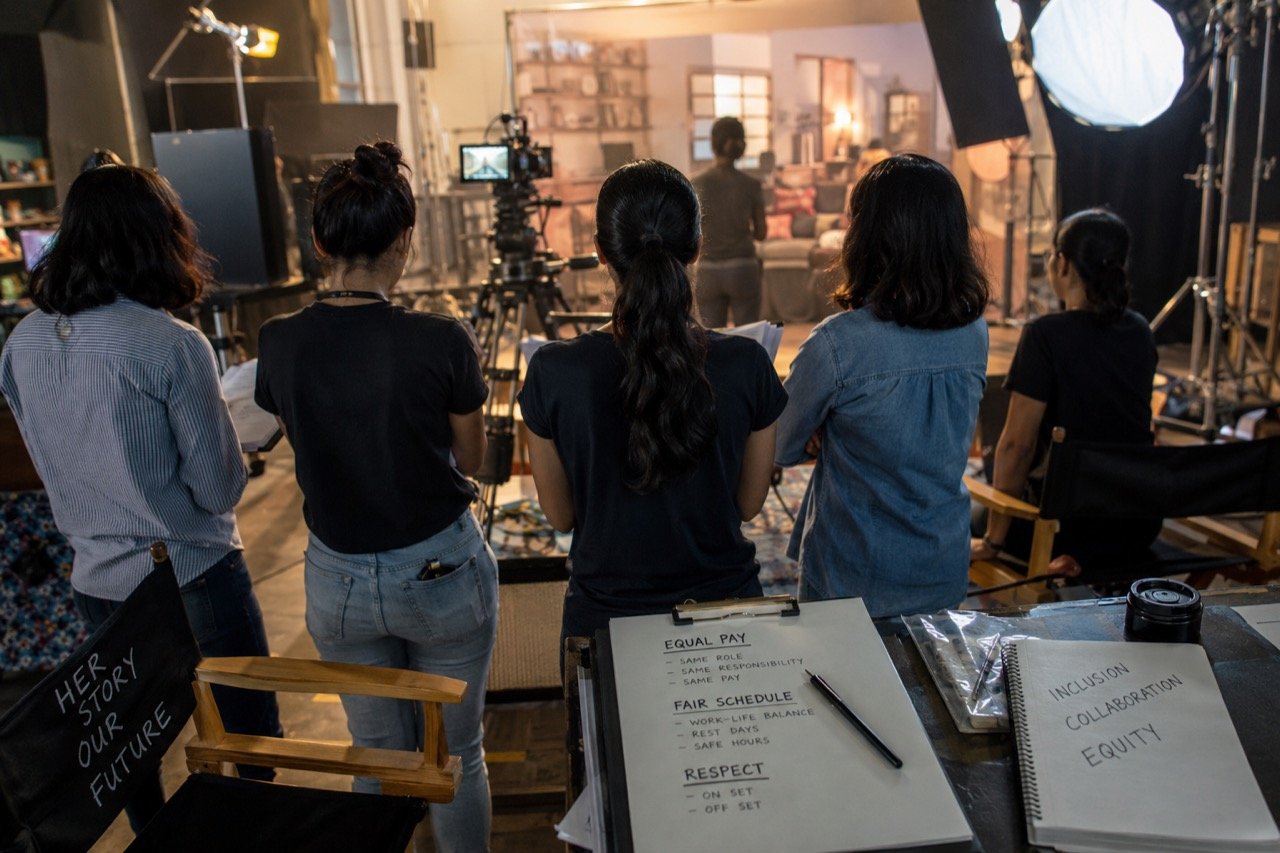
Kriti Sanon's Set Remarks Put Bollywood Gender Equity Back in Focus
Kriti Sanon's comments about female actors being taken for granted on film sets have revived a long-running conversation about pay parity, respect and decision-making power in mainstream Hindi cinema.
72nd National Film Awards: Fans Back Mammootty, Allu Arjun, Sai Pallavi
Speculation around the 72nd National Film Awards is intensifying as fan communities across India's language film industries champion favourites including Mammootty, Allu Arjun and Sai Pallavi ahead of any official announcement.
More from this section
More72nd National Film Awards: Fans Back Mammootty, Allu Arjun, Sai Pallavi
Speculation around the 72nd National Film Awards is intensifying as fan communities across India's language film industries champion favourites including Mammootty, Allu Arjun and Sai Pallavi ahead of any official announcement.

Aamir Khan Marries Gauri Spratt in Private Pali Hill Ceremony
Aamir Khan and Gauri Spratt tied the knot at the actor's Pali Hill home in Mumbai on July 5, turning a deliberately small family ceremony into Bollywood's biggest story of the day.

Akanksha Chamola's Lock Upp 2 Confession Sets Reality TV Abuzz
A personal revelation by Akanksha Chamola ahead of Lock Upp 2 has handed the reality show a viral talking point, underlining how confession-driven formats continue to dominate Indian television conversation.