Amitabh Bachchan's Deewangi Deewangi Absence: Farah Khan Story
Farah Khan's recollection of why Amitabh Bachchan never appeared in Om Shanti Om's star-packed Deewangi Deewangi number has revived one of Bollywood's favourite behind-the-scenes talking points.
Commentary & Analysis ·
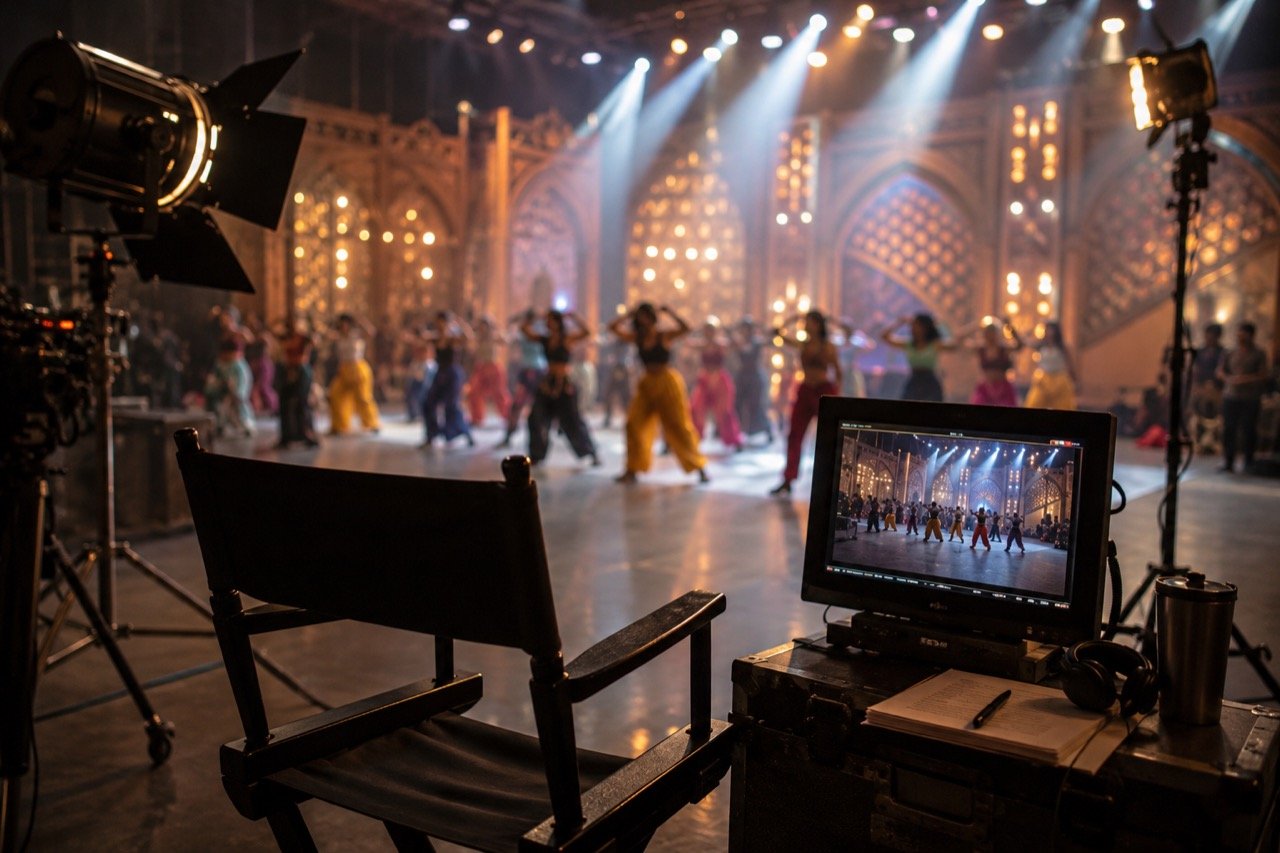
Nearly two decades after Om Shanti Om filled a single song with dozens of Hindi cinema's biggest names, one absence still fuels conversation: Amitabh Bachchan's. A fresh Indian Express entertainment update has revisited Farah Khan's anecdote about the superstar missing the Deewangi Deewangi shoot, with the filmmaker joking about a missing wedding invite around that period. The detail is small, almost throwaway, yet it has been enough to send a 2007 song trending again in 2026, a reminder of how durable certain cultural artefacts remain in the Indian entertainment conversation.
Why one song still carries this much weight
The song that gathered an industry Deewangi Deewangi remains shorthand for a particular kind of Bollywood spectacle — a celebratory set, a rolling parade of stars, and a director attempting to fit an entire industry into one frame. Few musical sequences in Hindi cinema have attempted anything as logistically audacious: coordinating the diaries of dozens of prominent actors, all appearing as themselves, all willing to spare a few hours for what was essentially a good-natured cameo parade celebrating the film industry's own mythology. That ambition is precisely why the sequence has endured as a reference point. It was never just a song; it was a statement about who belonged to the inner circle of Hindi cinema at that moment, captured on film for anyone to revisit.
That scale is exactly why the roll call is still scrutinised nearly twenty years on. Fans continue to ask why certain names appeared and others did not, treating the sequence almost like a time capsule of industry standing circa 2007. In an ecosystem where public perception of who is "in" and who is "out" of Bollywood's upper echelon is itself a perennial subject of speculation, a frame that seemingly settled the question for one moment in time takes on outsized significance. Every absence, however mundane its explanation, becomes a puzzle for audiences to solve.
Farah Khan's anecdote and what it actually explains
Farah Khan's recollection adds production context rather than gossip. Her account — that Bachchan was unavailable, offered with the light-hearted suggestion of a missing wedding invite around that period — is presented as an affectionate, almost self-deprecating aside rather than any kind of slight. It is the sort of anecdote a filmmaker shares in an interview years later precisely because enough time has passed for it to be funny rather than sensitive. There is no suggestion of a falling-out, no hint of professional friction, simply the ordinary reality of filmmaking: schedules do not always align, however important the project or however large the ensemble being assembled.
Ensemble numbers of that size depend on schedules, relationships and timing aligning perfectly, and when one of Hindi cinema's most recognisable figures is absent from a famous line-up, the question tends to linger for years. This is worth dwelling on, because it speaks to a broader truth about how these large-scale cameo sequences actually come together behind the scenes. Unlike a scripted scene with a fixed cast, a song like Deewangi Deewangi is built opportunistically, around whichever stars happen to be free on a given shoot day. The final frame audiences see is not a curated guest list so much as the residue of a scheduling exercise across an entire industry. Farah Khan's anecdote, in that sense, is less a revelation and more a gentle corrective to the assumption that every name was deliberately chosen or deliberately excluded.
How Bollywood memory refreshes itself
The episode also illustrates how a 2007 film can return to trending pages in 2026. Bollywood's collective memory is continually renewed through interviews and retrospectives, where a single behind-the-scenes detail reconnects familiar names to a beloved moment and gives audiences a reason to press play on the song once more. This is not unique to Om Shanti Om, but the film is an especially productive vehicle for this kind of recurring nostalgia because it was designed from the outset as a loving tribute to Hindi cinema's own history. A film built on affectionate references to the past is, almost by design, primed to keep generating fresh references in the present.
It is also worth noting how such anecdotes travel in the current media environment. A single line from an interview — the wedding invite remark, in this case — can be lifted, recirculated, and reframed across entertainment portals and social media within hours, each retelling adding a fresh headline to what is, at its core, a nearly two-decade-old piece of trivia. The mechanics of this cycle are now familiar: a veteran filmmaker shares an anecdote in conversation, a publication reports it, aggregators and fan pages amplify it, and the original song enjoys a fresh spike in views and discussion. None of this requires controversy; affection and curiosity are sufficient fuel.
The NE Times View
Stories like this endure because they are affectionate rather than accusatory — nostalgia with a new footnote, not a controversy. They also reveal something about the economics of film media in India: archival anecdotes are reliable engagement engines, letting a 19-year-old song generate fresh search traffic on the strength of two beloved names. This is a low-cost, high-yield category of entertainment journalism, requiring no fresh reporting beyond revisiting an old interview and pairing it with a familiar clip, yet reliably rewarded with reader interest because both the film and the personalities involved retain enduring goodwill.
The healthy way to read the Bachchan absence is as a scheduling footnote in an extraordinary logistical feat. If anything, the anecdote deepens appreciation for what Farah Khan actually pulled off in that one frame-filling number: coordinating an industry-wide cameo sequence is difficult enough without every single star being available, and the fact that the song still reads as a definitive gathering of an era's biggest names, despite this one absence, speaks to how skilfully the sequence was conceived and edited. Read generously, the anecdote is less about who was missing and more about how much was achieved with who showed up.
For audiences, the appeal is straightforward nostalgia layered with a small mystery now resolved. For the industry and its chroniclers, it is a reminder that anniversaries, interviews and retrospectives will keep this kind of material in circulation indefinitely, particularly where the personalities involved remain active, visible, and beloved figures in contemporary Hindi cinema.
Key takeaways
- Farah Khan's anecdote about Amitabh Bachchan missing the Deewangi Deewangi shoot, including her joking reference to a missing wedding invite, has resurfaced via a recent Indian Express entertainment update.
- The Deewangi Deewangi sequence from Om Shanti Om remains a cultural touchstone precisely because of its scale, gathering numerous Hindi cinema stars in one frame, which keeps its cast list under continued fan scrutiny nearly two decades later.
- The anecdote offers production context rather than any suggestion of controversy, reflecting the ordinary scheduling realities behind large ensemble film sequences.
- The story exemplifies how older Bollywood content is repeatedly refreshed in public conversation through interviews and retrospectives rather than new events.
- The NE Times reads the episode as affectionate nostalgia that, if anything, enhances appreciation for the original achievement of assembling the sequence at all.
You may also like to read
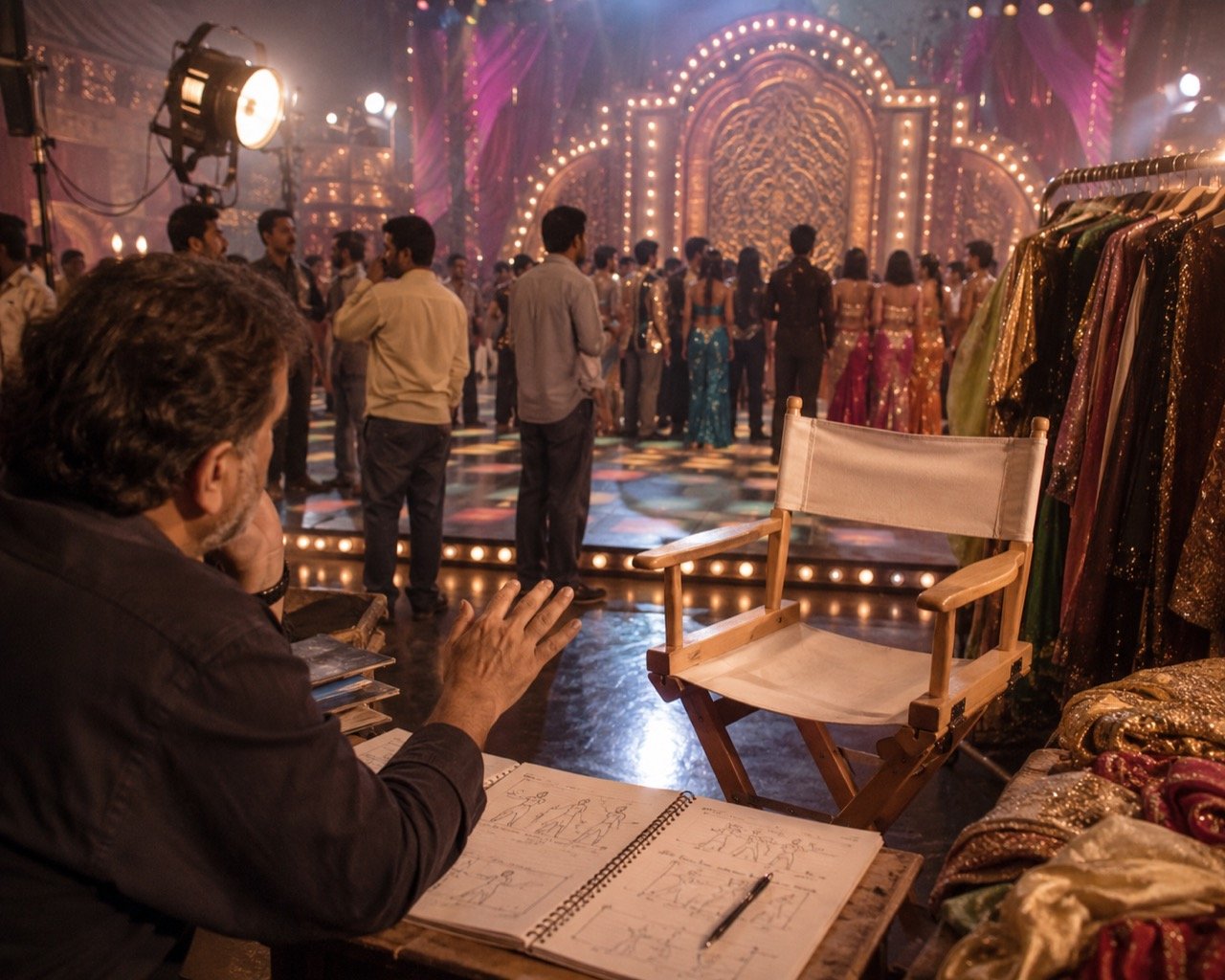
Why Amitabh Bachchan Missed Deewangi Deewangi: Anecdote Trends Again
Farah Khan's recollection of why Amitabh Bachchan was absent from Om Shanti Om's star-packed song has revived one of Bollywood's favourite nostalgia moments and sent fans back to the iconic sequence.
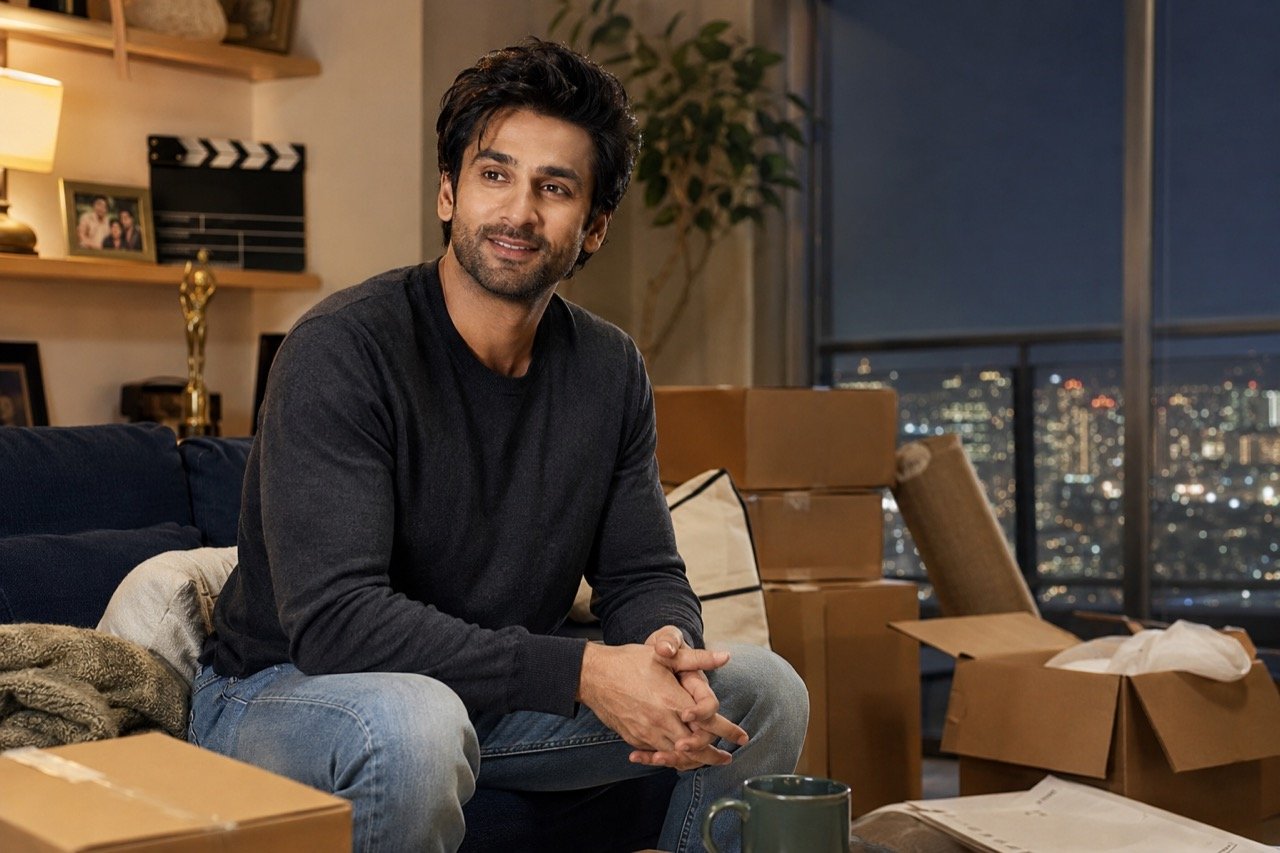
How SRK and Farah Khan Helped Shreyas Talpade Buy His First Home
Shreyas Talpade's recollection of the support Shah Rukh Khan and Farah Khan offered when he bought his first home has struck a chord, revealing the quieter friendships that operate behind Bollywood's cameras.
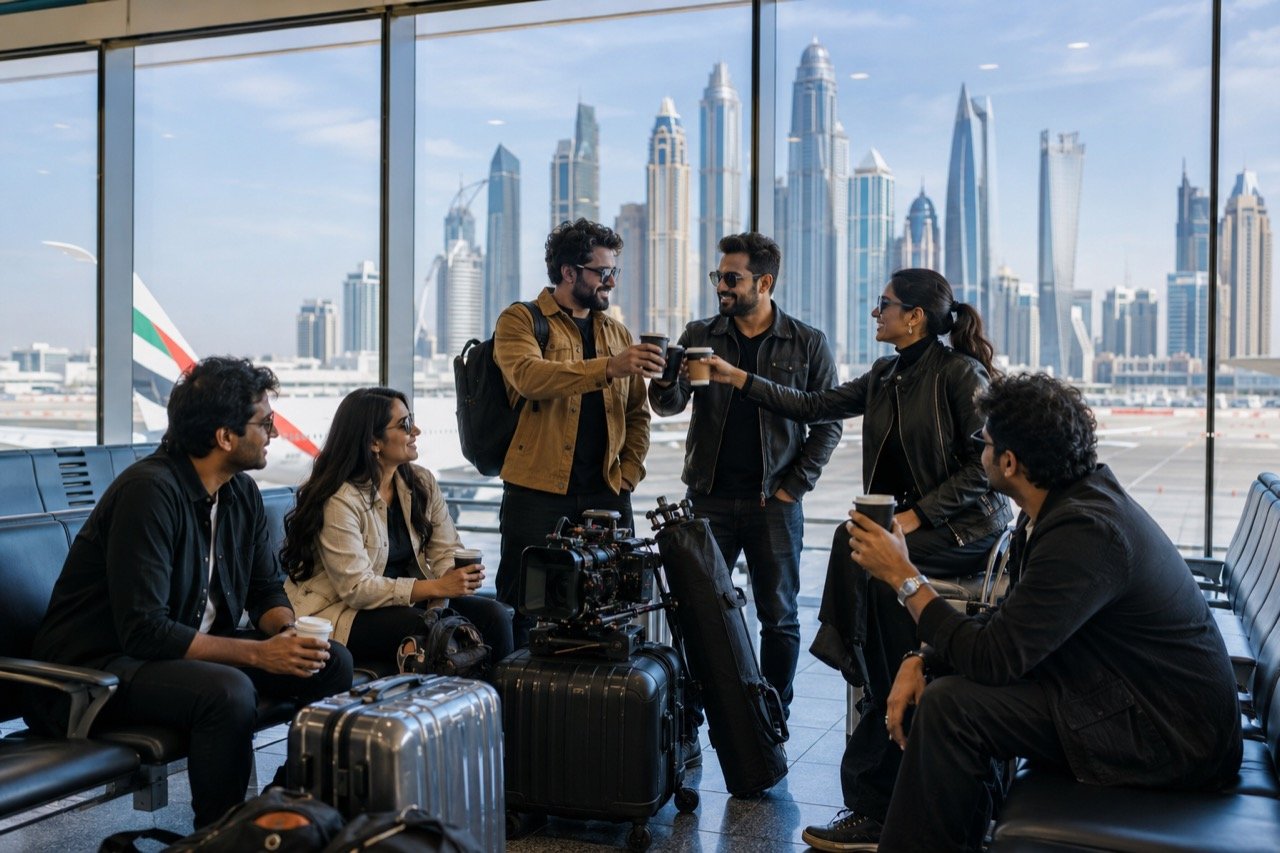
Farah Khan's SRK Dubai Story Rekindles Happy New Year Nostalgia
Farah Khan's recollection that Shah Rukh Khan personally paid to fly around fifty cast and crew members to Dubai for the Happy New Year premiere has revived warm interest in the film's behind-the-scenes history.
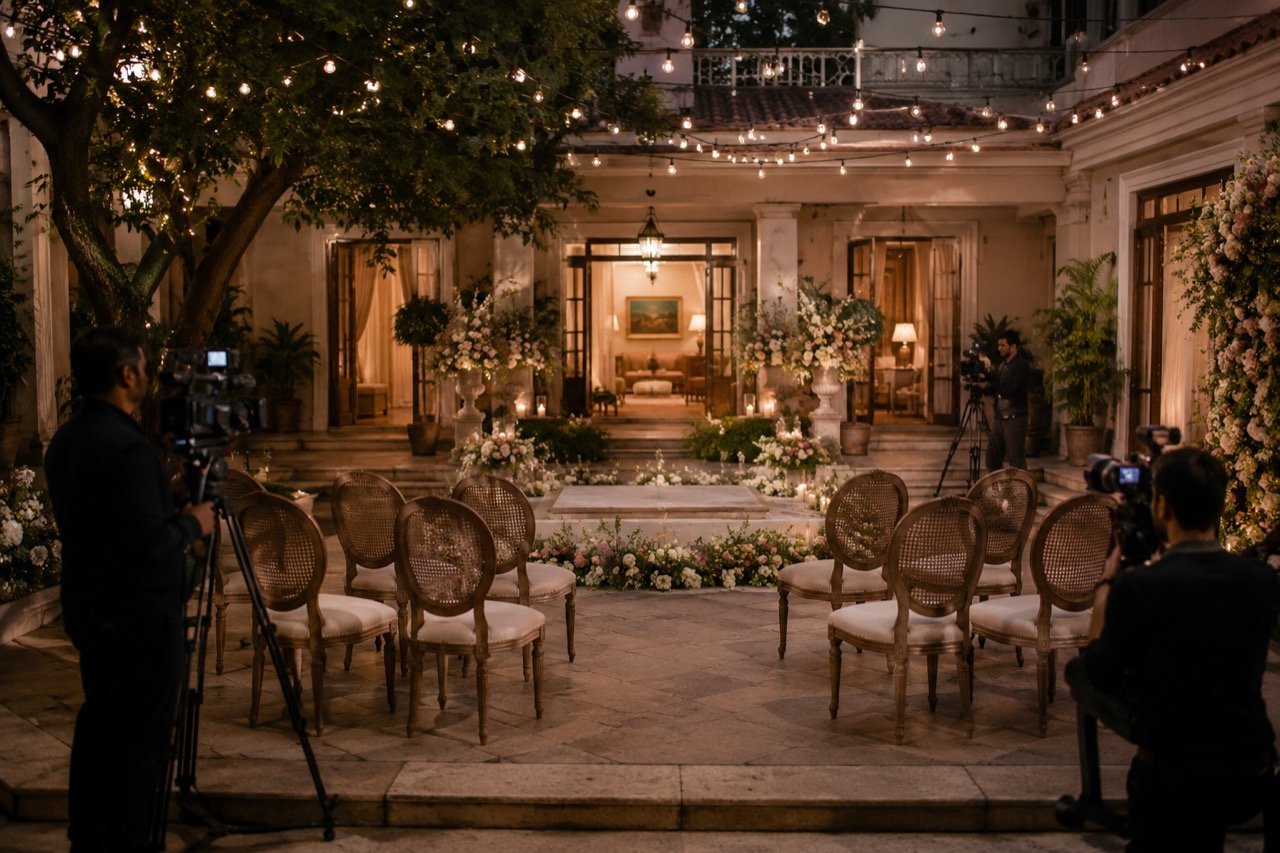
Aamir Khan's quiet July 5 wedding becomes Bollywood's big story
Reports that Aamir Khan has confirmed an intimate July 5 ceremony with Gauri Spratt have captivated Bollywood watchers precisely because the star is choosing privacy over spectacle.
More from this section
More
72nd National Film Awards: Fans Back Mammootty, Allu Arjun, Sai Pallavi
Speculation around the 72nd National Film Awards is intensifying as fan communities across India's language film industries champion favourites including Mammootty, Allu Arjun and Sai Pallavi ahead of any official announcement.
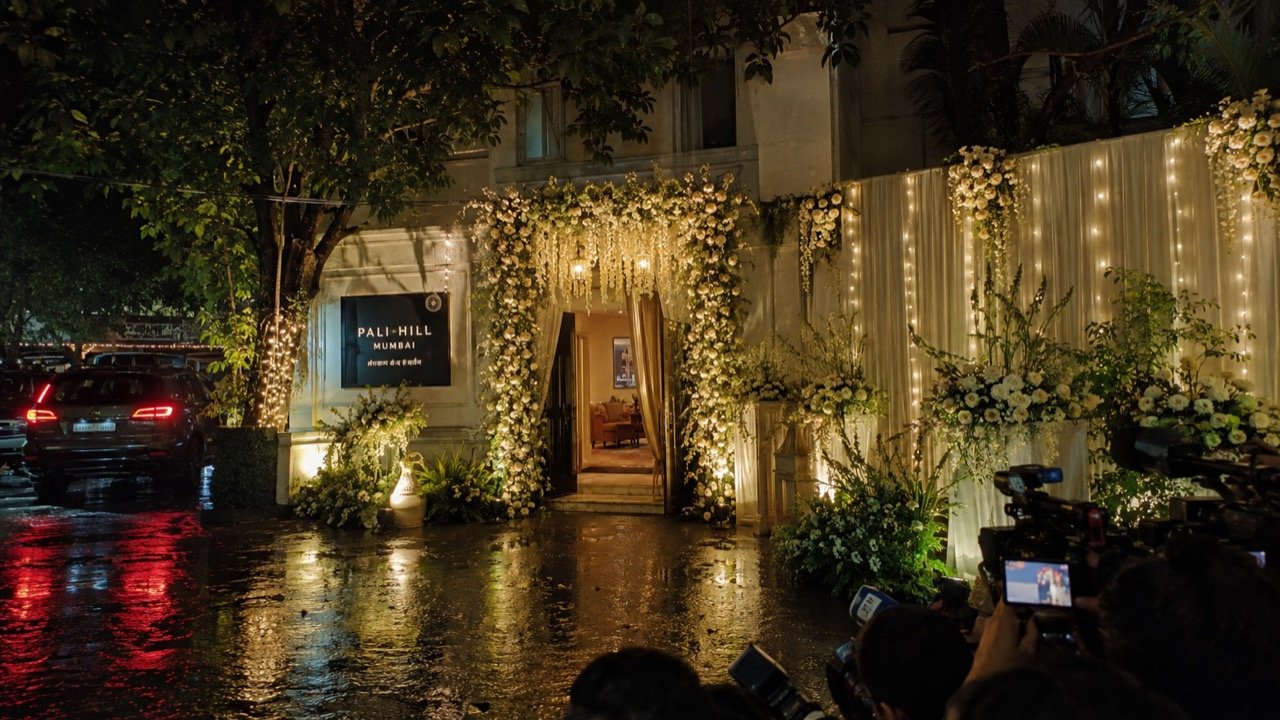
Aamir Khan Marries Gauri Spratt in Private Pali Hill Ceremony
Aamir Khan and Gauri Spratt tied the knot at the actor's Pali Hill home in Mumbai on July 5, turning a deliberately small family ceremony into Bollywood's biggest story of the day.

Akanksha Chamola's Lock Upp 2 Confession Sets Reality TV Abuzz
A personal revelation by Akanksha Chamola ahead of Lock Upp 2 has handed the reality show a viral talking point, underlining how confession-driven formats continue to dominate Indian television conversation.