Amit Shah Launches Four Digital Policing Apps to Speed Up Investigation and Prosecution
Union Home Minister Amit Shah has launched four new digital policing apps designed to link investigation, identification, forensics and prosecution within India's Integrated Criminal Justice System.
Commentary & Analysis ·
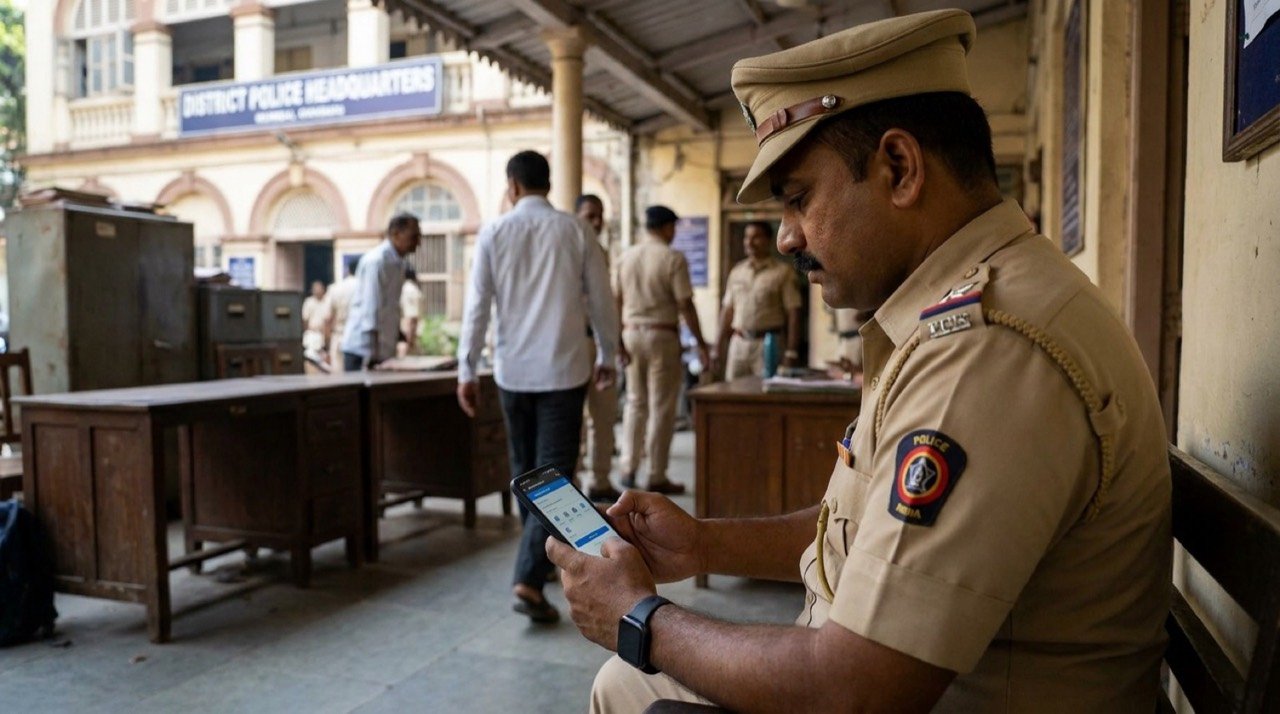
Union Home Minister Amit Shah has launched four digital policing applications aimed at making criminal investigation and prosecution faster and better coordinated. The move forms part of a broader push to bind India's policing, identification, forensic and prosecution functions into a single connected digital chain, an ambition that has been discussed in policy circles for years but has repeatedly struggled against the reality of fragmented, paper-heavy systems at the state and district level. The launch signals an attempt to move that ambition from policy documents into working software that police stations, forensic laboratories and prosecutors' offices can actually use.
What the four applications do
The newly launched tools are Abhigyan, Criminal Procedure Identification, e-Prosecution 2.0 and e-Forensics 2.0. Abhigyan is intended to serve as investigation support, while Criminal Procedure Identification handles criminal identification records. e-Prosecution 2.0 is built for prosecution management, and e-Forensics 2.0 covers forensic workflow. Together they are designed to span the lifecycle of a case, from identifying suspects and recording forensic inputs to managing the prosecution stage. Each app targets a distinct link in the justice chain, but the larger design intent is integration, ensuring that information generated at one stage flows cleanly to the next within the Integrated Criminal Justice System. This is a meaningful shift in framing: rather than four standalone products, the government is presenting them as components of one continuous digital pipeline, which is precisely where India's criminal justice system has historically leaked time, evidence and accountability.
Why a connected chain matters
The central promise is speed. By allowing case information, identification records, forensic findings and prosecution steps to move through a more connected digital workflow, the apps aim to reduce the delays that have long dogged the criminal justice process. Anyone who has followed a case through an Indian trial court knows how much time is lost simply moving physical files and forensic reports between a police station, a laboratory and a prosecutor's desk. Better coordination between police, forensic experts and prosecutors could help close the gaps that often emerge when data is siloed across departments, slowing investigations and weakening cases by the time they reach court. In principle, if a forensic finding can be logged once and accessed instantly by an investigating officer and later by a prosecutor preparing a chargesheet, the scope for delay, duplication and even the loss of evidence in transit narrows considerably. This is the kind of structural fix that, if it works as intended, could have effects well beyond any single high-profile case, touching the ordinary criminal matters that make up the bulk of the system's workload.
Implementation will decide success
Technology alone will not guarantee results. The effectiveness of these platforms will hinge on reliable data entry, adequate training for personnel, robust privacy protection and clear accountability when errors occur. Poor-quality inputs or weak safeguards could undermine the very efficiency the apps are meant to deliver. This is not a hypothetical concern in the Indian context, where digitisation drives in other sectors have sometimes stalled at the point of ground-level implementation, whether because of patchy internet connectivity in smaller towns, inconsistent training of constabulary-level staff, or simple resistance to changing long-established paper-based habits. A digital system that is fed inaccurate or incomplete data by an untrained or overburdened police station will not produce better outcomes than the paper system it replaces; it may simply produce faster, more confidently presented errors. The success of Abhigyan, Criminal Procedure Identification, e-Prosecution 2.0 and e-Forensics 2.0 will therefore be determined less by the code itself and more by the discipline with which state police forces, forensic laboratories and prosecution departments actually use them.
The stakes for different stakeholders
For investigating officers, a well-functioning integrated system could mean less time spent chasing paperwork across departments and more time on substantive investigative work. For forensic experts, e-Forensics 2.0 offers the possibility of findings reaching the right hands without the delays that have sometimes seen forensic reports arrive well after a chargesheet deadline has passed. For prosecutors, e-Prosecution 2.0 could mean access to a more complete and better-organised case file at the point of trial preparation, rather than assembling one from scattered inputs at the last moment. And for the ordinary citizen, whether as a complainant, an accused, or a witness, the promise is a justice process that moves with less arbitrary delay. But each of these stakeholders also has reason for caution. Investigating officers and prosecutors will need genuine training and institutional support, not just a mandate from the top, to use these tools effectively. Citizens, meanwhile, have a direct stake in how their personal data, including identification records, is stored, secured and used, particularly given how sensitive criminal identification data can be if mishandled or leaked.
The unresolved question of safeguards
All four systems are linked within the Integrated Criminal Justice System, which is precisely what makes the question of safeguards so important. A connected digital chain is only as strong as the quality and integrity of the data flowing through it, as one criminal-justice analyst has observed. The more tightly these systems are integrated, the more consequential any single point of failure becomes, whether that is a data entry error that propagates through the chain, a security lapse that exposes sensitive identification records, or an absence of clear rules on who is accountable when the system gets something wrong. India's legal and regulatory framework around data protection and government use of personal information remains a work in progress, and criminal justice data is among the most sensitive category of personal information a state can hold. The next phase of this rollout will be watched closely for how individual states adopt the tools, how privacy is protected in practice rather than merely in policy statements, and whether the promised gains in speed and coordination actually materialise on the ground rather than remaining a demonstration-stage achievement.
The NE Times View
Digitising the chain from investigation to prosecution could genuinely cut the delays that let cases rot for years, and integration across forensics and identification is the right ambition. There is a real and defensible logic here: a justice system where information moves seamlessly between police, forensic labs and prosecutors should, all else being equal, produce faster and more consistent outcomes than one where files travel by hand between departments that rarely talk to each other. The risk lies in the data. Powerful policing tools demand equally strong privacy safeguards and oversight, which India's legal framework still lacks in important respects. A system built to move sensitive identification and forensic information faster is, by the same logic, a system that could move that information into the wrong hands faster, or entrench forms of surveillance that outlast any legitimate investigative purpose. Technology can speed justice or entrench surveillance, and the difference between the two outcomes will not be visible in the launch event for these apps. It will be visible only over time, in how states implement them, what oversight mechanisms are put in place, and whether citizens are ever told, in clear terms, what guardrails govern the collection, storage and use of their data within this newly connected chain. Citizens deserve to know which guardrails govern these apps before celebrating their reach.
Key takeaways
- Amit Shah has launched four digital policing applications, Abhigyan, Criminal Procedure Identification, e-Prosecution 2.0 and e-Forensics 2.0, integrated within the Integrated Criminal Justice System.
- The apps are designed to connect investigation, identification, forensic and prosecution workflows to reduce the delays caused by siloed, department-by-department data handling.
- Success will depend on reliable data entry, adequate personnel training, robust privacy protection and clear accountability for errors, not on the technology alone.
- Different stakeholders, from investigating officers to prosecutors to ordinary citizens, stand to gain from faster coordination but also bear the risks of a more tightly connected data chain.
- The next phase to watch is state-level adoption, the strength of privacy safeguards, and whether promised efficiency gains are realised in practice rather than only in principle.
You may also like to read
Delhi Monsoon Tragedy: Two Children Drown in Rain-Filled Pit as Search Continues for Four Missing in Yamuna
Separate incidents in Outer North Delhi show how ordinary neighbourhood spaces and riverbanks can turn lethal during the monsoon.

Jaishankar Begins Four-Nation Gulf Tour as India Deepens West Asia Ties
External Affairs Minister S Jaishankar's July 5-10 visit to Qatar, Bahrain, Kuwait and Oman opens a packed diplomatic week, underscoring how central the Gulf has become to India's energy, trade and diaspora interests.

Arunachal Flash Flood Sweeps NEEPCO Colony in Keyi Panyor, One Dead and Four Missing
A pre-dawn cloudburst-like spell on 24 June triggered flash floods and landslides that swept away semi-permanent homes near a hydel project in Arunachal Pradesh, killing one and leaving four missing.
BJP MLA Raju Singh Jailed Four Years Over Celebratory Firing Death
A Delhi court has sentenced BJP legislator Raju Singh to four years in prison after holding him responsible for a fatal bullet fired in celebration, renewing focus on reckless gun use at private events.
More from this section
More
AICTE Industry Fellowship 2026: Rs 1.5 Lakh Scheme Closes July 5
The AICTE Industry Fellowship Programme 2026, which places technical-education faculty inside leading companies on a Rs 1.5 lakh monthly stipend, reached its application deadline on July 5.
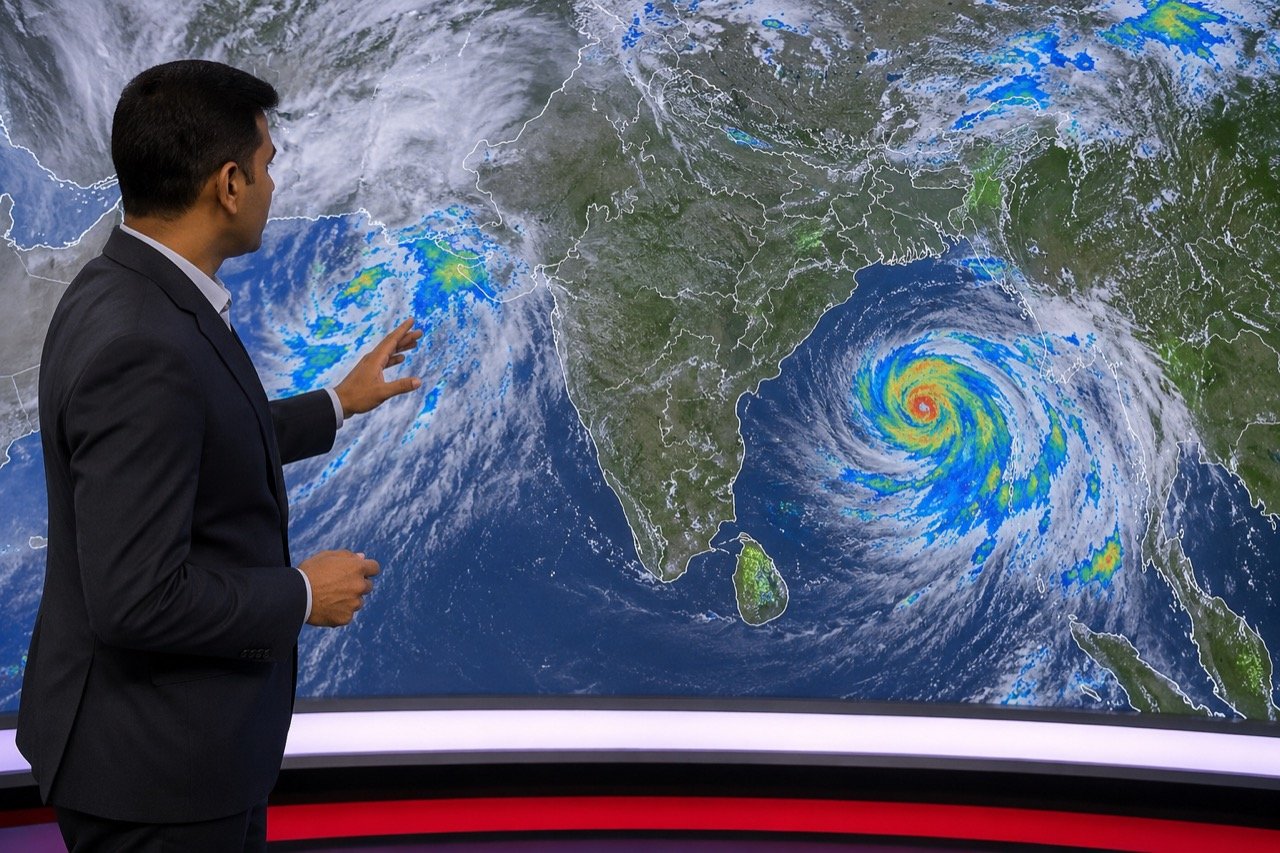
Bay of Bengal Low Pressure System Revives Monsoon Over Western India
A low-pressure system over the Bay of Bengal has pushed the monsoon back into an active phase, bringing steady heavy rain to Kerala, coastal Karnataka and Maharashtra, and putting Mumbai and Pune on preparedness watch.
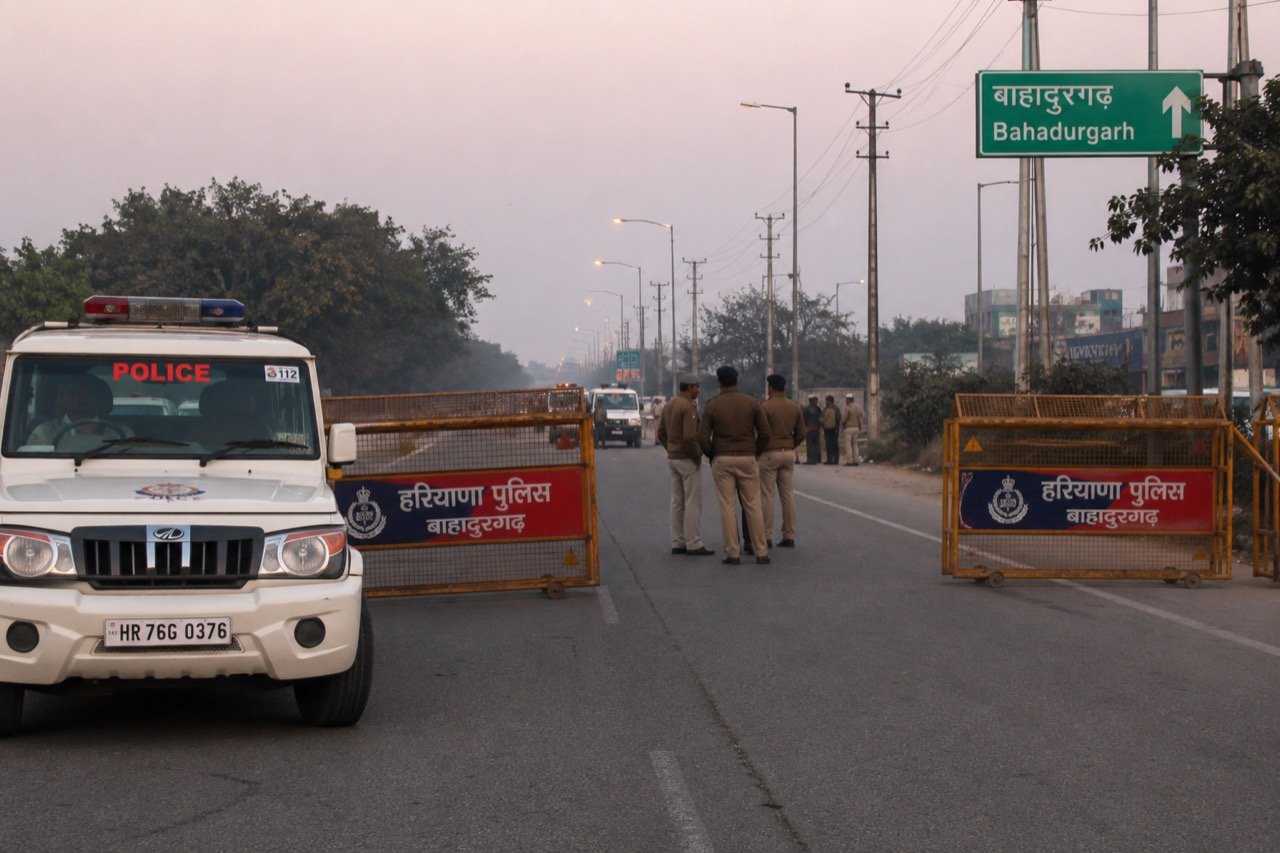
Bishnoi Gang Suspects Injured in Haryana Encounter as Police Tighten Net
A joint Haryana-Delhi Police operation in Bahadurgarh left two suspected Lawrence Bishnoi gang members injured, spotlighting the multi-state coordination now central to India's fight against organised crime networks.