Arunachal Flash Flood Sweeps NEEPCO Colony in Keyi Panyor, One Dead and Four Missing
A pre-dawn cloudburst-like spell on 24 June triggered flash floods and landslides that swept away semi-permanent homes near a hydel project in Arunachal Pradesh, killing one and leaving four missing.
Commentary & Analysis ·
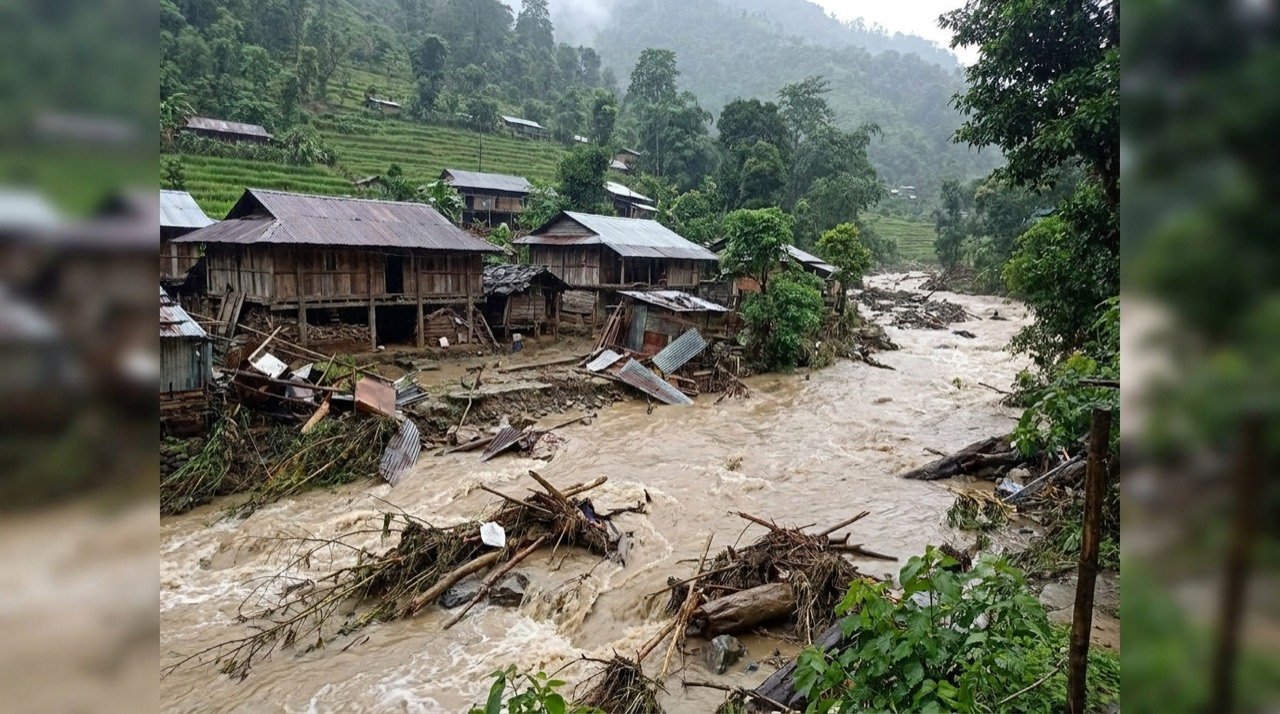
A sudden, intense spell of rain unleashed flash floods and landslides across the Poosa-Yazali belt of Keyi Panyor district in Arunachal Pradesh in the early hours of 24 June, devastating a residential colony attached to a state-run hydropower project. Officials confirmed one death and four people missing by the following day, with several others injured as torrents of water and debris tore through the settlement at roughly 6 a.m. The scale and speed of the destruction, compressed into a matter of hours, has once again exposed how precariously human settlement sits alongside the region's hydropower infrastructure in an era of increasingly erratic rainfall.
A cloudburst-like deluge
The Yazali station recorded 72.8 mm of rainfall in the 24 hours leading up to the disaster, with most of it falling in a concentrated three-hour window between 6 a.m. and 9 a.m. That concentration matters as much as the total: a downpour of this magnitude compressed into three hours behaves very differently from the same volume spread across a full day, overwhelming narrow stream catchments that have no capacity to absorb or slow such a surge. The water appears to have surged down a small unnamed stream passing through Possa village before joining the Panyor river about two kilometres upstream of the Panyor Lower Hydroelectric Project dam. This trajectory is telling: an unnamed, seemingly minor watercourse, of the kind that rarely features in formal hazard assessments, became the conduit for a destructive torrent. The force of the flow swept away around 18 semi-permanent structures in NEEPCO's colony near the project site, catching residents off guard while many were still asleep. The timing, at the tail end of the night, left little scope for warning or evacuation, a recurring feature of flash-flood disasters in hill terrain where water can travel from source to settlement in minutes rather than hours.
Roads cut, infrastructure battered
The disaster severed connectivity across the district at precisely the moment when swift rescue and relief movement was most needed. Three stretches of National Highway 13 were blocked, stranding travellers, while the Poosa-Ziro road was cut at Pitapool and several other points. The State Emergency Operations Centre logged widespread damage to power lines, electric poles, bridges, culverts, water-supply systems, retaining walls and flood-protection works. This cascading failure of connecting infrastructure is a familiar secondary effect of such events in the Northeast: a single extreme rainfall episode does not merely damage one site but ripples outward, cutting off relief convoys, delaying medical evacuation, and isolating communities that were not directly hit by the floodwaters but now find themselves stranded regardless. The very flood-protection works meant to guard against such events were themselves among the casualties, a sobering detail that raises questions about whether existing mitigation infrastructure in the district was designed for events of this intensity.
The human and operational toll
Rescue teams, hampered by blocked roads and continuing rain, worked through the day to trace those carried away by the waters. The combination of a still-active weather system and a crippled road network meant that search efforts had to proceed under conditions nearly as hostile as those that caused the disaster in the first place. For the families of the four people still missing as of 25 June, the days following such an event are agonising, caught between hope and the grim mathematics of flash-flood survival rates, which fall sharply after the first hours. For NEEPCO, a state-run hydropower entity, the episode is not only a humanitarian crisis but an operational and reputational one: a colony built to house its workforce near a live project site has now become the epicentre of a fatal disaster, inviting scrutiny of how such colonies are sited, protected and, if necessary, relocated.
A warning for the monsoon ahead
The episode underscores the heightened vulnerability of Himalayan and northeastern catchments to short, violent rainfall bursts, a pattern scientists link to a warming climate. As the atmosphere holds more moisture, rainfall increasingly arrives not as steady, absorbable precipitation but as short, intense bursts that overwhelm small catchments before soils or drainage systems can respond. With the India Meteorological Department forecasting heavy to very heavy rain over the northeast through the week, the Keyi Panyor disaster is unlikely to be an isolated incident this season. Authorities have ordered an investigation into the colony's siting and drainage even as relief operations continue, a necessary first step, though the value of such investigations depends heavily on whether their findings translate into binding changes rather than filed reports. The state government has signalled compensation for affected families and a review of construction near vulnerable stream channels, commitments that will need to be tracked closely in the weeks ahead, both for their implementation and for whether they extend beyond this single colony to the broader pattern of settlement near hill streams across the district and the state.
Why this keeps happening
What makes this disaster particularly instructive is the modest scale of the stream involved. It was not a major river in obvious flood but an unnamed tributary, the kind of watercourse that rarely appears on hazard maps or in siting assessments for infrastructure and housing. This is precisely the blind spot that recurs across the Northeast's hill districts: attention and planning tend to focus on named rivers and known flood zones, while the thousands of small, steep, fast-draining streams that criss-cross the hills are treated as background terrain rather than active hazards. Yet it is exactly these narrow catchments, with steep gradients and little storage capacity, that are most prone to the kind of sudden, violent surge seen at Keyi Panyor. Any serious hazard-mapping exercise for the region will need to grapple with this reality, cataloguing minor streams and their catchments with the same rigour currently reserved for major rivers, particularly wherever permanent or semi-permanent human settlement, including project colonies, has been permitted nearby.
The NE Times View
Another cloudburst, another colony swept away near a hydel project: the pattern in the Northeast's fragile hills is impossible to ignore. Building permanent settlements in known flash-flood paths below dams is a planning failure, not just bad luck. The recurrence of this exact configuration, a workforce colony attached to a hydropower project, sited near a stream channel, overwhelmed by a sudden downpour, suggests an institutional blind spot rather than a one-off misfortune. As extreme rainfall intensifies, the region needs serious hazard mapping and relocation, not repeated post-disaster condolences. Investigations ordered after the fact are welcome, but they are only meaningful if they result in enforceable changes: relocation of vulnerable colonies, engineered drainage capable of handling short, intense bursts, and an honest reassessment of where hydropower infrastructure and the people who service it should be allowed to live. Compensation, while necessary, addresses the aftermath rather than the cause. Without a shift toward genuine preventive planning, the region risks marking the same tragedy under a different place name each monsoon.
Key takeaways
- One person confirmed dead and four missing after flash floods struck NEEPCO's colony in Keyi Panyor district on 24 June, with about 18 semi-permanent structures swept away.
- Yazali recorded 72.8 mm of rain in 24 hours, most of it in a three-hour window, illustrating how short, intense bursts rather than total rainfall drive such disasters.
- Three stretches of NH-13 and the Poosa-Ziro road were blocked, along with damage to bridges, power lines and water supply, hampering rescue efforts and isolating the district.
- Authorities have ordered a probe into the colony's siting and drainage and signalled compensation, but the real test lies in whether findings lead to relocation and hazard mapping rather than remaining on paper.
- With IMD forecasting more heavy rain over the Northeast, similar risks persist across other hydropower colonies and settlements built near small, previously unmapped hill streams.
You may also like to read
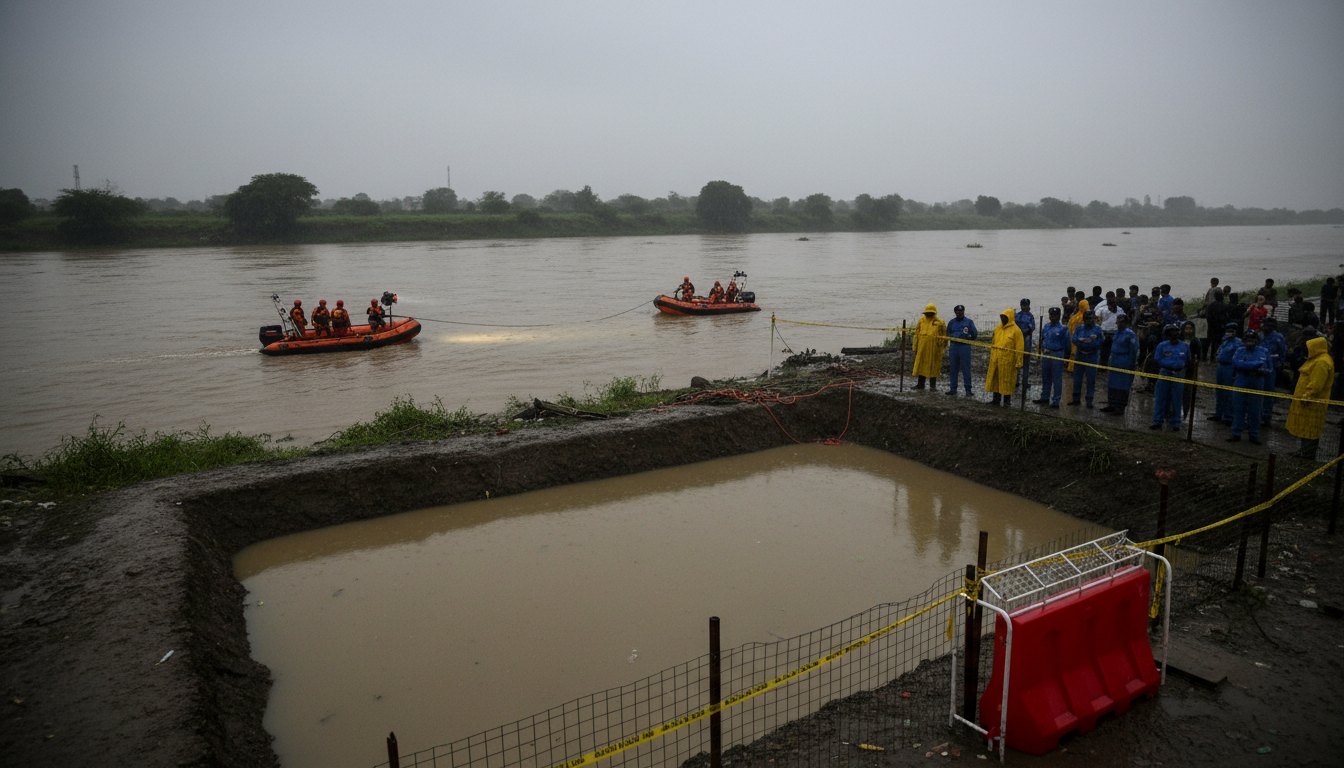
Delhi Monsoon Tragedy: Two Children Drown in Rain-Filled Pit as Search Continues for Four Missing in Yamuna
Separate incidents in Outer North Delhi show how ordinary neighbourhood spaces and riverbanks can turn lethal during the monsoon.
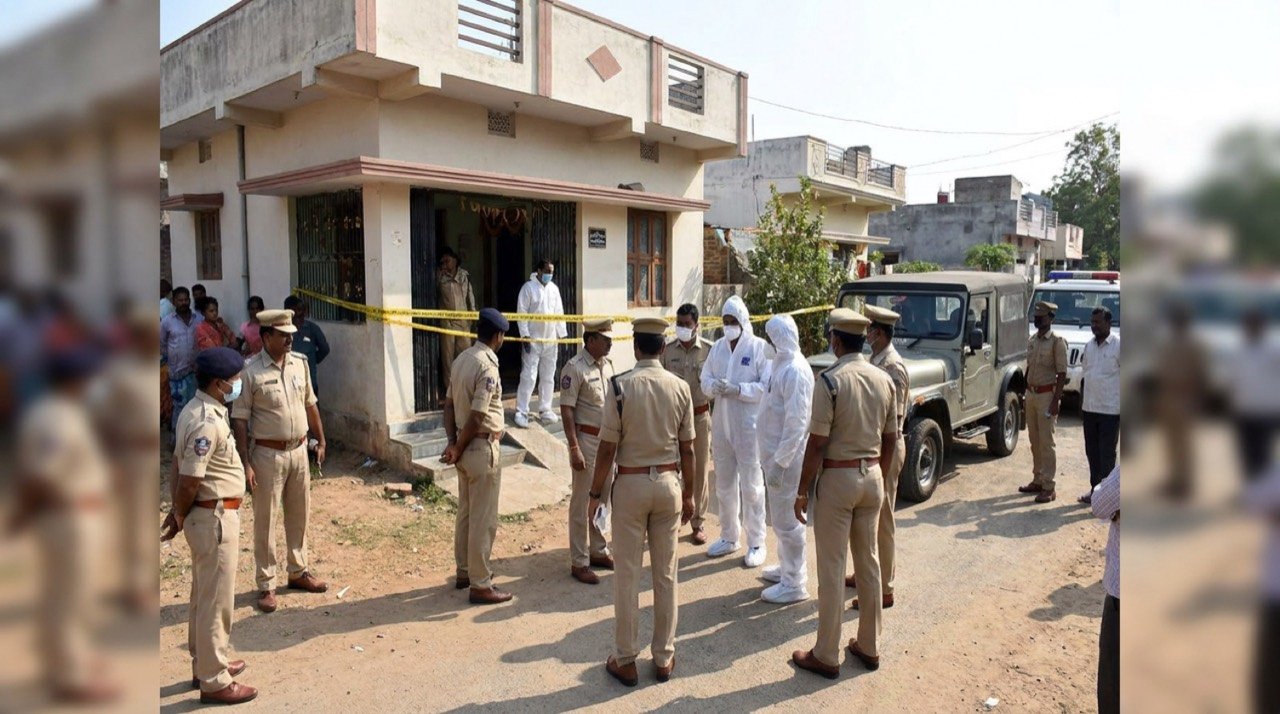
Nalgonda Businessman's Family of Four Found Dead at Home; Police Launch Careful Probe
Four members of a businessman's family were found dead inside their home in Nalgonda, Telangana, leaving the neighbourhood in shock as police begin a methodical investigation into the unexplained deaths.
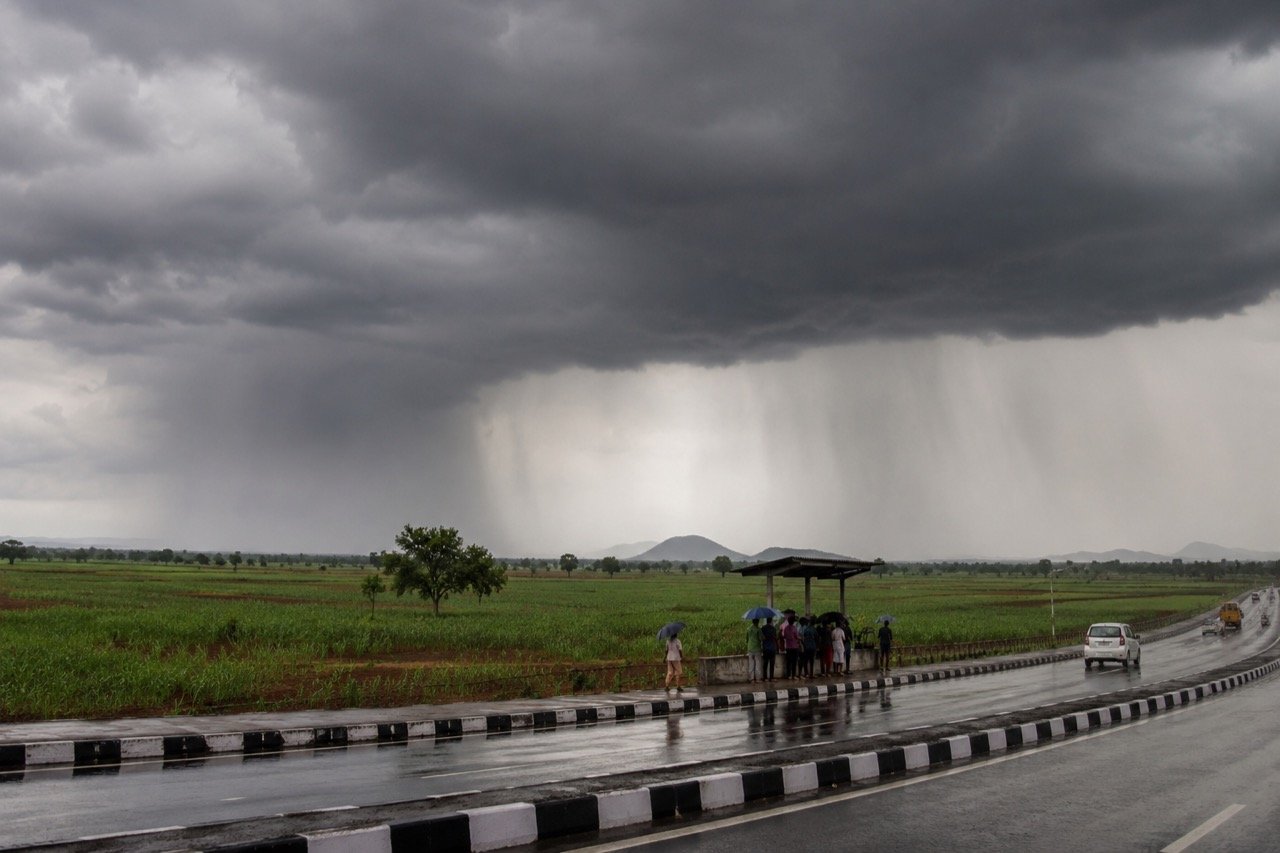
IMD Forecast: Active Monsoon Over Central India Narrows Rain Deficit
The IMD expects the southwest monsoon to stay active over central India for four to five days, driven by a Bay of Bengal low-pressure system that has sharply narrowed the season's rainfall deficit.

Bay of Bengal Low Pressure System Revives Monsoon Over Western India
A low-pressure system over the Bay of Bengal has pushed the monsoon back into an active phase, bringing steady heavy rain to Kerala, coastal Karnataka and Maharashtra, and putting Mumbai and Pune on preparedness watch.
More from this section
More
AICTE Industry Fellowship 2026: Rs 1.5 Lakh Scheme Closes July 5
The AICTE Industry Fellowship Programme 2026, which places technical-education faculty inside leading companies on a Rs 1.5 lakh monthly stipend, reached its application deadline on July 5.
Bay of Bengal Low Pressure System Revives Monsoon Over Western India
A low-pressure system over the Bay of Bengal has pushed the monsoon back into an active phase, bringing steady heavy rain to Kerala, coastal Karnataka and Maharashtra, and putting Mumbai and Pune on preparedness watch.
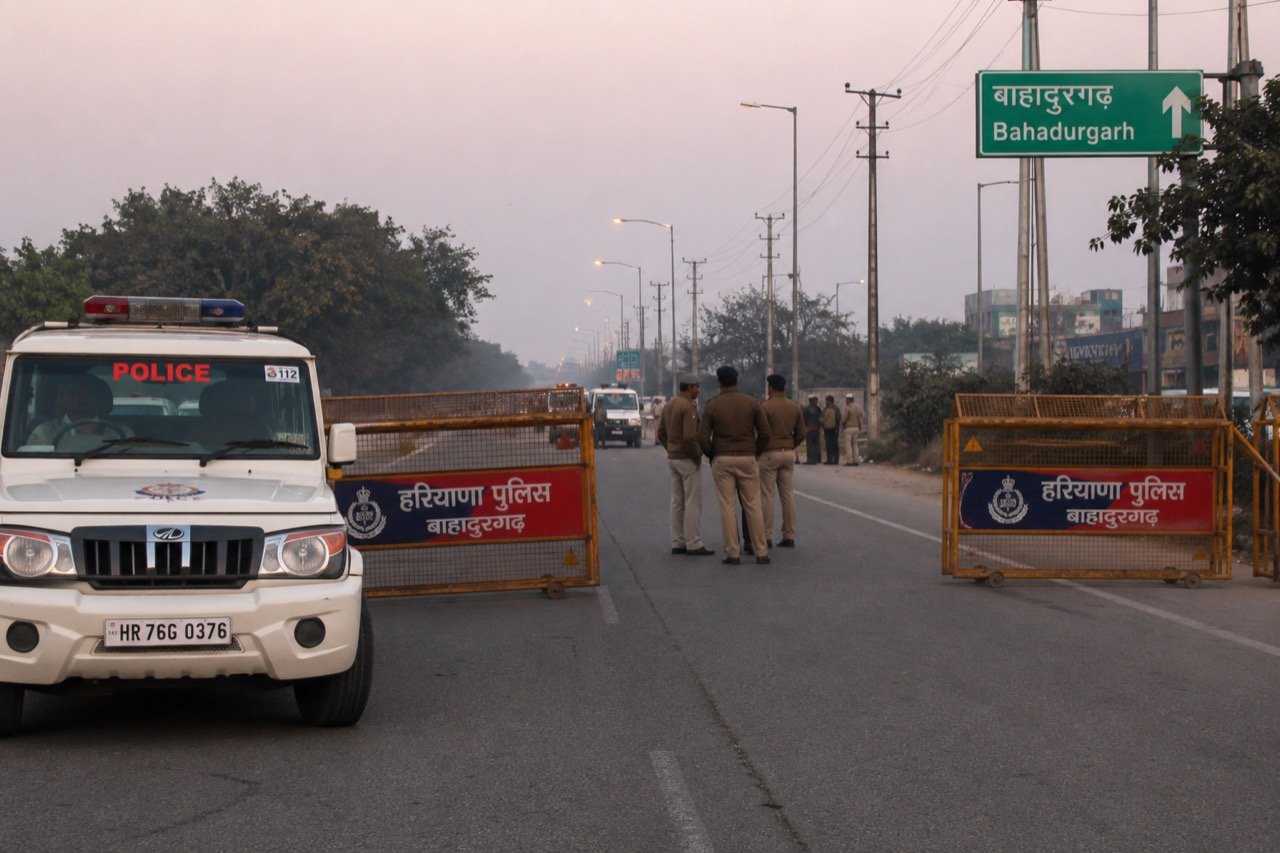
Bishnoi Gang Suspects Injured in Haryana Encounter as Police Tighten Net
A joint Haryana-Delhi Police operation in Bahadurgarh left two suspected Lawrence Bishnoi gang members injured, spotlighting the multi-state coordination now central to India's fight against organised crime networks.