Amazon India Bets Big on Quick Commerce With Everyday Essentials Push
Amazon India is scaling its everyday-essentials strategy with more than 100 urban fulfilment centres and minutes-to-next-day delivery, sharpening its fight against Blinkit, Zepto and Swiggy Instamart in the fast-growing quick-commerce market.
Commentary & Analysis ·
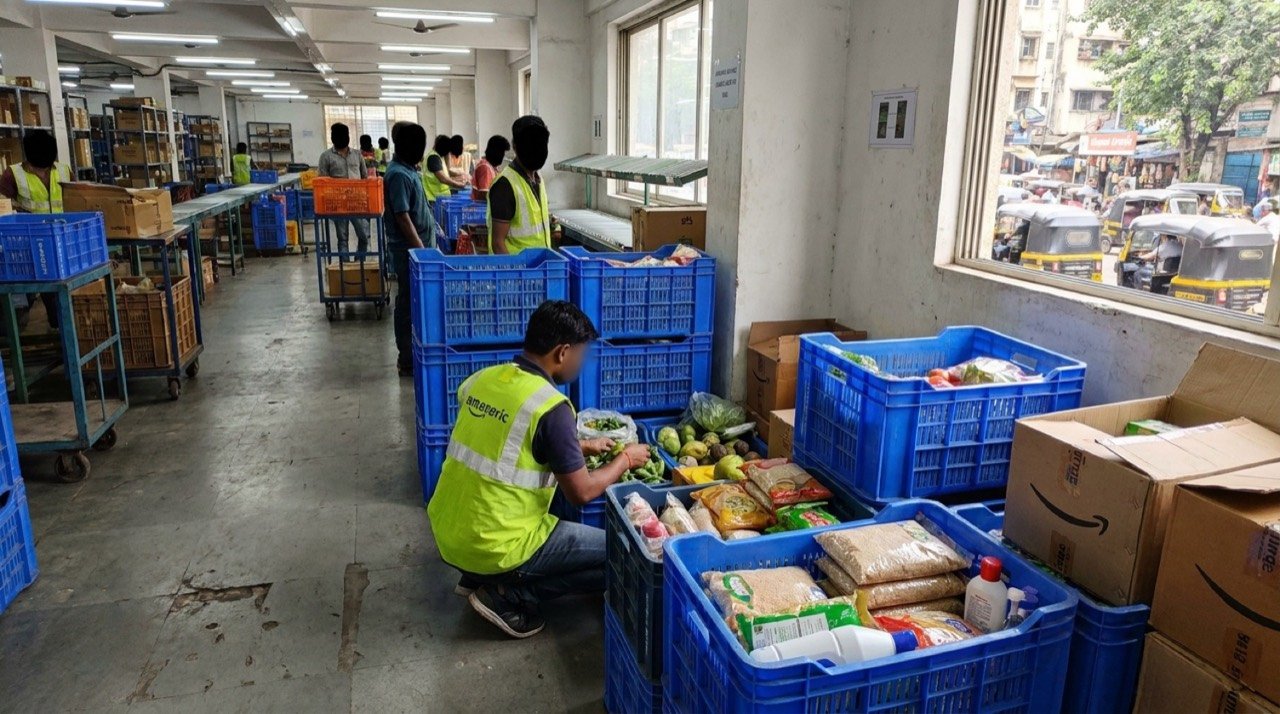
Amazon India is recasting everyday essentials as the centrepiece of its retail strategy, signalling a serious bid for India's booming quick-commerce market. Recent business coverage describes a build-out of more than 100 urban fulfilment centres and a deliberately wider selection of products engineered for delivery in anywhere from minutes to the next day, a shift that places groceries and household staples at the heart of how the company wants Indians to shop.
From occasional buys to daily habits
The logic behind the pivot is rooted in shopping behaviour. Electronics and fashion drive occasional, high-value purchases, but daily essentials, groceries, household items, personal care, baby products and fresh categories, build routine. A customer who reaches for the same app every few days to restock milk, snacks or toiletries forms a habit far stickier than one who shops a few times a year.
Reports suggest daily essentials now account for a major share of orders on the platform, validating the strategic emphasis. Through Amazon Now and an expanding fulfilment footprint, the company is positioning itself to capture the high-frequency, low-ticket transactions that define the quick-commerce model.
The infrastructure behind speed
Delivering essentials in minutes is far harder than it looks. It demands dense networks of small, strategically located fulfilment centres, sophisticated inventory management and, for fresh and perishable goods, a reliable cold chain. The reported expansion to over 100 large fulfilment centres ahead of major sale events reflects how capital-intensive the race has become.
Seller integration is another pillar. Knitting together a broad assortment from multiple suppliers while guaranteeing availability and speed is a logistical balancing act, and execution here will determine whether the promise of fast delivery is consistently met.
A crowded and competitive field
Amazon enters a market already shaped by aggressive, well-funded rivals. Success will hinge less on ambition than on the operational fundamentals that customers feel every day.
- Inventory depth across groceries, fresh, personal care and baby products.
- A dependable cold chain for perishables and fresh categories.
- Delivery density that makes minutes-fast fulfilment viable in cities.
- Seamless seller integration to keep a wide selection in stock.
- Customer trust built on consistency, freshness and reliability.
“Daily essentials are what turn a shopper into a regular. Win the grocery basket and you win the habit.”
— Retail sector analyst
The outcome of this push will play out against incumbents such as Blinkit, Zepto, Swiggy Instamart and Flipkart-backed services, all vying for the same urban customer. With deep pockets and a vast logistics base, Amazon has the resources to compete, but in quick commerce, the decisive factor is rarely scale alone, it is whether the order arrives fast, fresh and right, every time.
The NE Times View
Amazon's late but heavy entry confirms quick commerce is now the battleground, not a niche. With Blinkit, Zepto and Instamart already entrenched, its real weapons are deep pockets and logistics scale, which could trigger another costly subsidy war. The question worth watching is who pays: investors funding the burn, or the gig workers and dark-store economics underpinning ten-minute promises. Convenience for consumers rarely arrives without someone, somewhere, absorbing the loss.
This article is original commentary and analysis by The NE Times. Background facts were referenced from The Economic Times and Business Standard.
You may also like to read

Zepto files updated DRHP for Rs 8,010 crore IPO as early backers line up partial exit
The quick-commerce pioneer's refreshed prospectus pairs a large fresh-capital raise with a heavy offer-for-sale, setting up one of the most closely watched new-economy listings of the year.
India Retail Inflation Rises to 4.38% in June 2026 as Food Prices Push CPI Above RBI’s Target
The first breach of the central bank’s 4% midpoint in 17 months puts household budgets, monsoon conditions and the interest-rate outlook back in focus.

India Steel Emission Targets: Draft Rules Push Decarbonisation
The Centre's draft emission cut targets for the iron and steel sector move India's climate policy from broad pledges to sector-specific rules, placing one of its hardest-to-abate industries under a defined framework.

India Refining Capacity Expansion Powers New Energy Push
India's plans to expand oil refining capacity are back in the spotlight, underlining how fuel infrastructure remains central to demand, exports and energy security even as the clean-energy transition gathers pace.
More from this section
More
Adani Case: US DOJ Pushes for Permanent Dismissal of Charges
The US Department of Justice has urged a judge to permanently dismiss charges against Gautam Adani, calling the case legally flawed — a reversal with consequences for markets, diplomacy and cross-border enforcement.

Akasa Air Inducts 40th Aircraft in Indian Aviation Scale-Up
Akasa Air's 40th aircraft, ferried to Bengaluru via Seattle, Reykjavik and Cairo, marks a fleet milestone for the young carrier and a fresh signal that India's aviation market remains firmly in expansion mode.
BARC Ratings Suspension Leaves Indian TV Industry Flying Blind
BARC's pause on television ratings has put India's broadcast measurement system under fresh scrutiny, leaving broadcasters, advertisers and media planners without the weekly audience data that anchors the TV economy.