Adivi Sesh's G2 Rolls Into Hyderabad as Spy Sequel Gains Pace
Reports that the next schedule of Adivi Sesh's G2 will be shot in Hyderabad have put the Goodachari sequel back in the spotlight, signalling steady progress for one of Telugu cinema's most anticipated spy franchises.
Commentary & Analysis ·
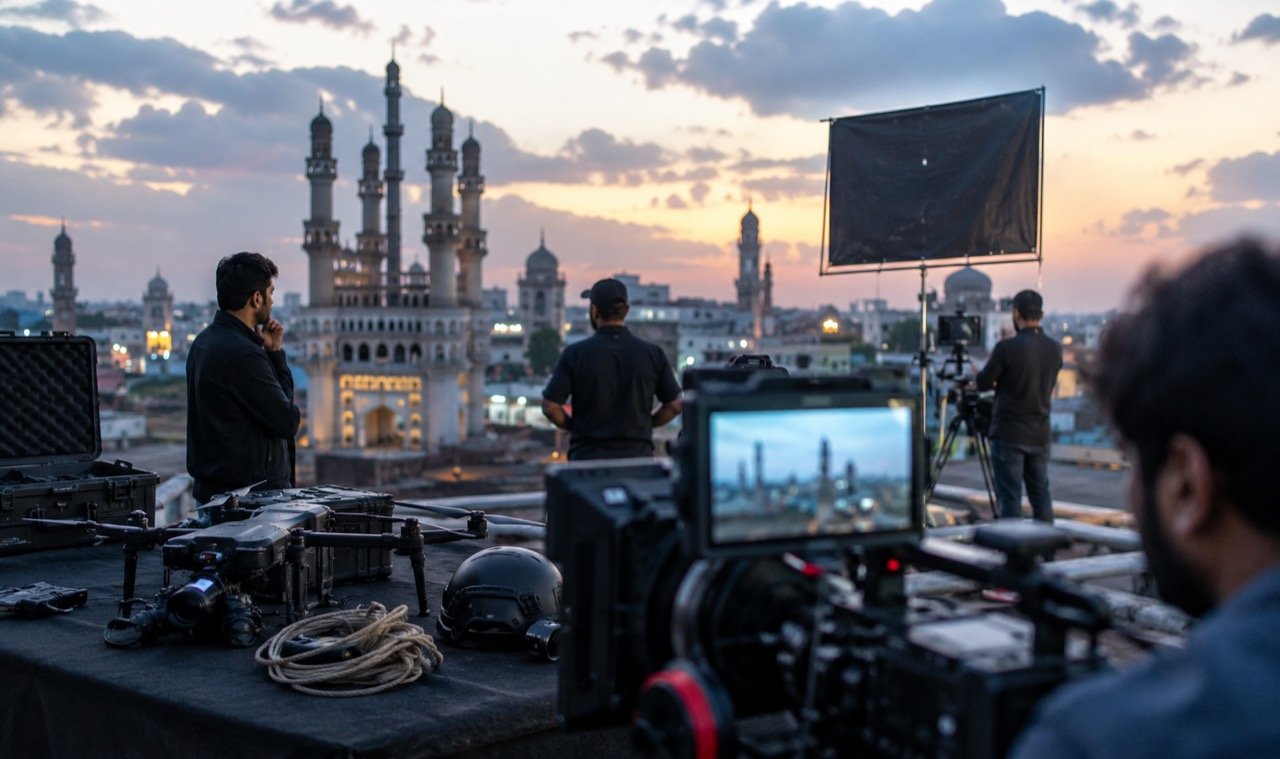
Adivi Sesh's spy sequel G2 is back in entertainment conversation after reports that its next shooting schedule will take place in Hyderabad. For followers of the Goodachari universe, production movement of this kind is often the clearest signal that a long-awaited sequel is genuinely advancing toward completion, rather than languishing in the pre-production limbo that so many announced franchise films fall into. News of a schedule, however incremental it may seem to outsiders, tends to carry outsized weight for a project that has been discussed for years without a firm release date attached to it.
Why Hyderabad, and why it matters
The choice of Hyderabad is telling. The city offers Telugu action cinema deep technical infrastructure, from studio floors to specialised crews experienced in staging the kind of controlled, technically demanding sequences that spy thrillers depend on. A schedule there suggests the team is building core material in a production environment it knows well, rather than chasing exotic backdrops for their own sake. This is a meaningful distinction in an industry where announcing a foreign leg of shooting is often treated as a marketing beat in itself. By contrast, a Hyderabad schedule signals that the makers are prioritising substance over spectacle at this stage of the shoot, focusing on getting the film's foundational scenes right before, presumably, any overseas or scale-driven sequences are added later.
For a production of this profile, the logistics also matter practically. Working from a home base allows for tighter continuity, more predictable scheduling, and closer collaboration between the director, the technical departments and the lead actor, who in this case is also closely associated with the franchise's creative direction. None of this guarantees quality, but it does suggest a methodical approach to execution rather than a rushed attempt to capitalise on nostalgia for the original.
The weight of a smart original
High expectations from a smart original carry significant weight because Goodachari earned a reputation as a sharp, tightly plotted Telugu spy thriller with genuine national crossover appeal. It was not a film that relied on scale or star wattage alone; its strength lay in economical storytelling, procedural detail and a sense that the plot had been thought through rather than assembled from genre tropes. That reputation is precisely what makes G2 both an opportunity and a risk. The sequel's challenge is to scale up without diluting the precision that made the first film stand out — bigger canvas, same discipline. Audiences who embraced Goodachari for its intelligence rather than its noise will be watching closely to see whether that DNA survives the inevitable pressure to deliver a "bigger" sequel.
This tension between scale and discipline is one of the more interesting subplots of the G2 story. Franchises that expand often do so by adding more action, more locations and more supporting characters, sometimes at the cost of the tight plotting that made the original work. Whether G2 resists that temptation, or embraces it while still keeping its narrative coherent, will likely determine how it is received critically, even if it performs well commercially regardless.
A crowded spy landscape
The competitive backdrop has changed since the original released. Hindi, Telugu and Tamil industries have all invested heavily in agents, covert missions and franchise storytelling, meaning the spy genre in Indian cinema is far more saturated today than it was when Goodachari first carved out its niche. To cut through, G2 will need more than generic action: a distinctive lead, credible tension, clean set pieces and emotional stakes that justify the follow-up. Simply revisiting familiar spy-thriller beats will not be enough to distinguish it from the growing number of similarly themed films and series competing for the same audience attention.
For Adivi Sesh, whose brand rests on researched, controlled thrillers, the Hyderabad schedule will be read as a sign of creative momentum, not just logistics. Sesh has built a reputation, both as an actor and as a driving creative force behind projects like this one, for meticulous preparation and a preference for grounded, plausible storytelling over exaggerated action. That reputation is itself an asset in a crowded market, since audiences and industry observers alike tend to extend patience to filmmakers who have previously delivered on similar promises.
What steady, unhurried production signals to the industry
There is also a broader industry lesson embedded in how G2 is being made. Sequels to well-loved originals often face pressure to move quickly, both to satisfy studio economics and to capture audience goodwill before it fades. The alternative path, taking the time needed to get the film right, carries its own risks, chiefly that of audience fatigue or the loss of relevance in a fast-moving content landscape. The fact that a Hyderabad schedule is being reported as a fresh development, years after the franchise was first extended, suggests the makers are willing to accept that risk in exchange for a more considered production process.
This approach also puts a spotlight on how trade media and audiences track franchise films in the absence of firm release dates. Incremental updates, a schedule here, a casting confirmation there, become the primary currency of sustained interest. Handled well, as appears to be the case here, this can keep a franchise alive in public consciousness without resorting to premature promotional pushes that risk overselling an unfinished product.
The NE Times View
G2 is quietly becoming a test case for how Indian film franchises should be built. Rather than rushing a sequel to cash in on goodwill, the team has taken its time, and steady production updates like this Hyderabad schedule keep audience interest warm without overpromising. That patience matters in a market where the spy genre risks exhaustion from sheer volume. If G2 preserves the intelligence of Goodachari while expanding its scale, it could show southern cinema a sustainable franchise model, one anchored in craft and character rather than star spectacle alone. The film's next milestones, from casting confirmations to a release window, deserve close watching.
Key takeaways
- G2's next shooting schedule is set for Hyderabad, a sign of genuine production momentum for the long-anticipated Goodachari sequel.
- The Hyderabad base reflects reliance on Telugu cinema's established technical infrastructure rather than a push for exotic scale.
- The sequel must balance a bigger canvas with the narrative precision that made the original Goodachari a standout spy thriller.
- Increased competition from Hindi, Telugu and Tamil spy franchises raises the bar for what will make G2 distinctive.
- A patient, steady production approach may offer a sustainable model for franchise-building in Indian cinema.
You may also like to read
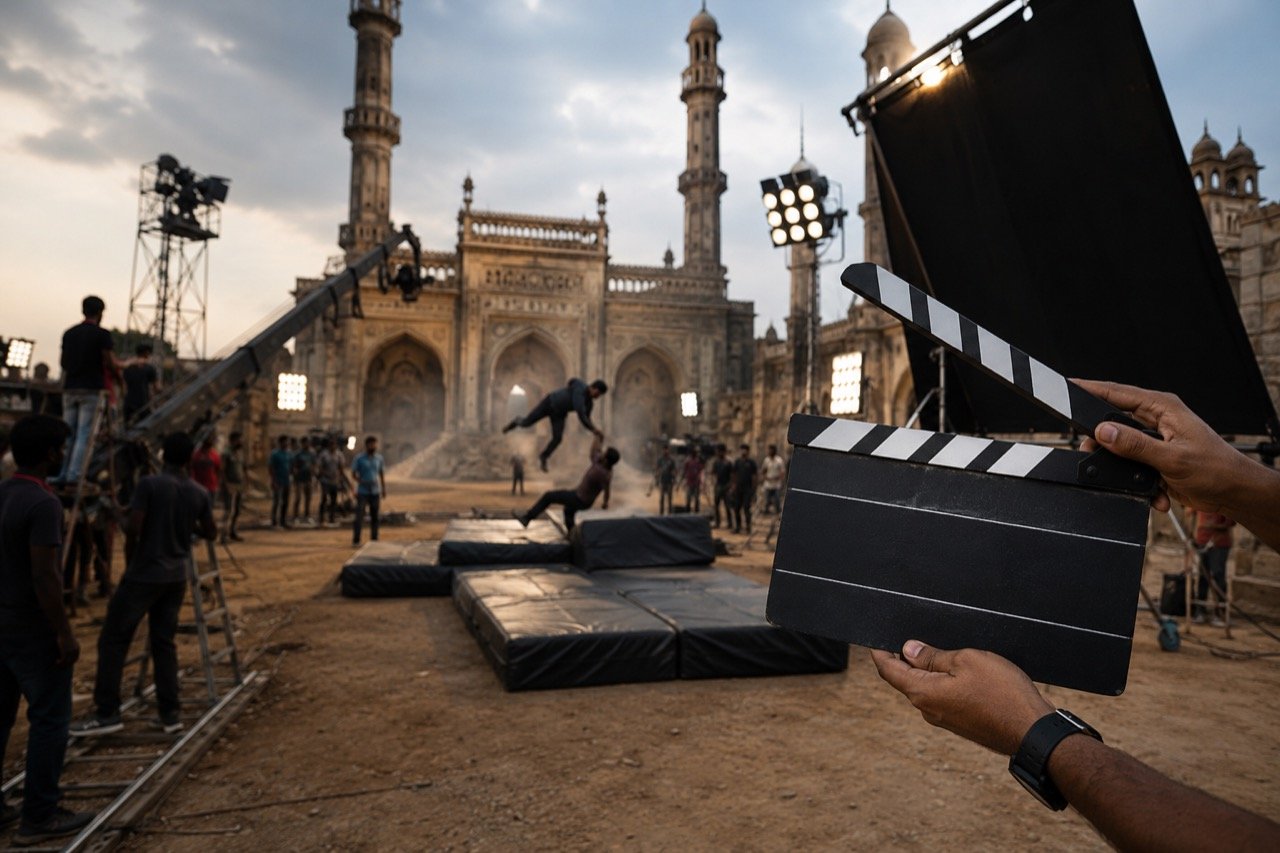
G2 Update: Adivi Sesh Begins Crucial July Schedule on Hyderabad Set
Adivi Sesh's Goodachari sequel G2 enters what the actor calls its most important phase, with a major July shooting schedule and a massive action set reportedly built in Hyderabad.

Rao Bahadur: Adivi Sesh Praise Puts Satyadev's Act in Focus
Adivi Sesh's public praise for Satyadev's intense performance in Rao Bahadur has shifted the conversation around the Telugu mystery thriller from box-office numbers to craft, giving the film a fresh talking point.
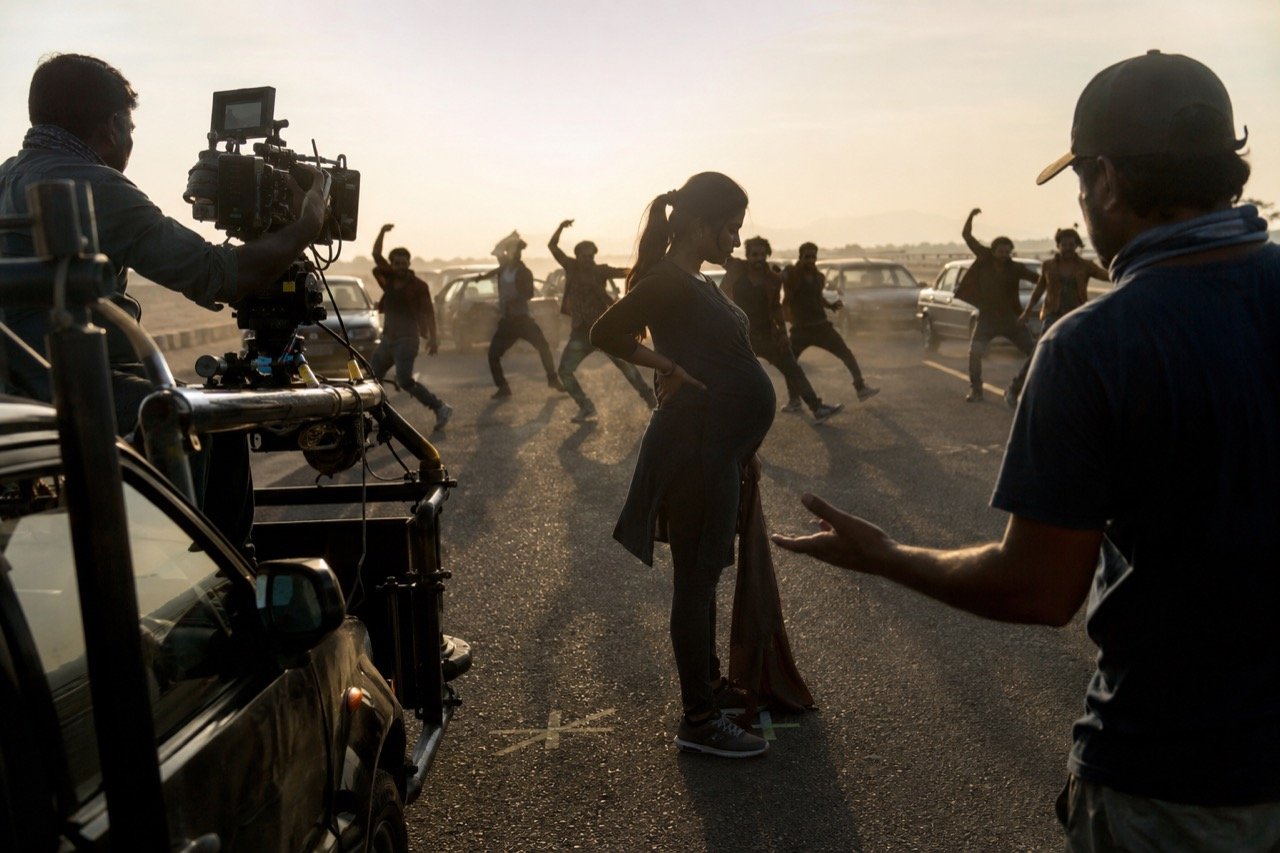
Samantha Shoot Anecdote Puts Film Set Safety Back in Focus
Director Nandini Reddy's account of Samantha Ruth Prabhu filming a song and car-chase sequence during pregnancy has reopened questions about scheduling, safety and support on demanding South Indian film sets.
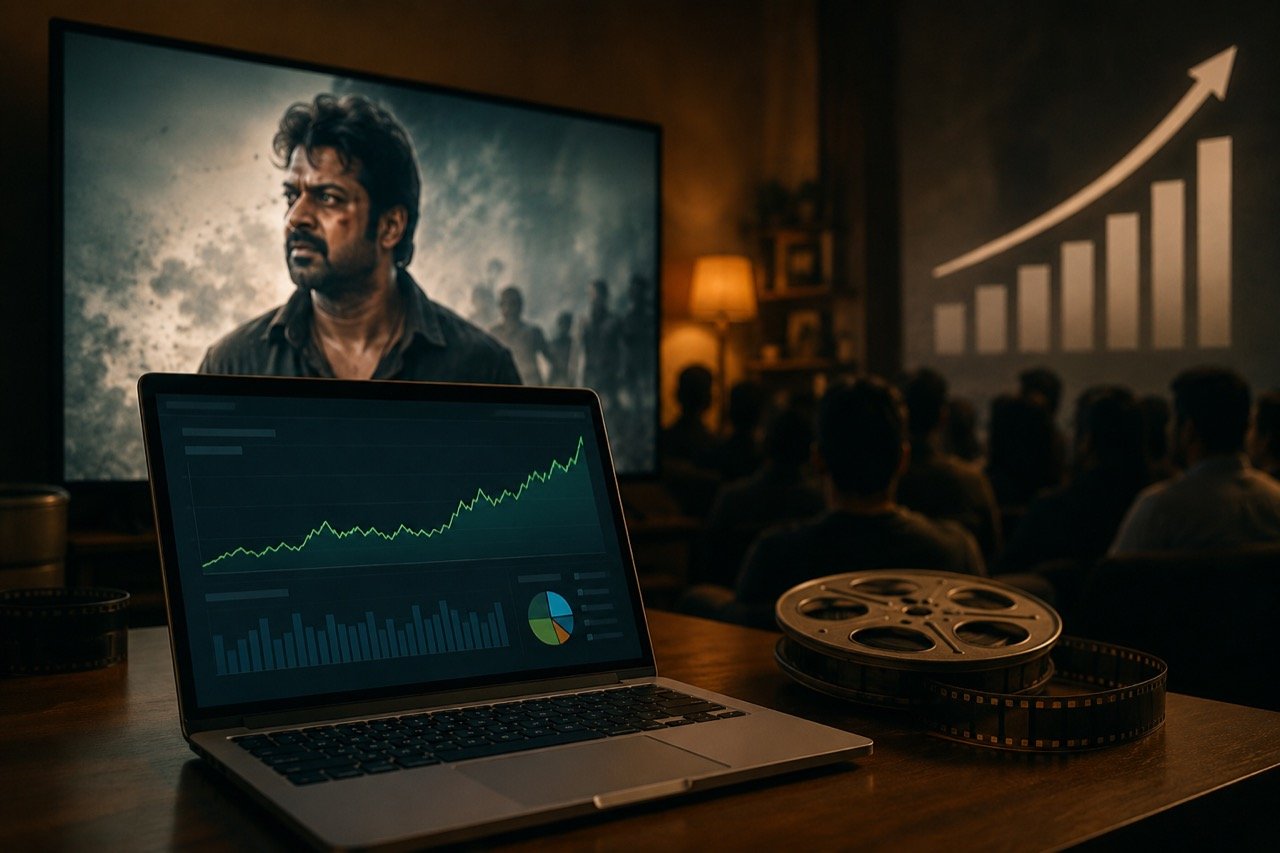
Jaya Janaki Nayaka's Streaming Surge Rewrites Its Flop Verdict
Once written off at the box office, the Telugu film Jaya Janaki Nayaka — known to Hindi audiences as Khoonkhar — has amassed extraordinary online viewership, forcing a rethink of what success means for Indian cinema.
More from this section
More
72nd National Film Awards: Fans Back Mammootty, Allu Arjun, Sai Pallavi
Speculation around the 72nd National Film Awards is intensifying as fan communities across India's language film industries champion favourites including Mammootty, Allu Arjun and Sai Pallavi ahead of any official announcement.

Aamir Khan Marries Gauri Spratt in Private Pali Hill Ceremony
Aamir Khan and Gauri Spratt tied the knot at the actor's Pali Hill home in Mumbai on July 5, turning a deliberately small family ceremony into Bollywood's biggest story of the day.
Akanksha Chamola's Lock Upp 2 Confession Sets Reality TV Abuzz
A personal revelation by Akanksha Chamola ahead of Lock Upp 2 has handed the reality show a viral talking point, underlining how confession-driven formats continue to dominate Indian television conversation.