Rao Bahadur: Adivi Sesh Praise Puts Satyadev's Act in Focus
Adivi Sesh's public praise for Satyadev's intense performance in Rao Bahadur has shifted the conversation around the Telugu mystery thriller from box-office numbers to craft, giving the film a fresh talking point.
Commentary & Analysis ·
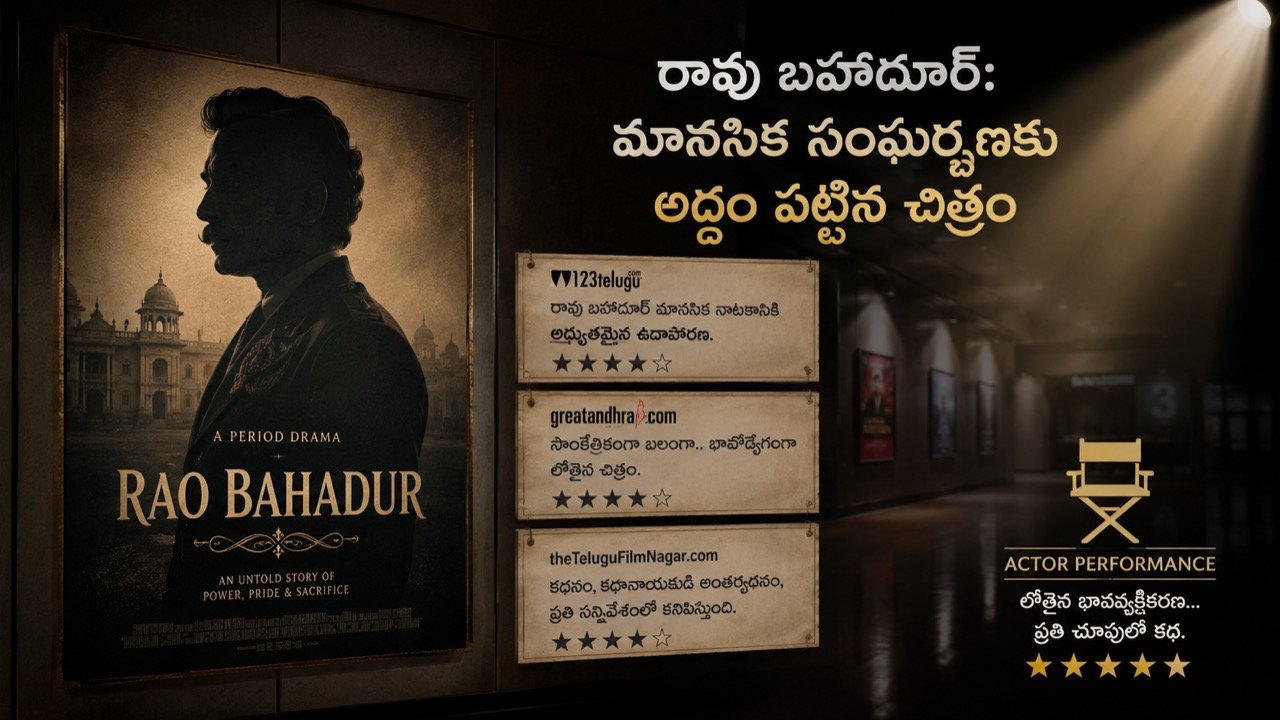
Rao Bahadur, the Satyadev-led mystery drama that opened to a mixed early response, has found an unexpected second wind. Fellow Telugu actor Adivi Sesh publicly praised Satyadev's intense performance in the film, and the endorsement — reported by The Times of India — has handed the thriller a conversation point that goes beyond its box-office test. In an industry where a film's fate is so often decided within the first three days of release, this kind of intervention from a respected peer is worth examining closely, both for what it says about Rao Bahadur specifically and for what it reveals about how Telugu cinema discourse is evolving.
A mixed opening and the search for a second narrative
Rao Bahadur arrived in cinemas as a mystery drama anchored by Satyadev, an actor who has steadily built a name for himself in performance-led thrillers rather than star-vehicle spectacles. Its early response, by most accounts, was mixed — neither an outright rejection nor a runaway success, but the kind of tepid start that leaves a film's commercial trajectory genuinely undecided. For films in this position, the first weekend often threatens to become the only story anyone tells about them. Collection figures circulate quickly, trade analysts render early verdicts, and a film can find itself defined by numbers before most of its potential audience has even had the chance to watch it. It is precisely into this narrow window that Adivi Sesh's public praise has arrived, offering Rao Bahadur a second narrative thread at a moment when it might otherwise have been left with only the first.
Why a peer endorsement changes the frame
Performance endorsements carry real weight in regional cinema coverage because they can redirect attention from collection charts to craft. When one actor singles out another's work, it invites audiences to judge the film on tone, character work and the central performance rather than opening-weekend numbers alone. This is a subtle but meaningful shift in framing. A box-office chart tells audiences whether a film is being watched; it says nothing about whether it is any good. An actor's endorsement, by contrast, speaks directly to quality as perceived by someone with professional insight into the craft of performance — someone who understands, from the inside, how difficult it is to sustain intensity and credibility across a role.
Satyadev has built his reputation on actor-driven thrillers, and his audience skews towards viewers who choose films for performances rather than spectacle. This is an important detail, because it means the audience Rao Bahadur is trying to reach is already predisposed to respond to exactly the kind of signal Adivi Sesh has just sent. These are viewers who read reviews, follow actor interviews, and make viewing decisions based on word of mouth about performance quality rather than trailer spectacle or franchise pull. A public note of appreciation from Adivi Sesh — himself associated with crafted, performance-first projects like Major and HIT 2 — gives exactly that audience a reason to revisit Rao Bahadur, or to seek it out for the first time if they had overlooked it amid the noise of a crowded release calendar.
The particular credibility of this endorsement
Not all endorsements are equal, and the source here matters. Adivi Sesh is not a casual commentator on Telugu cinema; his own body of work has been built on the same foundation Satyadev is working from — films that prioritise grounded, credible performances over broader commercial formulas. Major, in particular, was received as a performance-centred tribute that leaned on emotional authenticity rather than genre spectacle, and HIT 2 sits within a franchise built on procedural tension and character discipline. When an actor with that specific track record praises another actor's "intense performance" in a mystery drama, the comment carries the credibility of shared professional territory. It reads less like a courtesy remark exchanged between colleagues and more like a peer recognising difficult, specific work — the sort of endorsement that industry watchers and audiences alike tend to take seriously precisely because it comes from someone qualified to judge it.
Praise is not a verdict
None of this settles the film's commercial outcome. Praise from a peer does not rewrite collection charts, and Rao Bahadur still faces the same box-office arithmetic it did before. It would be a mistake to read Adivi Sesh's comments as a guarantee of the film's success, or even as evidence that its opening numbers will materially improve in the days ahead. Box office is governed by a wide range of factors — screen availability, competing releases, regional distribution patterns, and the sheer unpredictability of audience mood — that a single endorsement cannot override. What the endorsement does is define what viewers are being asked to notice — atmosphere and credibility, the elements on which a mystery drama's engagement genuinely depends, as much as its plot twists. In other words, it shifts the terms of the conversation without changing the underlying commercial facts. That distinction matters, and it is worth holding onto as the film's run continues.
What this means for word-of-mouth and the film's longer run
Mystery dramas, by their nature, tend to depend heavily on word of mouth rather than opening-weekend hype, because their appeal often rests on tension, atmosphere and a credible central performance rather than easily marketed set pieces. A film like Rao Bahadur, built around Satyadev's intensity as an actor, is arguably better served by a slow-burn discovery process than by a single explosive opening weekend that then fades. Endorsements of the kind offered by Adivi Sesh feed directly into that slower discovery process. They give critics, casual viewers and industry commentators a specific quality to discuss and evaluate, which in turn can extend a film's visibility on social media, in entertainment coverage and eventually on streaming platforms, where mystery dramas often find audiences well after their theatrical window has closed. For a film that opened to a mixed response, this extended runway may prove more valuable than a stronger opening weekend followed by a rapid drop-off.
The NE Times View
The Rao Bahadur episode illustrates a healthy correction in how Telugu film discourse works. Box-office trackers dominate the first weekend of every release, often burying the question of whether a film is actually well made. Peer endorsements like Adivi Sesh's act as a counterweight, keeping craft in the conversation and giving mid-budget, actor-driven films a longer discovery window on word of mouth and streaming. This matters beyond the fate of any single film. An industry that judges every release solely by its first three days of collections risks starving exactly the kind of performance-driven, mid-budget cinema that actors like Satyadev and Adivi Sesh have built their careers on. For Indian audiences, that is a useful reminder: a film's opening numbers and its artistic worth are separate questions, and the second one often takes longer to answer. Rao Bahadur's ultimate fate — whether it becomes a modest theatrical performer that finds a fuller life on streaming, or fades quietly — will likely be decided over weeks rather than days, and endorsements of this kind are part of what keeps that longer conversation alive.
Key takeaways
- Adivi Sesh's public praise for Satyadev's performance in Rao Bahadur, reported by The Times of India, has given the mixed-opening thriller a fresh talking point centred on craft rather than collections.
- The endorsement carries particular credibility because Adivi Sesh's own work, including Major and HIT 2, is built on the same performance-first foundation as Satyadev's thrillers.
- Peer praise reframes what audiences are asked to notice — atmosphere and credibility — but does not itself alter the film's box-office arithmetic.
- Mystery dramas typically rely on word-of-mouth and streaming discovery rather than opening-weekend numbers, making this kind of endorsement especially valuable for extending a film's relevance.
- The episode reflects a broader, healthy shift in Telugu film discourse towards separating a film's commercial performance from its artistic merit.
You may also like to read
Rao Bahadur Box Office: Satyadev Mystery Drama Faces Crucial Test
Satyadev's psychological mystery drama Rao Bahadur has opened to mixed response, and its first-weekend word of mouth will now decide whether critical curiosity converts into a commercially sustainable theatrical run.
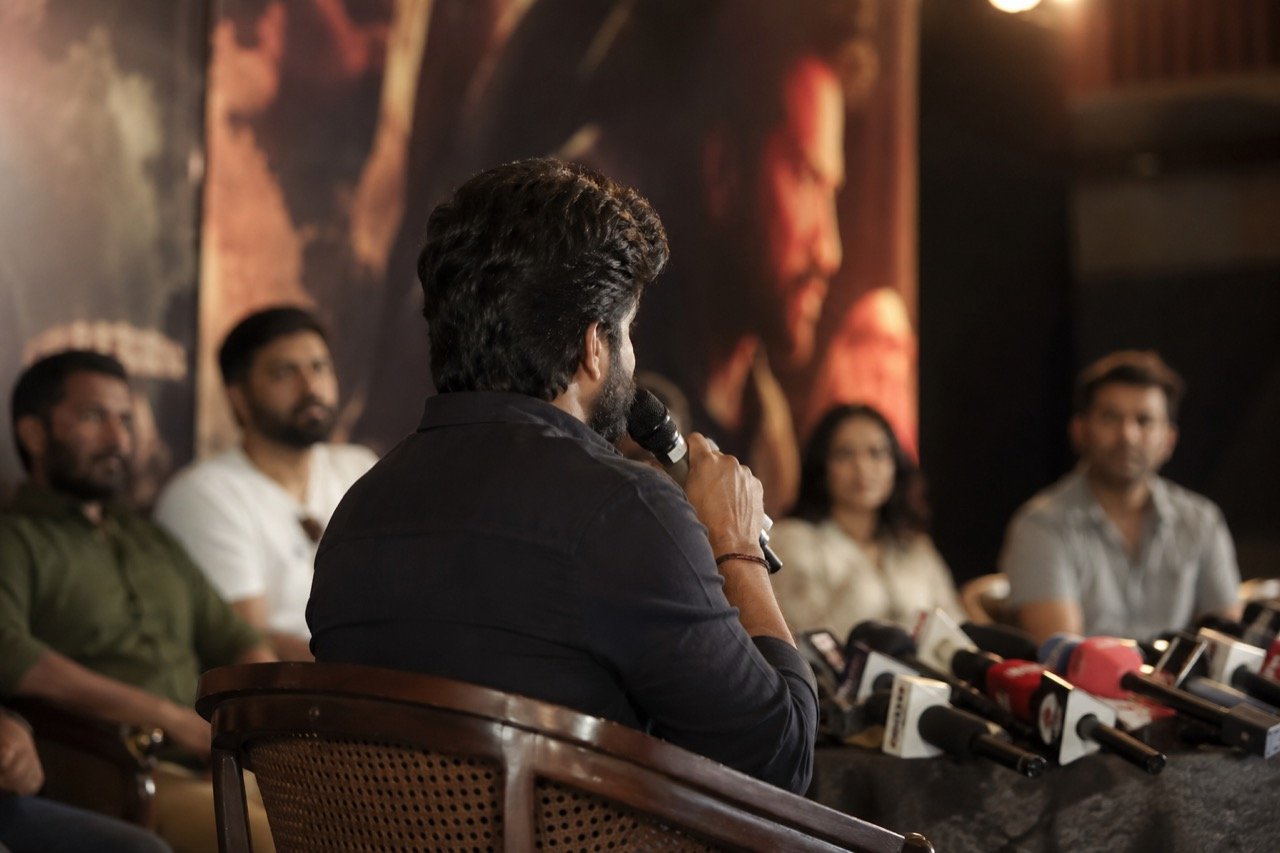
Satya Dev Reveals He Nearly Passed on Rao Bahadur Lead Role
Satya Dev's success-meet admission that he once urged director Venkatesh Maha to cast another hero in Rao Bahadur has added a candid behind-the-scenes chapter to the Telugu psychological drama's rise.

G2 Update: Adivi Sesh Begins Crucial July Schedule on Hyderabad Set
Adivi Sesh's Goodachari sequel G2 enters what the actor calls its most important phase, with a major July shooting schedule and a massive action set reportedly built in Hyderabad.
Rao Bahadur Review Buzz: An Inheritance Drama About More Than Property
Review coverage has pushed Rao Bahadur into the conversation as a strange, stubborn family drama that asks what people inherit beyond land and houses — memory, resentment and unresolved duty.
More from this section
More
72nd National Film Awards: Fans Back Mammootty, Allu Arjun, Sai Pallavi
Speculation around the 72nd National Film Awards is intensifying as fan communities across India's language film industries champion favourites including Mammootty, Allu Arjun and Sai Pallavi ahead of any official announcement.

Aamir Khan Marries Gauri Spratt in Private Pali Hill Ceremony
Aamir Khan and Gauri Spratt tied the knot at the actor's Pali Hill home in Mumbai on July 5, turning a deliberately small family ceremony into Bollywood's biggest story of the day.

Akanksha Chamola's Lock Upp 2 Confession Sets Reality TV Abuzz
A personal revelation by Akanksha Chamola ahead of Lock Upp 2 has handed the reality show a viral talking point, underlining how confession-driven formats continue to dominate Indian television conversation.