Rao Bahadur Box Office: Satyadev Mystery Drama Faces Crucial Test
Satyadev's psychological mystery drama Rao Bahadur has opened to mixed response, and its first-weekend word of mouth will now decide whether critical curiosity converts into a commercially sustainable theatrical run.
Commentary & Analysis ·

Satyadev's Rao Bahadur has entered the make-or-break phase of its theatrical run, opening to a mixed response that leaves the psychological mystery drama under close box-office watch. The film has drawn interest for its unconventional tone and an intense lead performance, but the question now is whether that curiosity translates into sustained footfall. In an industry where the first few days at the ticket window often decide a film's fate long before word of its quality has fully travelled, Rao Bahadur's opening period is proving to be exactly the sort of test that separates films with staying power from those that fade quickly, regardless of their merit.
A familiar dilemma for experimental Telugu cinema
Rao Bahadur's challenge is one experimental Telugu cinema knows well. A layered mystery can earn praise from viewers who enjoy demanding storytelling while leaving audiences seeking straightforward commercial entertainment cold. This is not a new problem, but it is one that resurfaces with each new film that dares to depart from familiar genre templates. Mystery dramas built around psychological tension and ambiguity ask something different of an audience than a conventional thriller or a mass entertainer: they ask for patience, for a willingness to sit with uncertainty rather than have every thread resolved neatly. That is precisely what makes such films valuable to serious cinema-goers, and precisely what makes them a commercial gamble.
That split typically makes the first weekend decisive. Strong word of mouth can stabilise a film, giving it the momentum to hold or even expand its screen count into the second week. Divided reactions, on the other hand, can see a film's screen count shrink within days, as exhibitors reallocate shows to titles with more predictable turnover. This is the blunt arithmetic of theatrical distribution: a film does not get judged purely on its artistic ambition but on how quickly it fills seats, and an experimental film rarely gets the luxury of a slow build that more mainstream releases sometimes enjoy.
Performance praised, style divisive
Early reports suggest Satyadev's performance has been widely appreciated even where the film's unusual narrative style has divided opinion. Coverage around the film has even framed it as a kind of surreal cinema that Indian audiences rarely see, a description that speaks both to its ambition and to the risk embedded in that ambition. When a film's craft is singled out for praise while its accessibility is questioned, it tends to produce exactly the kind of polarised response Rao Bahadur appears to be generating: admiration among those willing to engage with its demands, and hesitation among those who simply want a more conventional night at the cinema.
That tension between admiration for craft and hesitation over accessibility is the heart of this box-office story, and it matters more than any single day's collection figure. Collection numbers on their own tell only part of the story; what they conceal is the underlying pattern of who is watching, why, and whether that audience is wide enough to sustain a run once the initial curiosity has been satisfied. A film can open modestly and still find its footing if the people who do watch it become vocal advocates. Equally, a film can open with curiosity-driven footfall and still stall if that curiosity is not followed by conversion into broader audience trust.
Why the middle space matters for Telugu cinema
The stakes extend beyond one film. Telugu cinema's health depends on its middle space — the thrillers, dramas and experiments that sit between star-driven spectacles and small indies. This middle space is often overlooked in conversations that focus on blockbuster openings or festival-circuit indies, yet it is arguably the segment that does the most to keep an industry creatively vital. It is where actors take on roles that stretch them, where directors test narrative structures that would be too risky for a big-budget spectacle, and where audiences are given something other than the two extremes of mass entertainment or niche art-house cinema.
Whether Rao Bahadur finds a commercially respectable run will signal how much room that middle space currently has. If the film manages to hold its ground despite a divisive reception, it offers encouragement to producers and directors who might otherwise steer away from ambiguous, mood-driven storytelling. If it falters quickly, it reinforces a more cautious industry instinct: that anything short of immediate mass appeal is too risky to greenlight. Given how closely other filmmakers and studios watch these outcomes when planning their own slates, Rao Bahadur's trajectory carries implications well beyond its own runtime.
What stakeholders are watching for
For Satyadev, an actor whose performance has already drawn attention, the commercial outcome of Rao Bahadur will shape perceptions of his ability to anchor unconventional projects. A strong run reinforces his standing as a performer capable of carrying material outside the commercial mainstream; a weak one, however unfair given the praise for his acting, risks being read by the industry as evidence that such roles do not sell tickets. For distributors and exhibitors, the film's week-two performance will determine screen allocation decisions that ripple into how confidently they back similarly styled films in future. And for audiences themselves, this is a moment of quiet influence: how they respond in these early days effectively votes on what kind of cinema gets made next.
It is also worth noting how these dynamics interact with the broader release calendar. Films competing for the same screens in a crowded period can squeeze out titles that need more time to build an audience through word of mouth. Whether Rao Bahadur is given that time, or whether it is quickly overtaken by newer releases, will itself be a telling data point about how much patience the current distribution ecosystem has for slow-burn successes.
The NE Times View
Rao Bahadur is exactly the kind of film an industry should want to succeed, whatever its final numbers. Tollywood's global reputation was built on spectacle, but its long-term creative depth depends on actors like Satyadev taking risks in unfashionable genres. If every experiment must win its opening weekend or vanish, writers will stop experimenting, and the industry will gradually narrow itself to safer, more formulaic fare. Audiences hold real power here: sampling an unconventional film in its first week is what keeps such films being made. We would rather see a flawed original tested in theatres than another safe template — and the box office verdict on Rao Bahadur will tell us which instinct Telugu audiences reward. The coming days will reveal whether curiosity about Satyadev's performance and the film's surreal ambitions can be converted into the kind of sustained, word-of-mouth-driven footfall that experimental cinema needs to survive commercially.
Key takeaways
- Rao Bahadur has entered a decisive early phase of its theatrical run, with a mixed response placing it under close box-office watch.
- Satyadev's performance has drawn praise even as the film's unconventional, surreal narrative style has divided viewers.
- The film's fate will test how much room Telugu cinema's "middle space" of thrillers, dramas and experiments currently has between star spectacles and indies.
- Screen counts and future backing for similar experimental projects may hinge on whether Rao Bahadur can sustain a respectable run.
- The NE Times view is that audiences, by choosing to sample such films early, hold the real power to keep original storytelling alive in Tollywood.
You may also like to read

Rao Bahadur: Adivi Sesh Praise Puts Satyadev's Act in Focus
Adivi Sesh's public praise for Satyadev's intense performance in Rao Bahadur has shifted the conversation around the Telugu mystery thriller from box-office numbers to craft, giving the film a fresh talking point.

Maa Inti Bangaaram Box Office: Samantha Film Nears Rs 90 Cr Worldwide
Samantha Ruth Prabhu's action drama has slowed with a 34.8 percent day-15 dip, yet its Rs 54.70 crore India net and near-Rs 90 crore worldwide gross keep it among the season's durable Telugu releases.

Cocktail 2 Tops Rs 84 Crore, Now Faces Its Crucial Weekday Test
Shahid Kapoor, Kriti Sanon and Rashmika Mandanna's romantic sequel has crossed Rs 84 crore in eleven days, but a Monday dip means the film's real verdict now rests on how it holds through the weekdays.
Satya Dev Reveals He Nearly Passed on Rao Bahadur Lead Role
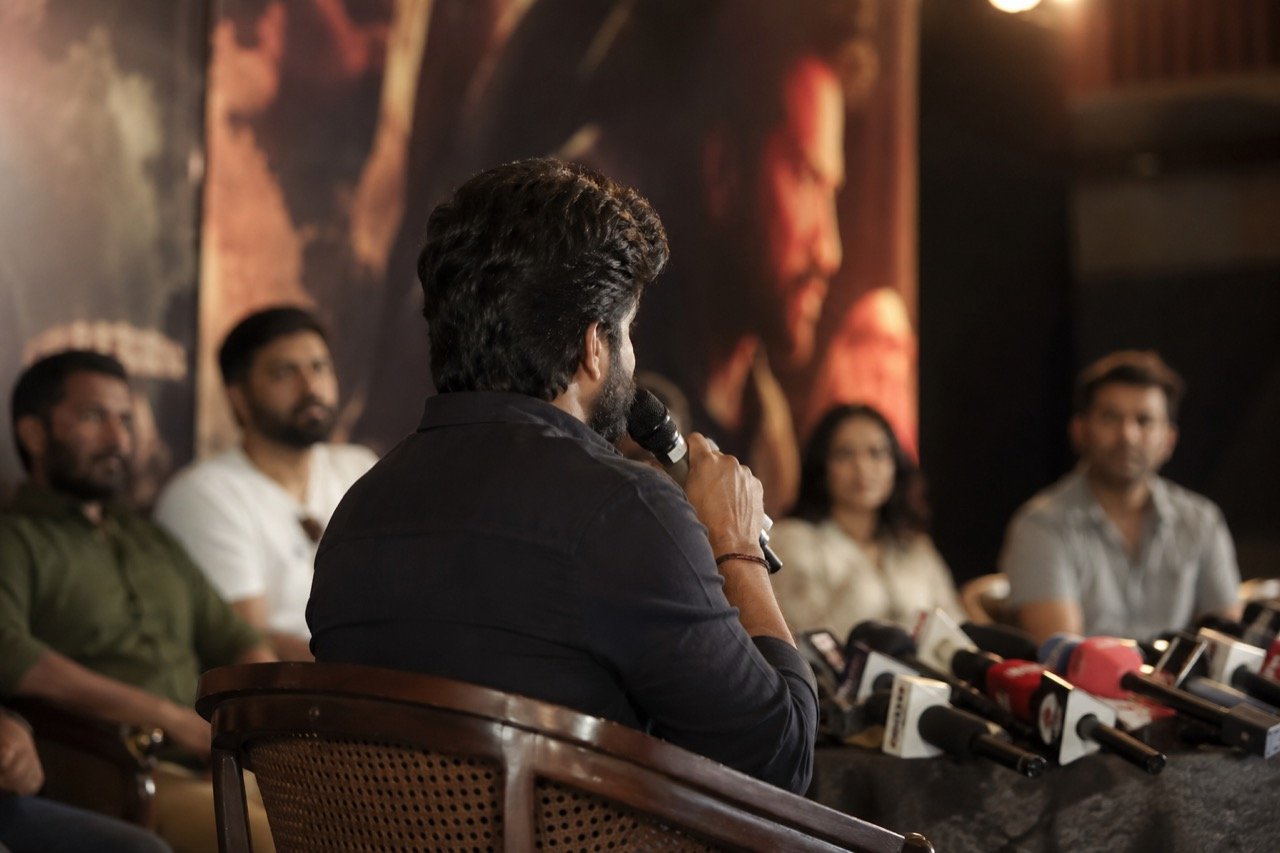
Satya Dev's success-meet admission that he once urged director Venkatesh Maha to cast another hero in Rao Bahadur has added a candid behind-the-scenes chapter to the Telugu psychological drama's rise.
More from this section
More
72nd National Film Awards: Fans Back Mammootty, Allu Arjun, Sai Pallavi
Speculation around the 72nd National Film Awards is intensifying as fan communities across India's language film industries champion favourites including Mammootty, Allu Arjun and Sai Pallavi ahead of any official announcement.

Aamir Khan Marries Gauri Spratt in Private Pali Hill Ceremony
Aamir Khan and Gauri Spratt tied the knot at the actor's Pali Hill home in Mumbai on July 5, turning a deliberately small family ceremony into Bollywood's biggest story of the day.

Akanksha Chamola's Lock Upp 2 Confession Sets Reality TV Abuzz
A personal revelation by Akanksha Chamola ahead of Lock Upp 2 has handed the reality show a viral talking point, underlining how confession-driven formats continue to dominate Indian television conversation.