Satya Dev Reveals He Nearly Passed on Rao Bahadur Lead Role
Satya Dev's success-meet admission that he once urged director Venkatesh Maha to cast another hero in Rao Bahadur has added a candid behind-the-scenes chapter to the Telugu psychological drama's rise.
Commentary & Analysis ·
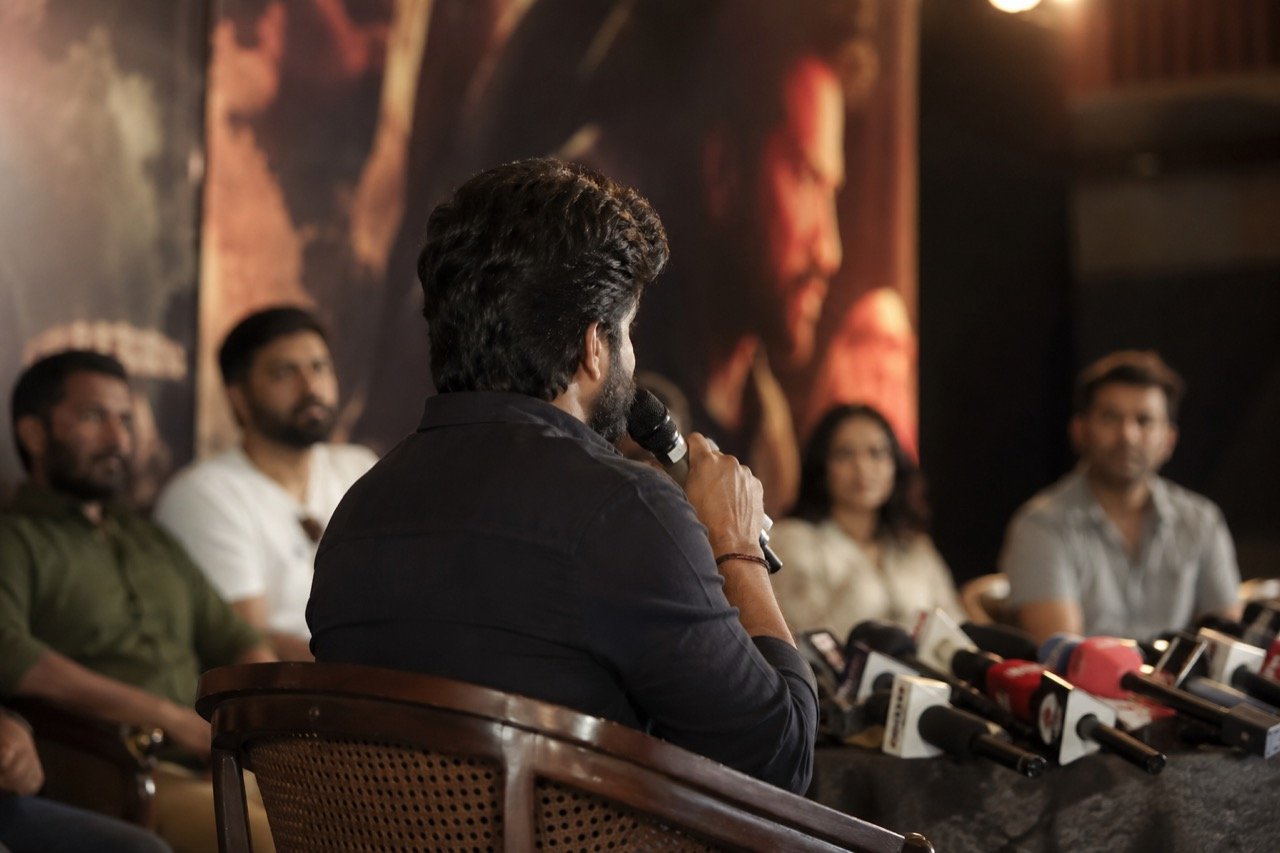
Rao Bahadur has found a fresh talking point beyond its reviews. At the film's success meet, lead actor Satya Dev revealed that he had initially asked director Venkatesh Maha to cast another hero in the role, according to a Times of India report. The admission landed just as the Telugu psychological drama was drawing praise from audiences and industry figures alike. It is a small anecdote in isolation, but it has quickly become part of how the film is being discussed, and that in itself says something about the way success is now narrated in Indian cinema.
A success story with self-doubt at its centre
Success narratives tend to become more compelling when they include hesitation and risk, and Satya Dev's remark supplies exactly that. The path to the final casting was evidently not automatic — the actor himself apparently believed, at some stage, that another hero might have served the role better. Yet the performance he was unsure about is now being discussed as central to the film's impact. That gap between initial doubt and eventual outcome is precisely what makes the story worth repeating: it suggests a performance that grew into itself, shaped by conviction from the director rather than by the actor's own confidence at the outset.
Adivi Sesh's public praise for Satya Dev's work had already helped build momentum around the film, and the casting revelation deepens that conversation rather than starting a new one. The film, written, directed and edited by Venkatesh Maha, has been described in reports as inventive and performance-led — a description that now carries added weight, given that the director apparently held firm on his casting instinct even as his lead actor hesitated. The newer disclosure gives Rao Bahadur a more human production narrative: an actor who doubted he was the right choice has become one of the main reasons the film is being noticed.
Why the making of a film now matters as much as the release
Audiences increasingly follow how films are made, not just when they release. Success meets, cast interviews and social media praise now shape how a movie is remembered, and Rao Bahadur is benefiting from that ecosystem, where performance discussion can extend a film's relevance well past its opening weekend. In an earlier era, a film's fate was largely decided in its first few days at the box office, with word-of-mouth acting as a secondary, slower-moving force. Today, the same word-of-mouth is amplified almost instantly through interviews, clips and commentary, meaning a single anecdote from a success meet can travel further and last longer than a conventional promotional campaign.
The verified picture remains measured: the film released, attracted attention, and generated notable comments from Satya Dev and other industry names. No box office figures have been confirmed in the reports, but the conversation itself is clearly keeping the title visible. This distinction matters. It would be easy to conflate sustained conversation with commercial triumph, but the two are not the same thing, and a responsible reading of the situation treats them separately — the discourse around Rao Bahadur is demonstrably active, even if the numbers behind it have not been placed on the public record.
What the anecdote reveals about actor-director trust
There is a broader point embedded in Satya Dev's admission about the working relationship between actors and directors on smaller, performance-driven projects. When an actor questions his own suitability for a role and a director nonetheless persists with the original choice, the outcome — if it succeeds, as Rao Bahadur appears to have done — becomes a kind of vindication for directorial vision over actorly caution. Venkatesh Maha's involvement across writing, direction and editing suggests a filmmaker with a tightly held sense of what the project needed, and Satya Dev's willingness to disclose his own hesitation publicly suggests a degree of comfort in admitting he was, in effect, second-guessed by circumstance and proven wrong by the result.
For other actors and directors watching this unfold, the episode offers a modest but instructive lesson: doubt at the casting stage is not necessarily a warning sign, and directors who trust their instincts against an actor's own reservations can still be rewarded. This is not a universal formula, but it is a data point worth noting in an industry where casting decisions are so often driven by star power, market calculation or risk aversion rather than a director's specific read on an actor's suitability.
The role of industry endorsement in sustaining attention
Adivi Sesh's praise for Satya Dev deserves attention in its own right. Public endorsements from established industry figures carry particular weight in the Telugu film ecosystem, where peer recognition can validate a performance in ways that reviews alone cannot always achieve. When such endorsement is followed by a candid, slightly self-deprecating revelation from the lead actor himself, the combined effect is a richer, more textured public narrative around the film — one that invites audiences not just to watch Rao Bahadur, but to follow the story of how it came to be made and performed as it was.
This layering of endorsement and disclosure is, in effect, a form of organic marketing, though it would be inaccurate to describe it as manufactured. The distinction between authentic conversation and orchestrated publicity is not always easy to draw, but the specificity and candour of Satya Dev's admission — an actor openly stating he doubted his own casting — reads as the former rather than the latter.
The NE Times View
Rao Bahadur's trajectory is a healthy signal for Telugu cinema. It shows that smaller, performance-driven films can compete for attention when the conversation around them feels authentic rather than manufactured. Satya Dev's candour about nearly turning down the role is worth more than a dozen promotional interviews, because it invites audiences into the craft of filmmaking. For Indian viewers weary of hype cycles, this is the kind of organic word-of-mouth that rewards risk-taking directors like Venkatesh Maha — and it may nudge more stars to back unconventional scripts. If the industry takes any lesson from this episode, it should be that trust in a director's vision, even against an actor's own hesitation, can produce results that resonate well beyond a film's opening weekend. This article is original commentary and analysis by The NE Times. Background facts were referenced from Times of India.
Key takeaways
- Satya Dev revealed at Rao Bahadur's success meet that he had initially asked director Venkatesh Maha to cast another hero in the lead role.
- Venkatesh Maha wrote, directed and edited the film, which has been described in reports as inventive and performance-led.
- Adivi Sesh's public praise for Satya Dev had already built momentum around the film before this casting revelation surfaced.
- No box office figures have been confirmed in reports, but sustained conversation is keeping the film visible well past its release.
- The episode underscores how actor-director trust and candid behind-the-scenes disclosures now shape a film's public narrative as much as its commercial performance.
You may also like to read
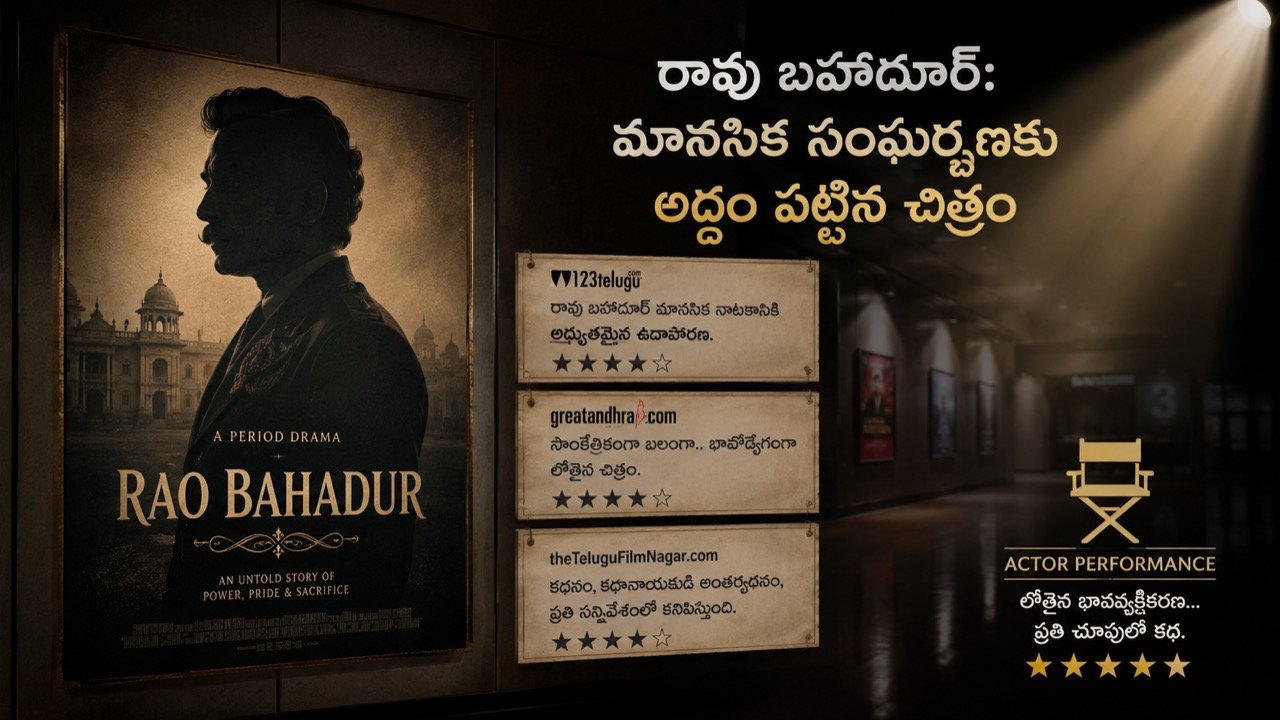
Rao Bahadur: Adivi Sesh Praise Puts Satyadev's Act in Focus
Adivi Sesh's public praise for Satyadev's intense performance in Rao Bahadur has shifted the conversation around the Telugu mystery thriller from box-office numbers to craft, giving the film a fresh talking point.
Rao Bahadur Box Office: Satyadev Mystery Drama Faces Crucial Test
Satyadev's psychological mystery drama Rao Bahadur has opened to mixed response, and its first-weekend word of mouth will now decide whether critical curiosity converts into a commercially sustainable theatrical run.

G2 Update: Adivi Sesh Begins Crucial July Schedule on Hyderabad Set
Adivi Sesh's Goodachari sequel G2 enters what the actor calls its most important phase, with a major July shooting schedule and a massive action set reportedly built in Hyderabad.
Rao Bahadur Review Buzz: An Inheritance Drama About More Than Property
Review coverage has pushed Rao Bahadur into the conversation as a strange, stubborn family drama that asks what people inherit beyond land and houses — memory, resentment and unresolved duty.
More from this section
More
72nd National Film Awards: Fans Back Mammootty, Allu Arjun, Sai Pallavi
Speculation around the 72nd National Film Awards is intensifying as fan communities across India's language film industries champion favourites including Mammootty, Allu Arjun and Sai Pallavi ahead of any official announcement.

Aamir Khan Marries Gauri Spratt in Private Pali Hill Ceremony
Aamir Khan and Gauri Spratt tied the knot at the actor's Pali Hill home in Mumbai on July 5, turning a deliberately small family ceremony into Bollywood's biggest story of the day.

Akanksha Chamola's Lock Upp 2 Confession Sets Reality TV Abuzz
A personal revelation by Akanksha Chamola ahead of Lock Upp 2 has handed the reality show a viral talking point, underlining how confession-driven formats continue to dominate Indian television conversation.