Police Complaint Against Cricketer Abishek Porel Under Investigation
A police complaint involving cricketer Abishek Porel has drawn public attention, with authorities set to examine statements and evidence in a case that remains firmly at the allegation stage.
Commentary & Analysis ·
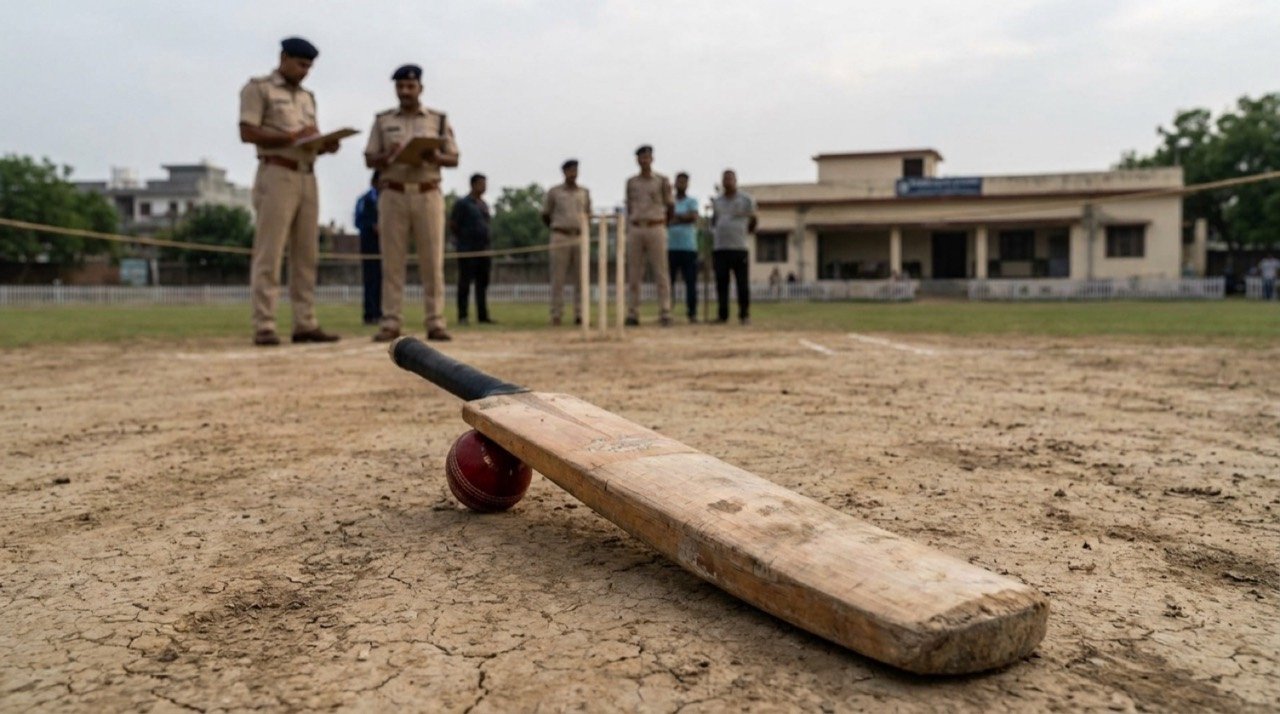
A police complaint involving cricketer Abishek Porel has drawn public attention after it was reported by several news outlets. At this stage the matter remains an allegation, with no findings established, and authorities are expected to examine statements, documents and any available evidence before deciding how the case should proceed in law. The involvement of a recognisable name from the cricketing world has understandably accelerated interest, but the fundamentals of the situation are unchanged by that visibility: a complaint has been filed, and it is now for the appropriate authorities to determine what, if anything, follows from it.
Where the case currently stands
Complaints of this kind typically move through a defined sequence: the recording of the complaint, the gathering of statements, the review of documentary material and an assessment of whether the threshold for further legal action is met. None of these steps amounts to a conclusion of guilt, and the process is designed precisely to test claims rather than accept them at face value. Each stage exists as a check on the one before it, so that an accusation is not mistaken for an established fact simply because it has entered the public domain. Until investigators complete that work, the most accurate description of the situation is that an allegation has been made and is being looked into. Public commentary that races ahead of the inquiry risks distorting a process that has barely begun, and it does so in ways that are difficult to undo once opinions have hardened.
It is worth restating why this sequencing matters so much in practice. A complaint, by its nature, is one account of events. Investigators exist to test that account against corroborating material, competing testimony and the ordinary standards of evidence that any legal system requires before it moves toward a formal charge. Skipping ahead of that sequence, whether by declaring the complaint baseless or by treating it as already proven, substitutes assumption for process. Neither serves the interests of a fair outcome, and neither serves the public, who are better served by an accurate account of where matters stand than by a premature verdict dressed up as certainty.
Why responsible coverage matters
Because the case involves a public sportsperson, it carries an outsized reach on social media and in fan communities, where information, and misinformation, travels quickly and is rarely retracted with the same force with which it was first shared. That visibility makes responsible reporting more important, not less. Treating an unproven claim as settled fact can cause lasting reputational harm if the allegation is not borne out, and can equally undermine a complainant if the matter is sensationalised or reduced to a spectacle rather than treated as a serious legal process. The same principles apply in every celebrity-linked complaint, regardless of the names involved or the sport in question, and it is precisely because such cases attract disproportionate attention that outlets covering them bear a disproportionate responsibility to get the framing right from the outset.
This is not a merely academic concern. Public figures who are named in complaints, whether the allegations are ultimately upheld or dismissed, often find that early coverage sets a narrative that persists long after the legal process concludes. A rushed headline or an unqualified claim can attach itself to a name indefinitely, regardless of what investigators eventually determine. Equally, complainants who come forward deserve an environment in which their account is taken seriously without being exploited for attention. Responsible coverage, in other words, protects both parties from a media environment that too often rewards speed over accuracy.
Balancing competing rights
Investigators must hold several considerations in balance at once: due process, the privacy of those involved, sensitivity towards any complainant, and the accused person's right to respond and to be presumed innocent until proven otherwise. None of these can be sacrificed for the convenience of a quicker narrative. This balancing act is rarely straightforward, particularly in cases that attract public attention, where pressure to produce swift answers can conflict with the deliberate pace that fair process demands. Authorities are, in effect, being asked to move carefully while operating in full public view, a tension that is inherent to any high-profile inquiry but does not excuse a departure from procedure.
For cricket administrators and team management, a further layer of complexity applies. Sporting bodies must weigh their obligations to a player against their duty of care to the wider ecosystem, teammates, sponsors, and the public standing of the sport itself, without prejudging an outcome that only investigators and, if it proceeds that far, courts are equipped to determine. This is a genuinely difficult position, and it is one that recurs whenever a professional sportsperson becomes the subject of a legal complaint. How it is navigated, however, says a great deal about the seriousness with which institutions treat both the presumption of innocence and the gravity of the underlying allegation.
What responsible reporting requires
The matter remains an allegation, with no findings yet established. Authorities will review statements, documents and available evidence before reaching any determination. Unproven claims should not be presented as proven facts, whatever the temptation to simplify a developing story into a clean narrative. Privacy and sensitivity towards all parties must be maintained throughout, recognising that both the complainant and the accused have interests that deserve protection during an ongoing inquiry. And the accused retains the right to respond and the presumption of innocence, a principle that does not weaken merely because the case involves a well-known figure.
For now, the responsible course is patience. The inquiry will determine whether the complaint has substance, and any conclusions should follow from that process rather than precede it. This is not a call for silence on the matter, nor for indifference to its seriousness, but for coverage that reflects the actual state of knowledge at each stage rather than the state that would make for the most dramatic headline. The NE Times will report further developments as and when verified information becomes available, while avoiding speculation about an unresolved case.
The NE Times View
A complaint is not a conviction, and The NE Times urges restraint until the investigation runs its course. Yet sport's governing bodies cannot hide behind 'sub judice' forever; the public deserves clarity on whether the player is benched, supported, or simply left in limbo. Silence from administrators, if prolonged indefinitely, risks being read as evasion rather than prudence, even when caution is the correct instinct. How cricket administrators handle the optics here will say as much about their values as any verdict eventually does. A measured public position, one that neither prejudges the outcome nor avoids the subject altogether, would serve the sport, the player, and the complainant far better than either extreme.
What happens next will likely unfold in stages that are, by now, familiar from other cases of this kind: further statements to investigators, possible clarifications from the player or his representatives, and eventually some indication of whether the complaint proceeds toward formal charges or is closed without further action. Each of these stages will generate its own round of public interest, and each will carry the same risk of being over-interpreted before the facts are fully known. The task for observers, media and administrators alike, is to resist that temptation at every stage, not just at the outset.
Key takeaways
- A police complaint against cricketer Abishek Porel is under investigation, with no findings established at this stage.
- The standard investigative sequence, statements, documents, evidence review, is designed to test the claim rather than assume its truth.
- Responsible coverage must protect both the presumption of innocence for the accused and sensitivity towards the complainant.
- Cricket's governing bodies face a genuine balancing act between due process and public demand for clarity, and how they handle it will reflect on the sport's institutional values.
- The NE Times will continue to report only verified developments as the inquiry progresses, avoiding speculation on the outcome.
You may also like to read

India vs England 2nd T20I: Bethell's 76 Powers Four-Wicket Chase
Jacob Bethell's 76 off 46 balls steered England past India's 190 at Old Trafford, spoiling Vaibhav Sooryavanshi's record-breaking debut and handing the hosts a 1-0 lead in the five-match series.
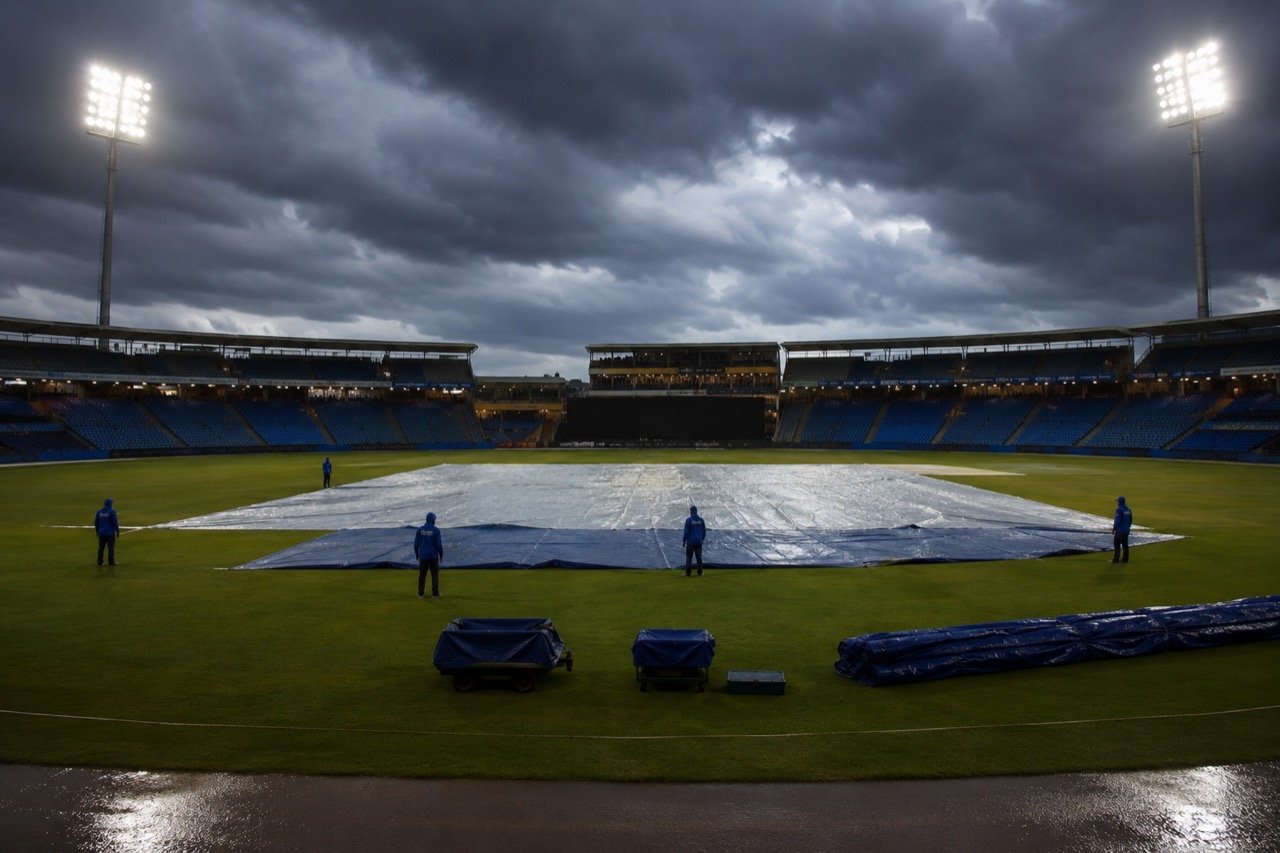
Rain Threat Looms Over India vs England 2nd T20I Match Day
Fans tracking the second India-England T20I are watching the skies as much as the pitch, with rain forecasts, streaming details and playing XI questions shaping expectations before the first ball.
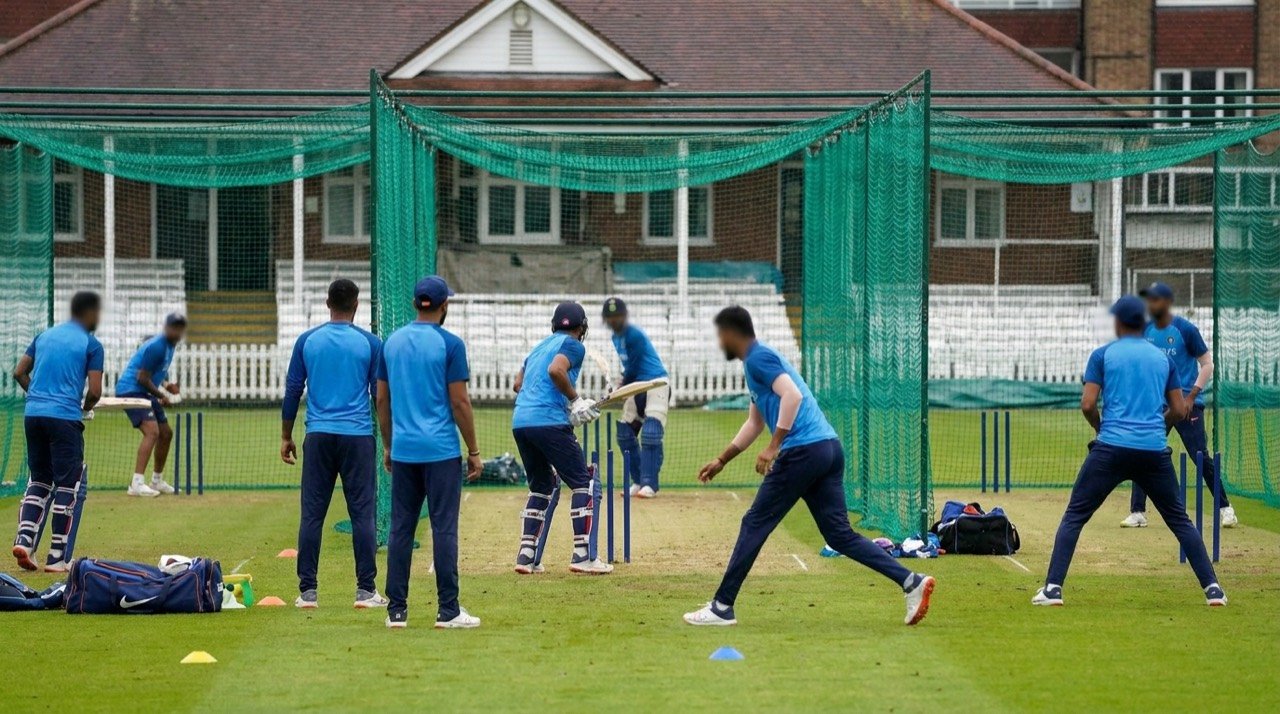
India Finalise T20I Squad for England Tour as Iyer Leads, Bumrah Rested and Shedge Earns Call-Up
India have locked in their Twenty20 squad for the five-match England tour starting 1 July, with Shreyas Iyer captaining, Jasprit Bumrah rested and Suryansh Shedge a surprise injury replacement.

Gavaskar Urges BCCI to Create One-Month Rest Window for India Players
Former India captain Sunil Gavaskar has called for a planned one-month rest window for Indian cricketers and stronger protection of the India cap, reigniting the debate over workload in a crowded calendar.
More from this section
More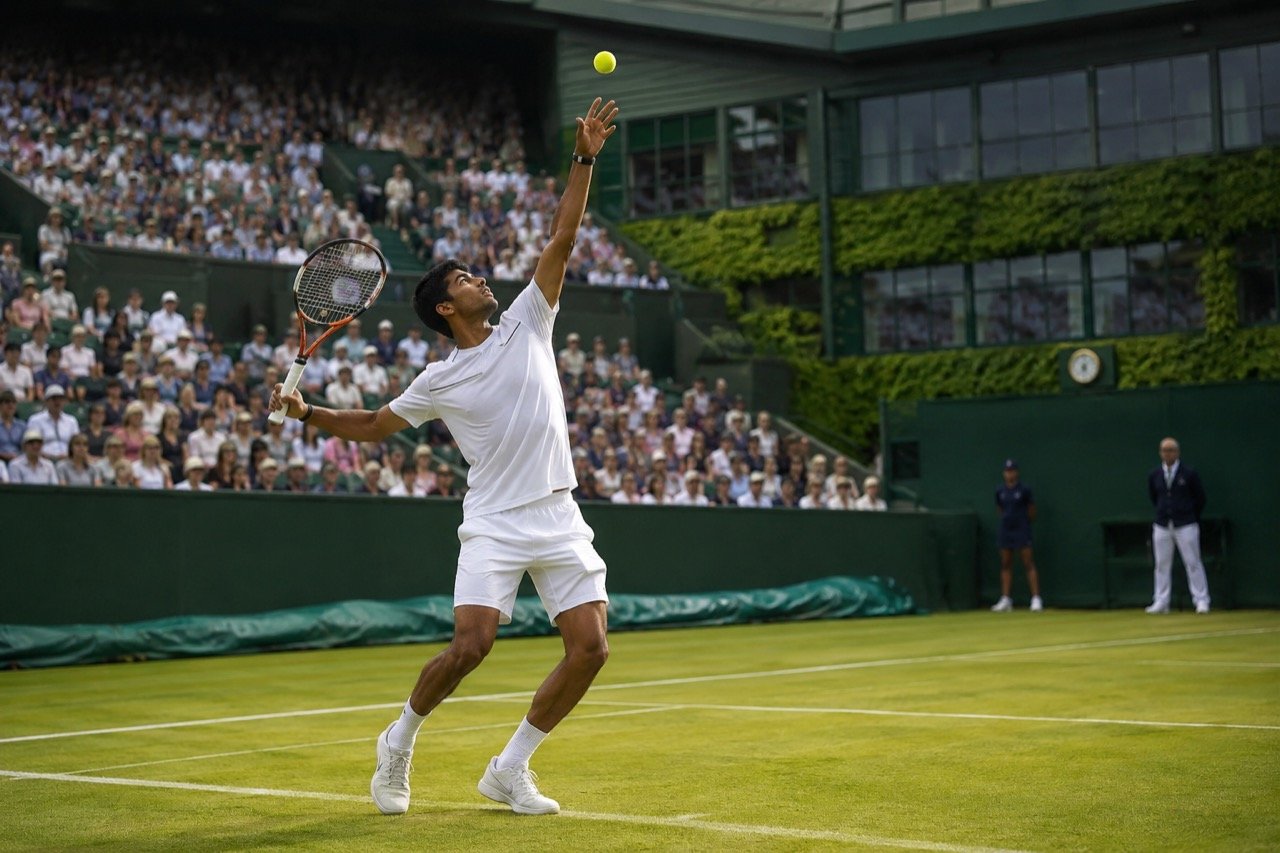
Arnav Paparkar Advances at Wimbledon Boys' Singles in Boost for India
Indian junior Arnav Paparkar has moved into the second round of the Wimbledon boys' singles with a commanding serving display, handing Indian tennis a rare and encouraging grass-court result at the sport's biggest stage.

Axar Patel Becomes First Indian Spinner With 100 T20I Wickets
Axar Patel reached 100 T20 international wickets in the second T20I against England, becoming the first Indian spinner to hit the mark and cementing his standing as one of India's most durable white-ball performers.
BCCI Emerging Men's Tournament to Hunt Test Prospects in Bengaluru
The BCCI's red-ball Emerging Men's Tournament, running at the Centre of Excellence in Bengaluru through July, is designed to give selectors a longer, harder look at India's next generation of Test cricketers.