Bengal's New BJP Government Rolls Out First Policy Wave: Women's Schemes, Pay Panel, UCC Pledge
Chief Minister Suvendu Adhikari's BJP government moved quickly after ending Trinamool's 15-year rule, doubling women's assistance, ordering a pay commission and committing to a Uniform Civil Code within six months.
Commentary & Analysis ·
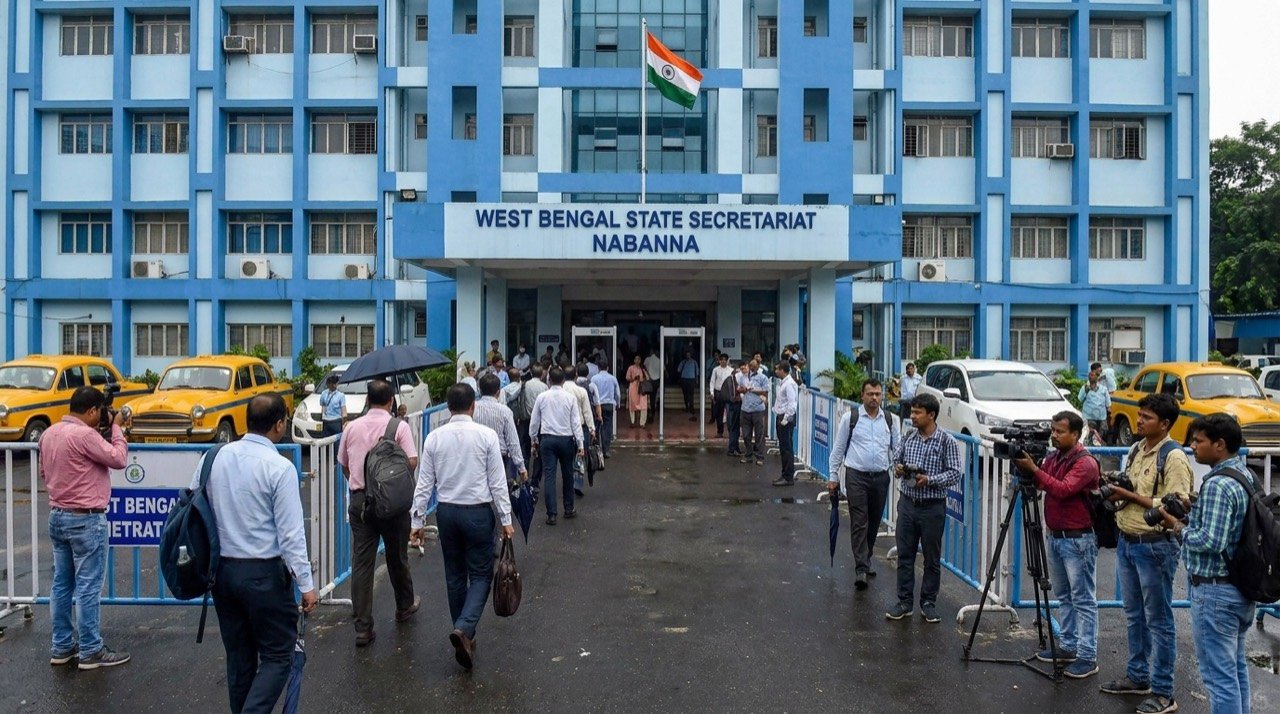
West Bengal's first BJP government, led by Chief Minister Suvendu Adhikari, has used its opening weeks in office to set out an assertive policy direction, rolling out a first wave of welfare and administrative measures after a state election that ended the Trinamool Congress's 15-year hold on power. For a party that spent a decade and a half positioning itself as the principal challenger to an entrenched incumbent, the manner of this opening act matters almost as much as its content. Several initiatives took effect in early June, signalling the new administration's priorities, and the sequencing of those announcements offers an early read on how the government intends to govern, and on what it believes it must prove first.
Welfare continuity as a political strategy
The government doubled monthly assistance to women from 1,500 rupees to 3,000 rupees and made travel on state buses free for women, effective from June 1 under a renamed scheme. This is arguably the most politically significant move of the entire rollout, not because of its cost to the exchequer but because of what it signals about how the BJP intends to consolidate power in a state it has just wrested from a long-dominant rival. Direct cash transfers to women voters were central to the Trinamool Congress's electoral playbook for years, and by doubling rather than dismantling that model, the new government has effectively conceded that the underlying policy logic worked. Rebranding the scheme allows the BJP to claim ownership of the idea while distancing it from the previous administration's branding, a familiar manoeuvre in Indian state politics whenever power changes hands.
The government also confirmed the rollout of the Ayushman Bharat health insurance programme in the state, a measure the previous Trinamool administration had resisted for years, largely on the grounds that it preferred its own state-run health scheme. Bringing West Bengal into the national health insurance architecture is likely to be read in New Delhi as a symbolic alignment with central government priorities, and in the state itself as an expansion of coverage that the earlier government's alternative scheme did not fully replicate. For households that fell outside the previous scheme's ambit, this could represent a meaningful, if still unquantified, expansion of the safety net.
Employment, pay and the promise of representation
On the employment front, the administration constituted the 7th State Pay Commission to address dearness allowance arrears for state employees. Dearness allowance disputes were a long-running source of friction between the previous government and its workforce, with unions repeatedly pressing for arrears that successive administrations were slow to settle. Standing up a pay commission early is a low-cost, high-visibility way of signalling responsiveness to a constituency, state employees and their families, that carries disproportionate influence in local politics and whose goodwill can shape the tone of labour relations for years.
The government has also promised a 33 percent reservation for women in state jobs as part of its longer-term agenda. Unlike the pay commission, this is not something that can be delivered by administrative order alone; it will likely require legislative groundwork and a phased implementation plan. Announcing it now, alongside more immediately deliverable measures, allows the government to frame its overall programme as one that pairs quick wins with structural commitments, even though the harder work of translating the reservation pledge into enforceable policy still lies ahead.
Austerity, symbolism and the scrapping of religion-based schemes
An austerity drive was launched across government offices, mandating carpooling, work-from-home arrangements and the use of Swadeshi goods. Measures of this kind rarely move the fiscal needle in any significant way, but they serve a communicative purpose: they allow a new government to project discipline and frugality in contrast to its predecessor, and to signal ideological continuity with the wider BJP's emphasis on domestic manufacturing.
More consequential, and more likely to generate friction, is the scrapping of what the government termed religion-based assistance schemes from June. Any withdrawal of benefits that were previously targeted, or perceived to be targeted, at a particular religious community is politically sensitive in a state with West Bengal's demographic composition and its history of communally inflected electoral contests. How this decision is communicated, and whether affected communities are offered any alternative form of support, will shape whether it is read as a principled move towards uniform treatment or as a more pointed political statement.
Border security and the Siliguri Corridor
On security, more than 600 acres of pending land for India-Bangladesh border fencing, including around 120 acres near the strategic Siliguri Corridor, were cleared for handover to the Border Security Force. Land acquisition for fencing had reportedly stalled for years under the previous administration, and clearing it now allows the new government to claim a national security dividend almost immediately after taking office. The Siliguri Corridor, the narrow strip of Indian territory connecting the northeast to the rest of the country, is a perennial strategic concern, and progress on fencing in that specific stretch is likely to be presented as evidence that the new government takes a more cooperative posture towards central security agencies than its predecessor did.
The government also outlined infrastructure commitments for North Bengal, including an AIIMS, an IIT and a cancer hospital, framing the region as a focus of its development push. North Bengal has long complained of relative neglect compared with Kolkata and the southern districts, and prioritising the region early may be intended to shore up support in an area that was pivotal to the BJP's electoral gains.
The Uniform Civil Code test
Among the headline pledges, the commitment to implement a Uniform Civil Code within six months stands apart in its ambition and its risk. The other measures, welfare payments, a pay commission, land handover, largely fall within the ordinary powers of a state executive. A Uniform Civil Code, by contrast, touches personal law, religious practice and constitutional questions that have proved contentious wherever they have been raised elsewhere in India. Delivering on this pledge within six months would require not just political will but considerable legislative drafting, consultation and, very likely, legal challenge. The pace of the rollout reflects a government keen to demonstrate early delivery after a landmark electoral upset, but the UCC commitment, more than any other item in this first wave, will test whether that eagerness for early wins is matched by the administrative and legal capacity to see the hardest pledges through.
The NE Times View
Doubling women's assistance while keeping Trinamool's signature welfare model intact is a telling first move: the BJP knows it won Bengal partly by out-promising, not dismantling. That is a pragmatic acknowledgement that welfare populism, once entrenched, is difficult and politically costly to reverse, and the new government has chosen expansion over confrontation on this front. The Ayushman Bharat rollout and the pay commission follow the same logic: deliver visible, comparatively uncontroversial benefits early, and use them to build a reservoir of goodwill.
The UCC pledge within six months, however, is where governance meets provocation. A pay commission buys goodwill; a rushed civil code in a state this plural could squander it. West Bengal's religious and social diversity means that any perception of haste or of a code imposed without adequate consultation carries real risk of backlash, and the six-month timeline leaves little room for the kind of careful drafting such a measure would demand. Early speed is impressive, but the hard tests lie ahead, and it is the UCC pledge, more than the welfare measures or the border security gains, that will determine whether this government's opening burst of activity translates into durable governance or into an early overreach.
Key takeaways
- The new government doubled monthly women's assistance to 3,000 rupees and introduced free bus travel for women, choosing to expand rather than dismantle Trinamool's welfare model.
- Ayushman Bharat will now be implemented in West Bengal, a programme the previous administration had long resisted.
- A 7th State Pay Commission has been set up to settle dearness allowance arrears, alongside a longer-term pledge of 33 percent reservation for women in state jobs.
- More than 600 acres, including roughly 120 acres near the strategically sensitive Siliguri Corridor, have been cleared for India-Bangladesh border fencing.
- The pledge to implement a Uniform Civil Code within six months is the most ambitious and riskiest commitment, and will be the clearest test of the new government's administrative and legislative capacity.
You may also like to read
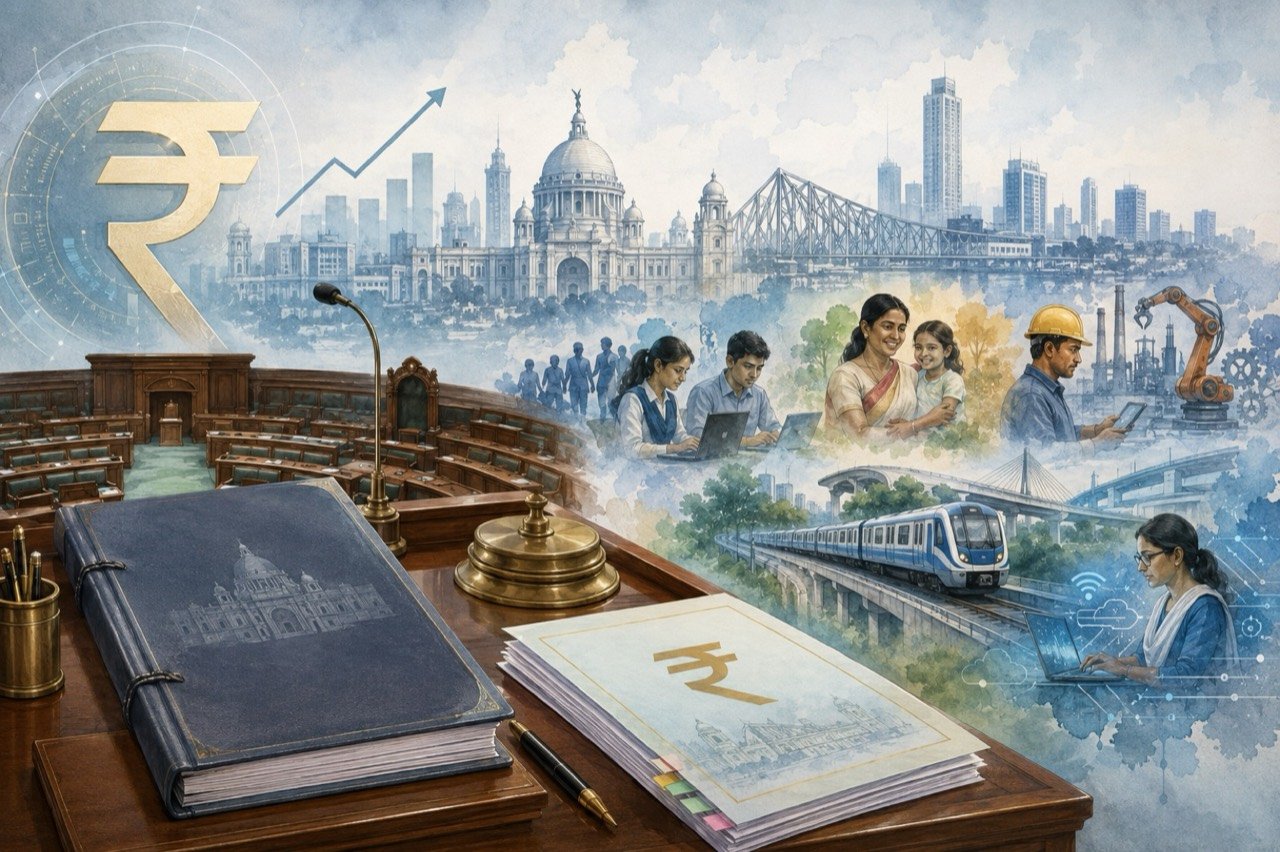
West Bengal's First BJP Budget Bets on DA Hike, One Lakh Jobs and Welfare
Finance Minister Swapan Dasgupta's debut budget pairs a 20-point DA hike, one lakh government jobs and a major Annapurna Yojna outlay with industry incentives, framing the BJP's first big policy test in Bengal.
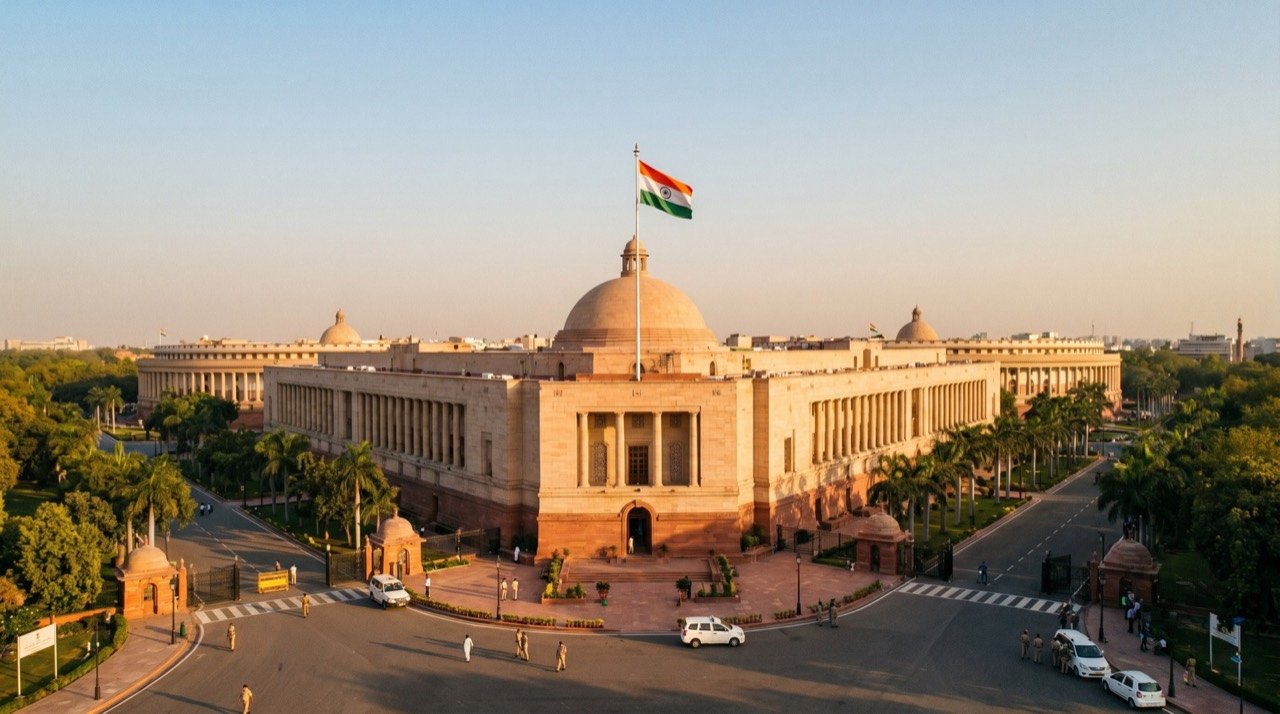
Suvendu Adhikari's BJP Government Settles In as Bengal Adjusts to Historic Power Shift
Six weeks after ending 15 years of Trinamool rule, West Bengal's first BJP administration under Suvendu Adhikari has completed its cabinet, signalling priorities on law and order, jobs and administrative reset.
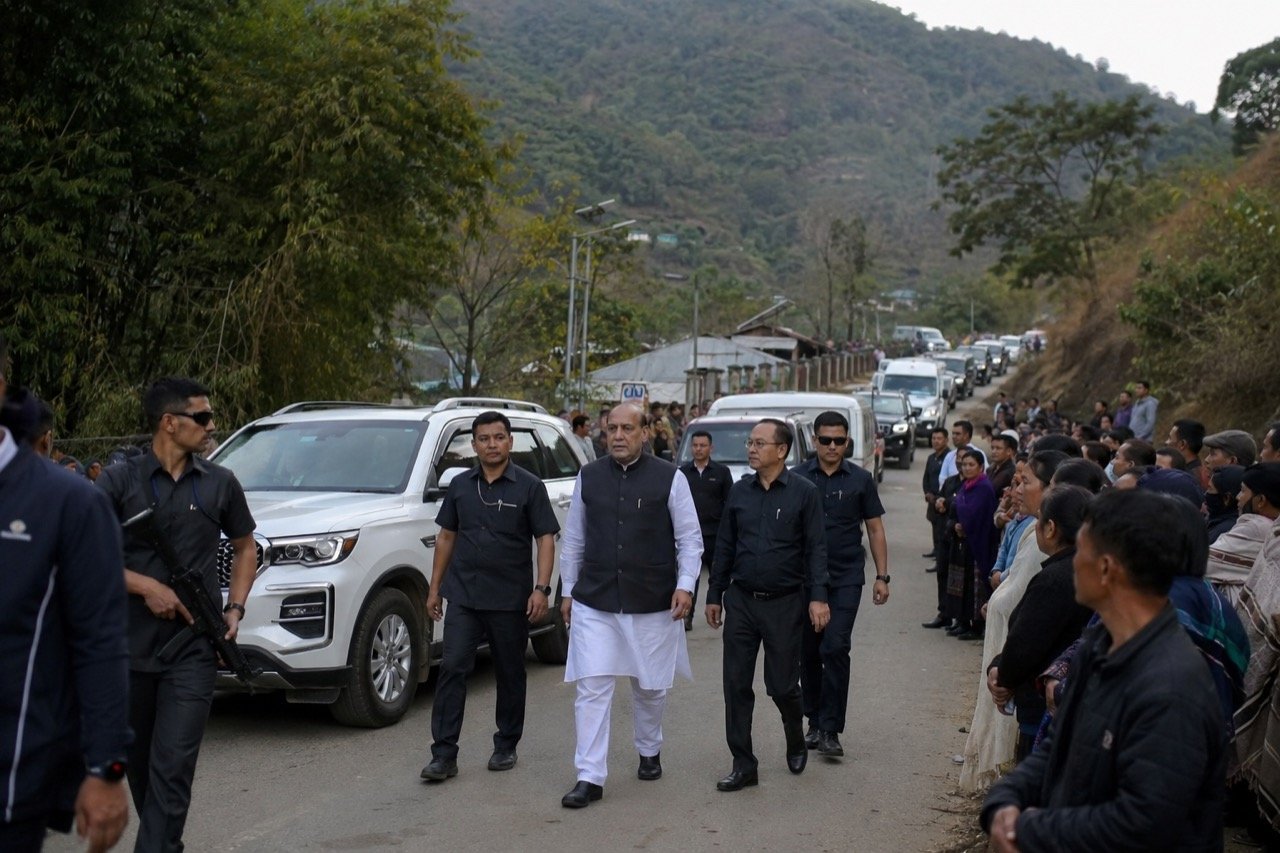
Manipur CM's Churachandpur Visit: First Since 2023 Unrest
The Manipur Chief Minister travelled to Churachandpur for a BJP MLA's funeral, his first visit to the district since the 2023 violence, lending the sombre occasion an unmistakable political significance.
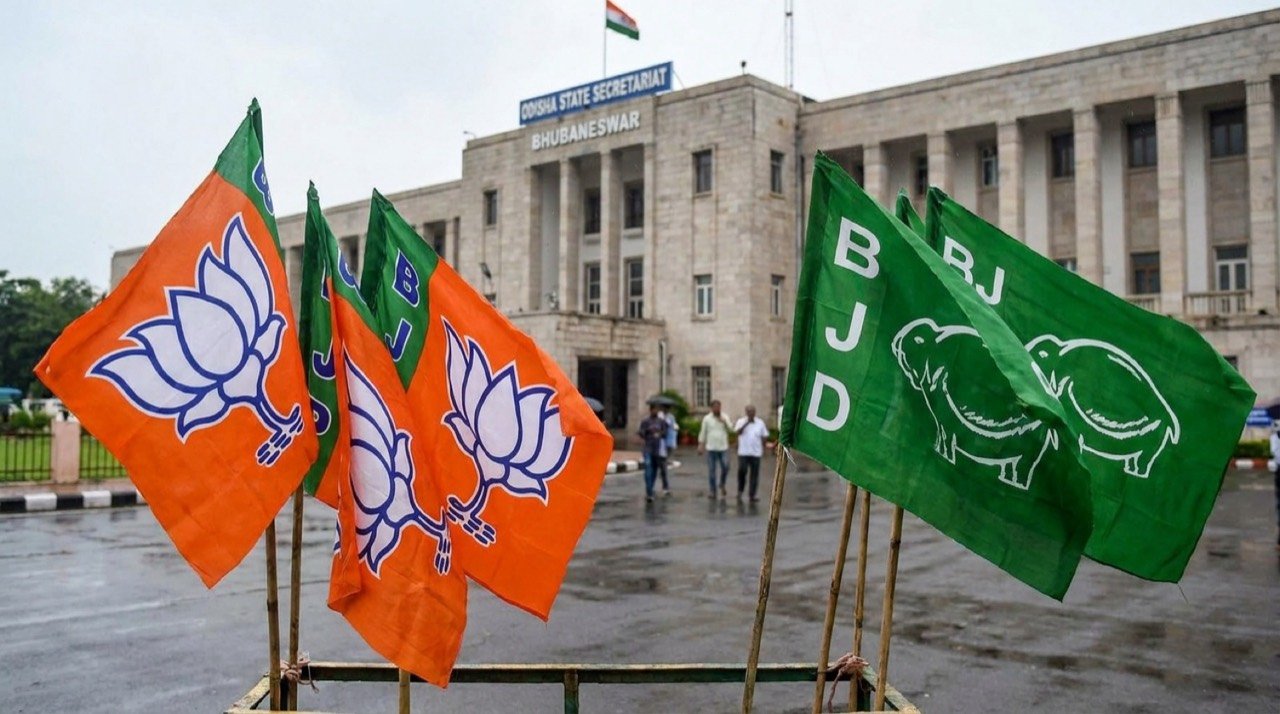
Odisha BJP Claims Several BJD Leaders Are Keen to Switch Sides
BJP leaders in Odisha claim several BJD figures want to switch sides, comparing the possible churn to earlier splits in regional parties, though no mass defection has been confirmed.
More from this section
More
K Kavitha Party Denied TRS Name by Election Commission
The Election Commission has refused to register K Kavitha's Telangana Rakshana Sena under the TRS acronym after objections, forcing a branding reset for the new party at a politically sensitive moment in Telangana.
Lalu Prasad Yadav Security Downgrade, Bungalow Order Stir Bihar
A government order downgrading Lalu Prasad Yadav's security cover and asking him to vacate an official bungalow has opened a fresh political flashpoint in Bihar, with the RJD chief's reaction fuelling the row.
Manipur CM's Churachandpur Visit: First Since 2023 Unrest
The Manipur Chief Minister travelled to Churachandpur for a BJP MLA's funeral, his first visit to the district since the 2023 violence, lending the sombre occasion an unmistakable political significance.