UN Warns Gaza Risks 'Permanent Limbo' As Transition Plan Stalls
A senior UN envoy has told the Security Council that delays in the Council-backed Gaza transition plan are deepening suffering, with fuel and water shortages crippling relief efforts.
Commentary & Analysis ·
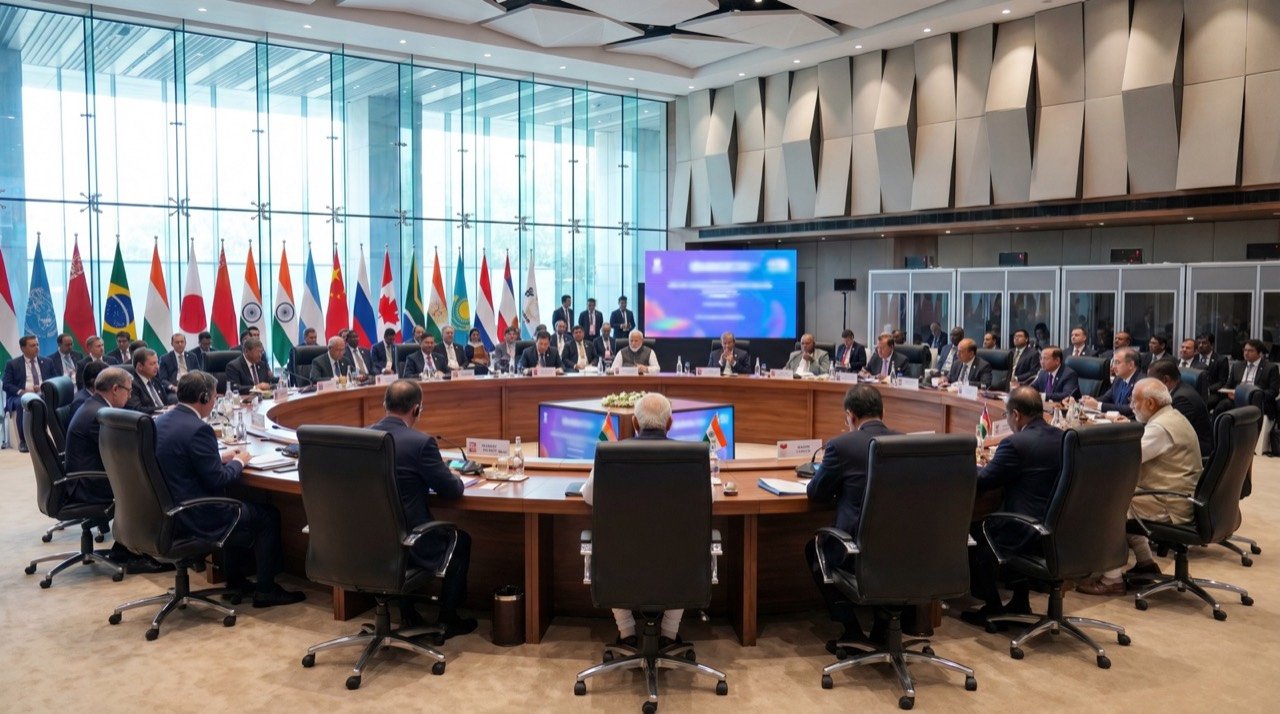
The United Nations has warned that Gaza risks slipping into a "permanent" state of limbo unless a Council-backed transition plan moves forward, as a fragile ceasefire holds and humanitarian conditions deteriorate. The caution, delivered to the Security Council in mid-June, underscores how precarious the path to recovery remains in the war-battered enclave. It is a warning that carries particular weight precisely because it was delivered in calm, procedural language to a Council chamber, rather than shouted from the rubble itself. When the UN's own envoys use the word "permanent" about a humanitarian catastrophe, it is meant to jolt policymakers out of the assumption that a ceasefire, by itself, constitutes progress.
A plan stuck in neutral
A senior UN envoy told the Council that delays in implementing the transition framework would only increase suffering and undermine reconstruction. This is the crux of the problem: the Security Council has already done the diplomatic work of endorsing resolutions aimed at charting a post-conflict course for Gaza, yet on-the-ground implementation has lagged far behind those blueprints. A resolution passed in New York does not, by itself, restore a water pump in Gaza City or repair a sanitation network in Khan Younis. The gap between what has been agreed on paper and what is actually happening on the ground is precisely where the risk of "permanent limbo" resides.
The warning came alongside reports of deteriorating conditions across the West Bank as well, with continued civilian casualties and mounting humanitarian needs adding pressure on an already strained relief effort. This matters because it signals that the crisis is not confined to Gaza alone; the wider Palestinian territories are also absorbing strain, which complicates any narrative that treats the ceasefire as a contained, localised de-escalation. A transition plan meant to stabilise one territory cannot succeed in isolation if instability persists next door.
Fuel and water at breaking point
According to UN briefings, shortages of fuel, engine oil and spare parts are crippling water and sanitation operations, hampering water production and distribution as well as solid-waste management. These are not abstract logistical inconveniences. Water and sanitation systems are the thin membrane that separates a humanitarian emergency from a public health catastrophe involving disease outbreaks. When fuel cannot reach pumping stations and spare parts cannot reach treatment plants, the consequences compound quickly and are far harder to reverse than the original shortage that caused them.
Humanitarian partners say they are responding to both ongoing and emerging needs, but warn that without restored supplies, basic services cannot be sustained. This is the operational reality behind the diplomatic warning: aid agencies are essentially running to stand still, patching immediate gaps while the underlying infrastructure continues to degrade. Every week that the transition plan remains unimplemented adds to a maintenance backlog that will eventually require far greater resources to fix than if action had been taken earlier.
Why "permanent limbo" is the operative phrase
The choice of language by UN officials deserves scrutiny in itself. A temporary crisis, however severe, carries the implicit promise of eventual resolution. A "permanent" limbo does not. It implies a structural stalemate in which neither reconstruction nor a genuine peace settlement takes hold, leaving a population indefinitely dependent on emergency aid, without the institutions, infrastructure or political framework needed to move beyond crisis management. This is the outcome the Security Council appears anxious to avoid, and it is why the envoy's briefing functions less as a routine update and more as a pointed appeal for the Council's own resolutions to be matched with resources and follow-through.
For the ceasefire to mean something beyond a pause in hostilities, the transition plan needs concrete milestones: fuel deliveries that actually reach treatment plants, reconstruction funding that is disbursed rather than merely pledged, and governance arrangements that can absorb responsibility as international oversight eventually recedes. Absent these steps, a truce simply becomes the newest, quieter phase of the same unresolved crisis.
India's stake in the outcome
India, a long-standing contributor to humanitarian relief and a votary of a negotiated two-state path, has a clear interest in seeing the ceasefire stabilise and reconstruction begin in earnest. New Delhi's position has consistently favoured diplomatic resolution over prolonged conflict, both as a matter of principle and as a matter of practical interest. A descent into renewed conflict would compound regional instability that is already weighing on energy markets, given West Asia's centrality to global oil and gas supply chains. It would also directly affect the safety and livelihoods of the large Indian workforce spread across the Gulf and wider West Asia, a diaspora whose remittances and wellbeing are of continuing concern to Indian policymakers.
India's own history of contributing troops and resources to UN peacekeeping missions gives it both credibility and a natural role to play in pressing for the transition plan's implementation, rather than confining its engagement to statements of support at the Security Council. A stalled transition anywhere in the region raises the odds of spillover effects that touch shipping lanes, energy prices and diplomatic bandwidth that India would rather devote elsewhere.
What the coming weeks will test
With the truce holding but the transition plan stalled, the coming weeks will test whether the Security Council can translate its resolutions into tangible relief, or whether Gaza's recovery slides further out of reach. Several markers will indicate which direction events are heading: whether fuel and spare-part shipments actually resume at scale, whether reconstruction financing moves from pledge to disbursement, and whether the West Bank's parallel deterioration is addressed alongside Gaza's, rather than treated as a separate and lesser concern. The absence of movement on any of these fronts in the near term would lend further weight to the UN's own warning about permanence.
The NE Times View
A Council-backed plan that stalls while fuel and water run out is a failure of follow-through, not of intent. The Security Council has shown it can agree on the shape of a post-conflict settlement; what it has not yet shown is the will to fund and implement that settlement with the urgency the humanitarian data demands. India, with its long record of peacekeeping and humanitarian contributions, should press for the transition to be funded and implemented, not merely endorsed, using its standing among both Western and non-aligned blocs to argue for concrete timelines rather than further declaratory resolutions.
"Permanent limbo" is a warning the Security Council has heard before and too often ignored. The test now is whether this particular warning, delivered as fuel gauges and water reserves run empty in real time, finally prompts the kind of sustained, resourced follow-through that previous warnings failed to produce.
Key takeaways
- The UN has warned Gaza risks entering a "permanent" state of limbo unless the Council-backed transition plan is implemented, not just endorsed.
- Shortages of fuel, engine oil and spare parts are crippling water, sanitation and solid-waste systems, with humanitarian partners warning services cannot be sustained without restored supplies.
- Conditions are also deteriorating in the West Bank, with continued civilian casualties adding further strain to an already stretched relief effort.
- India, as a major humanitarian contributor and advocate of a two-state solution, has a direct stake in stabilising the ceasefire given its exposure to regional energy markets and its large workforce across West Asia.
- The coming weeks will show whether the Security Council can convert its resolutions into tangible relief or whether Gaza's recovery slips further out of reach.
You may also like to read
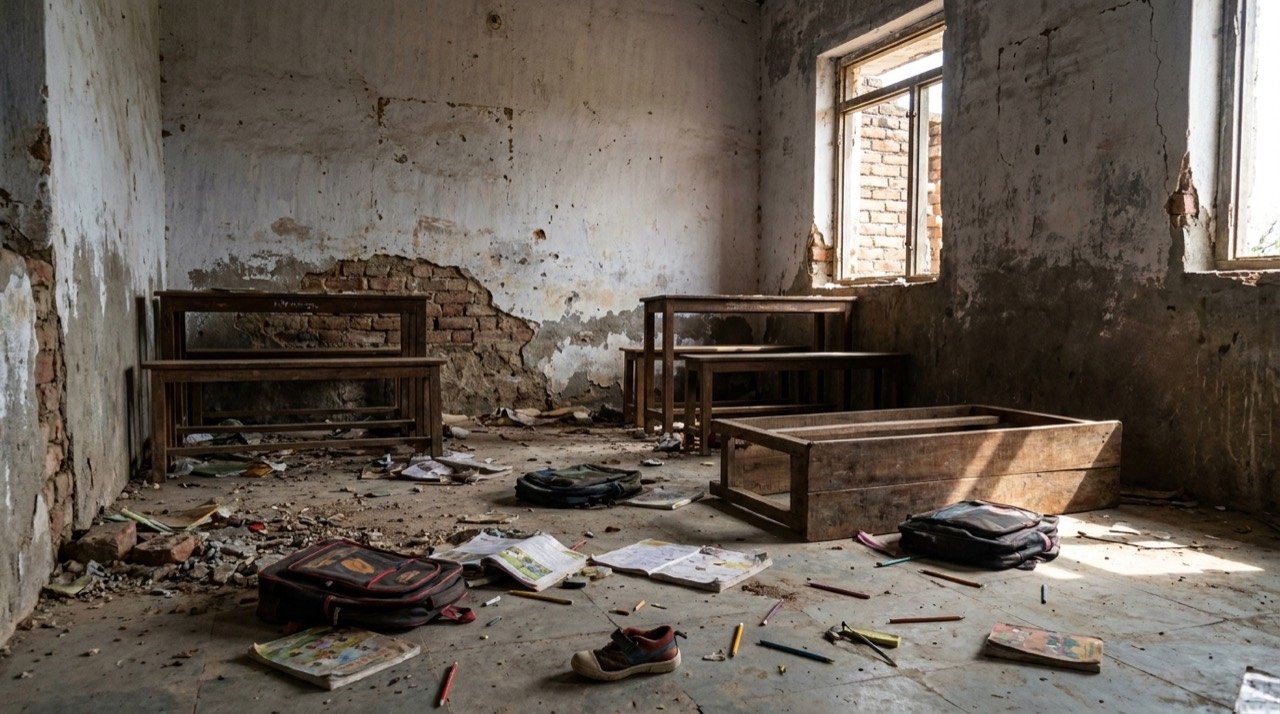
UN Inquiry Led by Indian Jurist Says Israel Deliberately Targeted Gaza's Children
A United Nations commission chaired by former Indian judge Srinivasan Muralidhar has concluded that Israel continues to commit genocide by deliberately targeting Palestinian children, in a 94-page report that names a death toll of more than 20,000 minors.
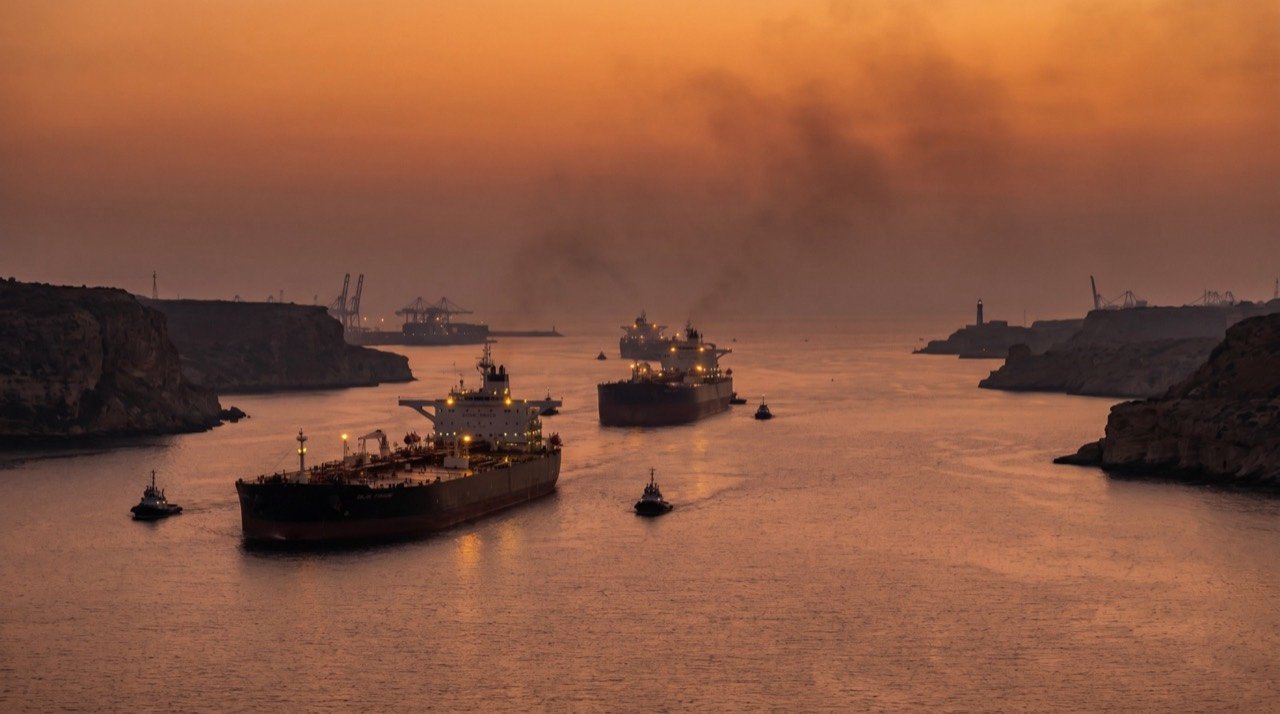
Fragile Israel-Iran Ceasefire Holds As Trump Pushes Towards Signed Peace Deal
After months of missile exchanges, Israel and Iran have suspended attacks under a conditional truce, with Washington claiming a formal peace agreement is now within reach.
Famine Tightens Its Grip on Sudan as War Enters Its Fourth Year
UN-backed assessments confirm famine conditions in parts of Darfur and Kordofan, with 21 million people facing acute hunger as the Rapid Support Forces consolidate control of the west.
Hopes Rise for US-Iran Deal as Strait of Hormuz Shipping Crisis Eases
Signs of a possible accord to end months of conflict pushed oil prices to a near two-month low, with talks reportedly aimed at reopening the vital Strait of Hormuz to commercial shipping.
More from this section
More
India-New Zealand Ties: Visit Plans Put FTA and Diplomacy in Focus
Reports of a planned high-level India-New Zealand engagement have revived attention on free trade talks, professional mobility and Indo-Pacific cooperation between two partners with clear room to grow.

Modi Greets Trump on US 250th Independence Day, Hails Partnership
Prime Minister Narendra Modi marked America's 250th Independence Day with a message to President Trump, saying the next 250 years should lift the India-US partnership to new heights.
India Watches Dhaka's China-Backed Teesta Plan as Stakes Rise
New Delhi is closely tracking Bangladesh's proposal to develop the Teesta river with Chinese assistance, a move that revives one of South Asia's most sensitive water-sharing disputes and tests regional strategic trust.