Tripura Takes Its Queen Pineapple to Delhi With Global Pineapple Festival 2026
Tripura will host the Global Pineapple Festival 2026 in New Delhi from June 27 to 29, spotlighting its prized Queen pineapple alongside farmer groups, food processors, tourism and fresh investment opportunities.
Commentary & Analysis ·
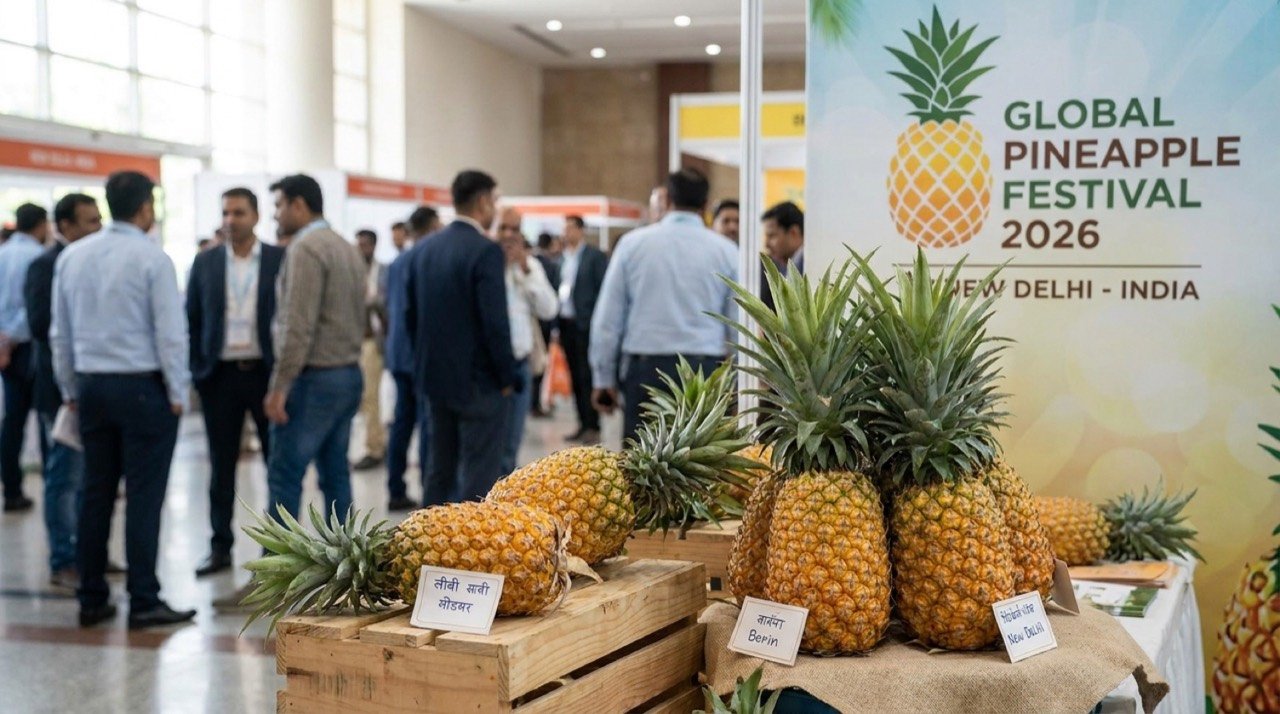
Tripura is bringing its signature Queen pineapple to the national capital, hosting the Global Pineapple Festival 2026 in New Delhi from June 27 to 29. The three-day event is designed to promote the fruit alongside the state's farmer groups, food processors, tourism offerings and investment opportunities, giving growers a far larger market platform than they typically reach. On the surface, this is a straightforward agricultural showcase. Look closer, however, and it reveals a great deal about how India's smaller, geographically isolated states are trying to rewrite their economic relationship with the rest of the country: not through subsidy requests or infrastructure appeals alone, but through branding, market access and the patient work of building buyer confidence in a niche product.
Why the Queen pineapple matters
The Queen variety is among Tripura's best-known agricultural products, prized for its sweetness, distinctive aroma and golden flesh. It holds a Geographical Indication tag and has been promoted as the state fruit, making it a natural ambassador for Tripura's wider farm economy on a national stage. A GI tag is not merely a certificate; it is a legal and marketing tool that ties a product's identity to a specific place, in theory allowing producers to command a premium and preventing imitators elsewhere from trading on the name. For a state fruit to carry this recognition is useful, but recognition on paper is not the same as recognition in the marketplace. Most consumers in Delhi, Mumbai or Bengaluru have likely never knowingly bought a Tripura Queen pineapple, even if they have eaten one sold generically as "pineapple" without any indication of provenance. By placing the fruit at the centre of a dedicated festival, the state is attempting to convert local reputation into commercial reach, connecting cultivators directly with buyers, retailers and processors who can absorb larger and more consistent volumes. That direct connection matters because it shortens a supply chain that, for many Northeastern producers, has historically been long, fragmented and weighted heavily in favour of middlemen rather than growers.
Beyond the fruit: farmers, processing and tourism
Organisers are framing the festival as more than a produce showcase. It aims to spotlight food-processing potential, from juices and concentrates to value-added products, while drawing attention to Tripura's tourism story and the investment climate in the wider Northeast. This bundling of agriculture, industry and tourism under one banner is a deliberate strategy rather than an accident of programming. A pineapple festival that only displays fruit crates offers limited commercial upside once the three days are over. One that also introduces investors to processing opportunities, and travellers to the idea of visiting Tripura, is attempting to plant multiple seeds at once, some of which may take years to germinate into actual capital or footfall. For smallholder growers, who often struggle with price volatility and limited access to distant markets, such platforms can help build relationships with bulk buyers and reduce dependence on a narrow set of local traders. This is a familiar problem across Indian horticulture: a farmer with a genuinely superior crop can still be at the mercy of whichever aggregator controls the nearest mandi, with little bargaining power and no direct line to retailers willing to pay for quality or provenance. Stronger processing links can also cut post-harvest losses for a perishable crop, an especially pressing concern for pineapples, which do not keep well and are vulnerable to spoilage during transport from a landlocked, hilly state to markets thousands of kilometres away.
A push for visibility and investment
Holding the event in Delhi is a deliberate bid for visibility, putting Tripura's agriculture before policymakers, industry and consumers in one of India's largest markets. There is an obvious political and administrative logic to this choice of venue. Delhi is where central ministries, national industry bodies and much of India's financial and media attention are concentrated. A festival held only within Tripura, however well organised, would struggle to command the same level of interest from national investors or policymakers who rarely travel to the Northeast on their own initiative. The festival fits a broader effort across Northeast states to position their distinctive produce as premium offerings with national and even export appeal. Assam's tea and Sikkim's organic produce are older examples of this same instinct: that a region with limited industrial heft can nonetheless carve out a reputation for a specific, high-value agricultural product, provided it invests in branding, quality control and market access rather than relying on volume alone. Tripura's pineapple push should be read in that lineage, an attempt to do for a fruit what has been done, with varying success, for tea, spices and organic vegetables elsewhere in the region.
What success would actually look like
The Global Pineapple Festival 2026 runs from June 27 to 29 in New Delhi. The event spotlights Tripura's Queen pineapple variety. It aims to promote farmer groups and food processors. Tourism and investment opportunities are also on the agenda. The festival seeks to connect growers with a larger buyer and consumer base. None of this, though, guarantees durable change. The real measure of success will be whether the festival translates into lasting buyer relationships, processing tie-ups and investment commitments rather than a one-off promotional event. Trade festivals of this kind are, by their nature, prone to generating enthusiasm that does not survive the drive back from the exhibition hall. Attendance figures, media coverage and photographs of dignitaries sampling the fruit are easy outcomes to produce; signed procurement contracts, committed processing investment and repeat retail orders are much harder, and far more meaningful. If the festival does translate into the former, Tripura's Queen pineapple could become a durable showcase for how a small state's signature crop can find a national, and potentially global, audience. If it does not, it risks joining a long list of well-intentioned regional showcases that generated a news cycle but little lasting commercial change.
The NE Times View
Northeastern states have long struggled to convert prized produce into national markets, so Tripura taking its Queen pineapple to Delhi is shrewd branding. It reflects an understanding that in a country as large and commercially crowded as India, visibility itself is a scarce resource, and a state government cannot simply wait for buyers to discover a good product on their own. The bigger prize lies beyond the festival: cold-chain logistics, processing units and reliable buyers that turn a seasonal crop into year-round farmer income. A three-day event, however well attended, cannot substitute for the unglamorous infrastructure that determines whether a pineapple picked in Tripura reaches a Delhi shelf in saleable condition, or whether a processor is willing to commit capital to a juicing plant based on assured, consistent supply. Showcase events build visibility, but they fade without investment in the unglamorous middle of the supply chain: refrigerated transport, quality grading, storage capacity and financing for smallholders who cannot absorb the risk of a bad season on their own. Watch whether processors and exporters sign deals, not just attend. The presence of investors and buyers at a festival costs them little; the willingness to commit capital, land contracts or long-term procurement agreements is the real signal of whether Tripura's pineapple diplomacy has worked.
Key takeaways
- The Global Pineapple Festival 2026 runs June 27 to 29 in New Delhi, showcasing Tripura's GI-tagged Queen pineapple alongside farmer groups, processors, tourism and investment opportunities.
- The Queen variety's Geographical Indication tag and status as Tripura's state fruit make it a natural flagship for the state's broader farm economy, but recognition alone does not guarantee market demand.
- Smallholder growers stand to benefit most from direct buyer connections and stronger processing links, which can reduce reliance on local middlemen and cut post-harvest losses in a highly perishable crop.
- Choosing Delhi as the venue reflects a wider Northeastern strategy of pursuing national visibility and premium positioning for distinctive regional produce, following patterns seen with Assam tea and Sikkim's organic goods.
- The festival's real test will be whether it produces lasting procurement deals, processing investment and export interest, rather than serving only as a short-lived promotional event.
You may also like to read
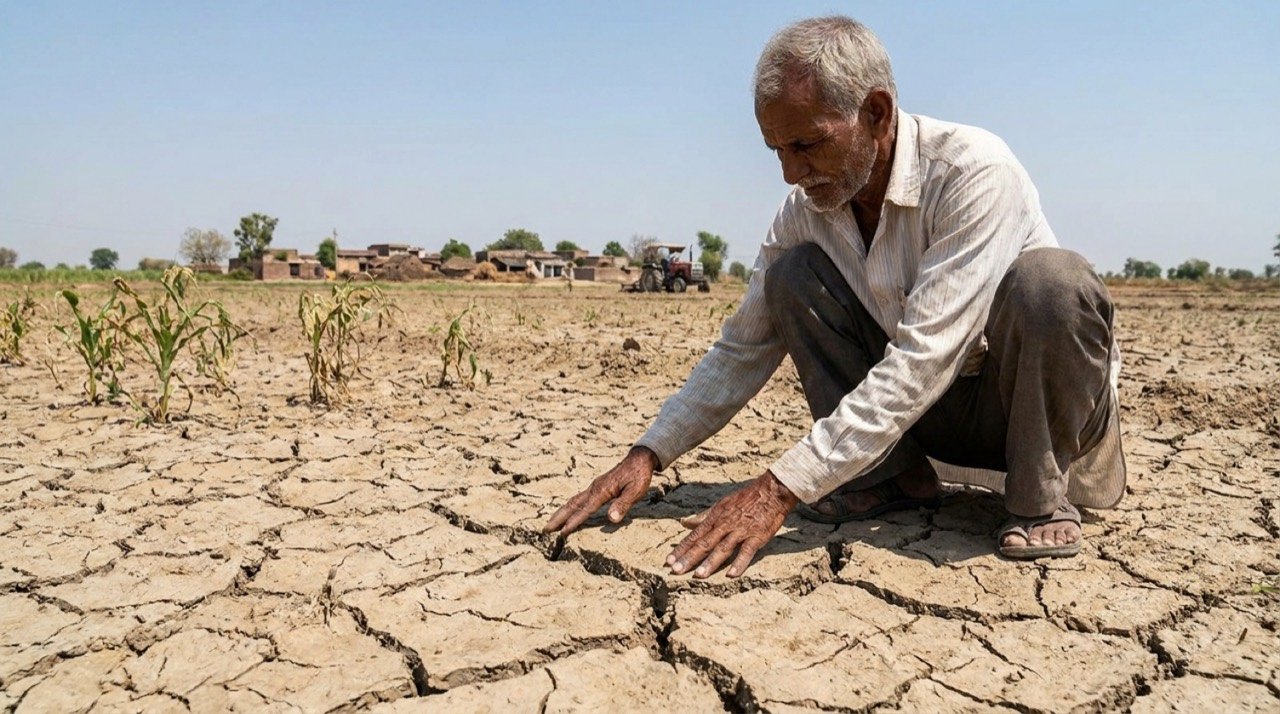
El Nino Risk Flags 111 Districts for Monsoon Deficit Worry
A fresh assessment has identified 111 districts as highly vulnerable to an El Nino-linked monsoon deficit, with Maharashtra and Madhya Pradesh accounting for a large share and farm incomes at stake.
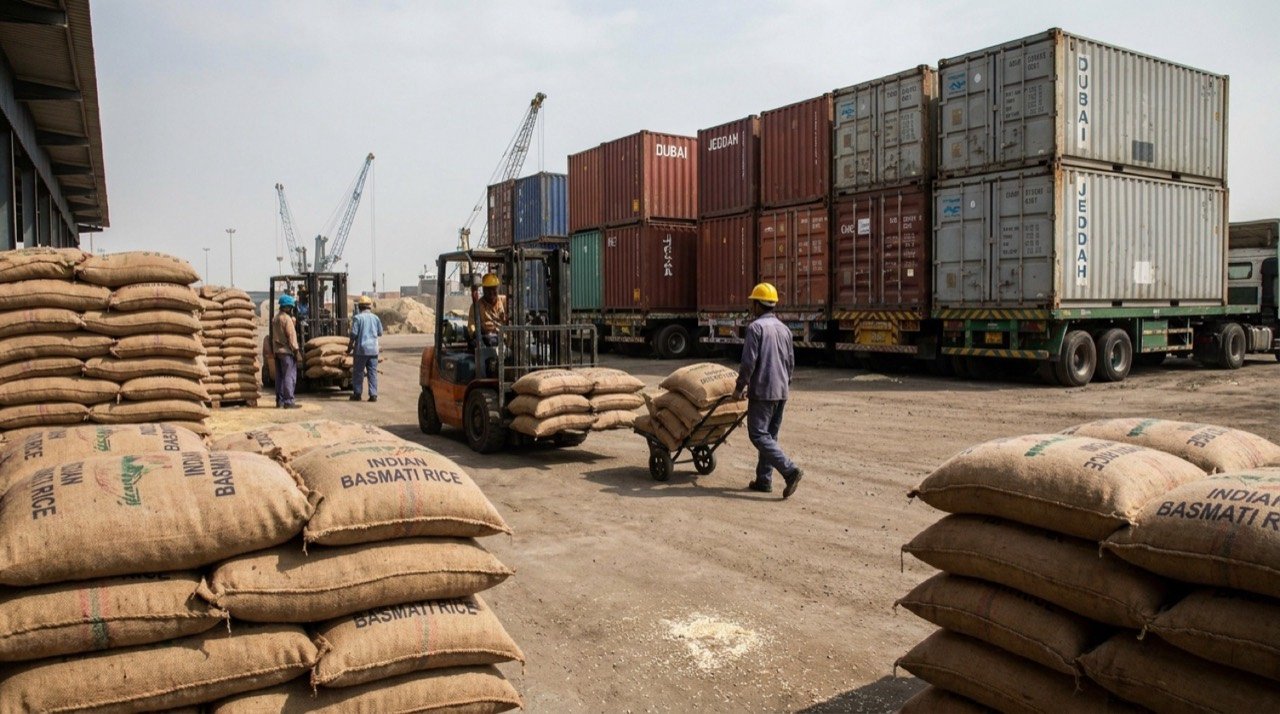
Basmati Export Rivalry Returns to Gulf Markets as Hormuz Shipping Fears Ease
As shipping anxiety around the Strait of Hormuz eases, Indian basmati exporters face renewed competition from Pakistan's 1121 varieties in Iran, the UAE and Saudi Arabia, with farm prices at home in the balance.

Fertiliser Ships Clear Strait of Hormuz, Easing India's Kharif Supply Worries
Four India-bound vessels carrying urea, DAP and sulphur have safely transited the Strait of Hormuz, offering short-term relief to kharif sowing plans amid West Asia tensions.

TCS Earnings, Crude Oil and Global Cues Set to Steer Dalal Street
Indian equities head into a cue-heavy week as the June-quarter earnings season opens with TCS, while crude oil prices and global risk signals shape how investors position across sectors.
More from this section
More
Adani Case: US DOJ Pushes for Permanent Dismissal of Charges
The US Department of Justice has urged a judge to permanently dismiss charges against Gautam Adani, calling the case legally flawed — a reversal with consequences for markets, diplomacy and cross-border enforcement.

Akasa Air Inducts 40th Aircraft in Indian Aviation Scale-Up
Akasa Air's 40th aircraft, ferried to Bengaluru via Seattle, Reykjavik and Cairo, marks a fleet milestone for the young carrier and a fresh signal that India's aviation market remains firmly in expansion mode.

BARC Ratings Suspension Leaves Indian TV Industry Flying Blind
BARC's pause on television ratings has put India's broadcast measurement system under fresh scrutiny, leaving broadcasters, advertisers and media planners without the weekly audience data that anchors the TV economy.