Telangana's Donald Trump Avenue Plan Spotlights Hyderabad's Branding Push
Telangana is set to unveil a Donald Trump Avenue near Hyderabad's US Consulate, a symbolic naming the state casts as part of its drive to brand the city as a global innovation hub.
Commentary & Analysis ·
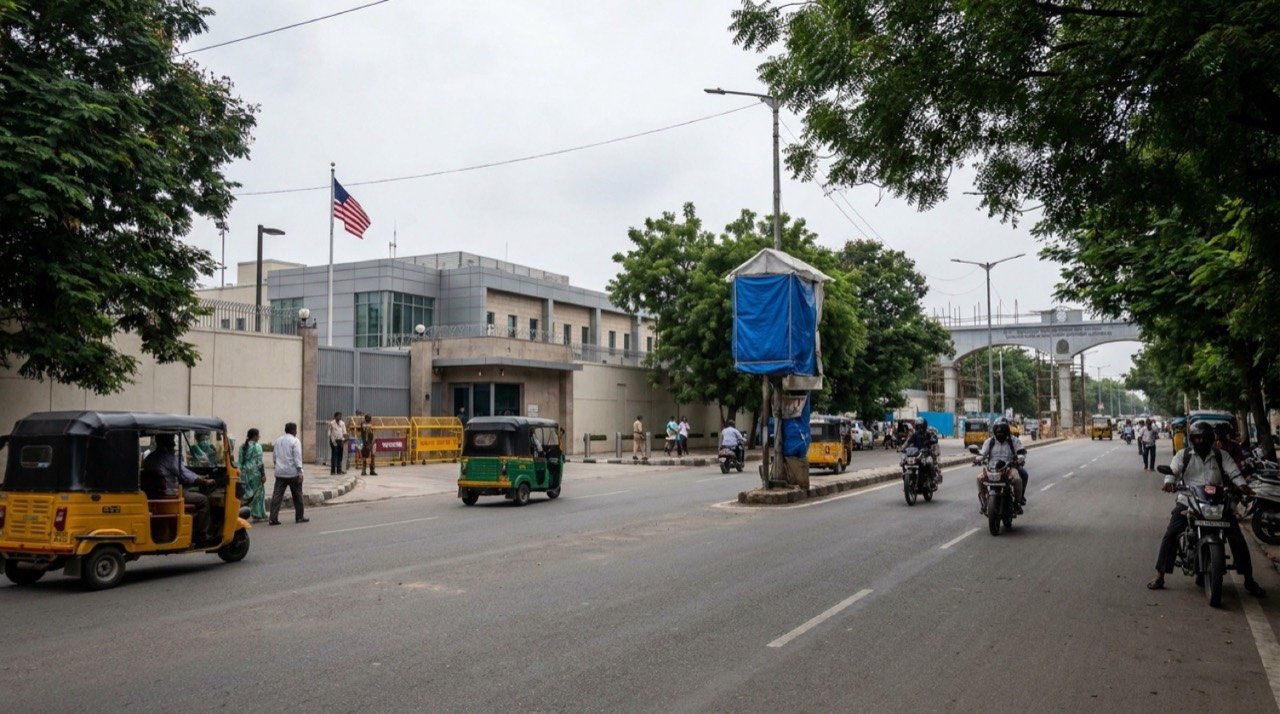
Telangana is set to inaugurate a stretch of road named Donald Trump Avenue near the United States Consulate in Hyderabad, according to official-source reports, with the unveiling planned for June 23. On the surface, this is a routine act of civic administration: a stretch of tarmac gets a new signboard. But the choice of name, location and timing turns what might have been an unremarkable municipal notification into a small case study in how Indian state governments are learning to use symbolism as a tool of economic and diplomatic positioning.
A naming with a message
Naming a road after a sitting foreign head of state is not, in itself, unusual anywhere in the world, but doing so directly beside that country's consulate sharpens the intent considerably. The proximity is not incidental. A visitor to the US Consulate in Hyderabad will now drive along, or past, an avenue bearing the name of the American president, a juxtaposition that is impossible to read as accidental. It converts a piece of street signage into a piece of staged diplomacy, one that consulate staff, visiting American businesspeople, and journalists covering India-US relations are all but guaranteed to notice and photograph. That visibility is, in a sense, the entire point: the location does at least as much communicative work as the name itself.
Telangana's officials have, in the past, floated similar naming gestures tied to figures and institutions associated with enterprise and technological achievement, including Ratan Tata and Google-linked landmarks. Seen alongside the Trump Avenue plan, this pattern suggests something more deliberate than a one-off gesture. It reads as a template, a repeatable civic tool the state can reach for whenever it wants to make a public statement about its economic orientation without committing any new capital expenditure of consequence.
The branding strategy behind it
Hyderabad's self-image as a hub for global technology and research has been decades in the making, built on the back of IT parks, pharmaceutical and biotech clusters, and a steady stream of multinational back-office and research operations setting up there. Civic naming that gestures toward international investors, entrepreneurs and political leaders is, in that context, a strikingly cheap way to keep reinforcing a narrative that has otherwise required years of infrastructure spending and policy signalling to build. A signboard costs little. The message it sends, both to domestic audiences and to overseas observers, is disproportionately large relative to that cost: that Hyderabad sees itself, and wants to be seen, as a city open to foreign capital, technological partnership and high-level diplomatic engagement.
This is where the manoeuvre becomes interesting less for what it does than for what it reveals about the incentives facing Indian state governments today. States compete with one another, often quite openly, for investment, for corporate headquarters, for the perception of being business-friendly and forward-looking. Traditional levers, tax incentives, land allocation, infrastructure spending, are slow, expensive and hard to communicate quickly to a national or international audience. Symbolic gestures, by contrast, are near-instant, inexpensive and highly shareable in a media environment that rewards striking, photographable moments over policy detail. A road named after a foreign president is, in effect, a piece of earned media dressed up as civic administration.
Stakeholder perspectives
For the Telangana state government, the calculation is straightforward: a low-cost gesture that generates outsized attention, reinforces an existing "global innovation hub" narrative, and costs nothing in the state budget beyond a new sign and an inauguration ceremony. For the US Consulate and American diplomatic officials in Hyderabad, the gesture is likely to be received warmly in the immediate term, since it flatters a sitting president and signals goodwill from a subnational Indian government, even though consulates generally deal with the practicalities of trade, visas and bilateral relations rather than symbolic honours. For prospective investors, whether American or otherwise, the avenue is unlikely to move the needle on its own; investment decisions turn on regulatory clarity, talent availability, infrastructure reliability and ease of doing business, not on street names. And for domestic political audiences in Telangana, the move will likely be read through a partisan lens, as either a savvy piece of city marketing or an unnecessary genuflection to a foreign leader, depending on one's existing sympathies.
There is also a quieter constituency to consider: Hyderabad's own residents and civic institutions, for whom the naming of a road carries none of the economic stakes attached to it by state branding strategists, but who will nonetheless live with the name, and any political controversy attached to it, long after the June 23 ceremony has faded from the news cycle.
The diplomatic and political risk
Naming public infrastructure after any sitting foreign leader is inherently a live political act, not a neutral one. Political fortunes of leaders change, controversies attach to them, and relationships between countries fluctuate in ways that a permanent piece of signage cannot easily accommodate. A road named for a Ratan Tata or a globally admired institution carries relatively little downside risk, since such names tend to age well and rarely become politically contentious. A road named for a sitting foreign president is a different proposition entirely: it ties Hyderabad's branding, even if only symbolically, to the political fortunes and reputation of an individual leader and, by extension, to the state of India-US relations at any given moment. Should relations sour, or should the leader in question become a source of domestic controversy in India, the state government may find itself having attached its innovation-hub narrative to a name it did not intend to be so closely linked with.
What to watch next
The inauguration itself, slated for June 23, will be the first real test of how the gesture lands, both domestically and internationally. Coverage and reaction on that day will offer an early signal of whether the branding exercise is received as a savvy piece of city marketing or dismissed as empty symbolism. The more important test, however, will come later: whether the months following the unveiling bring tangible investment announcements, deepened diplomatic engagement, or concrete commitments from American firms and institutions, or whether the avenue simply remains a decorative flourish with no measurable economic follow-through. Readers tracking Telangana politics, Hyderabad's infrastructure push, and the broader trajectory of India-US ties would do well to watch not the ribbon-cutting itself but what, if anything, follows it in the subsequent quarters.
The NE Times View
City branding is cheap theatre compared with the hard work of building an innovation ecosystem, and naming a road after a sitting foreign president invites diplomatic and political risk for what amounts to a largely symbolic payoff. Hyderabad's pitch as a global technology hub rests, in the end, on talent, infrastructure and ease of doing business, not on signage. By all means, Telangana should continue courting investment and cultivating diplomatic goodwill. But it is the deal flow, not the nameplate, that ought to do the talking.
Key takeaways
- Telangana plans to inaugurate Donald Trump Avenue near the US Consulate in Hyderabad on June 23, framed as part of its push to brand the city as a global innovation hub.
- The road's location beside the consulate, alongside past proposals for routes tied to Ratan Tata and Google, suggests a repeatable civic branding template rather than a one-off gesture.
- Naming infrastructure after a sitting foreign president carries diplomatic and political risk that a name honouring a business figure or institution would not.
- The real test of the gesture will be whether it is followed by tangible investment announcements and diplomatic engagement, not whether the unveiling itself generates attention.
- The NE Times View holds that sustainable investment appeal depends on talent, infrastructure and ease of doing business rather than symbolic signage.
You may also like to read
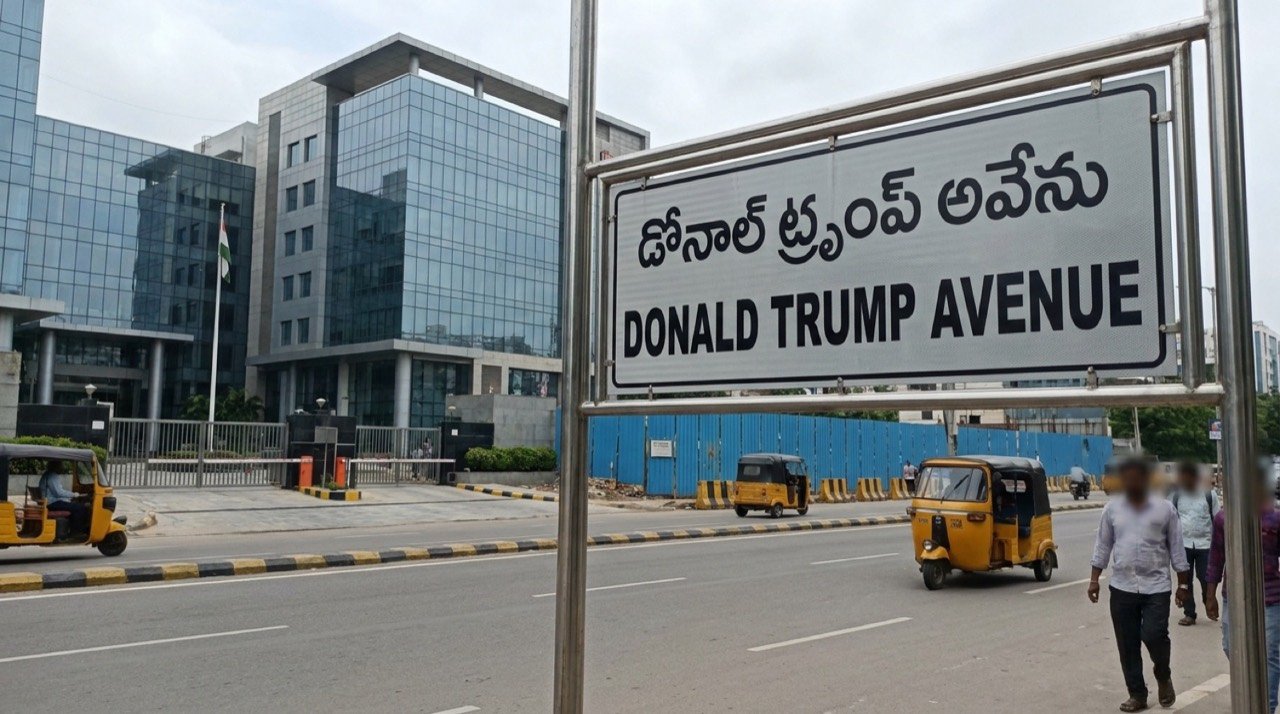
Hyderabad's Donald Trump Avenue Sparks a Symbolic Naming Row
Telangana prepares to inaugurate Donald Trump Avenue near the US Consulate on June 23, framing it as an investment signal while critics question naming a public road after a foreign leader.
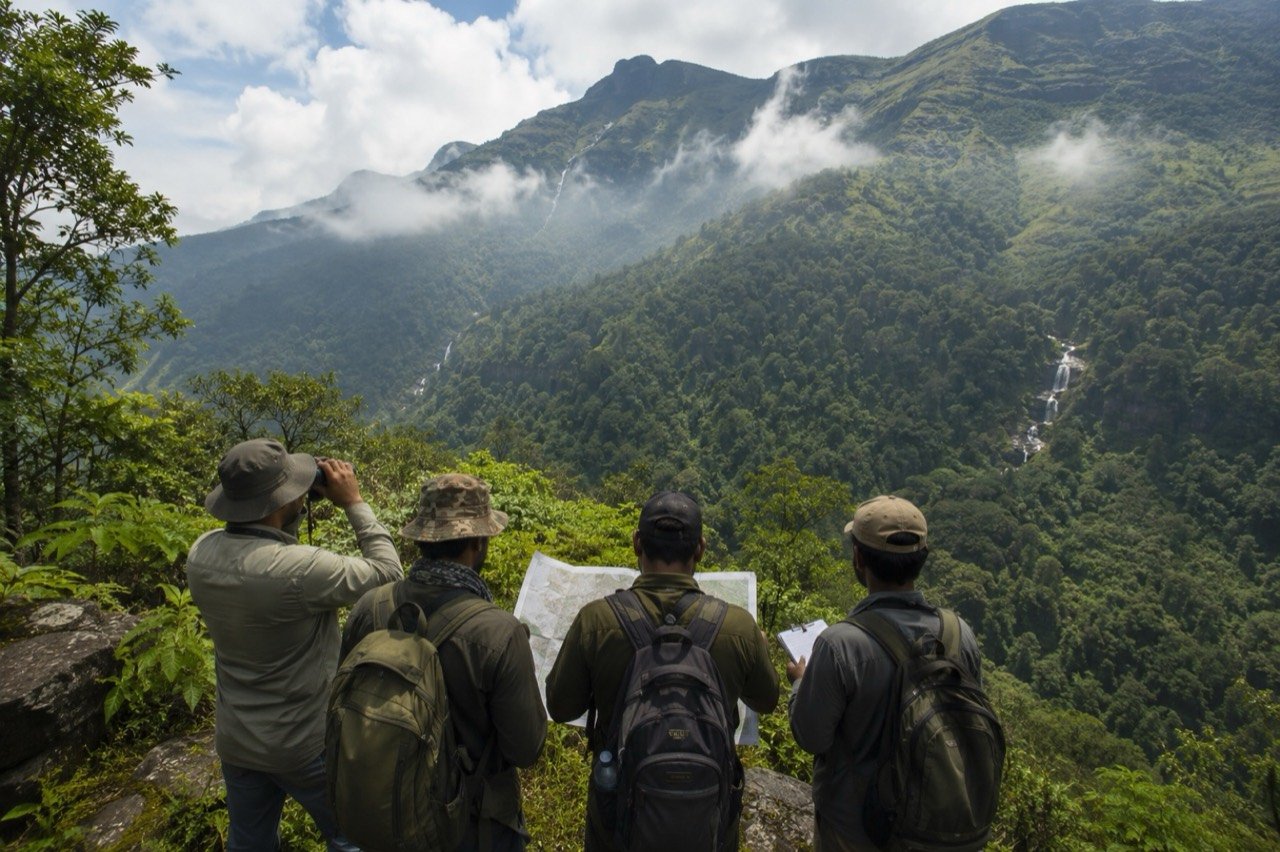
Western Ghats Eco-Sensitive Area Plan Advances With Three-State Push
The Centre is preparing to notify Ecologically Sensitive Areas in at least three Western Ghats states, shifting from an all-six approach as it weighs biodiversity protection against local livelihoods and land-use concerns.
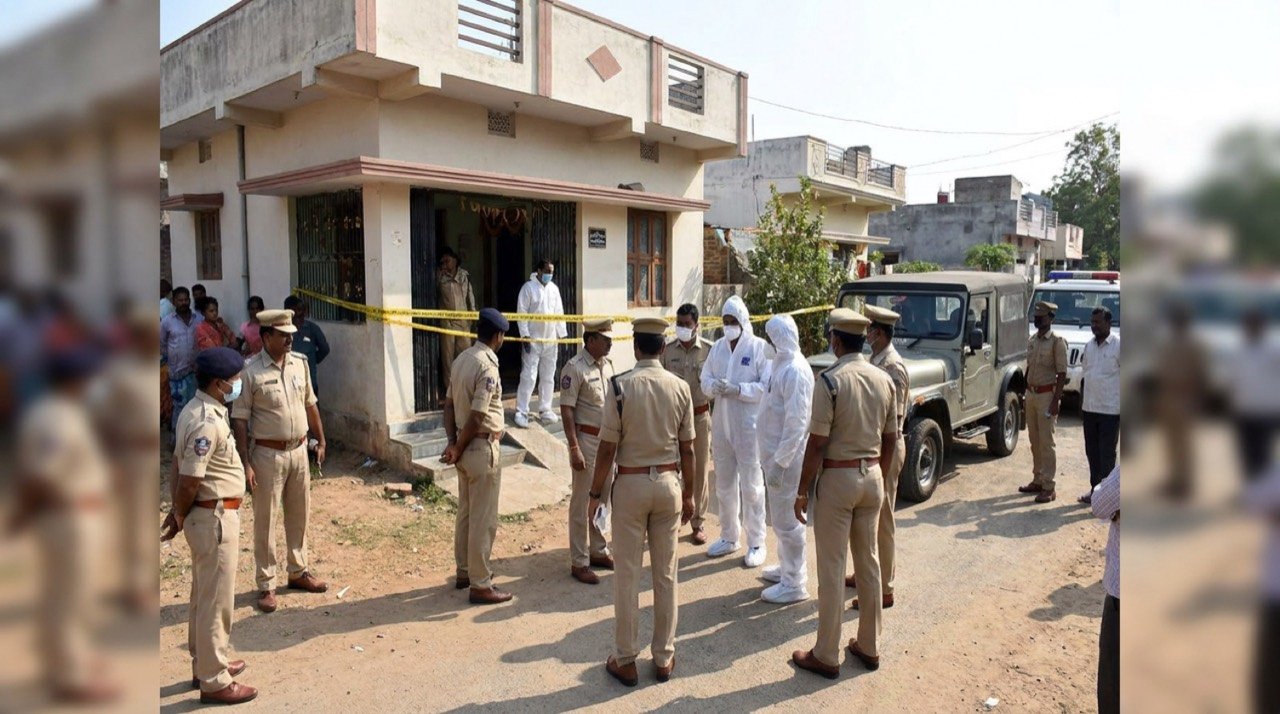
Nalgonda Businessman's Family of Four Found Dead at Home; Police Launch Careful Probe
Four members of a businessman's family were found dead inside their home in Nalgonda, Telangana, leaving the neighbourhood in shock as police begin a methodical investigation into the unexplained deaths.

Nitin Gadkari Backs Isobutanol-Blended Diesel in New Biofuel Push
Union Minister Nitin Gadkari is reportedly pushing for up to 15 percent isobutanol blending in diesel, extending India's biofuel drive beyond E20 petrol into the fuel that powers freight and farming.
More from this section
More
AICTE Industry Fellowship 2026: Rs 1.5 Lakh Scheme Closes July 5
The AICTE Industry Fellowship Programme 2026, which places technical-education faculty inside leading companies on a Rs 1.5 lakh monthly stipend, reached its application deadline on July 5.
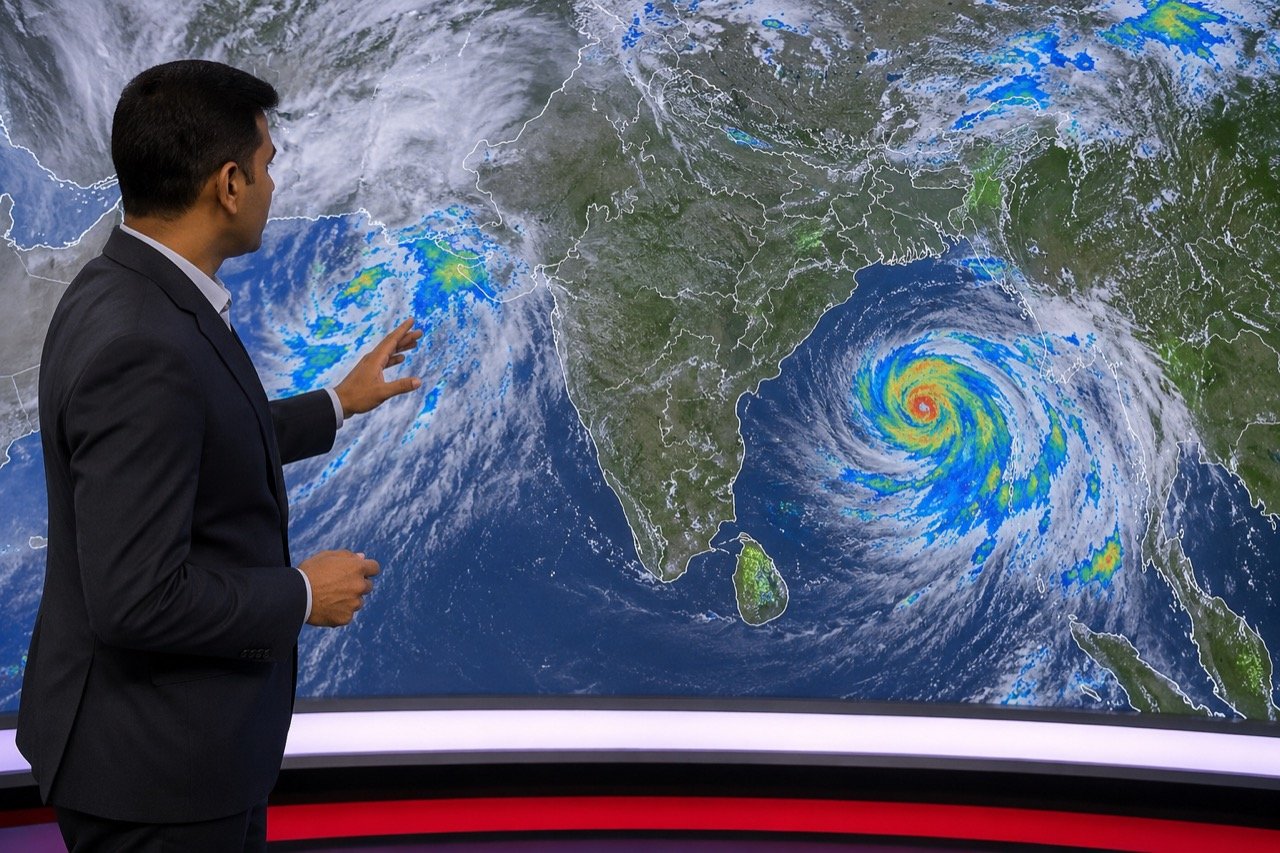
Bay of Bengal Low Pressure System Revives Monsoon Over Western India
A low-pressure system over the Bay of Bengal has pushed the monsoon back into an active phase, bringing steady heavy rain to Kerala, coastal Karnataka and Maharashtra, and putting Mumbai and Pune on preparedness watch.
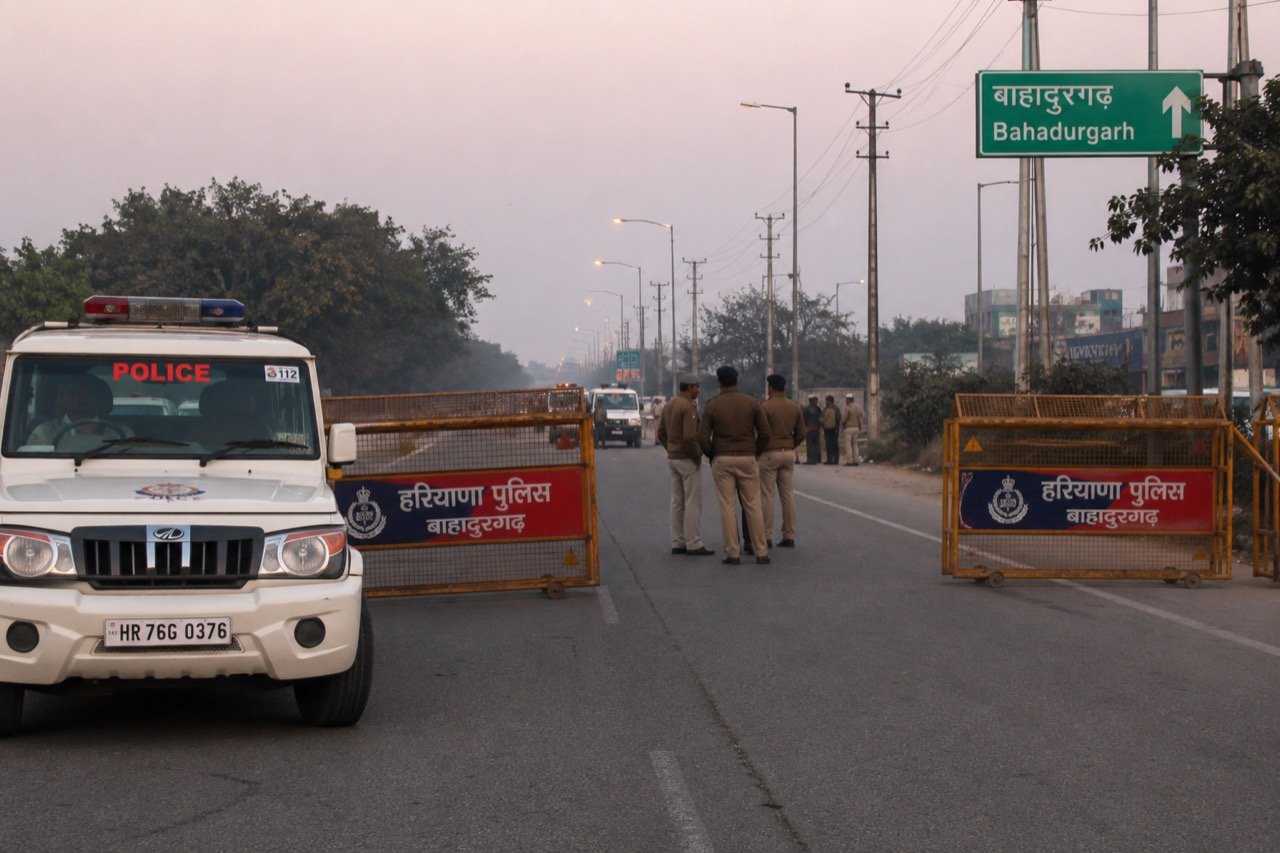
Bishnoi Gang Suspects Injured in Haryana Encounter as Police Tighten Net
A joint Haryana-Delhi Police operation in Bahadurgarh left two suspected Lawrence Bishnoi gang members injured, spotlighting the multi-state coordination now central to India's fight against organised crime networks.