South Korea's Ruling Party Sweeps Local Polls But Loses Seoul
President Lee Jae-myung's Democratic Party won most governorships and metropolitan mayoralties on a high turnout, yet the opposition held the symbolically vital Seoul mayoralty.
Commentary & Analysis ·

South Korea's ruling liberal Democratic Party secured a sweeping victory in local elections held on 3 June, winning 12 of the 16 contests for metropolitan mayors and provincial governors, including the populous Gyeonggi province and the port cities of Incheon and Busan. The result handed President Lee Jae-myung's party command of most of the country's major regional governments and confirmed its dominance across much of the political map.
Turnout was estimated at around 61 percent, roughly 11 percentage points higher than the previous local elections in 2022, in a vote widely seen as an early test of President Lee Jae-myung's administration. The sharp rise in participation lent the outcome added weight, suggesting an engaged electorate keen to register a verdict on the new government's early course.
A symbolic setback in the capital
Despite the broad win, the Democratic Party lost the pivotal Seoul mayoral race, where conservative incumbent Oh Se-hoon of the opposition People Power Party held on to office. The capital is South Korea's political and economic heart, and control of its city hall carries symbolic and practical importance that reaches well beyond the boundaries of the metropolis.
Analysts read the result as voters declining to hand the ruling party unchecked power, a familiar instinct in democracies where electorates often hedge against the concentration of authority in a single party. The pattern of a dominant national winner checked at a strategic local level is one seen in many mature democracies, and it tempers the scale of the Democratic Party's triumph.
An unusual political landscape
The outcome leaves an unusual political landscape in which the ruling party is dominant nationally but the opposition retains the capital and several strategic districts, complicating the politics ahead in Seoul. Governing a city while the national administration is led by a rival party can produce friction over budgets, development priorities and policy, but it can also force a degree of negotiation and compromise.
- Democratic Party won 12 of 16 metropolitan mayor and governor contests
- Wins included Gyeonggi province and the port cities of Incheon and Busan
- Turnout was around 61 percent, up roughly 11 points from 2022
- Conservative incumbent Oh Se-hoon held the Seoul mayoralty for the opposition
What it means going forward
For President Lee, the results offer a strong regional foundation to pursue his agenda, with allied governors and mayors in most of the country's key jurisdictions. Yet the loss of Seoul is a reminder that the administration's mandate has limits and that the opposition retains a powerful platform from which to challenge the government and project an alternative.
The mixed verdict sets the stage for a period of contested politics in which the ruling party's national strength will be tested against opposition resilience in the capital. How the two sides manage that divided landscape, and whether cooperation or confrontation prevails, will shape the next phase of South Korean governance and the standing of both parties heading into future national contests.
The NE Times View
A near-sweep undercut by losing Seoul is a textbook case of voters granting a mandate while withholding a blank cheque. The capital's defiance shows electorates increasingly split tickets to keep dominant parties honest. The NE Times View: it is a healthy democratic instinct that India's own voters often display, and a useful reminder that even commanding victories carry built-in warnings against overreach.
This article is original commentary and analysis by The NE Times. Background facts were referenced from China Daily, The Diplomat.
You may also like to read

South Korea's Ex-President Yoon Handed 30 Years Over Drone Plot
A Seoul court convicted former president Yoon Suk Yeol of sending military drones over Pyongyang to manufacture a pretext for his failed 2024 martial law bid.
Sakurajima Eruption Blankets Southern Japan in Volcanic Ash
A powerful eruption at one of Japan's most active volcanoes coated the city of Kagoshima in ash, grounding flights, halting trains and disrupting the summer tourist season.
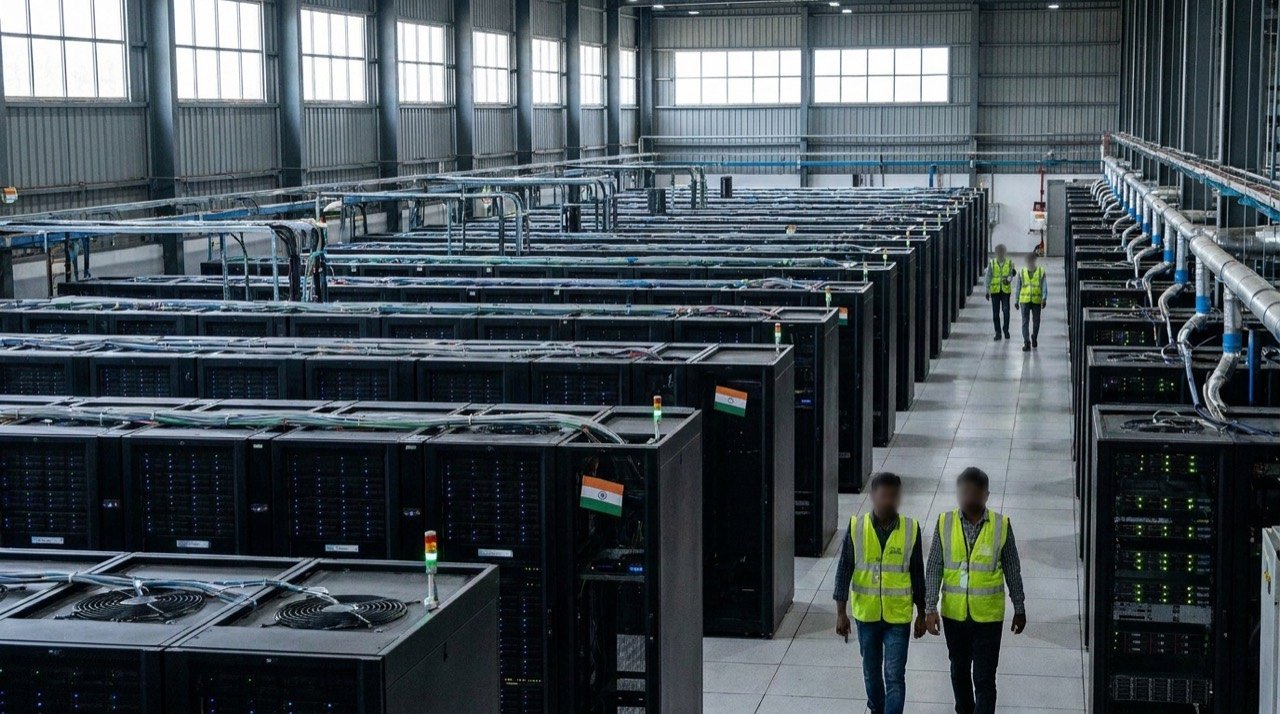
China's LineShine Dethrones US as World's Fastest Supercomputer, Sharpening India's AI Resolve
China has reclaimed the top spot on the global supercomputing rankings with an all-domestic machine running at over two exaflops, a milestone in the US-China tech contest that underscores why India is racing to build its own sovereign computing power.
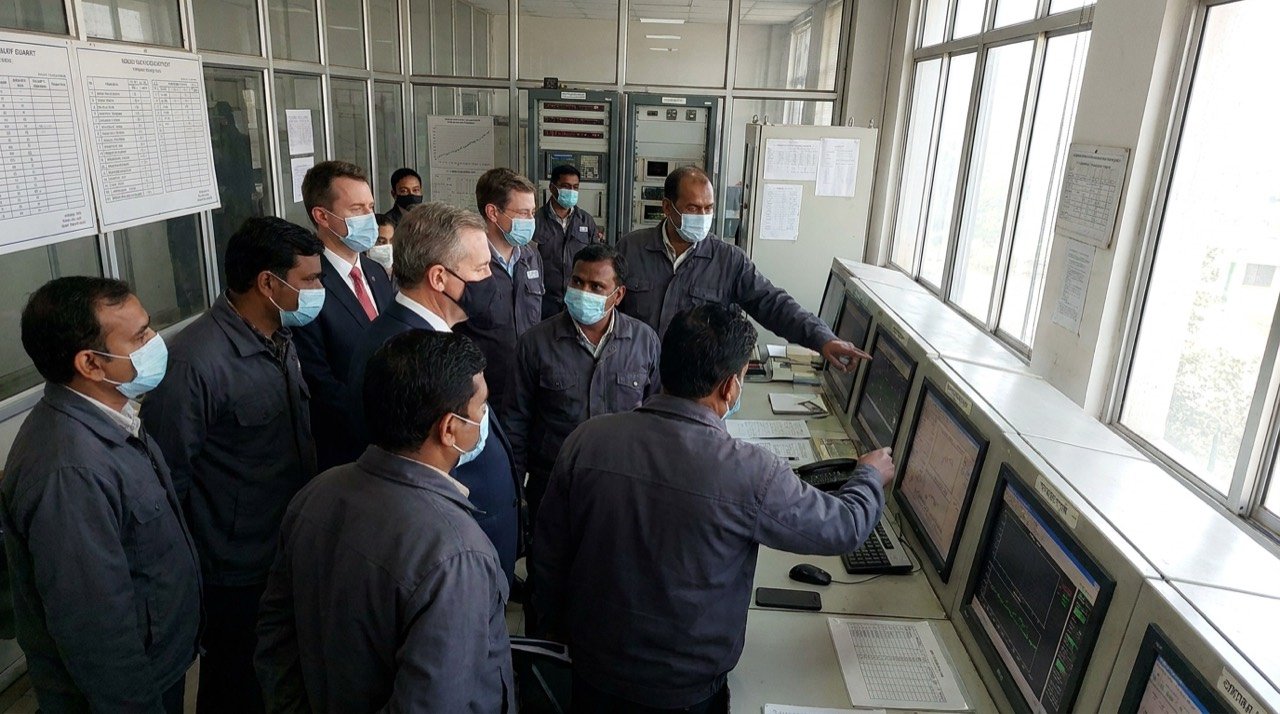
Iran-IAEA Inspection Standoff Tests Fragile Truce, With India Watching Its Energy Stakes
The UN nuclear watchdog insists inspectors will return to Iran's enrichment sites under an interim US-Iran deal, but Tehran says access waits for a final agreement, leaving Indian importers eyeing both oil flows and the Strait of Hormuz.
More from this section
More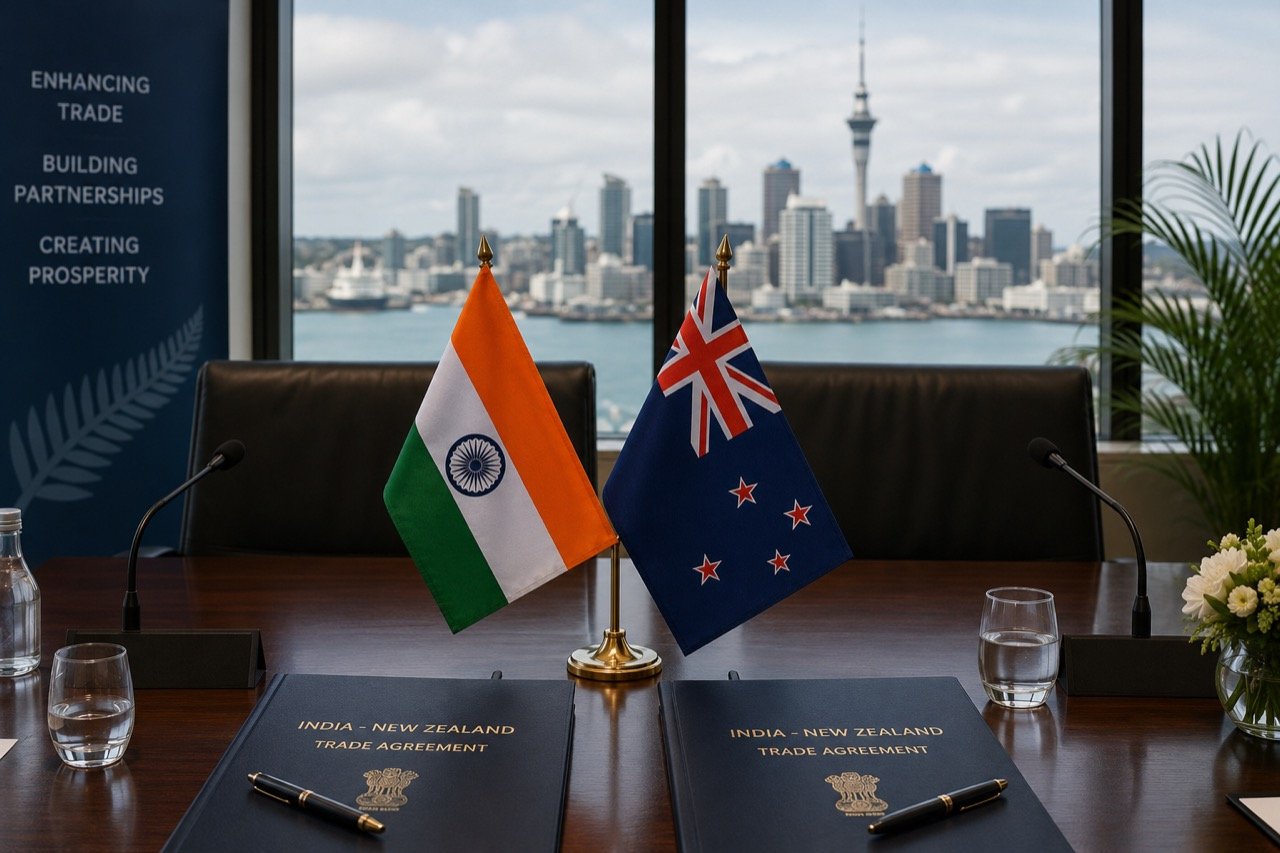
India-New Zealand Ties: Visit Plans Put FTA and Diplomacy in Focus
Reports of a planned high-level India-New Zealand engagement have revived attention on free trade talks, professional mobility and Indo-Pacific cooperation between two partners with clear room to grow.

Modi Greets Trump on US 250th Independence Day, Hails Partnership
Prime Minister Narendra Modi marked America's 250th Independence Day with a message to President Trump, saying the next 250 years should lift the India-US partnership to new heights.
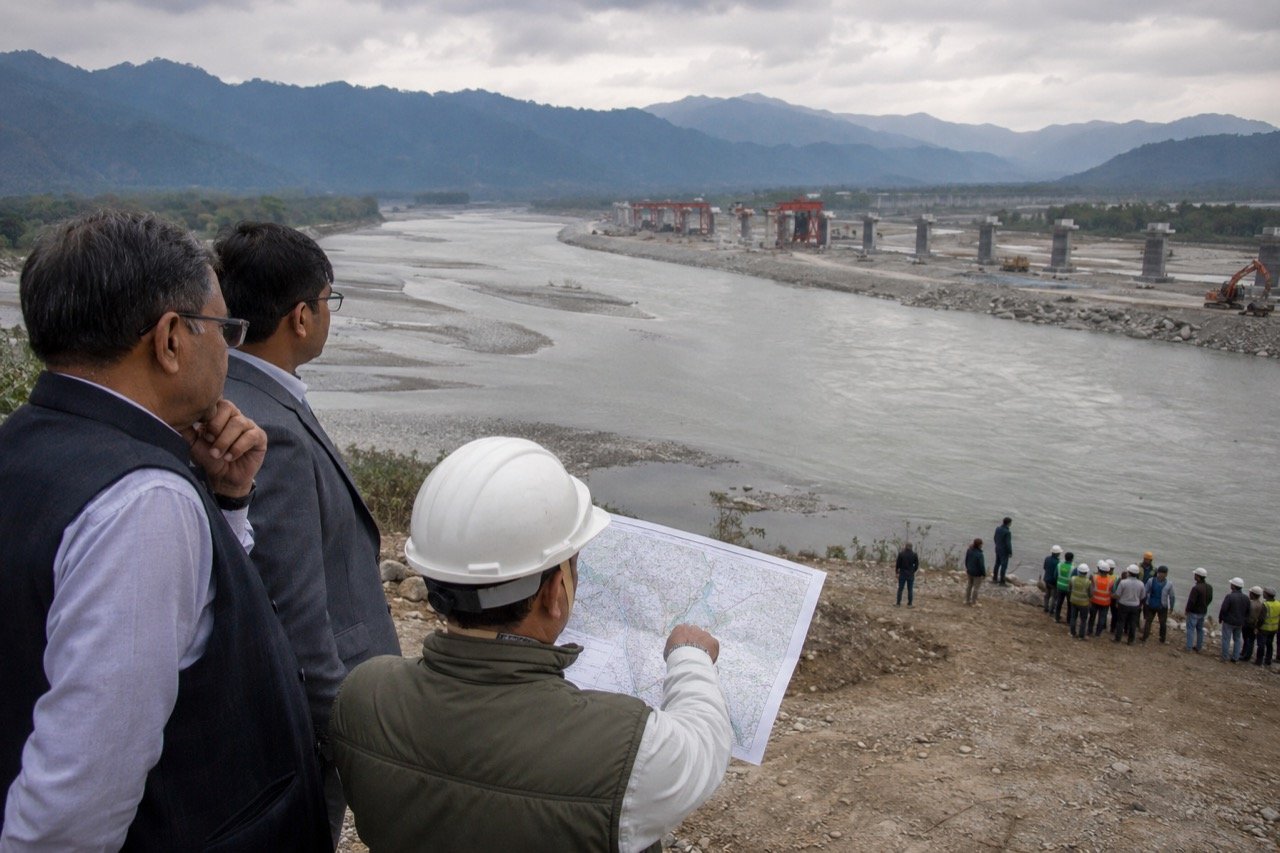
India Watches Dhaka's China-Backed Teesta Plan as Stakes Rise
New Delhi is closely tracking Bangladesh's proposal to develop the Teesta river with Chinese assistance, a move that revives one of South Asia's most sensitive water-sharing disputes and tests regional strategic trust.