SEBI Reform Push Aims to Simplify Market Plumbing and Revive Open-Market Buybacks
SEBI has proposed a simpler rulebook for stock exchanges and clearing corporations and cleared the return of open-market share buybacks from August 1, signalling a lighter-touch yet sturdier market framework.
Commentary & Analysis ·
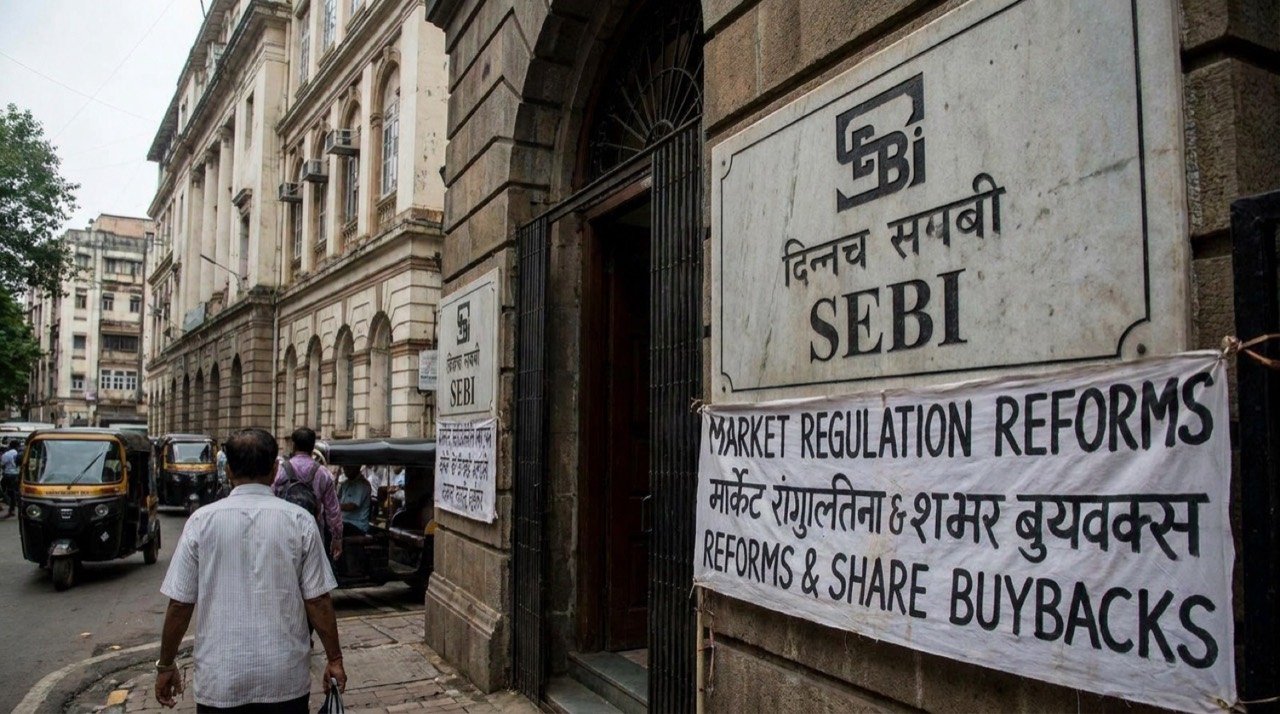
India's markets regulator has set out to declutter the rules that govern the country's trading infrastructure. The Securities and Exchange Board of India (SEBI) has proposed a simpler rulebook for stock exchanges and clearing corporations, while separately clearing the way for open-market share buybacks to return from August 1. Taken individually, each move looks like routine housekeeping. Taken together, they read as a statement of intent from a regulator that wants India's market plumbing to be both easier to operate and easier to trust.
Streamlining the rulebook
At the heart of the proposal is consolidation. SEBI aims to bring together scattered circulars, drop obsolete provisions and reduce the compliance clutter that has accumulated over years of incremental rule-making. Anyone who has watched a regulatory framework grow organically over a couple of decades knows how this happens: a circular is issued to address a specific problem, then another to patch an edge case, then another to clarify the first two, and eventually the institutions being regulated are spending as much effort tracing which provision supersedes which as they are on the substance of compliance itself. SEBI's proposal is essentially an attempt to reverse that accretion.
For exchanges and clearing corporations, a tidier rulebook can mean less ambiguity and faster processes, lowering the friction of day-to-day compliance without diluting the underlying safeguards. This distinction matters. Consolidation is not the same as deregulation. Merging overlapping circulars into a single coherent framework and discarding provisions that no longer serve a purpose is, in principle, a technical exercise rather than a policy loosening. The risk, of course, is that any large-scale rewrite of a rulebook creates room for interpretation to shift, intentionally or not, and that is precisely why the manner of implementation will matter as much as the stated intent.
Why market infrastructure rules matter beyond the back office
It is tempting to treat rules governing exchanges and clearing corporations as a purely technical, back-office concern, of interest only to compliance officers. In practice, these are the institutions that make trading, settlement and risk management possible at scale. Clearing corporations, in particular, sit at the centre of the plumbing that ensures a trade agreed upon today actually settles without one side defaulting. When the rules that govern these entities are unclear or contradictory, the costs show up indirectly, in slower approvals, higher legal and compliance overheads, and occasional uncertainty at moments of market stress when clarity is needed most. A simpler, more navigable framework, if it delivers on its promise, should reduce those frictions and let exchanges and clearing corporations respond more quickly when it counts.
The return of open-market buybacks
In a parallel move, SEBI has approved the return of open-market share buybacks from August 1. Buybacks are a key tool through which listed companies return surplus cash to shareholders, and the open-market route gives firms added flexibility in how they execute them, compared with the tender-offer route that requires a fixed price and a defined offer window. For companies sitting on spare capital and for investors weighing capital-return policies, the revival is a meaningful signal about the options available in the months ahead.
The significance of this move lies in the choice it restores to corporate boards. A company with surplus cash and no immediately compelling use for it, whether in capital expenditure, acquisitions or debt reduction, has essentially two ways to hand that cash back to shareholders: dividends or buybacks. Open-market buybacks let a company purchase its own shares gradually, over time and at prevailing market prices, rather than committing to a single fixed-price tender. That flexibility can make buybacks a more attractive tool during periods of price volatility, since a company is not locked into buying at one predetermined level. For shareholders, buybacks can also be a tax-efficient way to receive value compared with dividends, depending on individual circumstances, and they can support per-share metrics such as earnings per share by reducing the share count outstanding.
Balancing ease with integrity
Taken together, the reforms point to a regulator trying to strike a balance: easing the burden of doing business while preserving market integrity. Faster processes and clearer accountability are intended to coexist with the protections that underpin investor confidence. This is the perennial tightrope that any capital markets regulator walks. Push too hard on simplification and speed, and the guardrails that prevent manipulation, insider misuse or systemic risk can weaken. Push too hard on caution and complexity, and the market becomes needlessly expensive and slow to operate, discouraging the very participation, both corporate and retail, that regulators want to encourage.
How the proposals are finalised and implemented will determine their real impact. A rulebook that is announced as simplified but implemented with continued layers of interpretation and exception delivers little of the promised benefit. Equally, an open-market buyback window that reopens without adequate disclosure and monitoring requirements could raise questions about whether companies are using buybacks opportunistically rather than as a genuine capital-return decision. If executed well, the package could make India's market plumbing both simpler to operate and clearer in its accountability, a combination that listed companies and investors alike will be watching closely.
What stakeholders will be watching
For listed companies, the immediate practical question is how quickly the new buyback route can be put to use once it opens on August 1, and how boards will weigh it against dividends and other uses of capital. For exchanges and clearing corporations, the consolidation exercise will be judged on whether it genuinely reduces the number of circulars and cross-references they must track, or whether it simply repackages the same obligations under a new structure. For retail investors, who have been participating in Indian equity markets in record numbers in recent years, the interest lies less in the mechanics of rulebook consolidation and more in whether buybacks translate into tangible value, whether through price support, improved per-share metrics, or simply the confidence that comes from seeing companies actively manage their balance sheets. Markets policy analysts, as the commentary from one such observer captured, tend to frame the exercise as an attempt to build "a leaner framework that is easier to follow without loosening the guardrails that protect investors." That framing captures the tension precisely: the test is not whether the rulebook gets shorter, but whether it gets clearer without getting weaker.
The NE Times View
Simplifying market plumbing and reviving open-market buybacks signals a regulator confident enough to trust markets with a lighter touch. For a maturing market drawing record retail participation, clearer rules and easier capital return to shareholders are welcome developments, and they arrive at a time when Indian equity markets have become a much larger part of household savings than they once were. That broadening of participation raises the stakes for getting the balance right. The watchword is balance: deregulation must not dilute the investor protection that built trust in the first place. A rulebook can be simplified in ways that make compliance easier without making oversight weaker, and a buyback route can be reopened with disclosure and monitoring standards that keep the process transparent. If SEBI keeps the rulebook simple without weakening enforcement, both companies and small investors stand to gain, companies through a lower-friction operating environment and greater flexibility in managing capital, and small investors through continued confidence that the market they are increasingly relying on for their financial futures remains well policed even as it becomes easier to navigate.
Key takeaways
- SEBI has proposed consolidating scattered circulars and dropping obsolete provisions to simplify the rulebook for stock exchanges and clearing corporations.
- Open-market share buybacks are set to return from August 1, restoring a flexible capital-return route for listed companies alongside the existing tender-offer method.
- The stated aim is to balance ease of doing business with continued market integrity, rather than treating simplification as a synonym for deregulation.
- Implementation details, how consolidation is executed and how the buyback window is monitored, will determine whether the reforms deliver their intended benefits.
- The reforms arrive against a backdrop of record retail participation in Indian equities, raising the stakes for maintaining investor protection even as rules are simplified.
You may also like to read
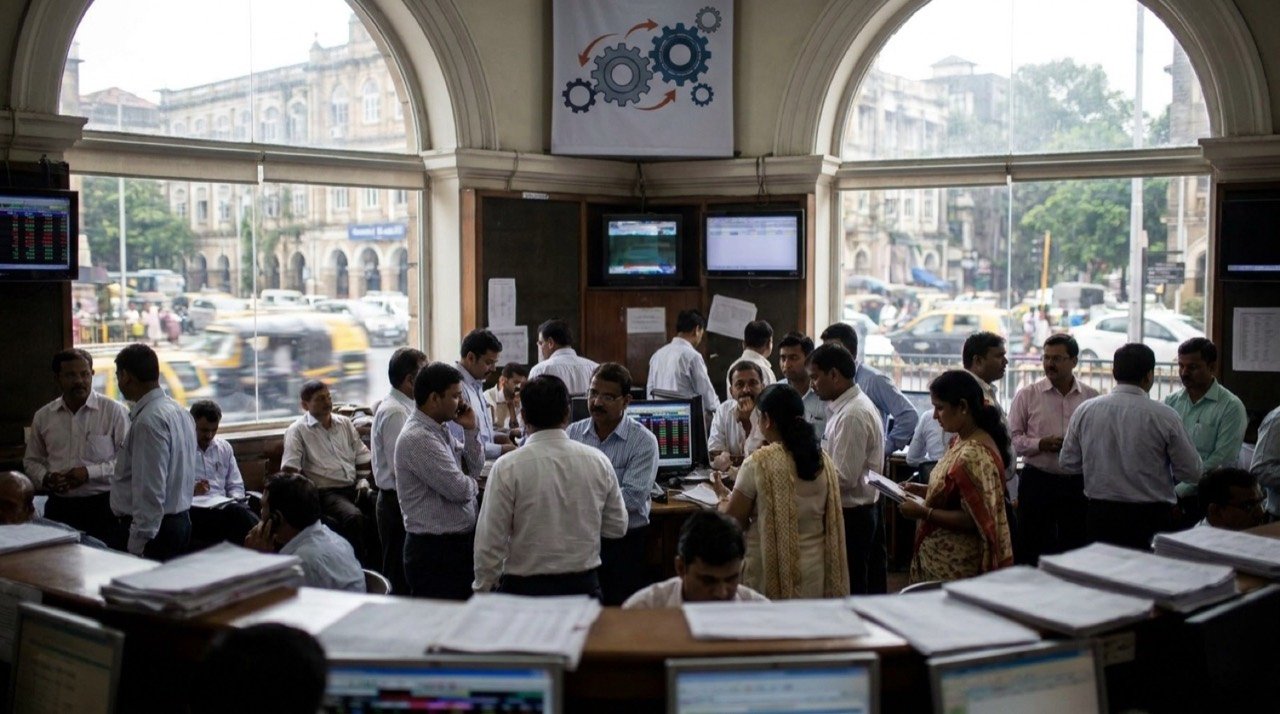
SEBI Proposes Simpler Rulebook for Stock Exchanges, Clearing Firms and Brokers
India's market regulator SEBI has proposed a sweeping ease-of-business overhaul of technology, compliance and reporting rules for exchanges and intermediaries, promising clearer obligations without diluting investor protection.

SEBI's Technology-Rule Review Could Reshape Access to India's Markets
SEBI has proposed a sweeping review of technology and compliance rules for exchanges, depositories and market participants, with a key question being whether Direct Market Access should be opened more widely to retail investors.

NSE IPO Filing With SEBI Moves India's Top Exchange Closer to Listing
The National Stock Exchange has filed draft IPO papers with SEBI for an offer estimated near Rs 30,000 crore, a long-delayed move that could rank among India's biggest-ever public issues if cleared.
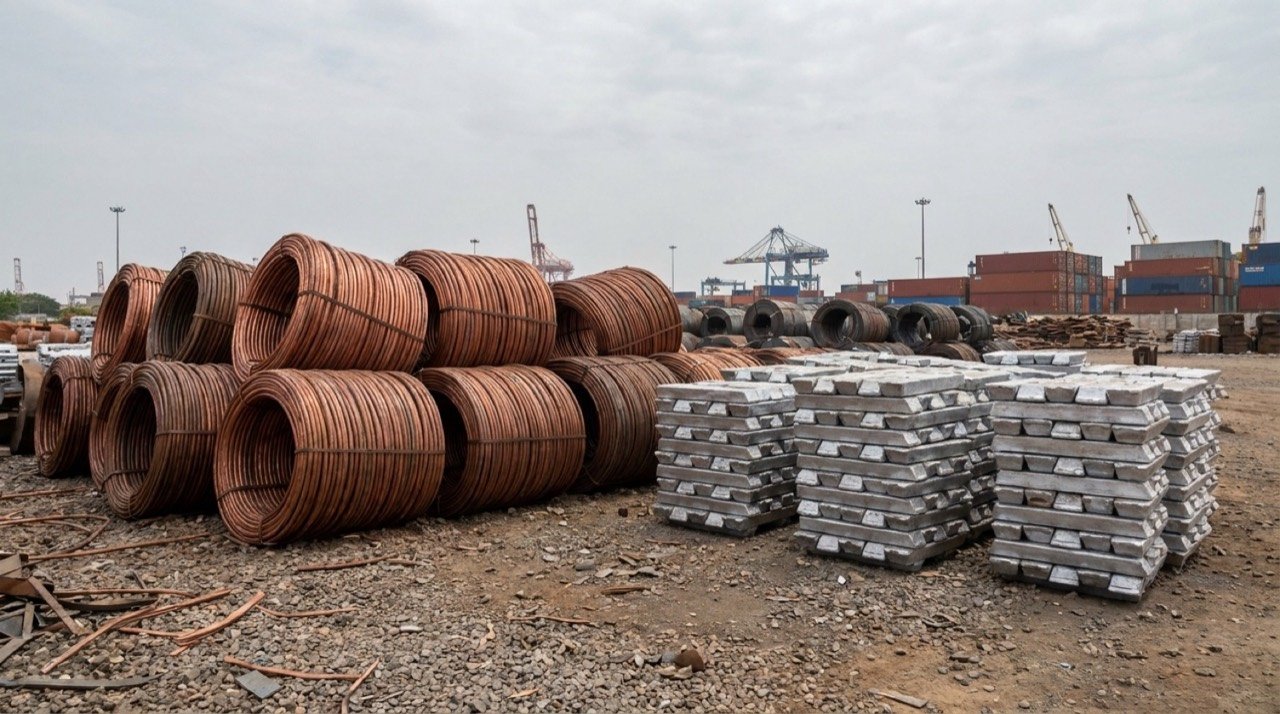
NSE-Bharat Metal Exchange Pact Aims to Deepen India's Metal Derivatives Market
The NSE has signed an MoU with Bharat Metal Exchange to develop non-ferrous metal derivatives, pairing exchange infrastructure with physical-market links to widen price-risk hedging in copper and aluminium.
More from this section
More
Adani Case: US DOJ Pushes for Permanent Dismissal of Charges
The US Department of Justice has urged a judge to permanently dismiss charges against Gautam Adani, calling the case legally flawed — a reversal with consequences for markets, diplomacy and cross-border enforcement.

Akasa Air Inducts 40th Aircraft in Indian Aviation Scale-Up
Akasa Air's 40th aircraft, ferried to Bengaluru via Seattle, Reykjavik and Cairo, marks a fleet milestone for the young carrier and a fresh signal that India's aviation market remains firmly in expansion mode.
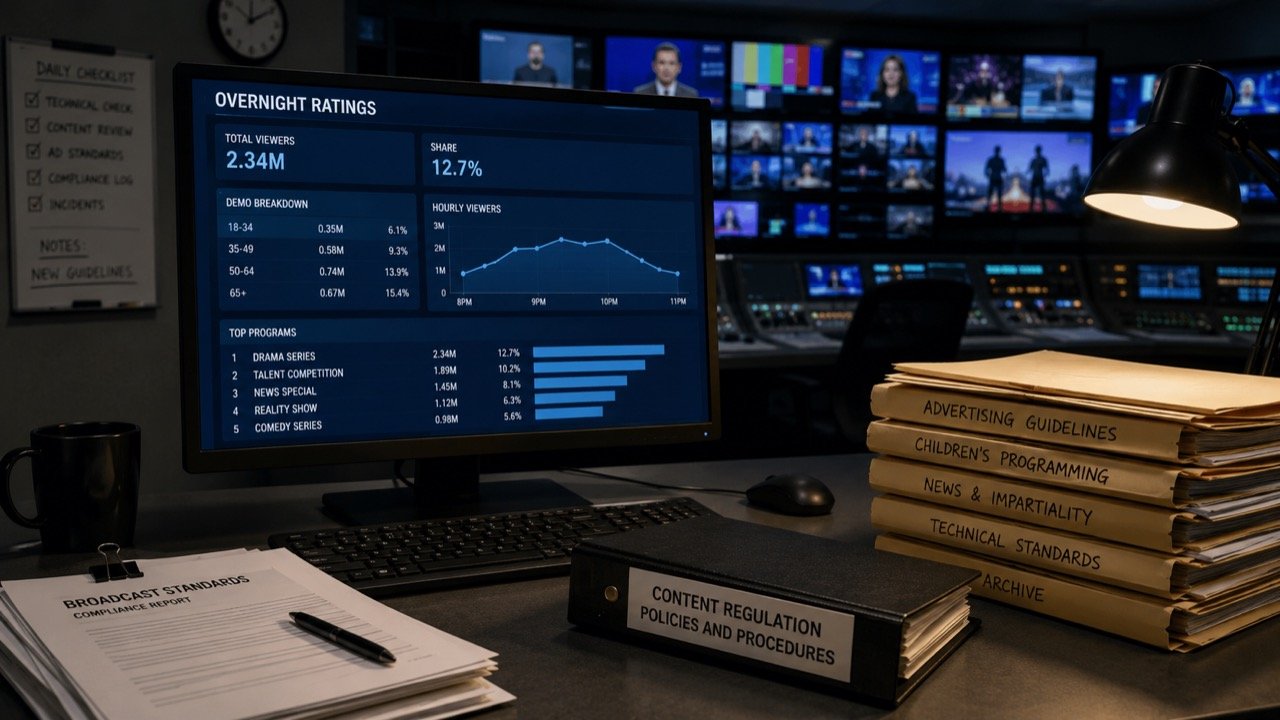
BARC Ratings Suspension Leaves Indian TV Industry Flying Blind
BARC's pause on television ratings has put India's broadcast measurement system under fresh scrutiny, leaving broadcasters, advertisers and media planners without the weekly audience data that anchors the TV economy.