President Murmu Confers 65 Padma Awards In Rashtrapati Bhavan Ceremony
President Droupadi Murmu honoured 65 recipients across arts, science, medicine, literature and social work, renewing India's civilian-honour tradition that recognises contribution far from political debate.
Commentary & Analysis ·
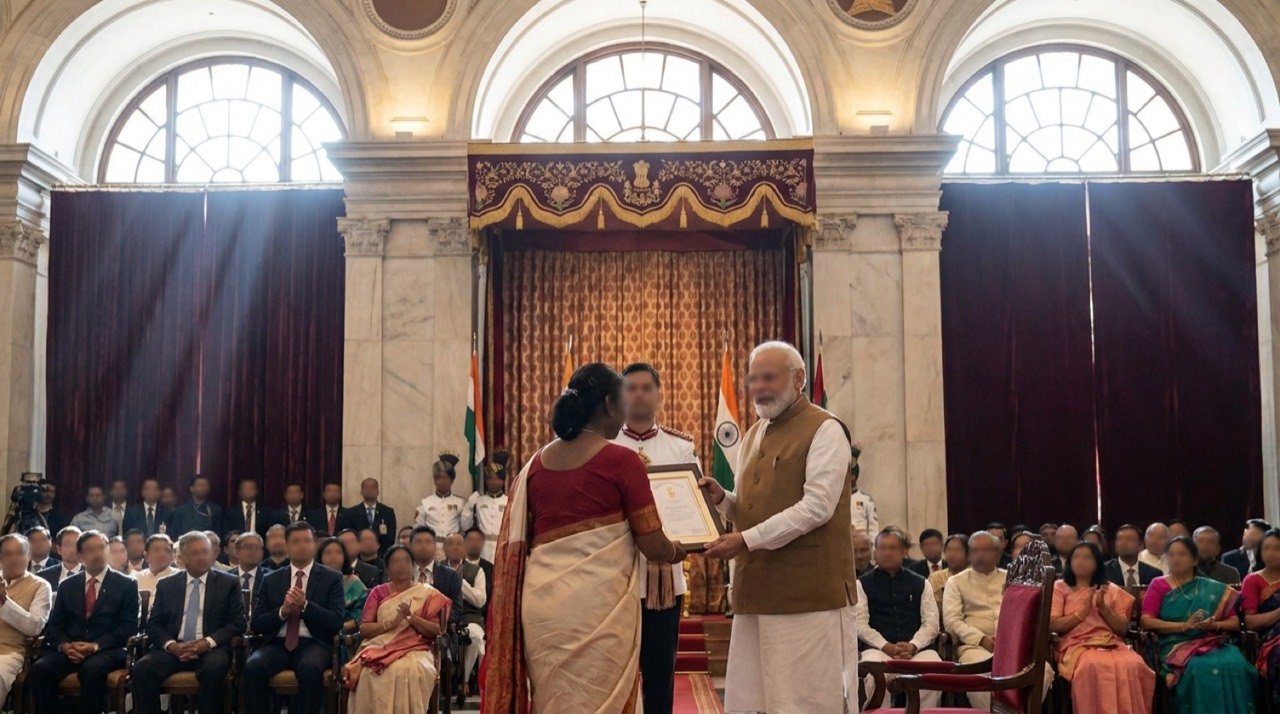
President Droupadi Murmu conferred 65 Padma Awards at a ceremony in Rashtrapati Bhavan, turning national attention once again to citizens recognised for distinction across public service, the arts, science, medicine, literature, social work and other fields. The event continued India's annual tradition of civilian honours, the occasion on which the country formally acknowledges achievement that often unfolds far away from the daily churn of political debate. In a public culture saturated with noise around elections, court battles and legislative wrangling, the Padma ceremony offers something different: a structured, state-sanctioned pause to name individuals whose work has quietly shaped communities, institutions and fields of knowledge.
A cross-section of national contribution
The 65 honours conferred this year spanned a wide range of disciplines and regions, bringing together widely celebrated names and lesser-known grassroots workers under the same ceremonial roof. That breadth is central to the awards' character: they are designed to capture excellence wherever it occurs, not merely in the most visible or metropolitan professions. A scientist working in a national laboratory, a classical performer with decades of practice, a physician who has served an underserved district, a writer working in a regional language, and a social worker operating far from any capital city can all, in principle, be recognised in the same year and the same ceremony.
By drawing recipients from across India's states and vocations, the ceremony effectively built a national archive of service for the year, a record of the people the Republic chose to single out for acknowledgement. This archival function matters more than it might first appear. Over decades, the cumulative list of Padma recipients becomes a kind of institutional memory, a record that future historians, sociologists and policy researchers can consult to understand which forms of contribution a given era of the Indian state considered worth honouring publicly.
Why the honours matter
The Padma Awards carry symbolic weight precisely because they are conferred by the President of India, the head of state, in a setting that lifts individual achievement to the national stage. The presidency, as a constitutional office standing above party politics, lends the awards a legitimacy that a purely governmental or ministerial honour might lack. For many recipients, especially those working quietly in their communities without prior public recognition, this is a rare moment of countrywide acknowledgement, one that can bring visibility to causes, institutions or art forms that would otherwise remain confined to local audiences.
Reports from government sources and major news outlets noted that the ceremony reaffirmed the enduring place of these honours in India's civic life, separate from electoral or partisan considerations. That separation is itself worth dwelling on. Civilian honours conferred at Rashtrapati Bhavan are not tied to any particular government's policy agenda or electoral cycle; they draw instead on nomination and selection processes that, at least in design, aim to identify merit across the ideological and regional spectrum. In a democracy as large and diverse as India's, maintaining that sense of the awards standing apart from day-to-day politics is part of what preserves their credibility over time.
The scale and symbolism
For readers following the Padma Awards 2026 ceremony, the headline takeaway is both the number of honours presented, 65 in total, and the symbolic value of recognition at the highest constitutional level. The awards function as a yearly reminder that public esteem can attach to contribution in fields ranging from the laboratory to the village, from a research institute to a rural health centre. This is significant in a country where public discourse tends to concentrate attention on a relatively narrow set of celebrities, politicians and business figures. The Padma list, by contrast, widens the aperture, at least for a day, to include people whose names may never otherwise reach a national audience.
The ceremony itself, held within the setting of Rashtrapati Bhavan, adds a further layer of significance. The venue is not incidental: it situates the recognition within the institutional heart of the republic, reinforcing the idea that these are not merely media accolades but formal acts of state acknowledgement. Recipients ranged from prominent figures already known in their fields to grassroots workers whose contributions had, until now, gone largely unrecognised outside their immediate communities. That range, prominent and unheralded standing side by side, is part of what gives the Padma tradition its distinctive character among the world's civilian honours systems.
Stakeholder perspectives and wider implications
For the recipients themselves, the honour is likely to carry both personal and practical significance. Personal, in that it represents formal validation of years, often decades, of sustained effort in fields as varied as medicine, literature and social work. Practical, in that public recognition can open doors, whether in the form of greater institutional support, invitations to contribute to policy discussions, or simply increased public interest in the causes and communities they serve. For institutions and fields represented among the honourees, the recognition can function as a form of validation that extends beyond the individual, drawing attention to entire disciplines or movements.
For the government and the presidency, the ceremony serves a different function: it is an annual reaffirmation of the state's role as an arbiter of merit and public service, conducted through a process meant to sit above ordinary politics. And for the broader public, the Padma Awards offer an annual opportunity for reflection, a chance to encounter names and stories that might not otherwise surface in a media environment dominated by more immediate news cycles. As the recipients return to their work, the ceremony's resonance lies in its message that service and excellence, in whatever form, retain a place of honour in national life. The 2026 list adds another chapter to a tradition that continues to shape how India celebrates its own.
The NE Times View
Padma awards work best when they spotlight quiet achievers the headlines miss, rather than simply confirming the reputations of those already celebrated. The real test of any such honours system is not the dignity of its ceremony, which Rashtrapati Bhavan reliably provides, but the credibility of its selection process. India should keep widening the net to teachers, tribal artisans and grassroots reformers whose work outlives any government and whose contributions are otherwise easy to overlook in a media landscape geared toward the already famous. When the list surprises us in the right ways, by naming people the public did not expect but readily recognises as deserving once their story is told, the honour earns its prestige anew each year. That, more than the scale of the ceremony itself, should remain the benchmark by which future editions of the Padma Awards are judged.
Key takeaways
- President Droupadi Murmu conferred 65 Padma Awards at a ceremony held at Rashtrapati Bhavan.
- Recipients were honoured across arts, science, medicine, literature and social work, spanning both prominent figures and grassroots workers.
- The ceremony continues India's annual civilian-honour tradition, conducted separately from electoral or partisan politics.
- The awards function as a national archive of contribution, recognising achievement across India's diverse states and vocations.
- The enduring value of the Padma Awards depends on the credibility of selection, particularly in continuing to reach quiet, grassroots achievers.
You may also like to read
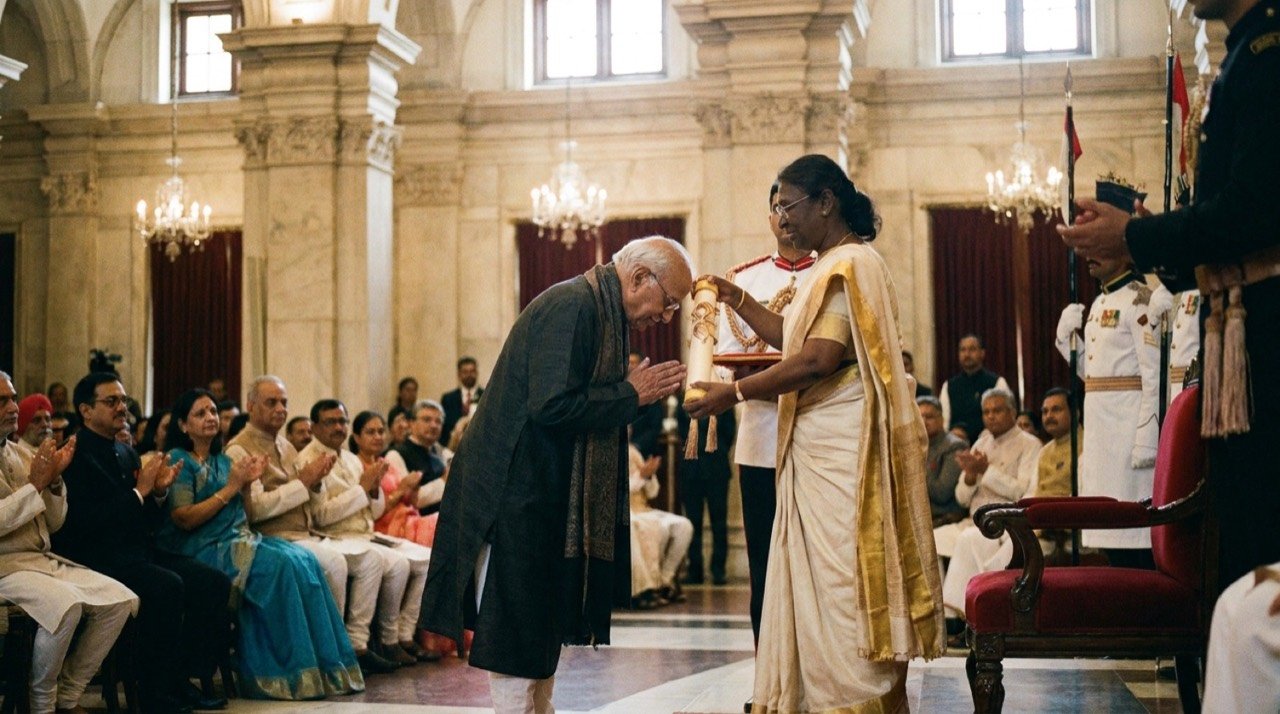
President Murmu Confers Padma Awards on Rohit Sharma, Mammootty and Shibu Soren
President Droupadi Murmu honoured cricketer Rohit Sharma, actor Mammootty, tribal leader Shibu Soren, singer Alka Yagnik and tennis great Vijay Amritraj at a Rashtrapati Bhavan investiture ceremony.

J&K School Library Books Row: Officials Suspended, Authors Blacklisted
Jammu and Kashmir's education administration has suspended eight officials and blacklisted the authors and publishers of two school library books, turning a content controversy into a wider test of curriculum oversight and procurement checks.
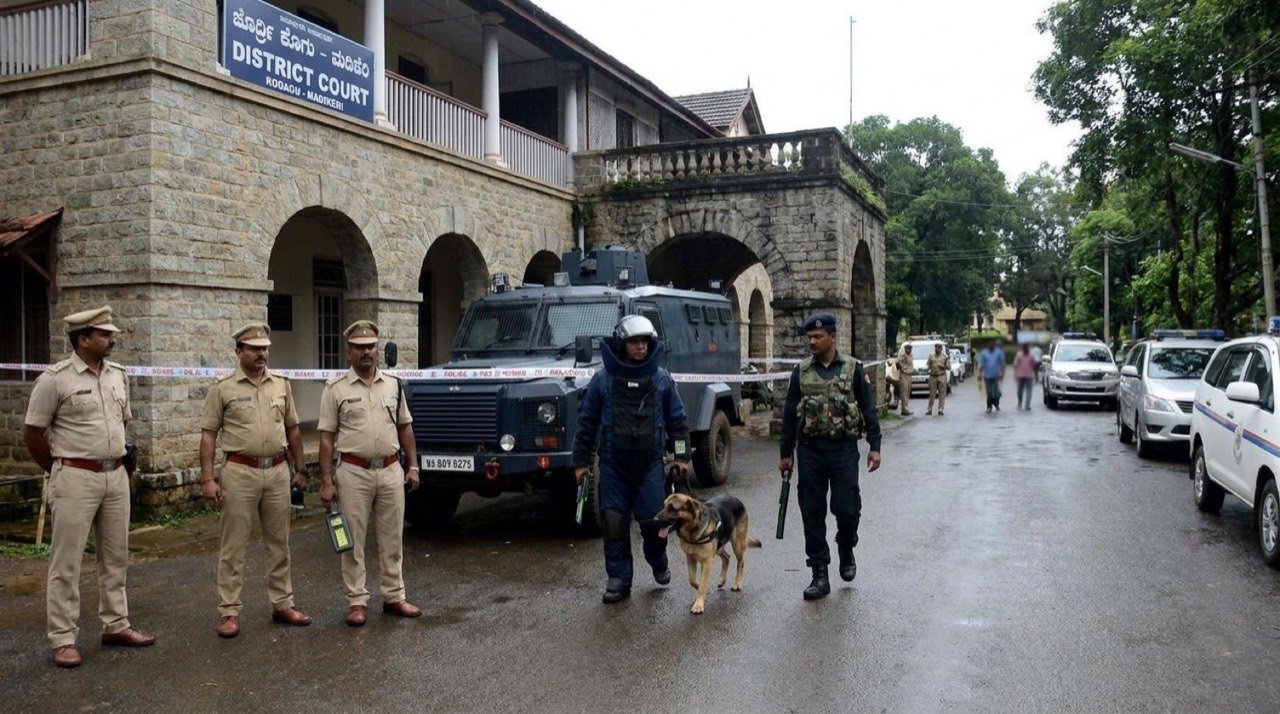
Hoax Bomb Threat to Kodagu District Court Sparks Security Alert in Madikeri
An email claiming cyanide bombs would detonate at the Madikeri court triggered a full security response before being declared a hoax, renewing focus on threat-screening protocols.

Kumar Pillai's Repatriation to Hong Kong Puts Extradition Limits Back in Focus
A Mumbai court's order returning alleged gangster Kumar Pillai to Hong Kong after acquittals has revived debate over treaty obligations, due process and the legal limits of holding an extradited accused.
More from this section
More
AICTE Industry Fellowship 2026: Rs 1.5 Lakh Scheme Closes July 5
The AICTE Industry Fellowship Programme 2026, which places technical-education faculty inside leading companies on a Rs 1.5 lakh monthly stipend, reached its application deadline on July 5.
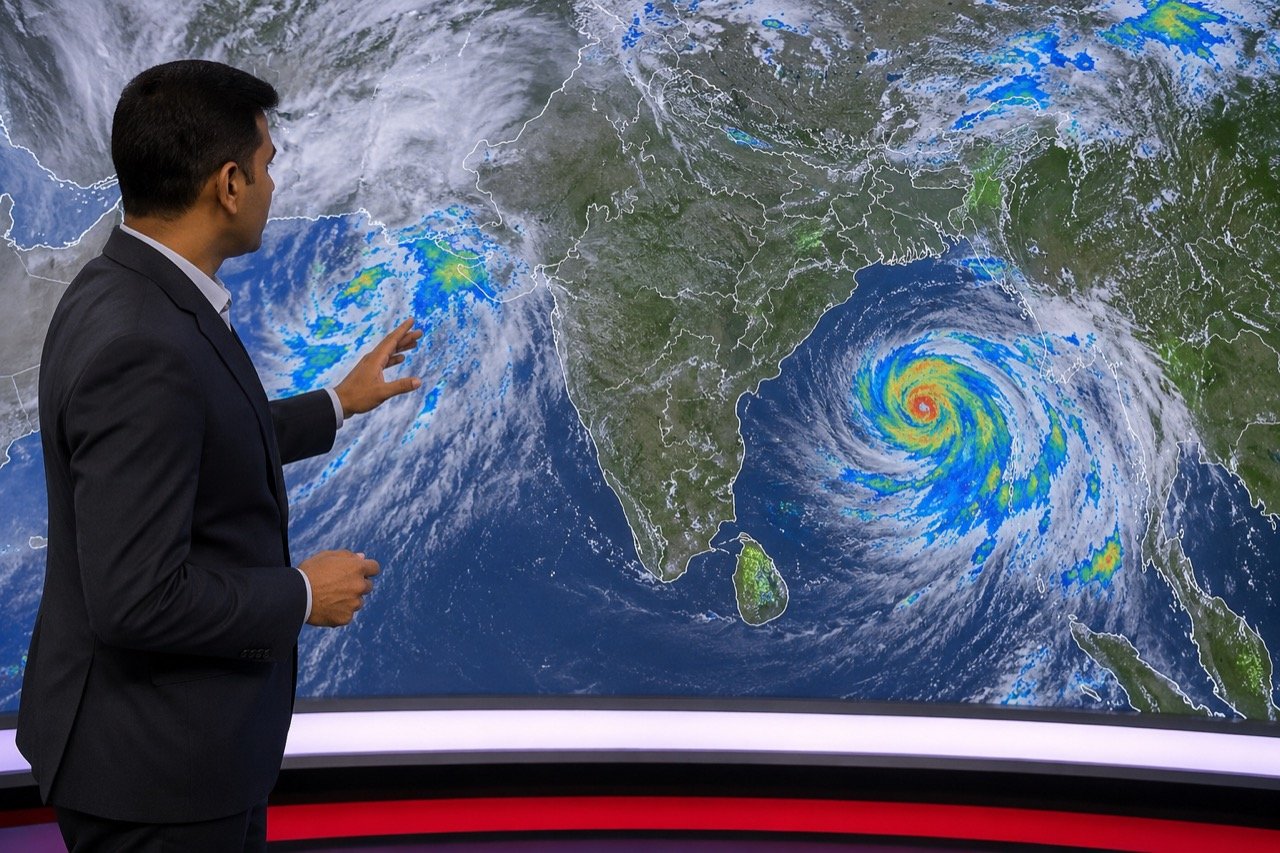
Bay of Bengal Low Pressure System Revives Monsoon Over Western India
A low-pressure system over the Bay of Bengal has pushed the monsoon back into an active phase, bringing steady heavy rain to Kerala, coastal Karnataka and Maharashtra, and putting Mumbai and Pune on preparedness watch.
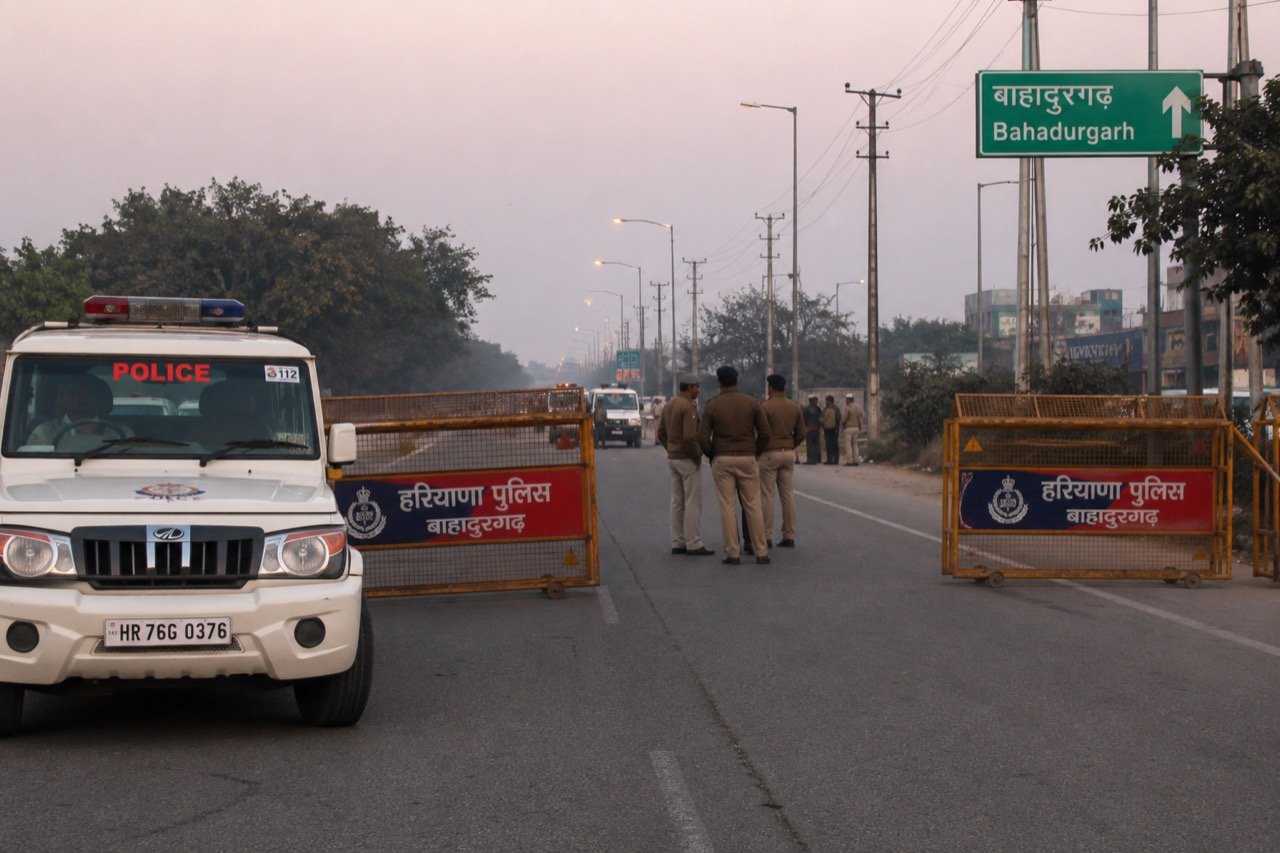
Bishnoi Gang Suspects Injured in Haryana Encounter as Police Tighten Net
A joint Haryana-Delhi Police operation in Bahadurgarh left two suspected Lawrence Bishnoi gang members injured, spotlighting the multi-state coordination now central to India's fight against organised crime networks.