President Murmu Confers Padma Awards on Rohit Sharma, Mammootty and Shibu Soren
President Droupadi Murmu honoured cricketer Rohit Sharma, actor Mammootty, tribal leader Shibu Soren, singer Alka Yagnik and tennis great Vijay Amritraj at a Rashtrapati Bhavan investiture ceremony.
Commentary & Analysis ·
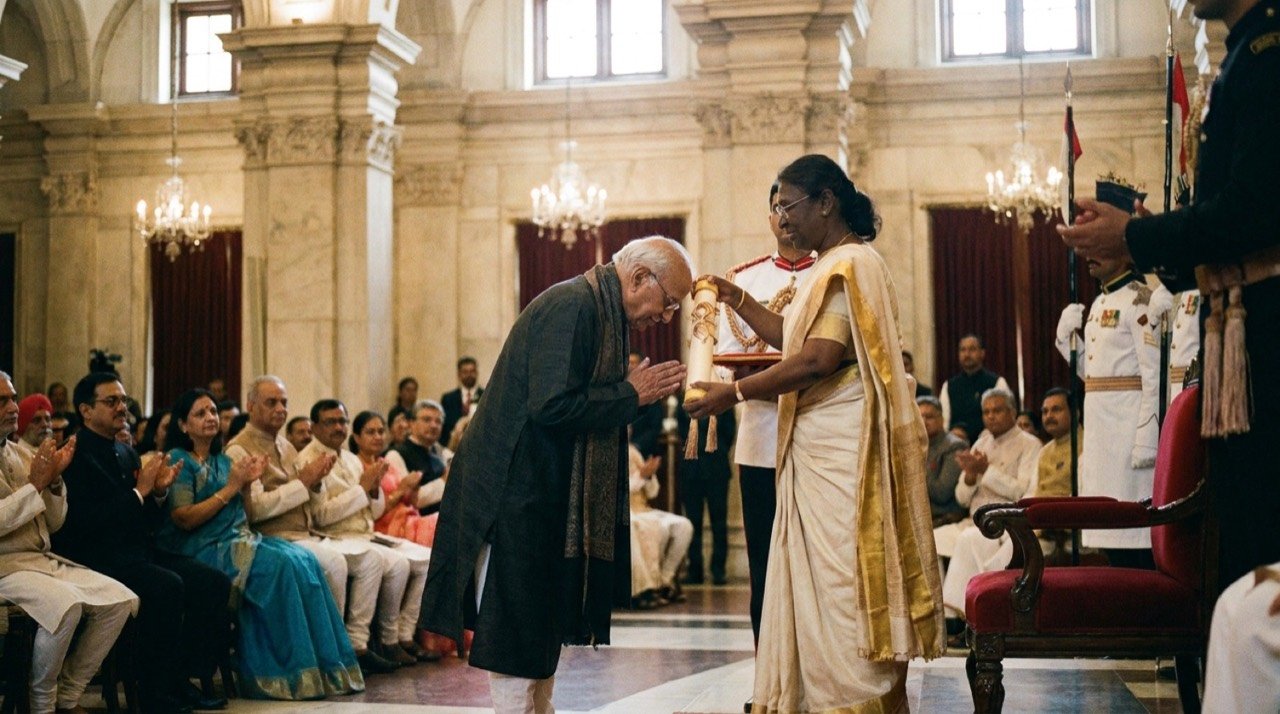
President Droupadi Murmu conferred the Padma awards at a civil investiture ceremony at Rashtrapati Bhavan, placing achievement in sport, cinema, music and public life under the national spotlight. The roll of honourees reported from the ceremony spanned generations and disciplines, with cricketer Rohit Sharma, actor Mammootty, tribal leader Shibu Soren, playback singer Alka Yagnik and tennis pioneer Vijay Amritraj among the prominent names. That such a varied set of individuals stood together on the same dais, receiving the same category of state honour, is itself worth pausing over, since it says something about how India chooses to define distinction in public life.
Sport and cinema take the spotlight
Rohit Sharma received the Padma Shri for his contribution to Indian cricket, a recognition that drew a warm response from a fan base that has followed his rise into one of the country's most decorated batters and captains. The award places him among a lineage of Indian cricketers formally honoured by the state for their service to the game, a lineage that has traditionally served two purposes at once: rewarding individual excellence and using that individual as a symbol of the sport's broader place in national life. Cricket occupies an outsized position in India's cultural imagination, and honours of this kind function as a kind of civic acknowledgement that a player's achievements on the field carry weight well beyond the boundary rope, shaping how millions of ordinary citizens experience shared moments of pride.
Mammootty's elevation to the Padma Bhushan drew attention across Indian cinema. One of Malayalam film's most enduring figures, his recognition was read as a tribute to decades of work that has shaped regional and national filmmaking alike. For an industry that has long argued its cultural weight is underappreciated outside its own linguistic audience, a Padma Bhushan for one of its most respected actors carries a signal beyond the individual honouree: it is an implicit recognition that regional cinema's contribution to India's artistic life is not secondary to work produced in Hindi-language studios, but a parallel and equally significant strand of the national story.
Public life and the arts
The ceremony also honoured Shibu Soren, the veteran tribal leader and a towering figure in Jharkhand's political history, whose name featured among the Padma Bhushan awardees. His inclusion underlined the awards' reach beyond the arts into decades of public and social contribution. Soren's career has been intertwined with the political and social history of India's tribal belt, and his presence on this year's list is a reminder that the Padma honours are not reserved solely for those working in glamorous or widely televised fields. Grassroots political leadership, particularly work rooted in regions and communities that rarely draw national media attention, is being placed on the same institutional footing as achievement in cricket or cinema.
Playback singer Alka Yagnik and tennis great Vijay Amritraj rounded out a list that cut across music and sport, reflecting the breadth the Padma honours are designed to capture each year. Yagnik's decades of work in playback singing have shaped the soundtrack of Indian popular culture for multiple generations, while Amritraj's standing as a pioneer of Indian tennis on the international stage reflects an earlier era when Indian representation in global sport beyond cricket was far rarer than it is today. Taken together, these two names extend the ceremony's reach into music and into a sport that has historically received far less domestic attention than cricket, underscoring the Padma system's stated ambition to recognise excellence wherever it is found, rather than concentrating recognition in a narrow set of high-visibility fields.
A ceremony of national recognition
The investiture is among the most watched civic occasions on the national calendar, conferring the Padma Vibhushan, Padma Bhushan and Padma Shri on individuals for distinguished and exceptional service. This year's gathering brought together figures whose work touches cricket fields, film studios, concert stages and the rough terrain of grassroots politics. The ceremony's format, a single formal occasion at Rashtrapati Bhavan presided over by the President, is itself part of the message: whatever the field of endeavour, the state extends the same solemn recognition, delivered in the same setting, following the same protocol.
Summarising the honours reported from the ceremony: Rohit Sharma was honoured with the Padma Shri for cricket; Mammootty was conferred the Padma Bhushan for cinema; Shibu Soren was recognised among Padma Bhushan awardees; Alka Yagnik was honoured for her contribution to music; and Vijay Amritraj was recognised for service to tennis. Each of these citations, brief as they are, stands in for years or decades of sustained work, and each awardee's field brings its own community of admirers and observers who will read the honour as validation of a body of work rather than a single moment of achievement.
Beyond the medals and citations, the ceremony served its annual purpose of binding India's diverse fields of excellence into a single national narrative, reminding audiences that recognition flows as readily to a tribal statesman as to a cricket captain or a film legend. This is, in effect, the underlying function of the Padma awards as an institution: they offer the Indian state a recurring occasion to assert that merit across wildly different domains of public life belongs to a single, shared framework of national achievement, one that does not privilege metropolitan visibility over regional contribution, or box-office success over political service.
Why this list matters beyond the individual honourees
Ceremonies of this kind are often read narrowly, as a roll call of individual achievement, but they also function as an annual statement about what a nation chooses to hold up as exemplary. When a cricketer, a film actor, a political leader from a tribal community, a singer and a tennis player are honoured together, the composite message is one of plurality: excellence is not confined to any one language, region, generation or profession. For younger aspirants in each of these fields, seeing a familiar name from their own discipline recognised at the highest civilian level can serve as a tangible marker of what sustained, high-quality work can achieve within the country's institutional structures.
At the same time, ceremonies like this inevitably invite scrutiny of the selection process itself. The Padma awards have periodically faced questions about the criteria used to shortlist candidates, and about the balance struck between fields that receive heavy media coverage and those that do not. A list that includes a widely followed cricketer alongside a veteran tribal leader whose contributions may be less familiar to a national television audience is, in that sense, a useful test case for whether the process is genuinely capturing merit across the spectrum of Indian public life, or whether visibility in some fields continues to carry disproportionate weight.
The NE Times View
Honouring a cricket captain, a screen icon, a tribal stalwart, a beloved singer and a tennis pioneer in one ceremony shows the Padma awards reaching across India's many publics. The NE Times View: such breadth is the system at its best, recognising sport, cinema, regional politics and the arts alike. The awards retain their lustre only when merit, not proximity to power, decides the list, a standard worth guarding each year. As with every edition of this ceremony, the true measure of its integrity will not be found in this year's citations alone, but in whether future lists continue to reach with equal seriousness into fields and regions that lack the built-in visibility of cricket or cinema, ensuring that recognition remains a genuine reflection of service and achievement rather than a reflection of who is already well known.
Key takeaways
- President Droupadi Murmu conferred the Padma awards at Rashtrapati Bhavan, honouring individuals across cricket, cinema, politics, music and tennis.
- Rohit Sharma received the Padma Shri for cricket, while Mammootty was conferred the Padma Bhushan for his contribution to Malayalam and Indian cinema.
- Shibu Soren, the veteran Jharkhand tribal leader, was recognised among the Padma Bhushan awardees, underlining the awards' reach into public and social life.
- Alka Yagnik and Vijay Amritraj were honoured for their respective contributions to music and tennis, rounding out a list spanning multiple generations and disciplines.
- The NE Times View holds that the breadth of this year's list reflects the Padma system at its best, provided merit rather than proximity to power continues to guide future selections.
You may also like to read
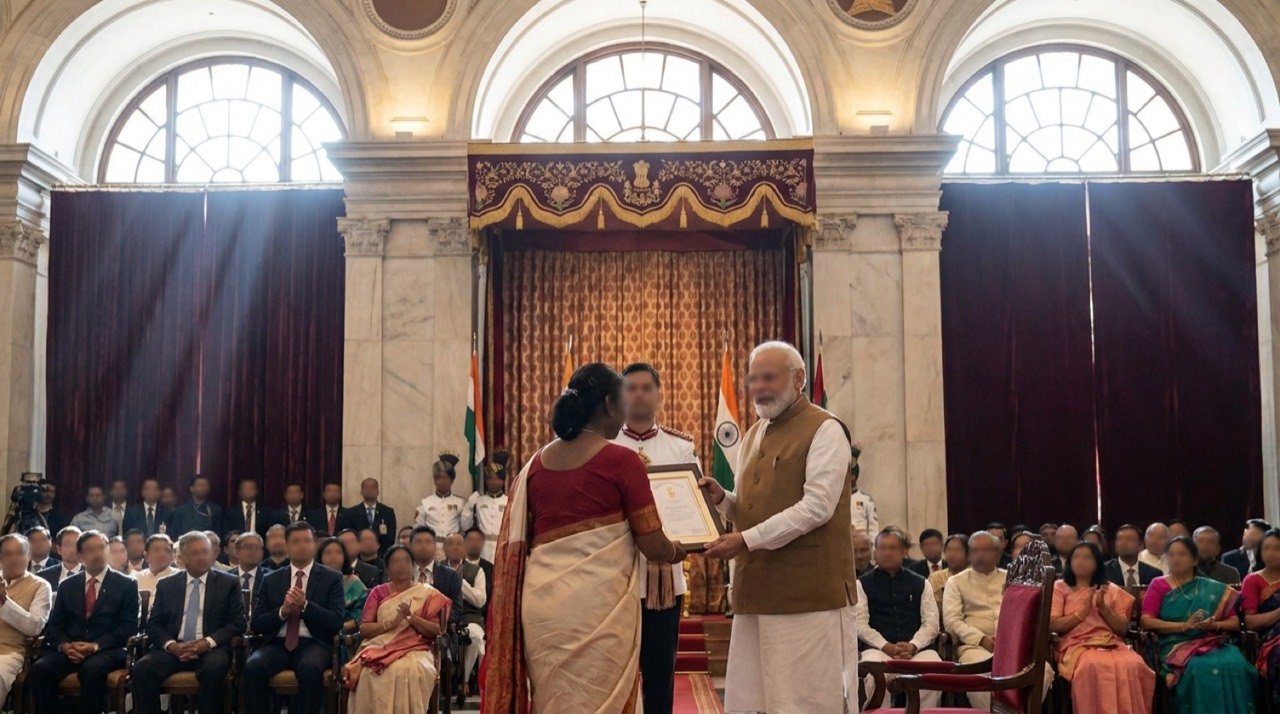
President Murmu Confers 65 Padma Awards In Rashtrapati Bhavan Ceremony
President Droupadi Murmu honoured 65 recipients across arts, science, medicine, literature and social work, renewing India's civilian-honour tradition that recognises contribution far from political debate.
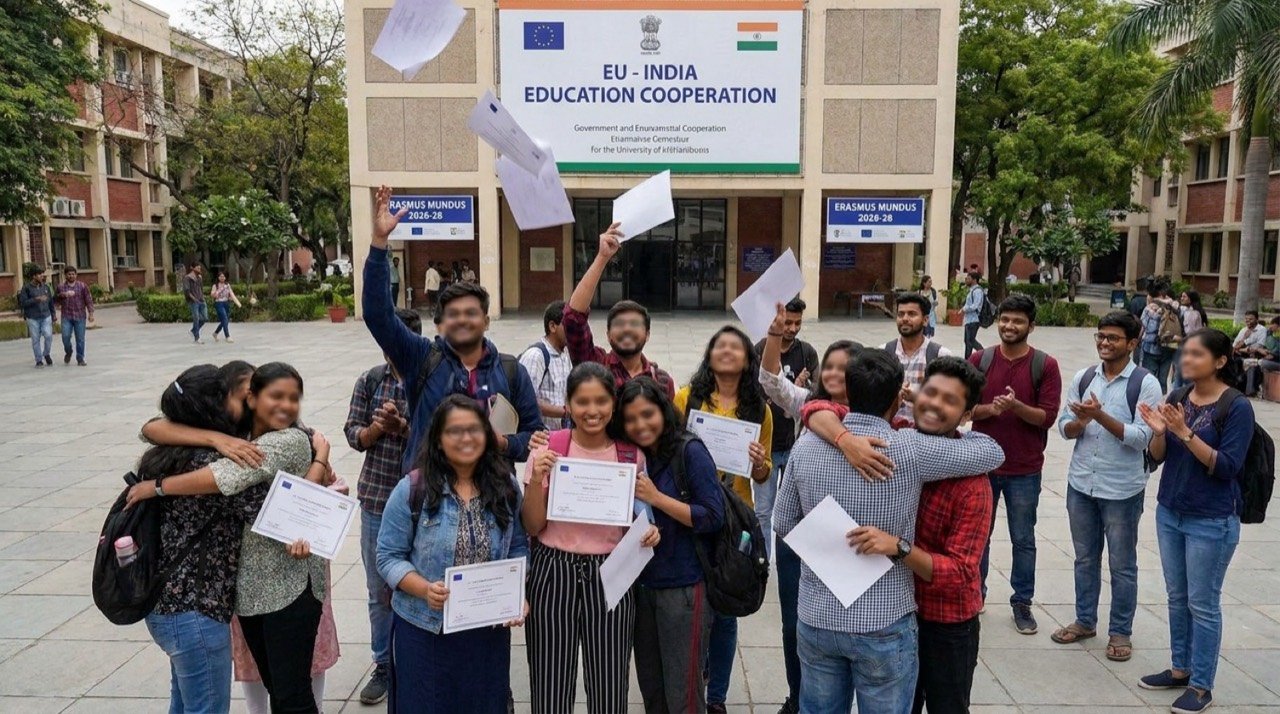
EU Awards 75 Erasmus Mundus Scholarships to Indian Students for 2026-28
The European Union has granted 75 Indian students fully funded Erasmus Mundus master's scholarships and launched a 40-member EU-India Student Ambassadors Network to deepen academic ties.

72nd National Film Awards: Fans Back Mammootty, Allu Arjun, Sai Pallavi
Speculation around the 72nd National Film Awards is intensifying as fan communities across India's language film industries champion favourites including Mammootty, Allu Arjun and Sai Pallavi ahead of any official announcement.
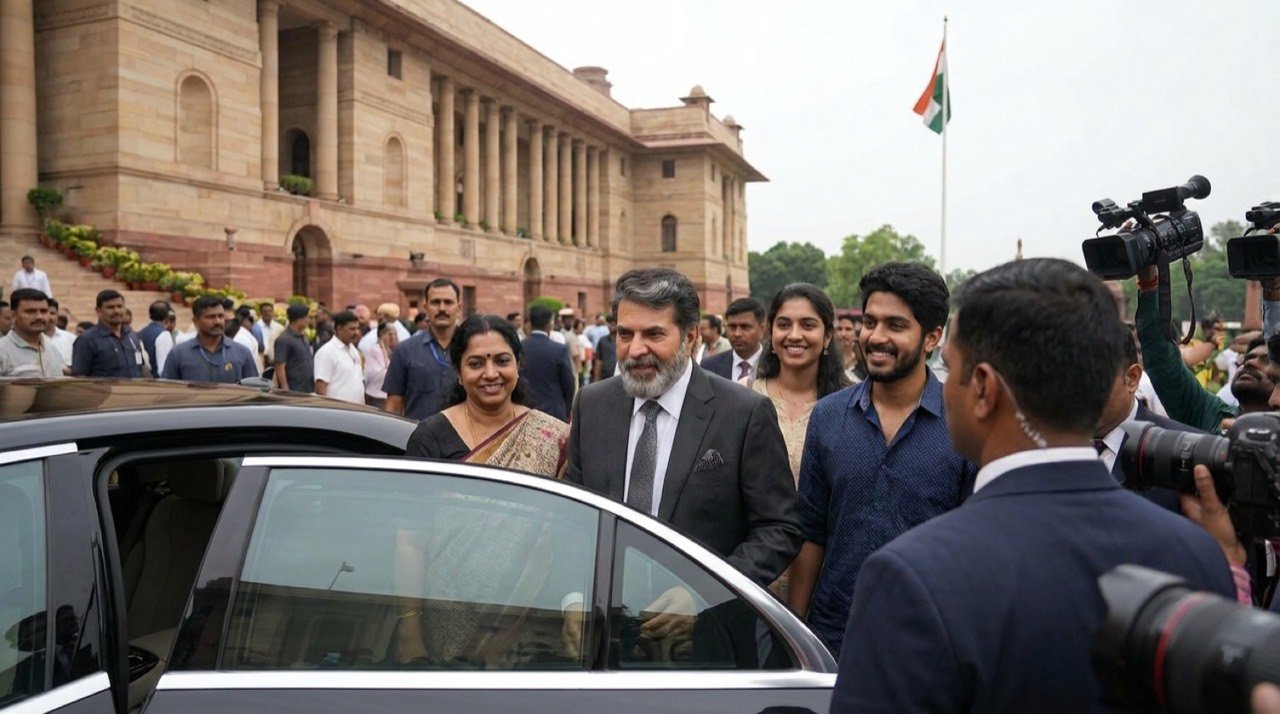
Mammootty Receives Padma Bhushan in Salute to Indian Cinema
Veteran Malayalam superstar Mammootty arrived in New Delhi with his family for the Padma Bhushan ceremony at Rashtrapati Bhavan, capping more than four decades across India's film languages.
More from this section
More
AICTE Industry Fellowship 2026: Rs 1.5 Lakh Scheme Closes July 5
The AICTE Industry Fellowship Programme 2026, which places technical-education faculty inside leading companies on a Rs 1.5 lakh monthly stipend, reached its application deadline on July 5.
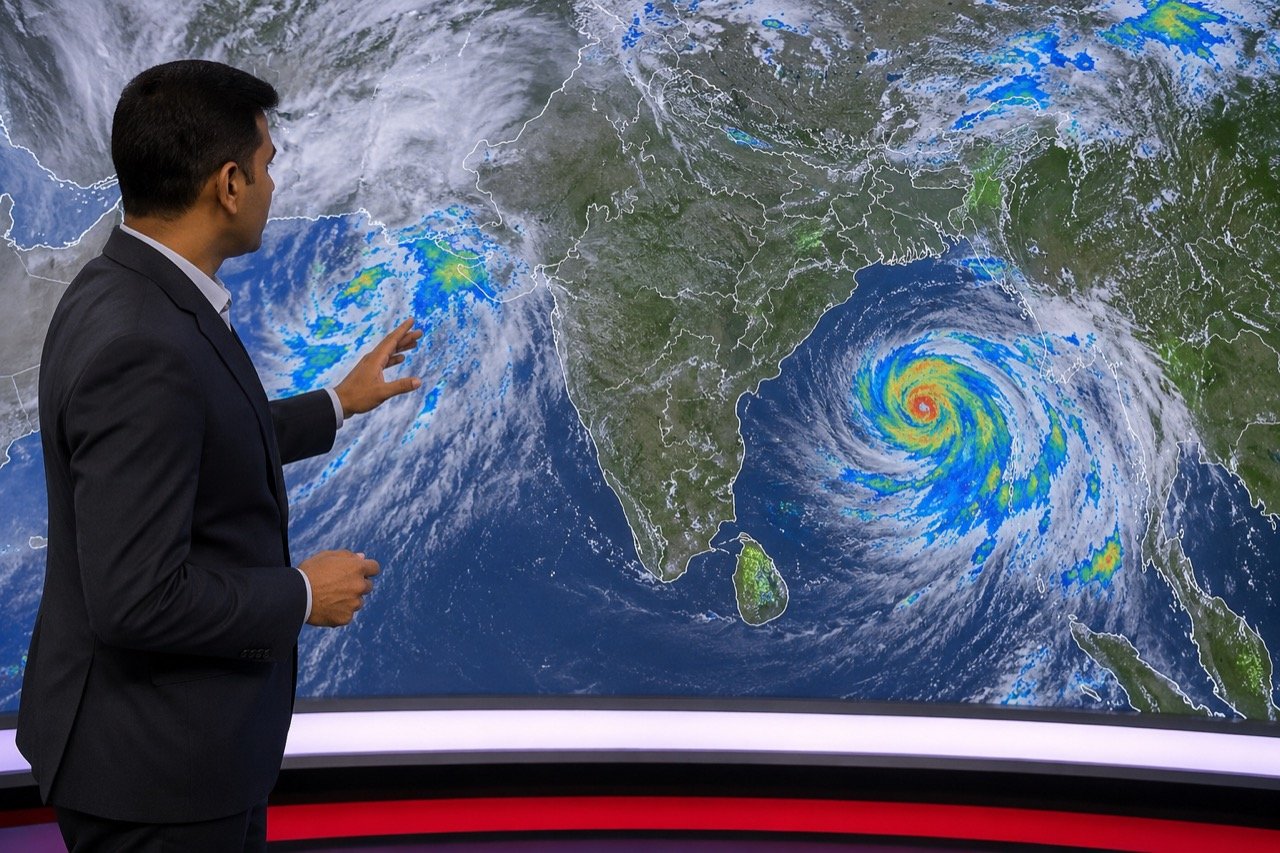
Bay of Bengal Low Pressure System Revives Monsoon Over Western India
A low-pressure system over the Bay of Bengal has pushed the monsoon back into an active phase, bringing steady heavy rain to Kerala, coastal Karnataka and Maharashtra, and putting Mumbai and Pune on preparedness watch.
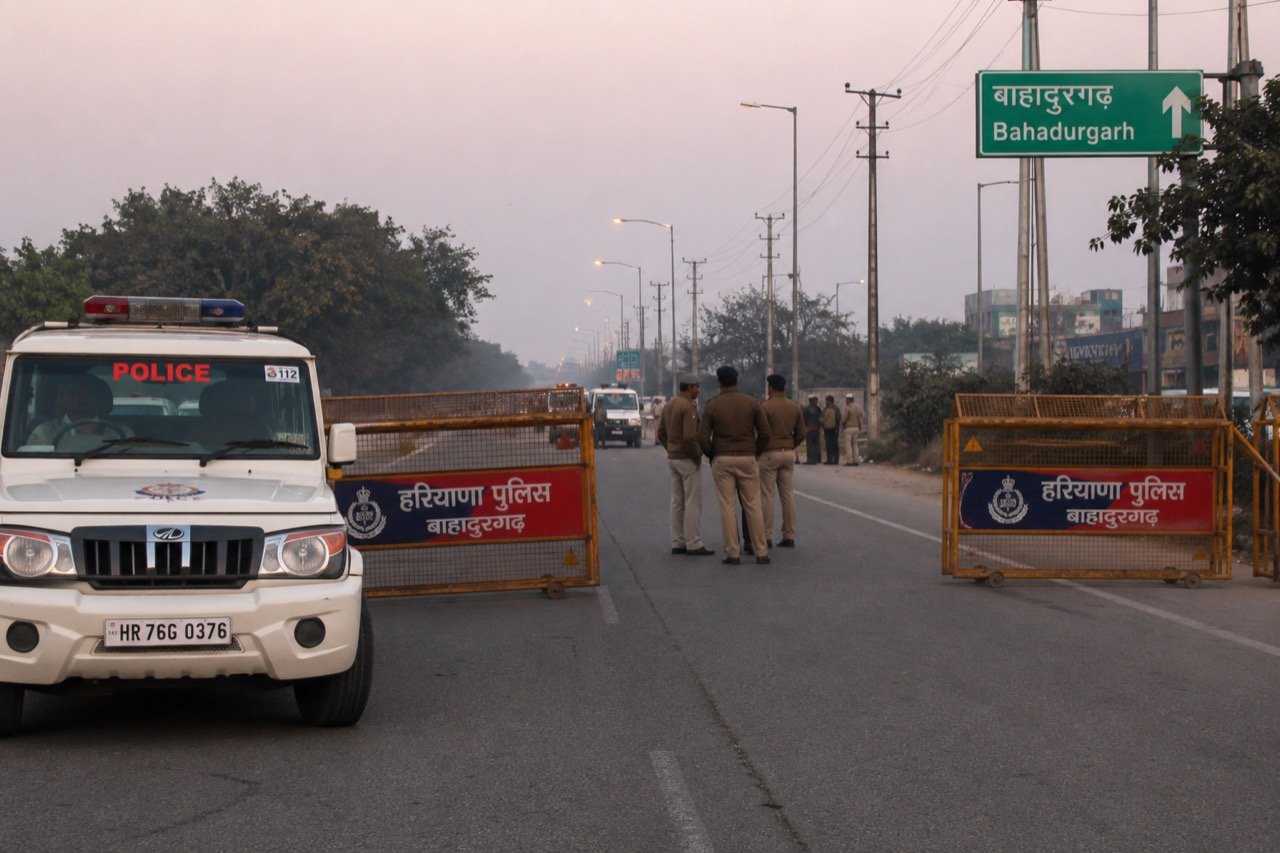
Bishnoi Gang Suspects Injured in Haryana Encounter as Police Tighten Net
A joint Haryana-Delhi Police operation in Bahadurgarh left two suspected Lawrence Bishnoi gang members injured, spotlighting the multi-state coordination now central to India's fight against organised crime networks.