Mumbai Braces for Monsoon Advance as IMD Issues Heavy Rain Alerts
The India Meteorological Department says conditions favour the southwest monsoon advancing into Mumbai and more of Maharashtra, with heavy rain and thunderstorm warnings testing the city's readiness.
Commentary & Analysis ·
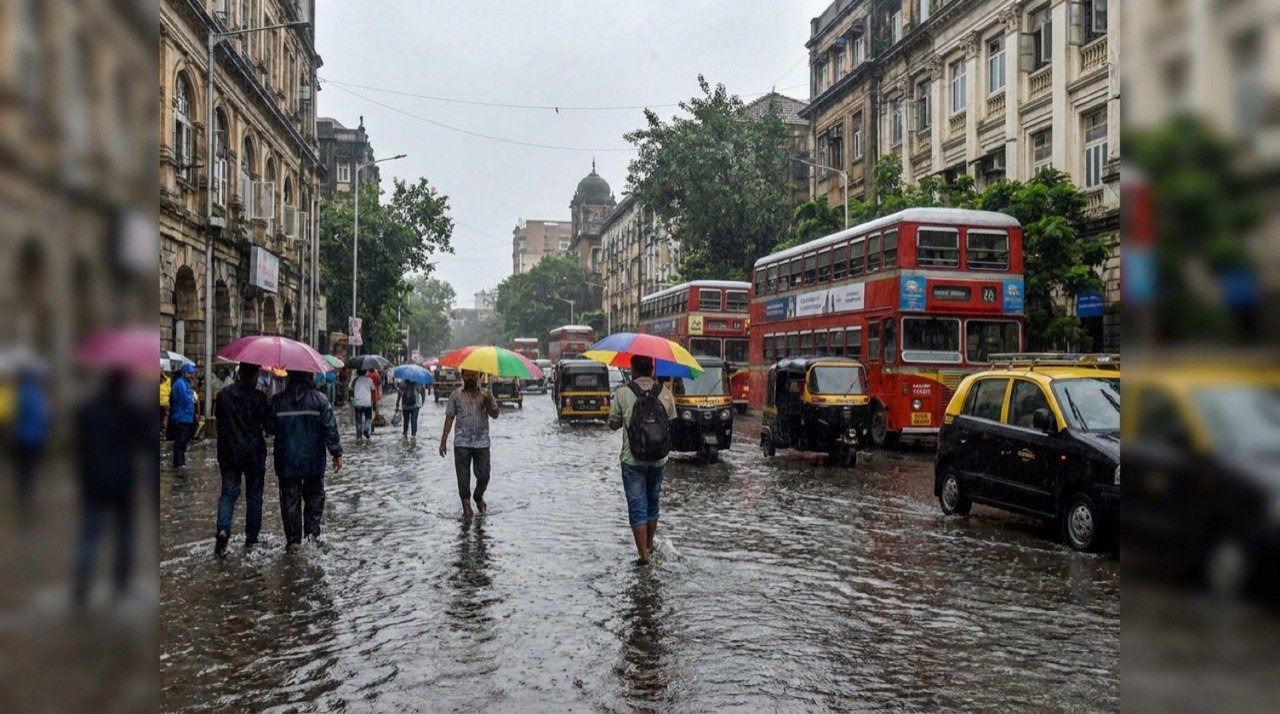
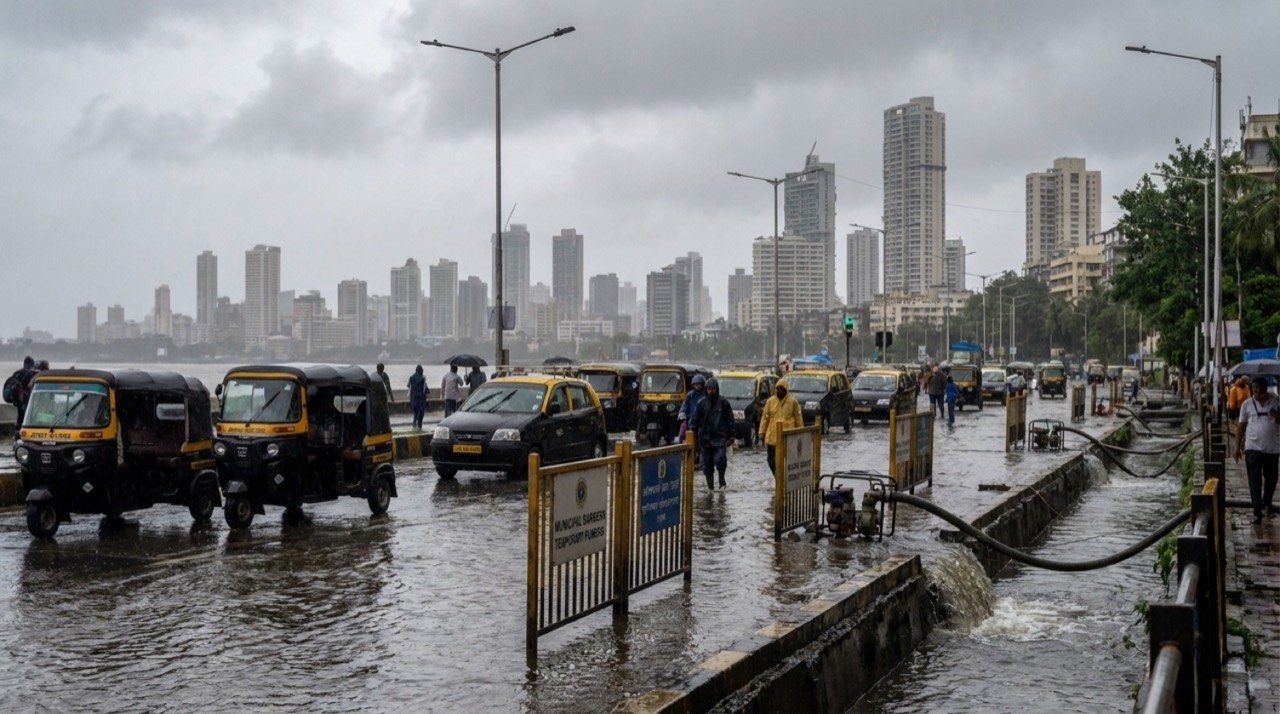
Mumbai woke to another wet morning as the India Meteorological Department signalled that conditions were turning favourable for the southwest monsoon to advance into more parts of Maharashtra, including the financial capital. After successive rainy mornings, the city is now waiting for the formal declaration that the season has arrived in earnest. The distinction between scattered pre-monsoon showers and the official onset of the season is not merely bureaucratic; it triggers a shift in how the city's civic machinery, transport networks and emergency services are expected to operate.
What the forecasters are saying
The IMD has indicated that monsoon currents strengthening along the west coast have created the right conditions for further advance. Alerts for heavy rain and thunderstorms have been accompanied by cautions over coastal activity, as winds and sea conditions intensify in step with the seasonal change. For a city as dependent on its rhythm as Mumbai, timing is everything. Once sustained rain begins, transport, drainage, public health and reservoir planning all shift into a different operational mode, making the official confirmation of monsoon onset more than a symbolic milestone. Fishing communities along the coast, in particular, are among the first to feel the practical effects of such alerts, as advisories on sea conditions typically translate into restrictions or heightened caution around venturing out.
It is worth noting that the IMD's warnings are probabilistic assessments built on atmospheric indicators rather than fixed predictions, which is precisely why the department frames its updates in terms of favourable conditions rather than certainties. This is a distinction that matters for how the public and civic agencies ought to respond: preparation should begin on the strength of the signal, not wait for the rain to fall before action starts.
The early-monsoon risk
The opening phase of the monsoon is often the most unpredictable. Uneven showers, sudden downpours and localised flooding can disrupt suburban rail services, slow road traffic and strain low-lying neighbourhoods before the season settles into a steadier pattern. This unevenness is itself a known feature of the monsoon's arrival in western India: the system does not move in a smooth, uniform sheet across the region but advances in pulses, meaning some parts of the city can be drenched while others remain comparatively dry within the same day.
Civic agencies will be closely watched on the basics: drain cleaning, pumping arrangements, traffic management and landslide preparedness in vulnerable pockets. How smoothly the first heavy spells are handled often sets the tone for the months that follow. Mumbai's geography compounds these challenges considerably. A city built across reclaimed land, tidal creeks and low-lying suburbs, with a rail network that runs at or near capacity even in fair weather, has little margin for error when drainage systems are overwhelmed or when a single waterlogged stretch of track can cascade into delays across the entire suburban network. The stakes of the early monsoon period are therefore disproportionate to its brief duration.
A test of public readiness
The story is as much about preparedness as it is about the weather. Residents have been advised to rely on official IMD warnings rather than unverified social-media forecasts, which can amplify panic or, conversely, encourage complacency during genuinely hazardous conditions. This advisory speaks to a broader challenge of the information environment during extreme weather events, where speculative posts and outdated screenshots can circulate faster than official updates, leaving residents either needlessly alarmed or dangerously unprepared. Encouraging reliance on verified sources is a modest but meaningful intervention, and one that depends on the IMD and civic authorities communicating clearly and promptly, rather than leaving an information vacuum for rumour to fill.
There is also a question of equity embedded in this readiness. Those with steady employment, private transport and secure housing experience monsoon disruption as an inconvenience; for daily-wage workers, informal settlement residents and those reliant entirely on suburban trains and buses, the same disruption can mean lost income, damaged homes or genuine danger. Any assessment of how well the city is prepared must therefore look beyond aggregate disruption figures to how the burden of that disruption is distributed.
What civic response should look like
In the days ahead, the focus will move from whether the monsoon arrives to how well the city absorbs it. A well-coordinated civic response, clear official communication and public caution can together limit the disruption that the season's first heavy rains almost inevitably bring. This means desilting drains ahead of the first major spells rather than during them, ensuring pumping stations in chronic flooding zones are operational and staffed, and maintaining road and rail contingency plans that can be activated at short notice. It also means transparent, timely updates to commuters when services are curtailed, so that people can make informed decisions about travel rather than discovering disruption only once they are stranded.
For now, Mumbai watches the sky and the IMD bulletins in equal measure, a posture that has become an annual ritual for a city whose fortunes are so closely tied to a few months of concentrated rainfall. That ritual, however familiar, should not obscure the fact that this is a recurring test with a long and largely consistent track record.
The NE Times View
Every June the script repeats: the IMD warns, the rain arrives, and Mumbai's drains fail the test. The real story is never the monsoon but the city's chronic unpreparedness, where waterlogged tracks and flooded slums expose decades of deferred civic investment. Warnings of heavy rain and coastal caution are, in effect, an annual reminder of infrastructure that has not kept pace with the city's growth, its population density or the intensity of its rainfall events. The NE Times will judge the BMC not by its alerts but by whether commuters and the poorest neighbourhoods are spared the usual misery. Alerts and advisories are the easy part; the harder and more consequential test lies in the unglamorous, sustained work of drainage maintenance, pumping capacity and flood preparedness that determines whether a heavy spell becomes a minor inconvenience or a citywide crisis.
Key takeaways
- The IMD has signalled that conditions are turning favourable for the monsoon to advance further into Maharashtra, including Mumbai, with heavy rain, thunderstorm and coastal caution alerts already in place.
- The early phase of the monsoon is typically the most disruptive, with uneven showers and localised flooding capable of straining suburban rail, road traffic and low-lying neighbourhoods.
- Civic agencies are under scrutiny for drain cleaning, pumping arrangements, traffic management and landslide preparedness in vulnerable areas.
- Residents have been urged to rely on official IMD warnings rather than unverified social-media forecasts to avoid both panic and complacency.
- The lasting measure of readiness will be whether commuters and the city's poorest neighbourhoods are spared the disruption that has recurred in past monsoon seasons.
You may also like to read
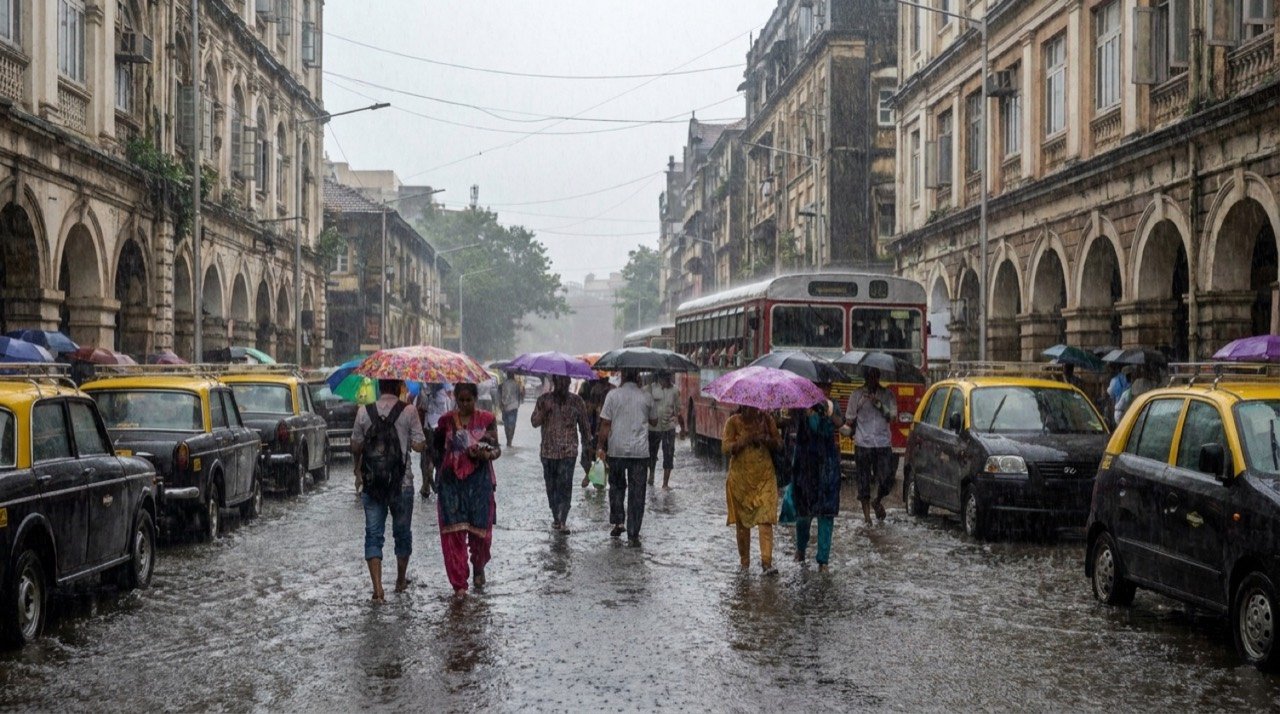
Monsoon Advances Toward Mumbai and Eastern India as Rain Alerts Issued
The southwest monsoon has resumed its march after a brief pause, with weather agencies forecasting widespread and locally heavy rain across Mumbai, Maharashtra, eastern and central India.
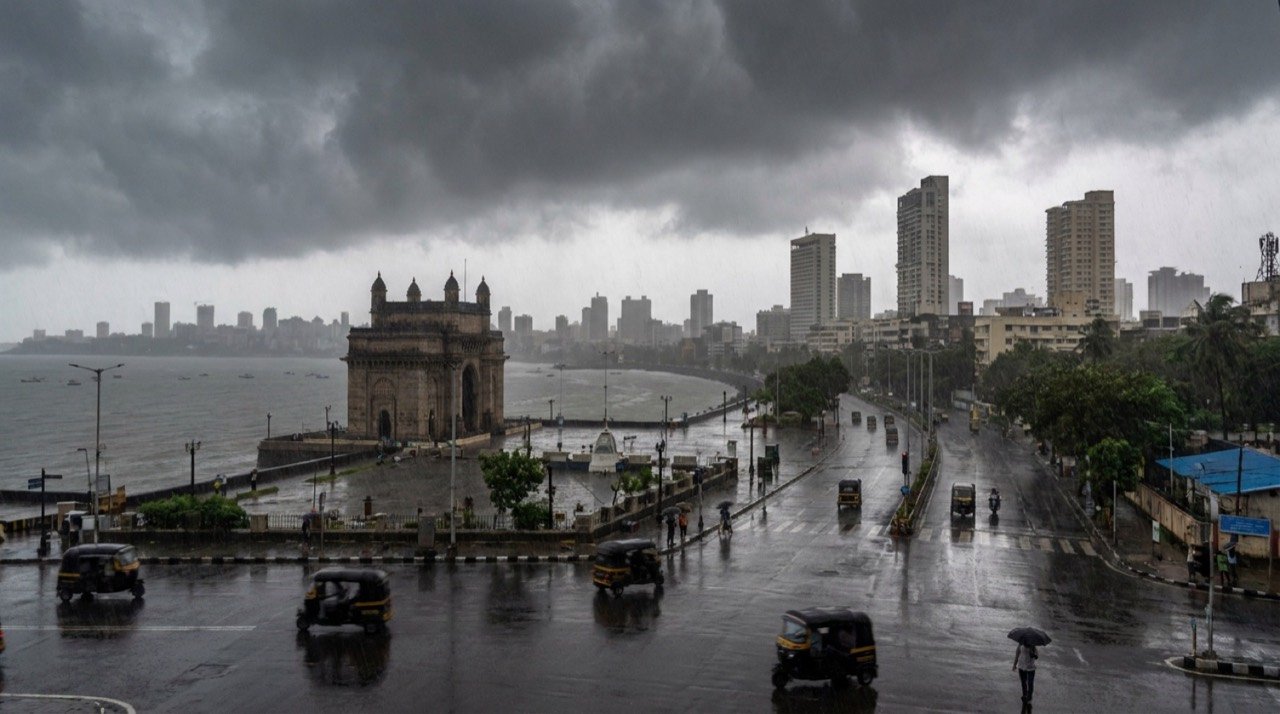
IMD Confirms Southwest Monsoon Onset Over Mumbai After Delayed Spell
The India Meteorological Department has confirmed the Southwest Monsoon's arrival over Mumbai on June 23, bringing relief after a dry, unusually warm early June and pushing the city into full monsoon readiness.
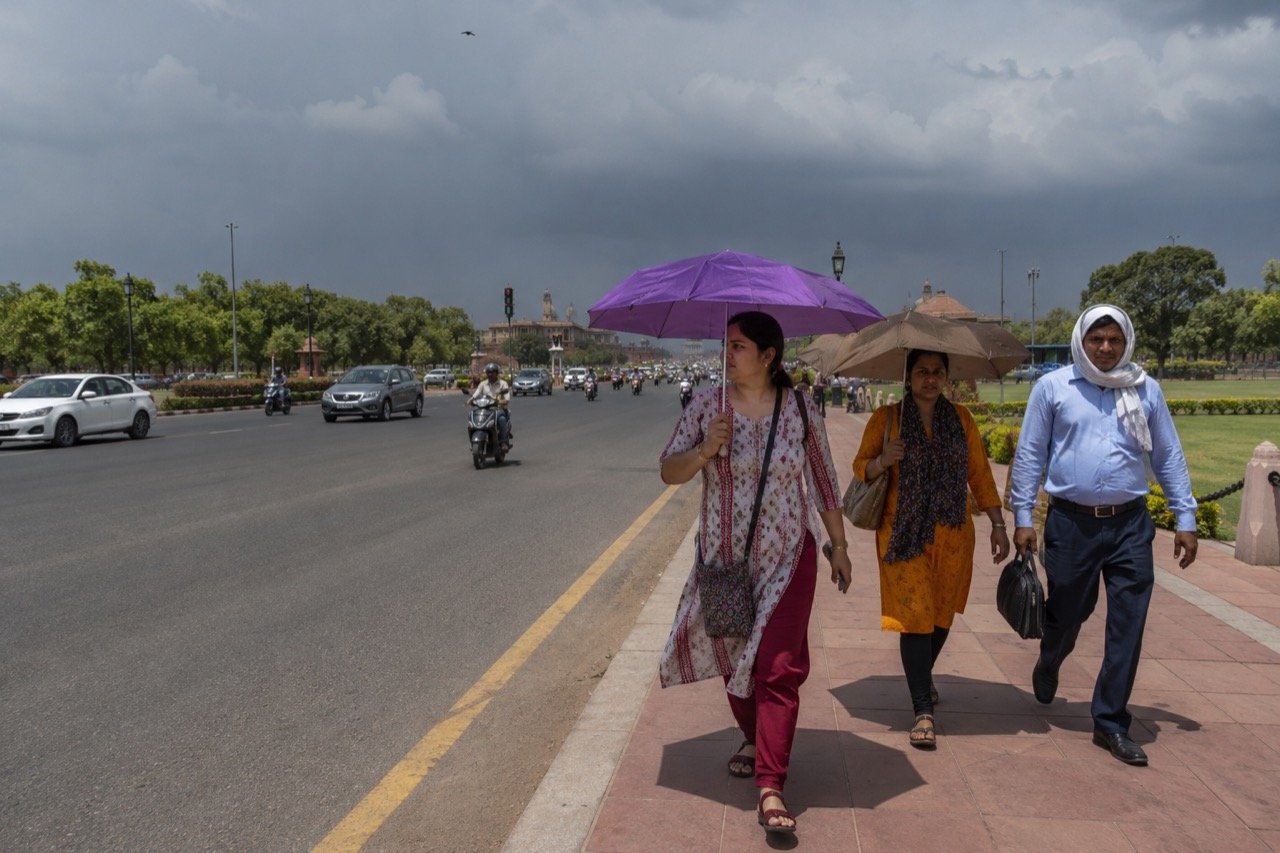
Delhi's Monsoon Wait Stretches On as IMD Flags Slow Advance
The India Meteorological Department says the southwest monsoon is unlikely to reach Delhi over the next five days, prolonging heat stress in the capital even as Mumbai is drenched by intense showers.
Mumbai Monsoon Arrives After Delay, Testing the City's Civic Readiness
The southwest monsoon has reached Mumbai after a near two-week delay, bringing relief from humidity even as it reopens familiar questions about drainage, local trains and flood preparedness.
More from this section
More
AICTE Industry Fellowship 2026: Rs 1.5 Lakh Scheme Closes July 5
The AICTE Industry Fellowship Programme 2026, which places technical-education faculty inside leading companies on a Rs 1.5 lakh monthly stipend, reached its application deadline on July 5.
Bay of Bengal Low Pressure System Revives Monsoon Over Western India
A low-pressure system over the Bay of Bengal has pushed the monsoon back into an active phase, bringing steady heavy rain to Kerala, coastal Karnataka and Maharashtra, and putting Mumbai and Pune on preparedness watch.
Bishnoi Gang Suspects Injured in Haryana Encounter as Police Tighten Net
A joint Haryana-Delhi Police operation in Bahadurgarh left two suspected Lawrence Bishnoi gang members injured, spotlighting the multi-state coordination now central to India's fight against organised crime networks.