Mumbai AIMIM Corporator's Disqualification Puts Caste-Certificate Scrutiny in Focus
The reported disqualification of an AIMIM corporator in Mumbai after a caste certificate was invalidated has reopened debate over reserved-seat verification in India's urban local bodies.
Commentary & Analysis ·
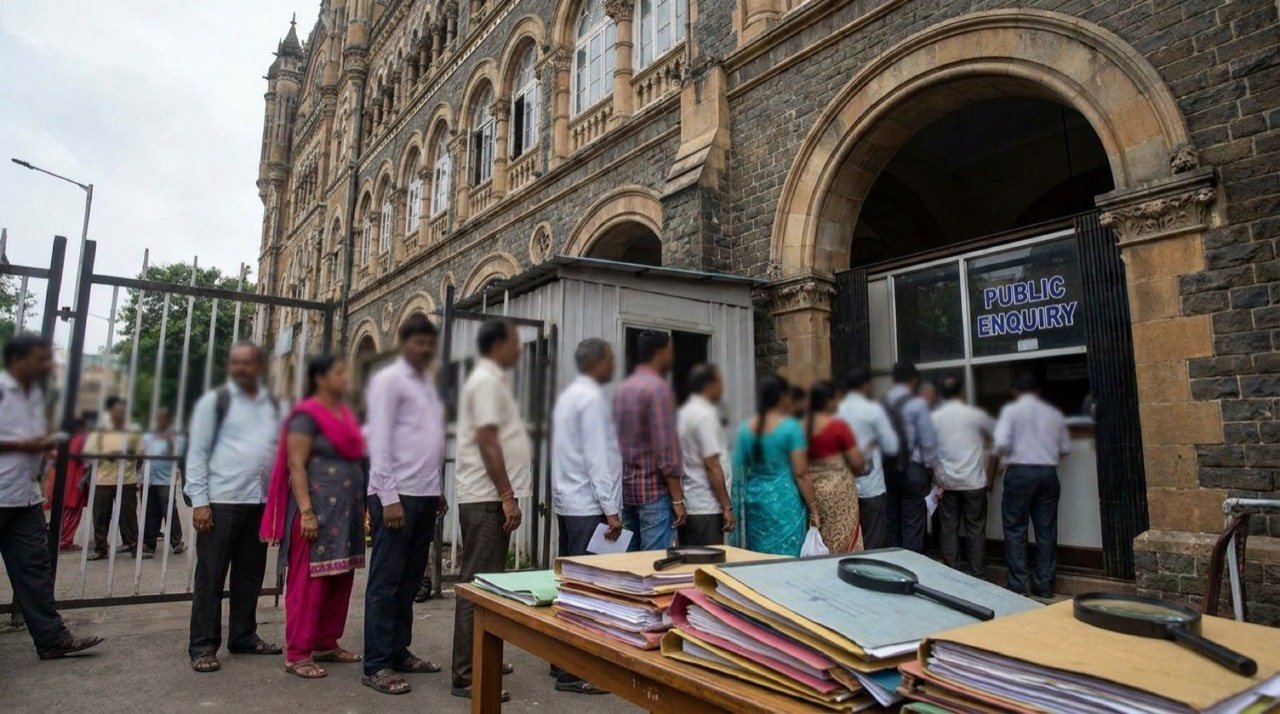
The reported disqualification of an AIMIM corporator in Mumbai, following the invalidation of a caste certificate, has put the spotlight back on how reserved-seat eligibility is verified in urban local bodies. On the surface, this is a story about one ward, one party and one contested document. But the underlying question it raises, how India's municipal system checks and safeguards reservation, is one that recurs across cities and states, largely irrespective of which party happens to be involved. A dispute that is local in its particulars therefore touches a principle that runs through municipal politics nationwide.
Why reserved-seat verification matters
Municipal elections in India allocate a defined share of seats to ensure representation for historically disadvantaged communities. This is not a symbolic gesture; it is a structural commitment built into the design of local self-government, intended to guarantee that communities who have faced systemic exclusion have a genuine voice in civic decision-making. The legitimacy of that system, however, rests entirely on the accuracy of the documentation behind it. A reserved seat is only meaningful if the person occupying it is verifiably entitled to it. If a certificate underpinning a reserved candidacy is later found to be invalid, the legitimacy of the seat itself is called into question, not merely as a technical or bureaucratic matter, but as a question of whether the reservation served its intended purpose at all.
This is what elevates certificate scrutiny above the level of a paperwork issue. It is the mechanism, however imperfect, that is supposed to protect reservations from misuse, and to keep the broader promise of representation credible in the eyes of the public. When that mechanism fails, or is seen to act only after the fact, it does not merely inconvenience one candidate or one party. It quietly erodes public confidence in the fairness of the reservation system as a whole, feeding a perception, whether or not it is fair in any individual case, that the safeguards exist on paper more than in practice.
Immediate political consequences
The effects of a disqualification of this kind are rarely confined to the individual concerned. A ward may lose its sitting representative overnight, leaving residents without an elected voice on civic matters until the situation is resolved. The party involved is likely to challenge the decision, whether through an appeal within the civic body's own processes or through the courts, prolonging the uncertainty. Voters, meanwhile, are left in an awkward position: they cast their ballots in good faith, and now must wait, sometimes for an extended period, to learn who will actually represent them, or whether a by-election will be required.
Each of these stages adds friction to local governance. Municipal wards depend on continuous representation to raise civic issues, follow up on infrastructure and services, and act as a link between residents and the administration. A vacancy created by disqualification, especially one that drags through appeals, leaves that link severed at precisely the moments when it may be most needed. The disruption is not merely procedural; it has a tangible bearing on the everyday functioning of local democracy in the ward concerned.
A governance question for the BMC
Beyond the specifics of this case, it raises a structural question for the Brihanmumbai Municipal Corporation system more broadly: how quickly should certificate disputes be resolved, and how should institutions balance due process for the individual against the need to protect reserved seats from misuke? These two imperatives can pull in opposite directions. Resolve a dispute too slowly, and a ward drifts in limbo, its residents effectively unrepresented while the legal process winds on. Resolve it too hastily, and there is a risk that natural justice suffers, that a candidate is stripped of office without adequate opportunity to contest the finding against them.
There is no easy formula for striking this balance, and that is precisely why cases such as this one keep recurring. Civic bodies across India have long grappled with the tension between administrative efficiency and procedural fairness, and caste-certificate disputes sit squarely at that intersection. The stakes are unusually high because they implicate both an individual's electoral mandate and the integrity of a constitutional safeguard designed to protect the historically disadvantaged.
What this means for reservation's credibility
Reserved seats depend, fundamentally, on accurate and verifiable caste documentation. When that documentation is later found wanting, the consequences ripple outward. An invalidated certificate can cost a ward its elected representative, sometimes years into a term, undoing the outcome of an election that voters believed had settled the matter. Affected parties typically challenge such decisions in court, which is entirely within their rights, but which also means that the final resolution of these disputes can take considerable time. Voters, in the interim, face genuine uncertainty about who speaks for them in the corporation.
The deeper issue this case tests is not simply whether one disqualification was correctly decided, but how fast and how fairly such disputes are resolved as a matter of institutional practice. A system that only catches invalid certificates well after a candidate has been elected and has served part of their term is, in an important sense, functioning too late. It protects the letter of the reservation policy retrospectively, but it does little to prevent the disruption, uncertainty and reputational damage that follow from a delayed correction.
The NE Times View
The story is local, but the principle, protecting reserved seats while ensuring due process, is national. A disqualification over an invalidated caste certificate reopens an uncomfortable truth about reserved-seat verification: scrutiny too often arrives after the election rather than before nomination. The political colour of the case should not distract from this systemic gap, which would apply with equal force regardless of which party or candidate were involved.
India needs robust, pre-poll certificate validation so that reservation reaches its intended beneficiaries and genuine candidates are not left under a cloud of doubt after the fact. Ad hoc disqualifications, arrived at long after voters have cast their ballots, serve neither fairness to candidates nor the interests of the electorate. However this particular dispute is finally settled, it stands as a reminder that the credibility of reservation in local government depends on timely, transparent verification, ideally before a name ever appears on the ballot. Striking the right balance between speed and fairness in resolving certificate challenges will remain a recurring test for civic institutions well beyond this single ward, and well beyond Mumbai.
Key takeaways
- An AIMIM corporator in Mumbai has reportedly been disqualified after their caste certificate was invalidated, raising fresh questions about how reserved-seat eligibility is verified.
- Reserved municipal seats depend on accurate documentation; an invalid certificate undermines the legitimacy of the seat itself, not merely the individual holding it.
- Disqualifications typically trigger legal challenges and leave wards without clear representation until the process concludes.
- The case highlights a structural tension for civic bodies like the BMC between resolving disputes quickly and ensuring due process for the individual concerned.
- The NE Times View calls for robust, pre-poll certificate validation so reservation protections function proactively rather than through disruptive after-the-fact disqualifications.
You may also like to read
IMD Confirms Southwest Monsoon Onset Over Mumbai After Delayed Spell
The India Meteorological Department has confirmed the Southwest Monsoon's arrival over Mumbai on June 23, bringing relief after a dry, unusually warm early June and pushing the city into full monsoon readiness.

Mumbai Developer Ordered to Refund Rs 1.05 Crore After Flat Was Resold
A Raigad couple has won Rs 1.05 crore with interest from a Mumbai developer who sold their paid-for flat to another buyer, in a ruling that strengthens homebuyer protections.
Mumbai Suburbs Drenched: 100 mm Overnight Rain Snarls Commute
Heavy overnight monsoon showers dumped more than 100 mm of rain on several Mumbai suburbs in a short window, triggering waterlogging and traffic disruption and renewing scrutiny of the city's monsoon preparedness.
Mumbai Monsoon Arrives After Delay, Testing the City's Civic Readiness
The southwest monsoon has reached Mumbai after a near two-week delay, bringing relief from humidity even as it reopens familiar questions about drainage, local trains and flood preparedness.
More from this section
More
AICTE Industry Fellowship 2026: Rs 1.5 Lakh Scheme Closes July 5
The AICTE Industry Fellowship Programme 2026, which places technical-education faculty inside leading companies on a Rs 1.5 lakh monthly stipend, reached its application deadline on July 5.

Bay of Bengal Low Pressure System Revives Monsoon Over Western India
A low-pressure system over the Bay of Bengal has pushed the monsoon back into an active phase, bringing steady heavy rain to Kerala, coastal Karnataka and Maharashtra, and putting Mumbai and Pune on preparedness watch.
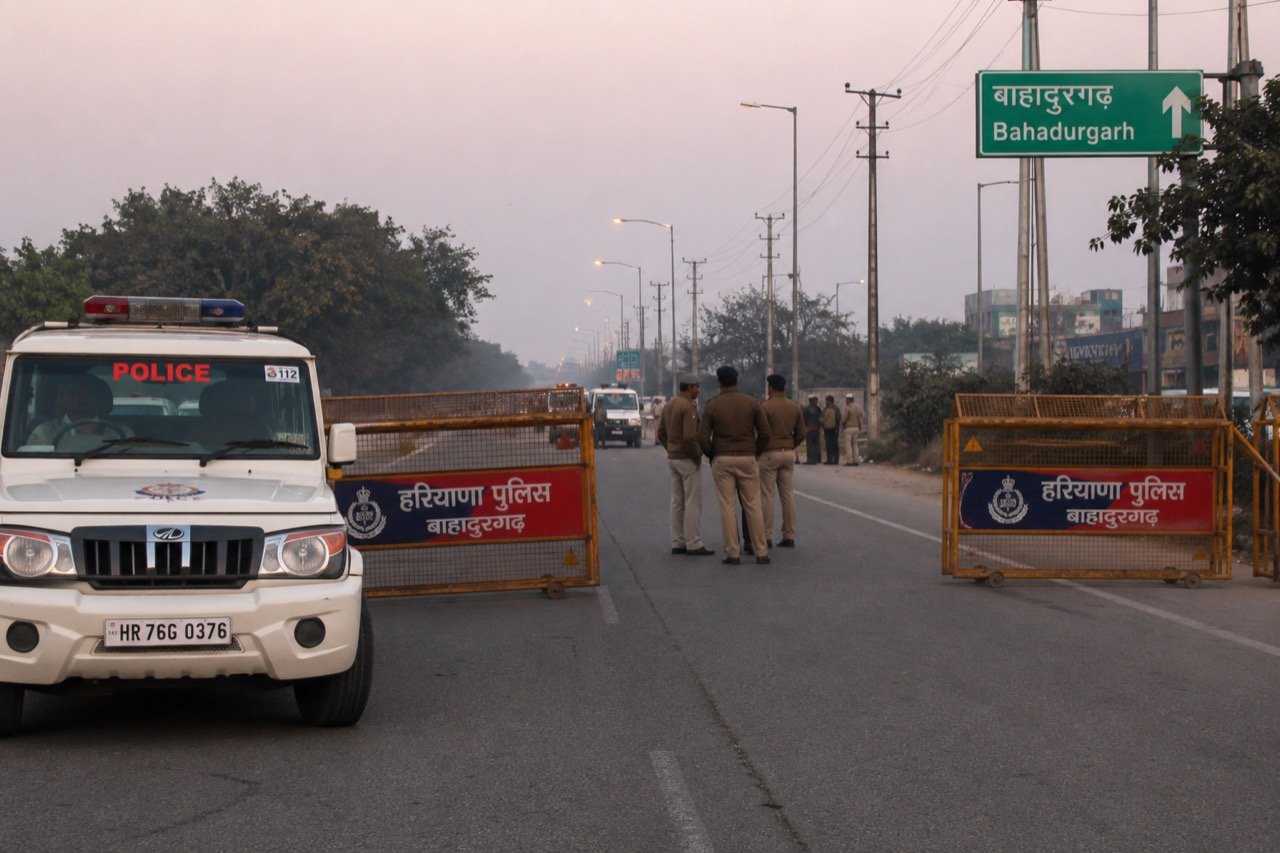
Bishnoi Gang Suspects Injured in Haryana Encounter as Police Tighten Net
A joint Haryana-Delhi Police operation in Bahadurgarh left two suspected Lawrence Bishnoi gang members injured, spotlighting the multi-state coordination now central to India's fight against organised crime networks.