Mohan Yadav Family's Ujjain Land Purchases Draw Scrutiny in Madhya Pradesh
An Indian Express investigation reports that Madhya Pradesh Chief Minister Mohan Yadav's family and linked real estate firms bought 137 plots across 168 acres in Ujjain after he took office, in areas later touched by road projects.
Commentary & Analysis ·
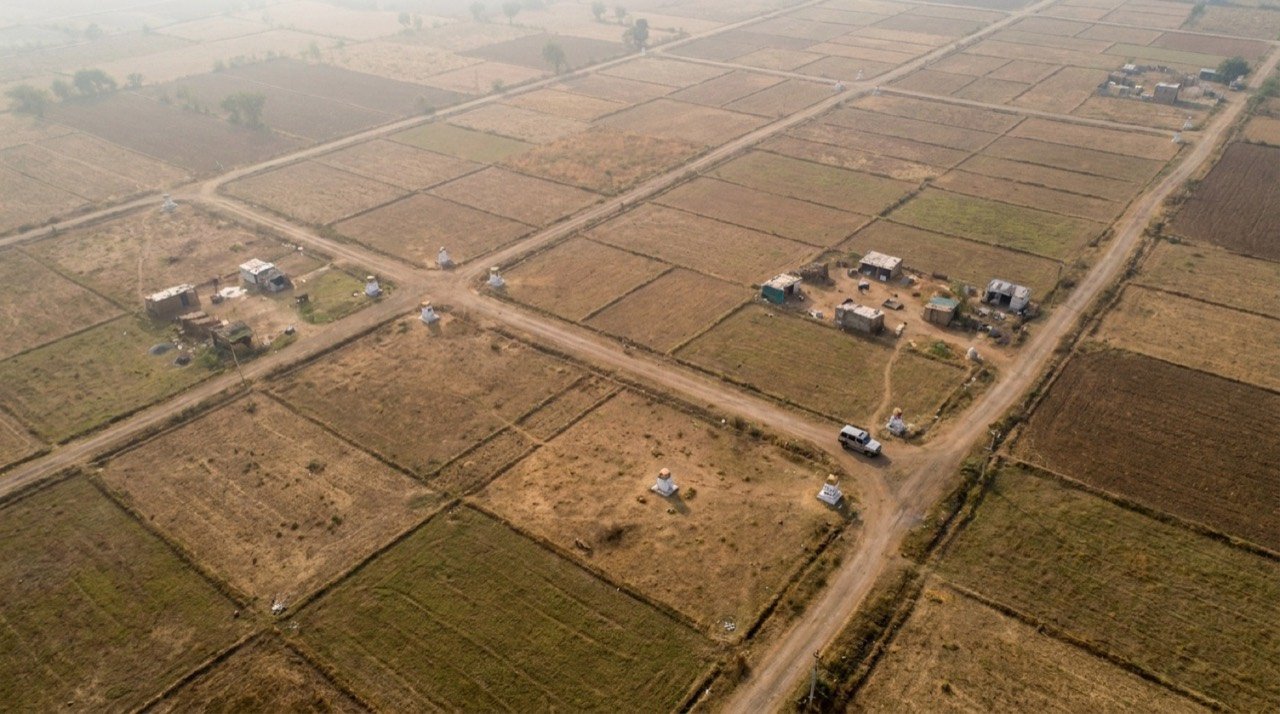
An investigation by The Indian Express has reported that the family of Madhya Pradesh Chief Minister Mohan Yadav, along with associated real estate firms, purchased 137 plots totalling 168 acres in Ujjain after he became chief minister in December 2023. The findings have drawn political attention to the timing and location of the transactions, and they raise a question that recurs whenever the relatives of a serving official enter the property market close to home: was this ordinary commercial activity, or did proximity to power shape what was bought, where, and when.
What the investigation found
According to the report, the plots were acquired in areas that were later affected by road projects and land-use changes, raising questions about the sequence of purchases and subsequent development decisions. The investigation lays out the scale of the holdings and the period over which they were assembled. The figures, 137 plots across 168 acres, give a sense of the concentration of acquisitions in and around the temple city, a region with significant infrastructure activity. Ujjain has for some years been a focus of state and central government attention, given its religious significance and its steady stream of road, transport and urban development schemes. It is precisely this kind of setting, where public investment reliably follows announced plans, that makes the timing of private land purchases by a chief minister's family a matter of legitimate public interest rather than routine curiosity.
The core of the report's concern is not simply that purchases occurred, but that some of the acquired parcels were later touched by road projects and land-use reclassification. Such changes typically increase the value of adjoining or affected land, whether through direct appreciation, compensation entitlements, or improved access and marketability. The sequence matters: purchases made before public plans are finalised, in areas that then benefit from those plans, invite a different kind of scrutiny than purchases made without any connection to subsequent government decisions. The investigation does not resolve this question on its own, but it establishes the pattern that has prompted the political reaction now underway.
The family's response
Responses linked to the family pushed back against the framing of the report, rejecting the suggestion that legitimate business activity should cease simply because Yadav holds high office. The argument advanced is that real estate dealings by relatives are not, in themselves, evidence of impropriety, and that ordinary citizens connected to public figures should not be barred from participating in a functioning property market. This is not an unreasonable position in the abstract. Relatives of officeholders retain the right to conduct lawful business, and mere kinship to a chief minister cannot be treated as automatic disqualification from commercial life.
The difficulty is that this general principle does not, by itself, answer the specific questions the investigation raises: why 137 plots, why 168 acres, why concentrated in Ujjain, and why in areas that came to intersect with road projects and land-use changes after the family's purchases. A defence of the right to transact is not the same as an account of these particular transactions. The competing narratives, an investigative account on one side and a defence of ordinary commercial conduct on the other, set the terms of the political debate now unfolding in the state, and that gap between a general principle and a specific explanation is exactly where the debate is likely to remain focused.
Why the timing matters
Questions about land acquisitions by the families of senior officeholders touch on the wider issue of conflict of interest in public life, particularly when purchases coincide with infrastructure planning. A chief minister is positioned, directly or indirectly, at the apex of decisions about where roads are built, how zoning is altered, and which areas receive priority in state development schemes. When family members acquire land in the very areas later reshaped by such decisions, the sequence of events becomes as important as the transactions themselves. It is the difference between a family that happened to buy land that later appreciated, and a family whose purchases appear to anticipate decisions not yet public.
This is not a uniquely Indian or a uniquely Madhya Pradesh problem; conflict-of-interest concerns around land and infrastructure recur wherever public officials or their relatives hold discretion over planning decisions. What distinguishes credible cases from speculative ones is usually the availability of a clear paper trail, showing when purchases were made relative to when plans were finalised and made public. That is precisely the kind of documentation that independent scrutiny, whether journalistic, administrative or judicial, is best placed to establish.
What happens next
How authorities and the political opposition respond will shape whether the matter escalates into a formal inquiry or remains, as such stories sometimes do, a matter of political contestation without further consequence. Opposition parties in Madhya Pradesh have an obvious incentive to press for scrutiny, while the ruling party and the family have an equally obvious incentive to characterise the report as a politically motivated attack on ordinary commercial conduct. Neither incentive tells the public anything about the underlying facts. What would move the matter forward is independent verification: land records showing acquisition dates, planning department records showing when road and land-use decisions were finalised, and a transparent comparison of the two timelines.
With the report now in the public domain, attention turns to whether the disclosures prompt official scrutiny or remain a matter of political contestation. The intersection of family business interests and public office is likely to keep the issue in focus across Madhya Pradesh politics, particularly given Ujjain's prominence in the state's development agenda and the scale of the holdings reported, 137 plots spread across 168 acres is not a marginal figure by any standard of an individual family's real estate portfolio.
The NE Times View
Land bought by a chief minister's family in areas later touched by road projects demands a clear, public explanation, not reflexive denial. The NE Times takes no position on guilt, but the timing and scale reported here meet the threshold for independent scrutiny. Public office should never blur into private gain, and the burden now lies with Yadav to demonstrate these dealings were entirely above board. A full accounting, land records, dates of purchase set against dates of planning decisions, and a transparent explanation of how 137 plots came to be assembled, would do more to settle the matter than any political statement issued by either side. Until such an accounting is offered, the questions raised by the Indian Express investigation will remain open, and reasonably so.
Key takeaways
- The Yadav family and associated real estate firms purchased 137 plots totalling 168 acres in Ujjain after Mohan Yadav became Madhya Pradesh chief minister in December 2023.
- Some of the acquired plots were later affected by road projects and land-use changes, raising questions about the sequence between purchase and subsequent government decisions.
- Family-linked responses have defended the transactions as legitimate business activity, arguing relatives of officeholders should not be barred from ordinary commercial dealings.
- The episode raises broader conflict-of-interest concerns that arise whenever officials' relatives acquire land in areas subject to their discretion over infrastructure and planning.
- Whether the matter prompts formal inquiry or remains political contestation will depend on independent verification of purchase dates against planning timelines.
You may also like to read
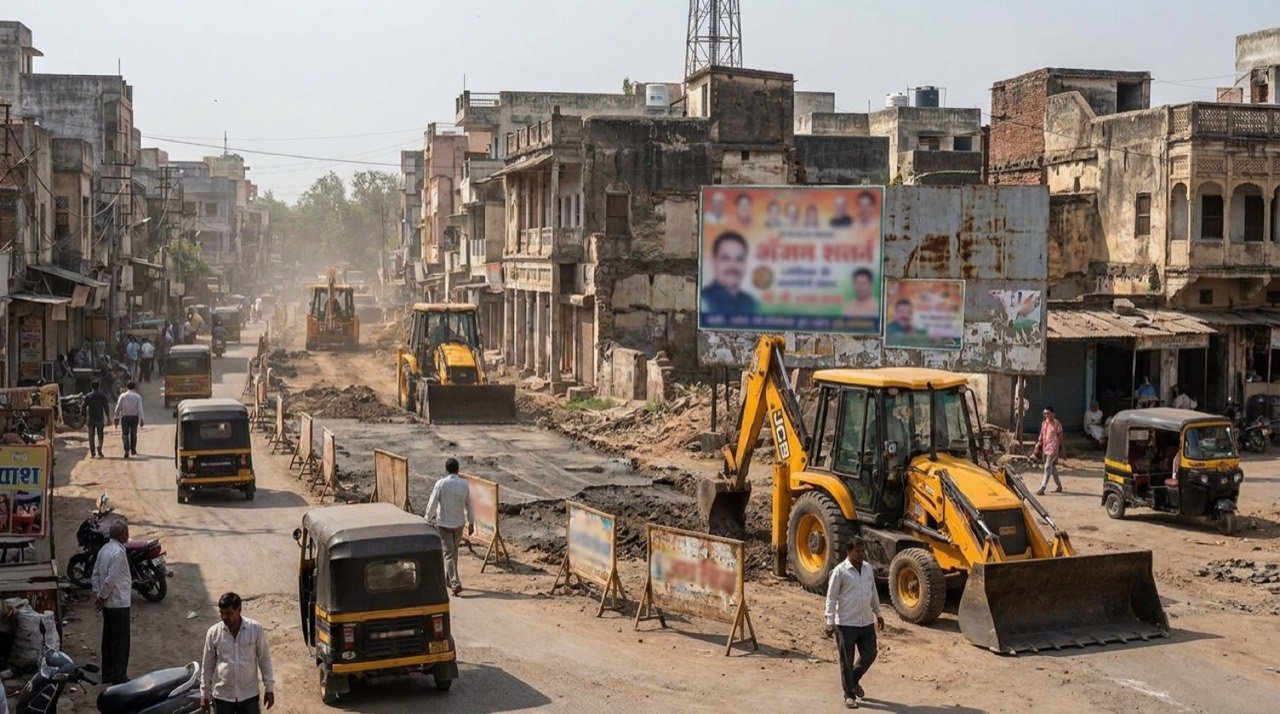
Madhya Pradesh CM's Family Land Deals in Ujjain Draw Scrutiny Amid Road-Project Push
An investigation into 137 plots worth about Rs 45 crore acquired near Ujjain by Chief Minister Mohan Yadav's family has put the city's development map and questions of transparency at the centre of a political row.
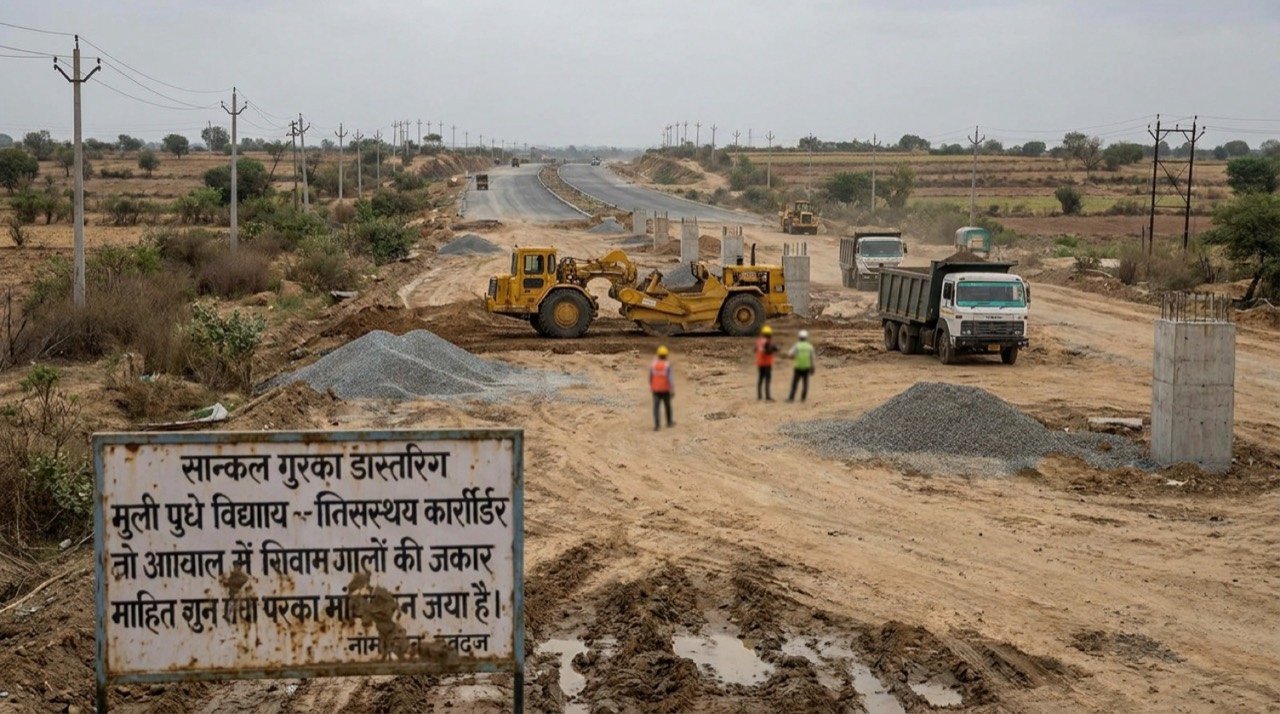
Madhya Pradesh CM's Family Land Deals Near Ujjain Road Projects Face Scrutiny
Reports examining land linked to Chief Minister Mohan Yadav's relatives near Ujjain road corridors have triggered a political row, with the opposition seeking an inquiry and the CM denying any wrongdoing.
Madhya Pradesh Moves Closer to a Uniform Civil Code Draft as Consultations Advance
Madhya Pradesh is preparing a draft Uniform Civil Code covering marriage, divorce, inheritance and adoption, setting up a politically sensitive debate over religion, gender justice and state powers.
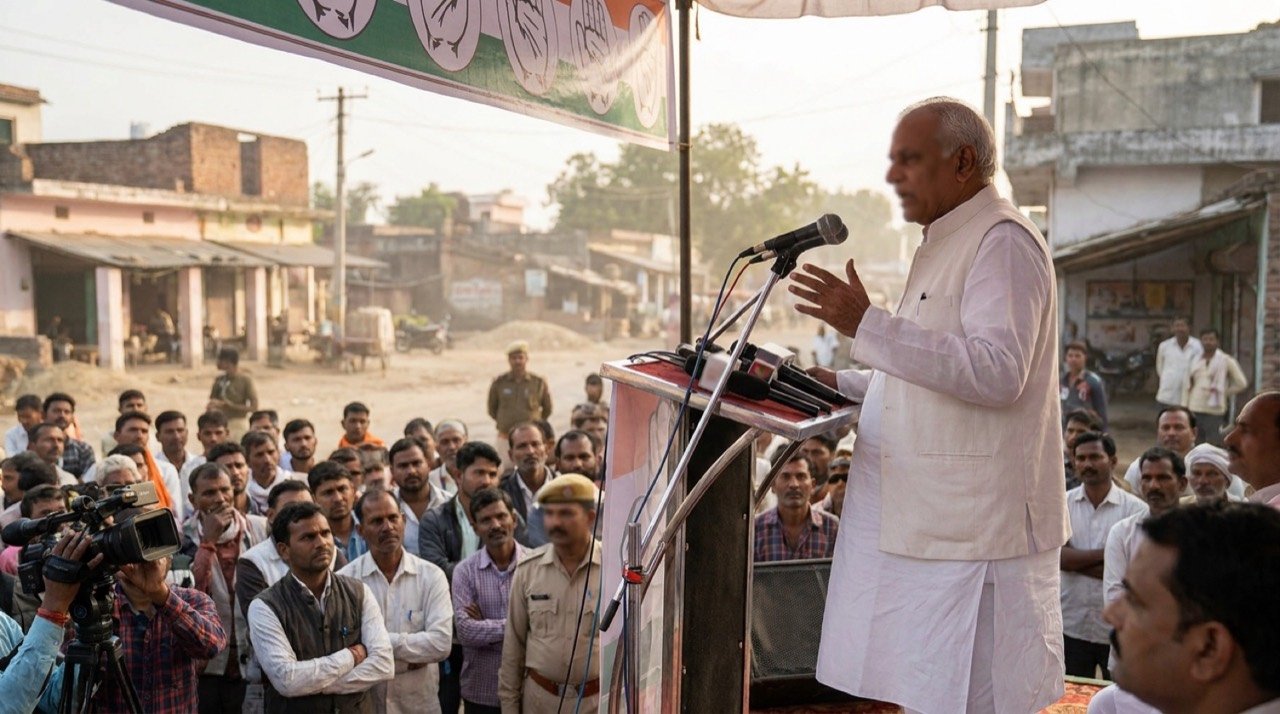
Vijayvargiya's 'Don't Use Our Roads' Remark Sparks Political Row in Madhya Pradesh
A reported comment by Madhya Pradesh minister Kailash Vijayvargiya linking public road use to political loyalty has triggered a sharp clash over civic rights and the language of public office.
More from this section
More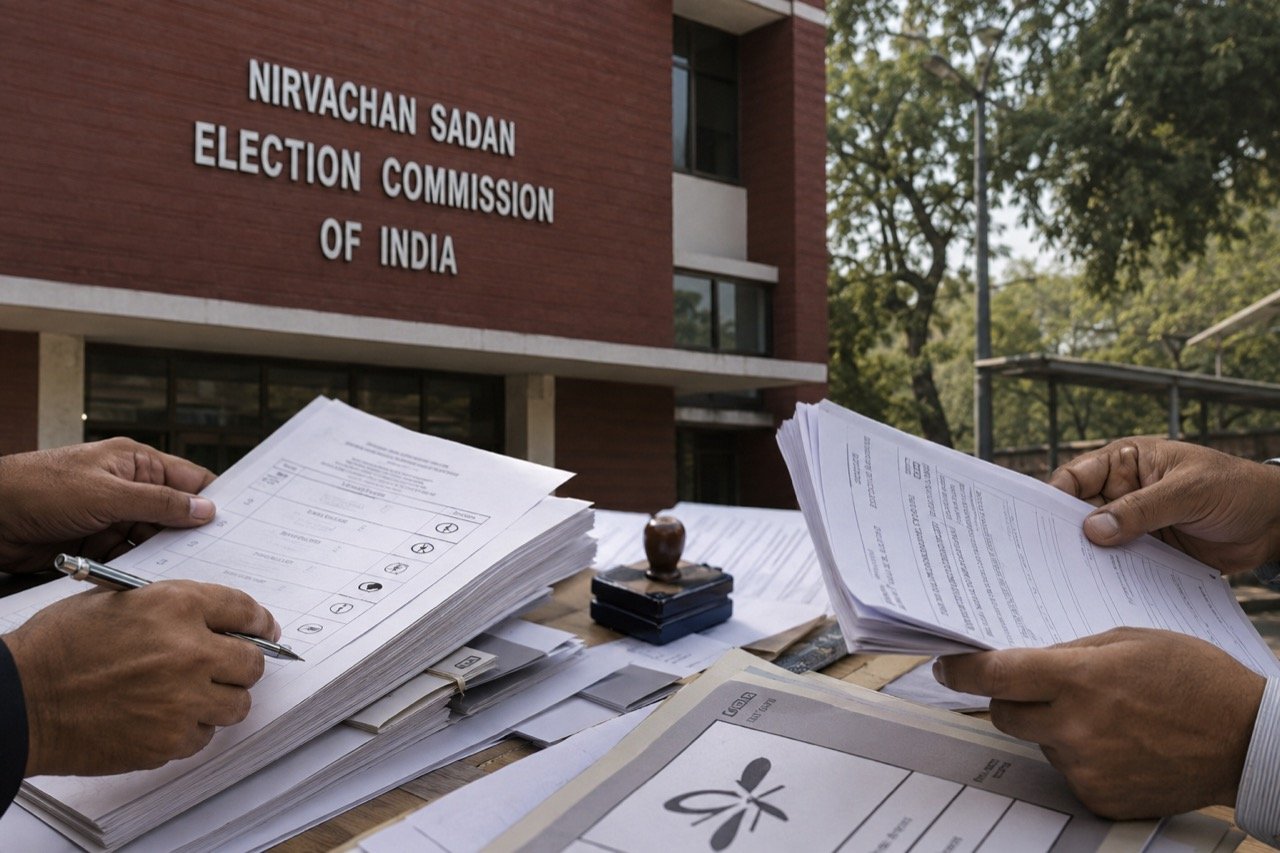
K Kavitha Party Denied TRS Name by Election Commission
The Election Commission has refused to register K Kavitha's Telangana Rakshana Sena under the TRS acronym after objections, forcing a branding reset for the new party at a politically sensitive moment in Telangana.
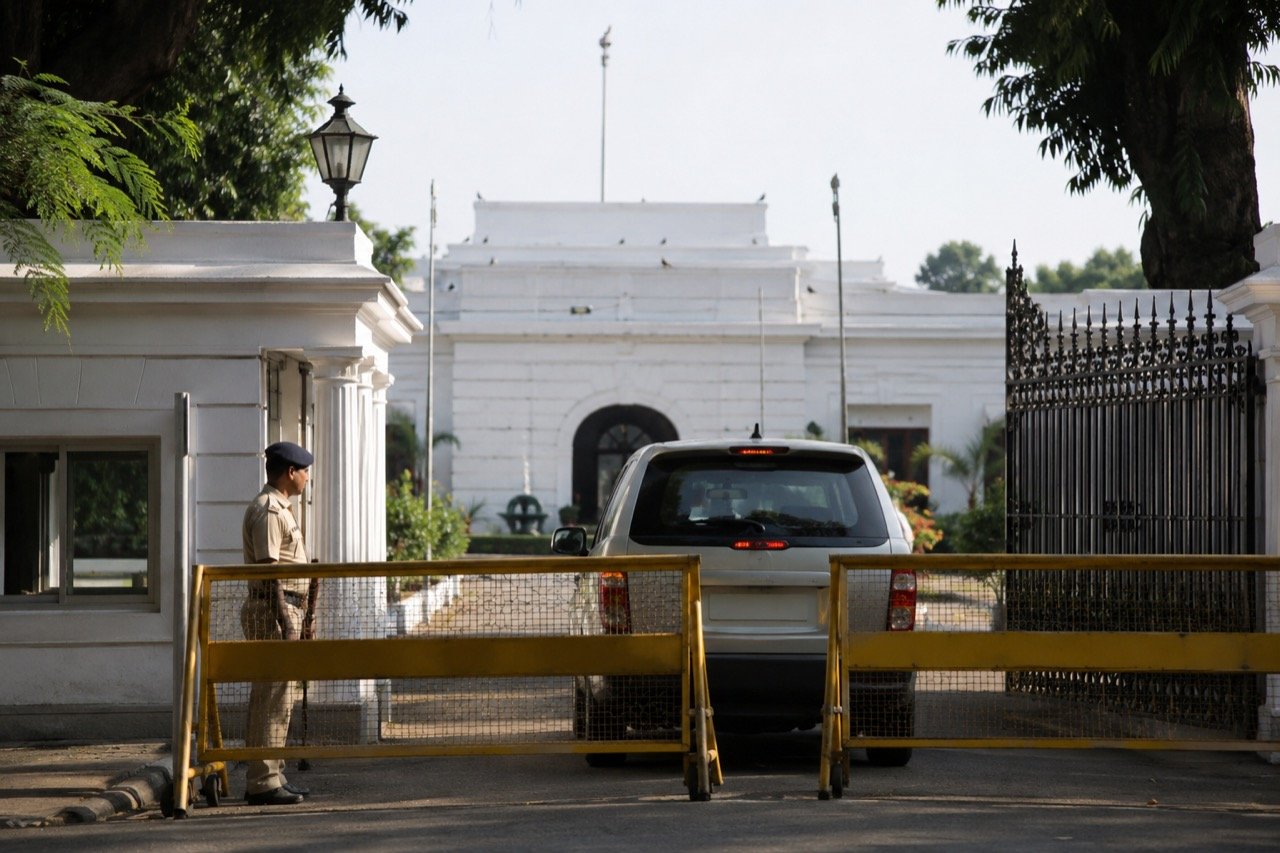
Lalu Prasad Yadav Security Downgrade, Bungalow Order Stir Bihar
A government order downgrading Lalu Prasad Yadav's security cover and asking him to vacate an official bungalow has opened a fresh political flashpoint in Bihar, with the RJD chief's reaction fuelling the row.
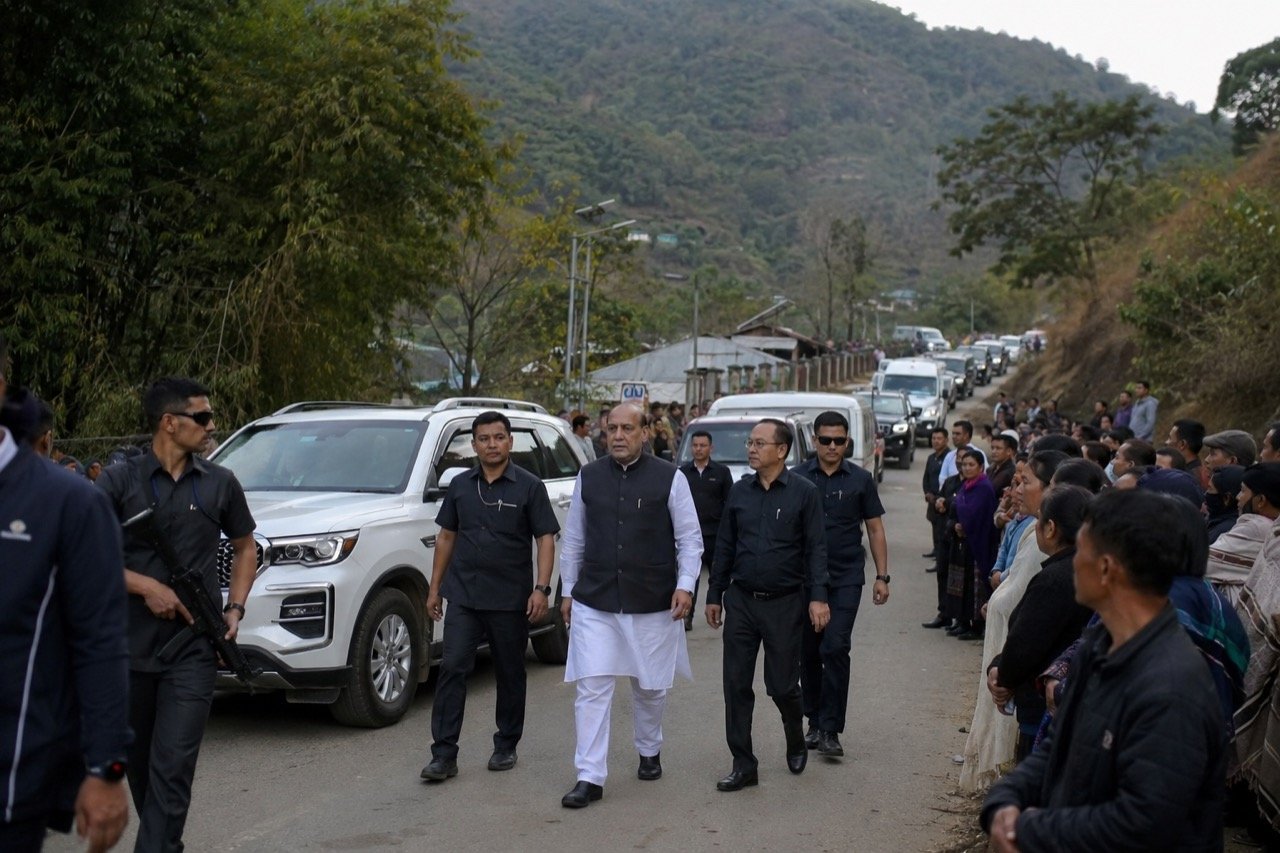
Manipur CM's Churachandpur Visit: First Since 2023 Unrest
The Manipur Chief Minister travelled to Churachandpur for a BJP MLA's funeral, his first visit to the district since the 2023 violence, lending the sombre occasion an unmistakable political significance.