Meitei Insurgent Group Member Arrested in Goa, Police Say
The arrest of an alleged Meitei insurgent in Goa shows how Manipur-linked security cases now stretch far beyond the Northeast, driven by mobility, digital traces and inter-state intelligence sharing.
Commentary & Analysis ·
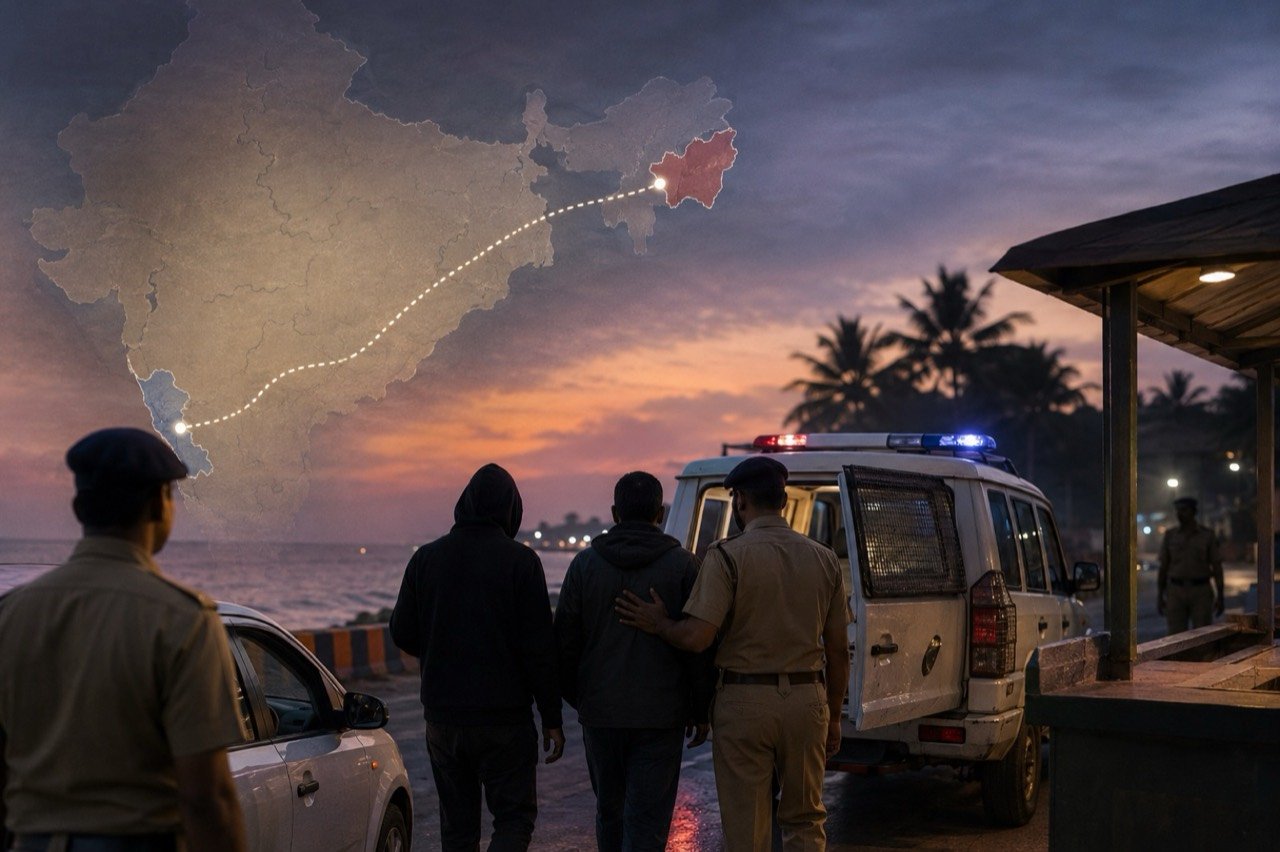
The arrest of an alleged member of a Meitei insurgent group in Goa, hundreds of kilometres from Manipur, has underlined a shift in how India's internal-security cases now play out. A conflict rooted in the Northeast has surfaced on a western coastal state's police records, a reminder that security investigations no longer respect state borders. It is a small case in terms of the single individual detained, but it is a telling one in terms of what it says about the geography of India's internal-security challenges in 2026.
How the Arrest Unfolded
Police reports said the accused was located and detained after coordination between agencies. Investigators are now examining the individual's links, recent movements and any possible support networks that may have aided travel, shelter or logistics far from home. The details made public so far are sparse, which is not unusual at this stage of such a case: agencies typically hold back specifics on how a suspect was tracked, so as not to reveal methods or tip off others who may be under watch.
Officials have stressed that this is, for now, an allegation-based development. The accused is entitled to due legal process, and the burden will be on investigators to establish evidence in court rather than rest on the fact of detention. That distinction matters enormously in cases tied to insurgency and banned outfits, where the political charge attached to an arrest can sometimes outrun the actual evidentiary record. A measured approach, one that treats detention as the start of a legal process rather than its conclusion, protects both the credibility of the investigation and the rights of the individual concerned.
A Manipur Story That Travels
The case sits against the backdrop of continuing security concerns in Manipur and broader efforts to track people accused of involvement with banned or armed groups. Suspects in such cases may move across the country for work, to find shelter or to arrange logistics, leaving trails that local police elsewhere increasingly pick up. That mobility is precisely why the arrest carries significance beyond a single individual.
It suggests networks linked to the Northeast's unrest can extend into states with no direct connection to the conflict, complicating the map that security agencies must police. A person seeking anonymity, employment or simply distance from a troubled home state can plausibly end up in Goa, Kerala, Maharashtra or anywhere else with a transient population and a tourism or service economy that absorbs migrant labour without asking too many questions. This is not a phenomenon unique to Manipur's conflict; it is a general truth about how insurgency-linked mobility works in a large, federal country with free internal movement. But it takes on particular weight here because Manipur's crisis has already shown how quickly local grievances can generate wider ripple effects, from displacement to communal tension to now, apparently, individuals with alleged insurgent links surfacing far from the conflict zone.
Why Inter-State Coordination Matters
The detention points to the growing role of shared intelligence and surveillance cooperation between distant police forces. As individuals move and leave digital footprints, no single state force can act alone; cases are increasingly built through joint effort. Several elements recur in cases of this kind: coordination between agencies across state lines to locate the accused; examination of movement patterns, contacts and logistics; reliance on shared intelligence and digital traces; the legal requirement to prove allegations in court; and surveillance cooperation linking states such as Goa and Manipur that would, on the surface, appear to have little to do with one another.
As a police official familiar with the case put it, suspects increasingly travel for work, shelter or logistics, and tracking them now depends on shared intelligence, not just local knowledge. That single observation captures a structural change in Indian policing. A generation ago, an insurgency case in Manipur would have been handled almost entirely within the Northeast's own security apparatus, with the Assam Rifles, state police and central paramilitary forces working a relatively contained theatre. Today, digital records, bank transactions, mobile-tower data and travel bookings mean that a suspect's trail can be picked up almost anywhere, provided the relevant state police are alert to the request and willing to act on it.
The Wider Stakes for Goa and Manipur
For both Goa and Manipur, the arrest illustrates how internal-security work has become a networked enterprise, connecting far-apart states through mobility, data and cooperation. For Goa, a state whose police apparatus is more accustomed to tourism-related crime and narcotics enforcement, this is a reminder that it, too, sits within the same national security grid as conflict-affected states, and that local vigilance can have consequences well beyond its borders. For Manipur, it is a signal that the state's unresolved troubles are not simply contained problems to be managed within its own boundaries; they are capable of generating cases, suspects and investigations that ripple outward across the country.
The outcome, however, will rest not on the announcement of a detention but on what investigators can prove before a court. That is worth repeating, because in cases with an insurgency or terrorism label attached, public narrative often moves faster than the judicial process, and the eventual disposal of a case, whether conviction, acquittal or a plea arrangement, can look very different from the initial framing offered at the time of arrest.
The NE Times View
An arrest in Goa underlines how Manipur's unresolved conflict has stopped being a contained Northeast problem and now travels along the same highways and networks as everyone else. Better inter-state intelligence is encouraging, and it reflects a maturing of India's internal-security architecture, one where data-sharing and cooperation between forces separated by thousands of kilometres is no longer exceptional but routine. That is a genuine institutional gain.
But policing the symptoms while the political wound in Manipur festers is a treadmill. Every arrest of this kind, wherever it occurs, is downstream of a conflict that remains politically unresolved. Durable security follows reconciliation at home, not just smarter tracking of those who leave. Until the underlying grievances in Manipur are addressed through political engagement rather than security measures alone, cases like this one in Goa are likely to recur in one form or another, each a small data point testifying to a larger, unfinished reckoning.
Key takeaways
- An alleged member of a Meitei insurgent group was arrested in Goa, far from Manipur, after coordination between agencies.
- Investigators are examining the accused's links, movements and possible support networks; the case remains allegation-based pending court proceedings.
- The arrest highlights how suspects linked to Northeast insurgency can travel across India for work, shelter or logistics, leaving trails picked up by distant state police.
- Growing inter-state intelligence-sharing and surveillance cooperation are becoming central to how such cases are built and pursued.
- The NE Times View holds that better tracking is welcome but insufficient; lasting security depends on political reconciliation in Manipur, not only on policing those who leave it.
You may also like to read
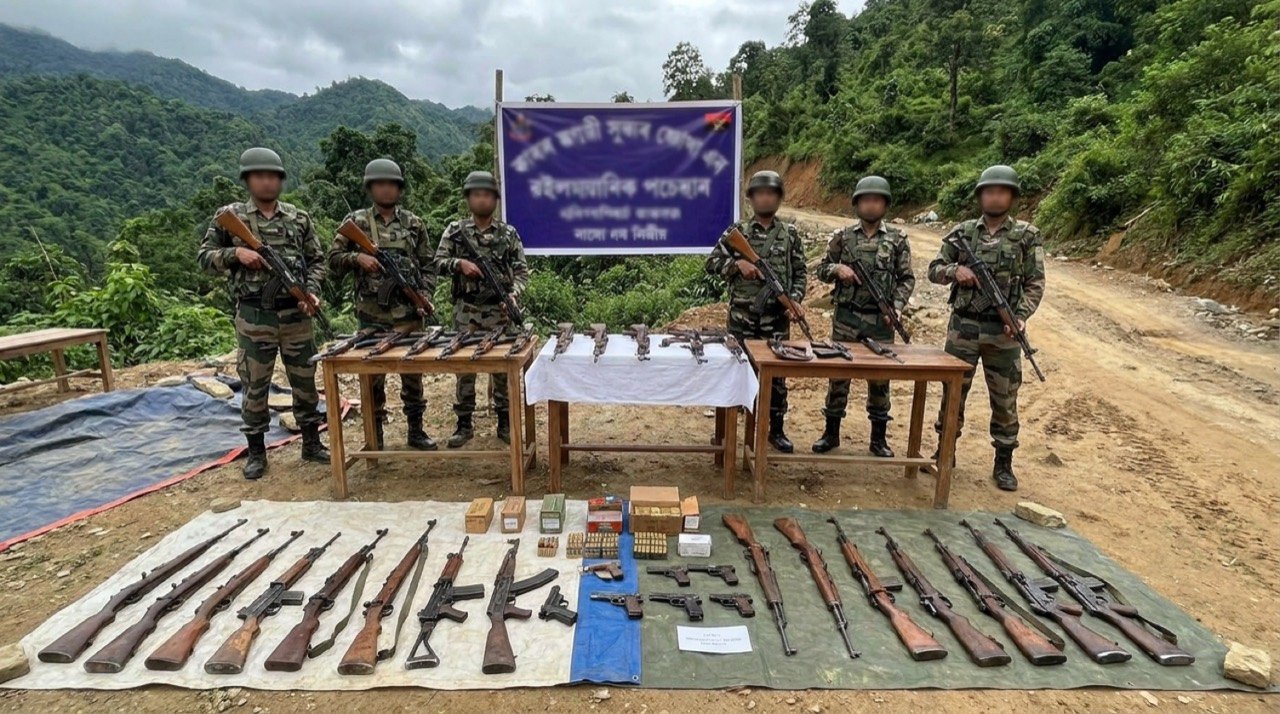
Manipur Arms Recovery Drive Intensifies as 36 Weapons Seized in Joint Operation
Security forces in Manipur are widening a de-weaponisation campaign, recovering 36 weapons in a joint operation and razing illegal bunkers as authorities press to rebuild public confidence after ethnic unrest.
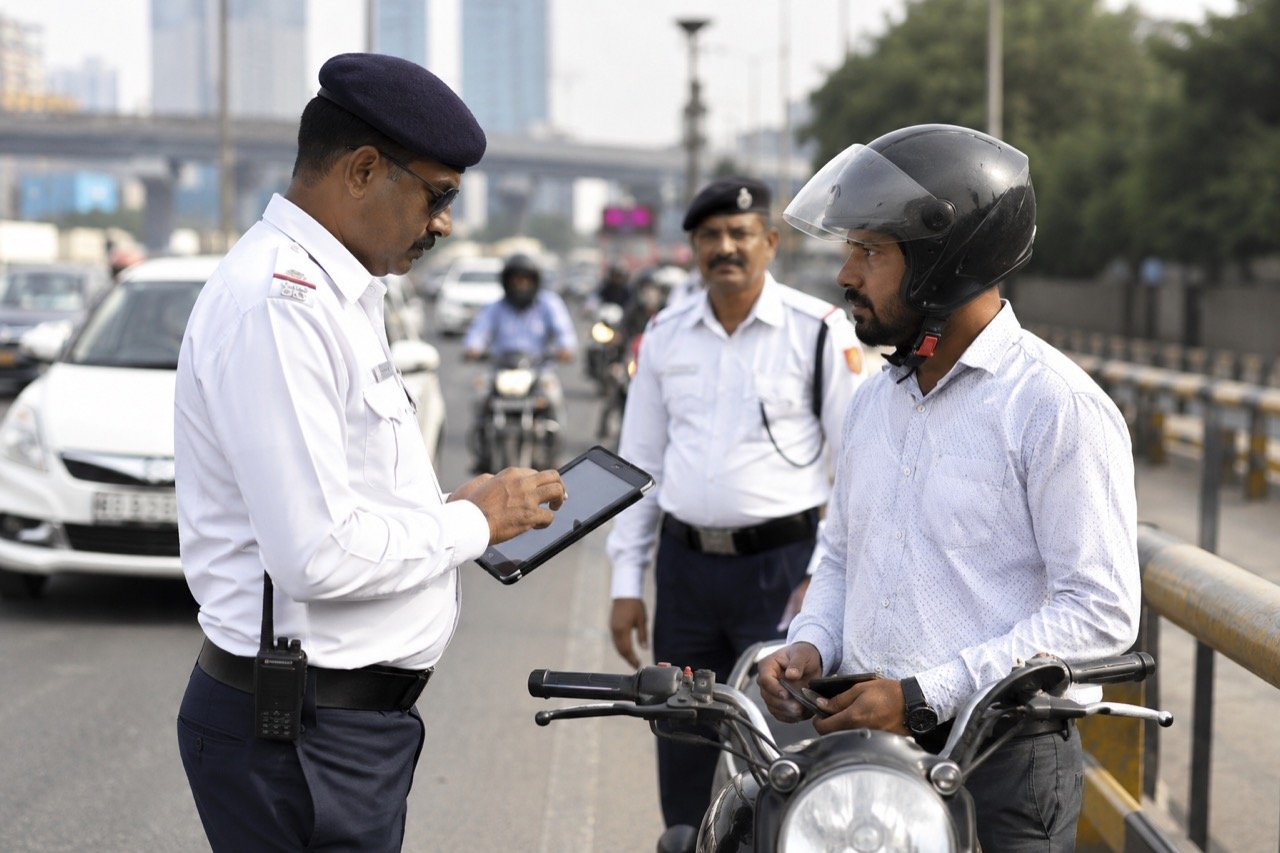
Gurugram Bike With 63 Pending Challans Impounded by Police
Gurugram traffic police impounded a motorcycle carrying 63 unpaid challans running into lakhs of rupees, turning one rider's record into a case study of how repeat violations slip through enforcement gaps.
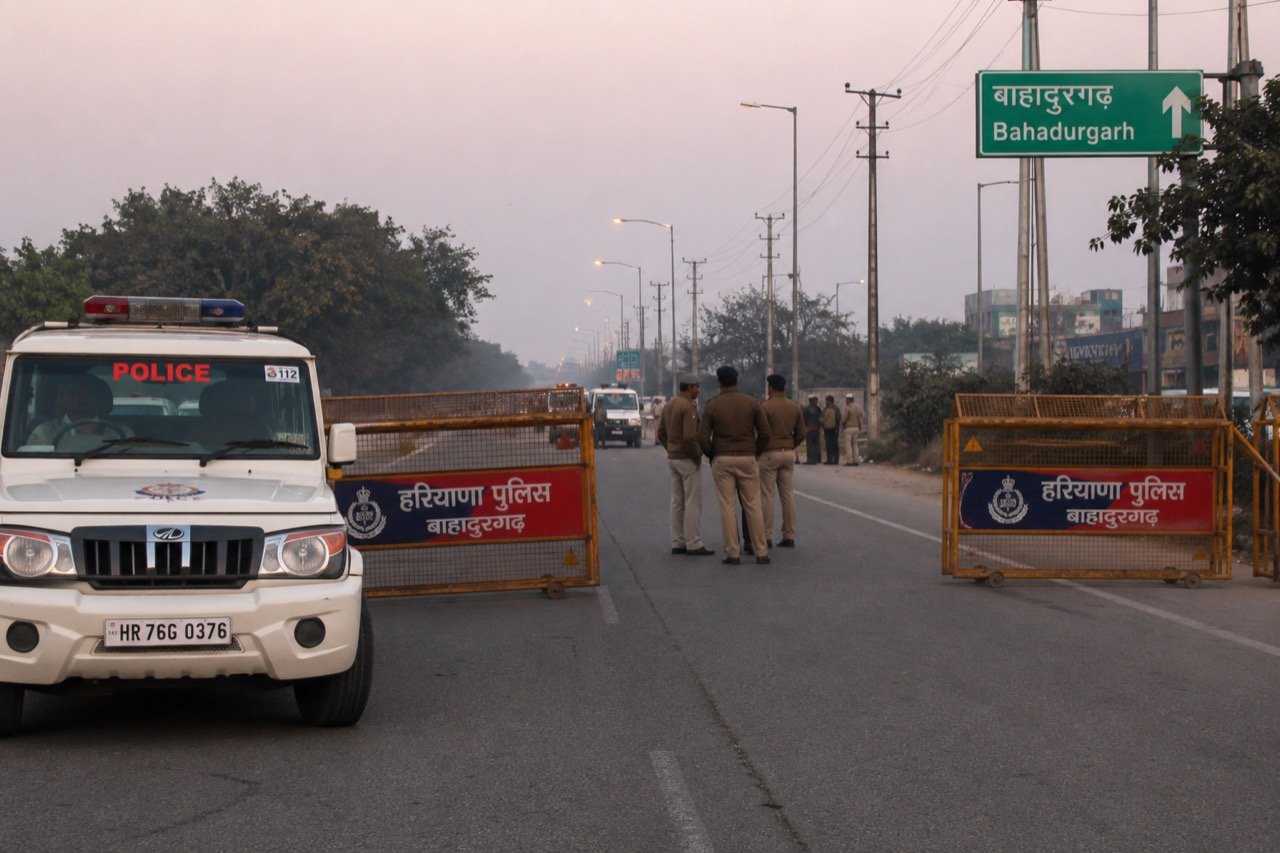
Bishnoi Gang Suspects Injured in Haryana Encounter as Police Tighten Net
A joint Haryana-Delhi Police operation in Bahadurgarh left two suspected Lawrence Bishnoi gang members injured, spotlighting the multi-state coordination now central to India's fight against organised crime networks.
Jaipur Woman Arrested Under UAPA Over Alleged Jaish Links
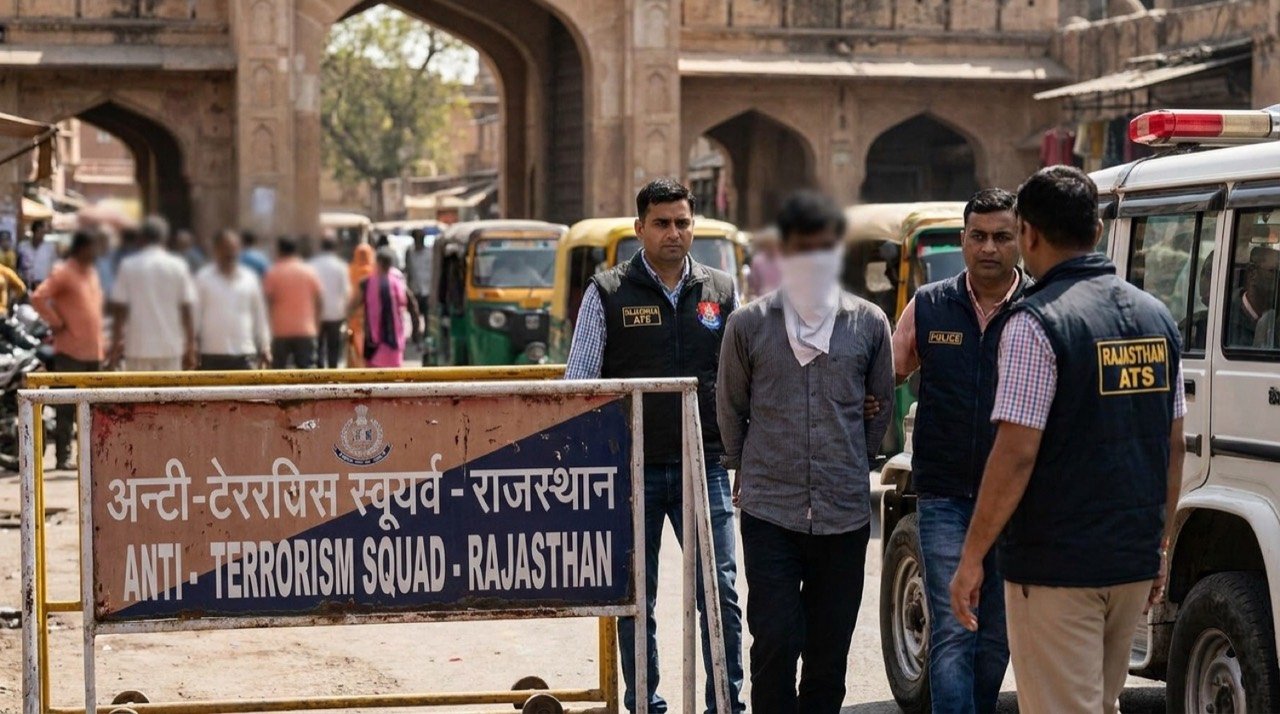
Rajasthan's ATS has arrested a Jaipur woman under the UAPA over alleged online contact with Jaish-e-Mohammed-linked individuals, putting the spotlight on digital trails in national-security probes.
More from this section
More
AICTE Industry Fellowship 2026: Rs 1.5 Lakh Scheme Closes July 5
The AICTE Industry Fellowship Programme 2026, which places technical-education faculty inside leading companies on a Rs 1.5 lakh monthly stipend, reached its application deadline on July 5.
Bay of Bengal Low Pressure System Revives Monsoon Over Western India
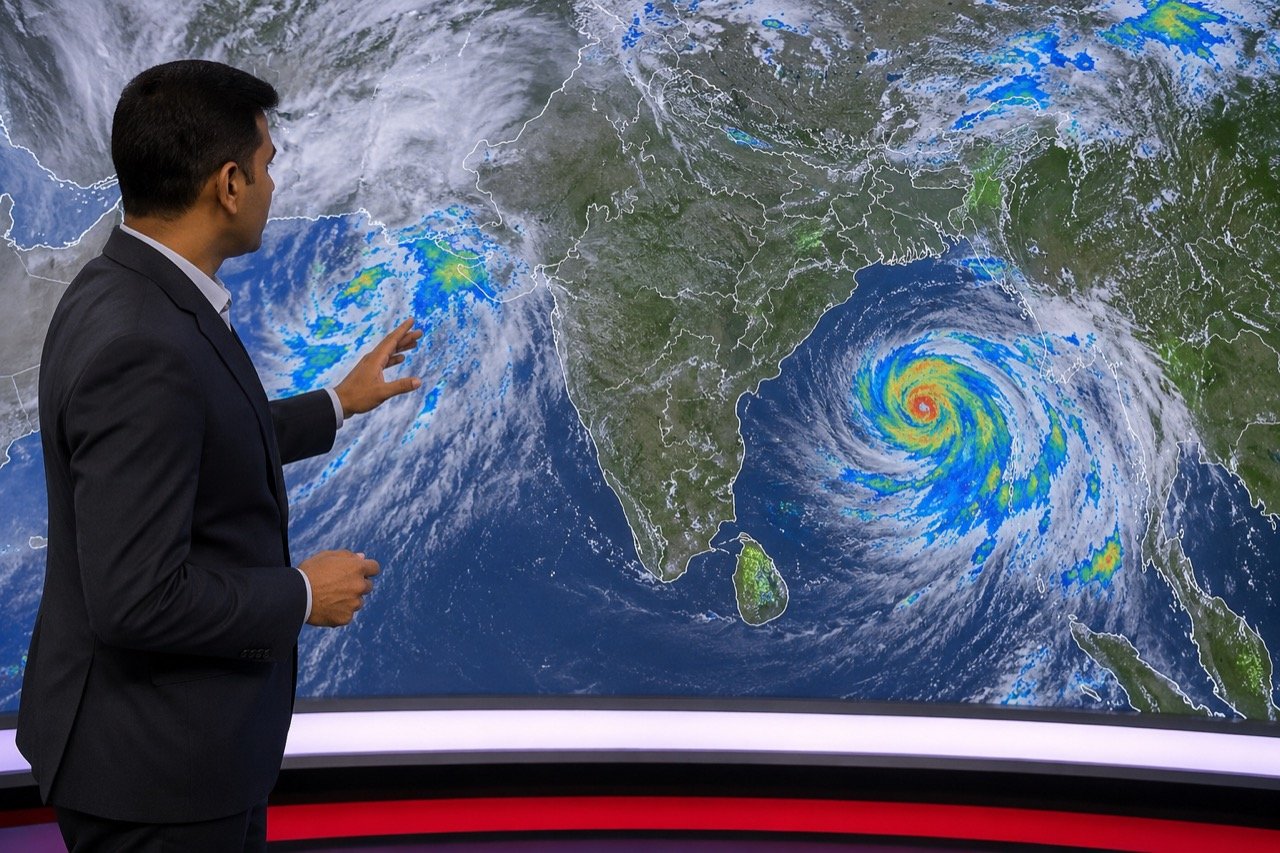
A low-pressure system over the Bay of Bengal has pushed the monsoon back into an active phase, bringing steady heavy rain to Kerala, coastal Karnataka and Maharashtra, and putting Mumbai and Pune on preparedness watch.
Bishnoi Gang Suspects Injured in Haryana Encounter as Police Tighten Net
A joint Haryana-Delhi Police operation in Bahadurgarh left two suspected Lawrence Bishnoi gang members injured, spotlighting the multi-state coordination now central to India's fight against organised crime networks.