Maa Inti Bangaaram's Success Spotlights Women-Led Telugu Cinema
Samantha's Maa Inti Bangaaram has crossed Rs 46 crore globally in its opening run, turning a strong box-office start into a wider conversation about women-led commercial Telugu cinema.
Commentary & Analysis ·
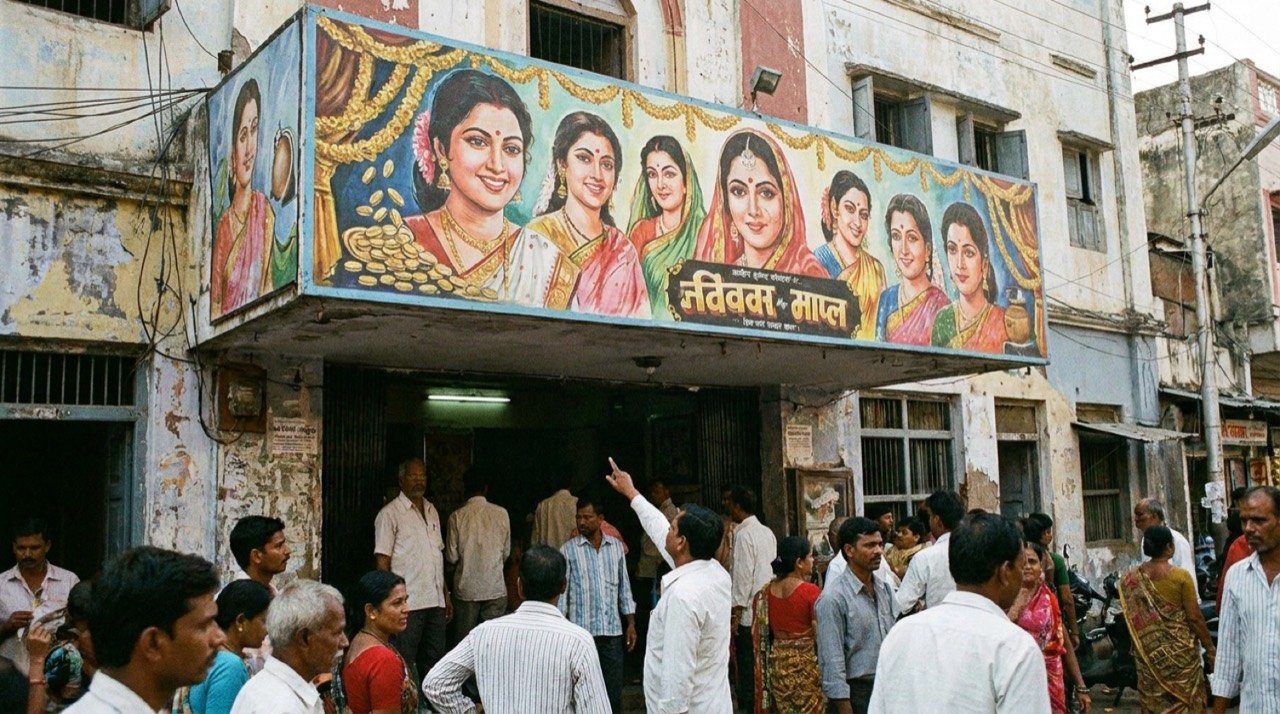
The strong opening of Samantha's Maa Inti Bangaaram has evolved into something larger than a box-office story. As the numbers climbed over the weekend, so did a wider conversation about women-led Telugu cinema and whether the industry is finally ready to treat a female protagonist as a genuine commercial draw rather than a creative gamble worth taking only occasionally. Box-office figures are, by nature, transient. But when they attach themselves to a question the industry has long avoided answering directly, they become something closer to a referendum.
A commanding start at the box office
Reports said the film crossed Rs 43 crore gross in its opening weekend and reached about Rs 46 crore globally after Monday. Overseas earnings added roughly Rs 14.6 crore over its first four days, a figure that signals appeal well beyond the home market. These are not marginal numbers for a film built around a woman in the lead, and they matter in an industry where opening momentum often determines a film's entire theatrical run. A robust start gives distributors and exhibitors confidence to hold on to screens through the crucial second and third weeks, when word of mouth either sustains a film or lets it fade. For a women-led project, that opening-weekend confidence carries an added weight: it is not just about one film's fortunes, but about whether the next female-fronted script gets a similar benefit of the doubt from financiers who have historically hedged their bets on male stars.
The overseas contribution is worth dwelling on separately. Diaspora audiences are often characterised, fairly or not, as more conservative in their viewing choices, gravitating toward established stars and familiar genre templates. A film with a woman at its commercial and narrative centre pulling in roughly Rs 14.6 crore from overseas markets in just four days suggests the audience appetite for such stories is not confined to domestic multiplexes alone. It is a data point that distributors negotiating future women-led releases will likely cite.
Rewriting the leading role
Beyond the collections, the film is being discussed because it hands a woman protagonist the kind of high-stakes, commercial screen space usually reserved for male stars. The narrative leans into family-action drama rather than the sacrificial template that has long defined how Telugu cinema, and much of Indian regional cinema, writes its female leads. Giving the lead agency and scale, rather than positioning her as a supporting emotional anchor to a male hero's arc, is a structural departure from convention, not merely a casting choice.
Director Nandini Reddy and Samantha had spoken before release about moving past well-worn portrayals of women in regional cinema, framing the project as an attempt to build a broader, mainstream entertainer anchored by a female lead. That framing matters because it signals intent: this was not conceived as a niche or festival-circuit project aimed at a narrow audience segment, but as a mass-market entertainer competing on the same commercial terms as any male-led release. The distinction is important because Telugu cinema, like much of the Indian film industry, has periodically produced acclaimed women-centric films that earned critical praise but were budgeted and marketed as smaller, safer bets. A film explicitly built and sold as a mainstream entertainer, and then performing like one, is a different proposition entirely.
What it could mean for the industry
If the momentum holds, the film could nudge producers to view women-led Telugu projects as viable commercial bets rather than occasional experiments undertaken for prestige or awards consideration. Success at this scale tends to reshape what gets greenlit next, not through any formal industry decree, but through the quieter mechanics of risk assessment that guide every producer's next investment. When a film clears the commercial bar convincingly, it becomes a reference point in pitch meetings, a precedent that can be cited to justify budgets, marketing spends and prime release dates for the next female-led project waiting in the wings.
That said, the pattern of Indian cinema has repeatedly shown that a single success, however emphatic, rarely triggers immediate systemic change. The industry has, in the past, celebrated a strong opening for a women-led film only to revert to old habits within a few release cycles, treating each success as an exception rather than evidence of a durable trend. What tends to shift industry behaviour is not one outlier but a cluster of them, released close enough together that the pattern becomes impossible to dismiss as a fluke.
Stakeholders watching closely
Several groups have a direct stake in how this story develops from here. Producers and studios will be watching whether the film's collections hold through the coming weeks, since sustained performance rather than a single opening weekend is what ultimately shapes future greenlighting decisions. Distributors and exhibitors, who allocate screens on a rolling basis, will be recalibrating how much confidence to extend to the next women-led release based on how this one performs beyond its debut. Actors and directors working on similar projects, meanwhile, stand to benefit indirectly if the film's run proves durable, since a strong commercial precedent tends to ease the path for comparable scripts seeking funding and screen time. Audiences, for their part, have already registered their verdict at the ticket counter; what remains to be seen is whether that verdict is loud and sustained enough to be heard in boardrooms where release slates and budgets are actually decided.
The real test ahead
The real test will be sustainability over the weeks ahead and whether the film holds its audience through word of mouth rather than relying solely on opening-weekend curiosity. Weekend numbers are often inflated by first-mover enthusiasm, fan turnout and marketing pushes concentrated around release. It is the second and third weekends, when a film must survive purely on audience recommendation, that reveal whether a story has genuinely connected. Should Maa Inti Bangaaram stay the course through that period, it may be remembered less for any single weekend figure and more as a marker in how Telugu cinema casts, finances and markets its women-led stories going forward.
The NE Times View
A Rs 46-crore opening for a Samantha-led film is a useful data point, not yet a structural shift. Telugu cinema's economics still tilt heavily toward male stars, and one hit does not rewrite that. The real measure is whether studios now greenlight female-fronted projects with serious budgets and marketing, or treat this as a one-off success to be admired and then quietly set aside. Audiences have voted; the industry's response is what matters. If the coming months bring a fresh slate of women-led films backed with comparable production values and marketing muscle, this weekend will be remembered as the turning point. If they do not, it will simply be filed away as one more impressive exception in an industry that has produced several such exceptions before without changing its underlying arithmetic.
Key takeaways
- Maa Inti Bangaaram crossed Rs 43 crore gross in its opening weekend and reached about Rs 46 crore globally after the first Monday, with roughly Rs 14.6 crore coming from overseas markets in four days.
- The film gives its woman protagonist a commercial, high-stakes, family-action role rather than the sacrificial template common to earlier regional cinema narratives.
- Director Nandini Reddy and Samantha had positioned the project before release as a mainstream entertainer anchored by a female lead, not a niche or prestige production.
- Whether this becomes a structural shift for women-led Telugu cinema depends on sustained collections through word of mouth and, more importantly, on whether studios greenlight future female-fronted projects with comparable budgets and marketing.
- The industry's response, not the audience's turnout, will determine if this weekend is remembered as a turning point or another isolated exception.
You may also like to read

Maa Inti Bangaaram Box Office: Samantha Film Nears Rs 90 Cr Worldwide
Samantha Ruth Prabhu's action drama has slowed with a 34.8 percent day-15 dip, yet its Rs 54.70 crore India net and near-Rs 90 crore worldwide gross keep it among the season's durable Telugu releases.
Samantha's Maa Inti Bangaaram: Nandini Reddy Remarks Fuel Buzz
Director Nandini Reddy's comments on Samantha and Maa Inti Bangaaram have refreshed interest in the actor's next Telugu outing, framing the film around her growth and emotional range rather than routine production updates.

Maa Inti Bangaaram Sequel Announced as Samantha Film Builds Momentum
Raj Nidimoru has confirmed a sequel to Samantha Ruth Prabhu's hit Telugu film, raising the prospect of a new franchise from one of the season's most-watched releases.
Rao Bahadur Box Office: Satyadev Mystery Drama Faces Crucial Test
Satyadev's psychological mystery drama Rao Bahadur has opened to mixed response, and its first-weekend word of mouth will now decide whether critical curiosity converts into a commercially sustainable theatrical run.
More from this section
More
72nd National Film Awards: Fans Back Mammootty, Allu Arjun, Sai Pallavi
Speculation around the 72nd National Film Awards is intensifying as fan communities across India's language film industries champion favourites including Mammootty, Allu Arjun and Sai Pallavi ahead of any official announcement.

Aamir Khan Marries Gauri Spratt in Private Pali Hill Ceremony
Aamir Khan and Gauri Spratt tied the knot at the actor's Pali Hill home in Mumbai on July 5, turning a deliberately small family ceremony into Bollywood's biggest story of the day.

Akanksha Chamola's Lock Upp 2 Confession Sets Reality TV Abuzz
A personal revelation by Akanksha Chamola ahead of Lock Upp 2 has handed the reality show a viral talking point, underlining how confession-driven formats continue to dominate Indian television conversation.