Maa Inti Bangaaram Sequel Announced as Samantha Film Builds Momentum
Raj Nidimoru has confirmed a sequel to Samantha Ruth Prabhu's hit Telugu film, raising the prospect of a new franchise from one of the season's most-watched releases.
Commentary & Analysis ·
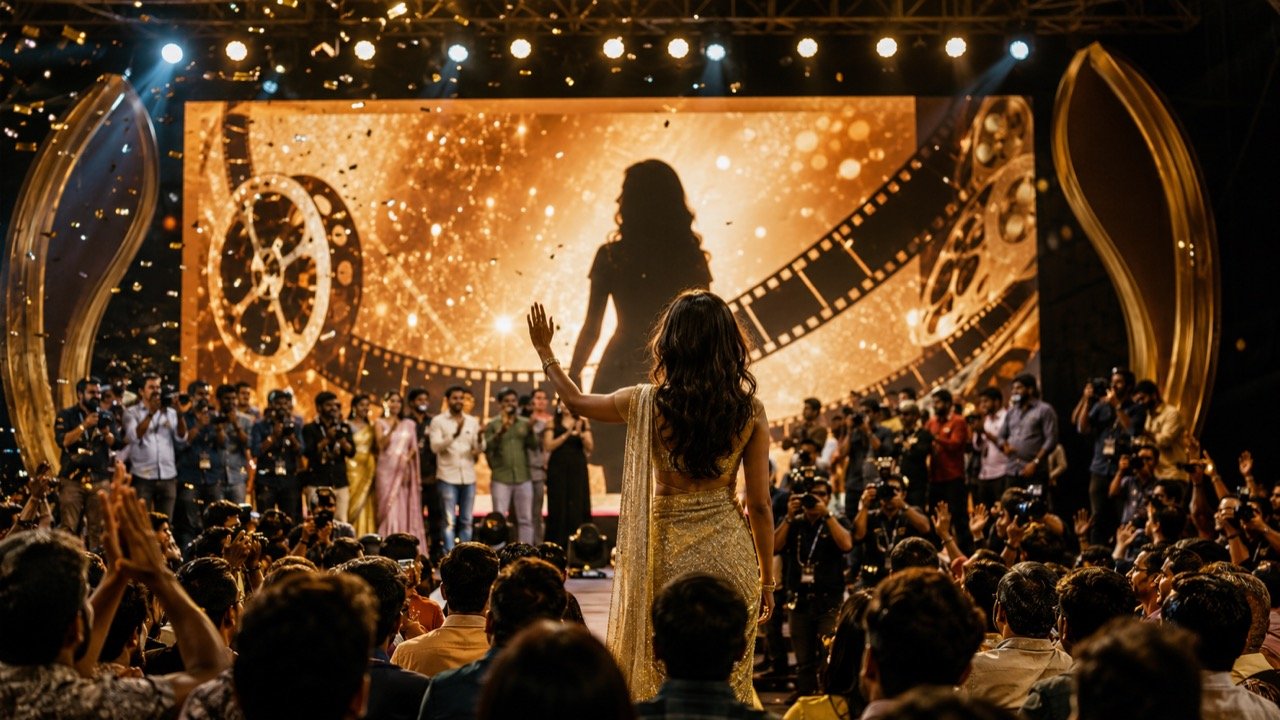
Before the dust has settled on its theatrical run, Maa Inti Bangaaram is already being spoken of in franchise terms. At a success meet in Visakhapatnam, director Raj Nidimoru confirmed that a sequel is in the works, with the same creative team expected to return. The film, which placed Samantha Ruth Prabhu back at the centre of a major Telugu release, has crossed a significant global box-office milestone that appears to have given the producers the confidence to commit publicly. The speed of this announcement is itself notable. Studios ordinarily wait for a film's theatrical run to conclude, for word-of-mouth to settle, and for final numbers to be tallied before committing to a sequel in public. Here, the confirmation arrived while the original was still playing to audiences, suggesting the producers saw enough in early trends to be confident rather than merely hopeful.
A charged moment for Telugu cinema
The announcement lands at a charged moment for Telugu cinema, where a strong audience response at the multiplex is now treated almost reflexively as a prompt for franchise planning. This is not unique to this film or this industry, but the pattern has intensified in recent years as producers look to convert goodwill into a pipeline of guaranteed audience interest rather than starting each new project from zero recognition. What distinguishes this announcement from the usual studio trial balloon is the specificity of Nidimoru's language. He indicated he already had an idea for the next chapter, and that it would bring more energy than the first. That is a meaningful signal in an industry where sequel talk often serves as marketing rather than genuine creative intent. A vague promise of "if the audience wants it, we'll consider it" is a very different statement from a director describing a concrete idea for where the story goes next. The former is a hedge; the latter suggests the groundwork has already begun, even if a script has not yet been finalised.
What the announcement means for Samantha's comeback arc
For Samantha, the film's performance carries weight beyond a single box-office number. Her return to a prominent big-screen role has been tracked closely across language audiences, and the success of a family-oriented drama, built on emotion, nostalgia and accessible storytelling, adds a dimension to her post-health-challenge comeback arc. Every film she takes on since her return is inevitably read partly as a data point in that narrative, whether that framing is fair to her as an artist or not. A sequel would give her a character with established audience affection, which is a different proposition from building recognition from scratch. Where a fresh project asks an audience to invest in an unfamiliar character from the first frame, a sequel role arrives with a reservoir of goodwill already built. That is a genuine professional asset, not merely a sentimental one, because it reduces the risk that any single performance carries for her broader trajectory at this stage of her career.
The NE Times View
There is a temptation in entertainment coverage to treat a sequel announcement at a success meet as automatic good news. It rarely is, quite so simply. The structural advantage a sequel carries, an existing fan base, a known emotional register, a returning lead, is real, but it comes paired with a harder burden: audience expectations are no longer latent, they are declared. Before a first film releases, audiences carry no fixed expectations about its emotional beats or its ability to move them; they simply hope to be entertained. A sequel does not have that luxury. Maa Inti Bangaaram benefited from the particular pleasure of a film that exceeded what people predicted. Nobody walked in demanding it hit a specific emotional register, so its ability to do so felt like a discovery. A sequel arrives with predictions already inflated, and audiences primed to measure it against a memory that time will likely have flattered.
What will matter most is whether Nidimoru's claimed creative idea can hold the emotional specificity of the original without simply repeating it. This is the central tension every sequel to an emotionally driven, non-franchise drama must resolve. Action franchises can often escalate their way past this problem with bigger set pieces and higher stakes. A family drama has no such shortcut; it must find a genuinely new emotional truth to explore, or it risks becoming a diminished echo of what audiences already loved the first time. Telugu audiences have shown sophistication in separating sequels that earn their existence from those that merely invoice the goodwill of their predecessors. That discernment is precisely why the coming months matter so much.
The coming months, during which a proper script presumably takes shape, will be the real test of whether this is a franchise in the making or a success meet promise that quietly fades. Announcements made in the flush of a successful release do not always survive contact with the harder realities of scripting, scheduling and casting logistics. Enthusiasm at a success meet is cheap; a finished screenplay that justifies revisiting these characters is not. The gap between the two is where many well-intentioned sequel plans have historically stalled, and it is reasonable for audiences and observers alike to withhold full confidence until there is more concrete evidence of progress, such as a formal script lock, a confirmed shooting schedule, or further public statements grounded in production detail rather than momentum alone.
Samantha's career architecture beyond the headline
Samantha's position in this equation is worth watching independently of how the sequel itself eventually performs. A franchise anchor role offers stability and leverage in a market where leading-lady continuity is not always guaranteed, particularly in an industry where roles for women are frequently treated as interchangeable rather than as vehicles built around a specific star's strengths. If the sequel materialises and performs, it reshapes how the industry positions her going forward, potentially opening the door to being seen as an actor who can carry a recurring property rather than only standalone vehicles. That subtext, career architecture as much as storytelling, is the real story beneath the headline, and it is one that will likely outlast the specific fortunes of this particular film.
It is also worth considering the incentives at play for everyone involved. For the producers, a public sequel announcement while the original is still in theatres can itself function as a marketing tool, extending conversation around the franchise and potentially encouraging fence-sitters to catch the first film before a sequel arrives. For Nidimoru and his creative team, publicly committing to a follow-up raises the stakes on delivering something that justifies the confidence shown at the success meet. For Samantha, the announcement reinforces her association with a project that has already been read as a personal and professional milestone. None of these incentives make the announcement disingenuous, but they are worth bearing in mind when assessing how much weight to place on early enthusiasm versus eventual execution.
Key takeaways
- Director Raj Nidimoru confirmed a sequel to Maa Inti Bangaaram at a success meet in Visakhapatnam, with the same creative team expected to return.
- The original film, starring Samantha Ruth Prabhu, has crossed a significant global box-office milestone, prompting the early announcement.
- Nidimoru has indicated a specific creative idea for the sequel that he says will carry more energy than the original, a stronger signal than typical sequel-talk marketing.
- The sequel's real test will be whether it can match the emotional specificity of the original rather than simply trading on its goodwill, with Telugu audiences historically discerning on this point.
- Beyond the film itself, the announcement has implications for Samantha's broader career positioning as she continues her prominent return to leading roles.
You may also like to read
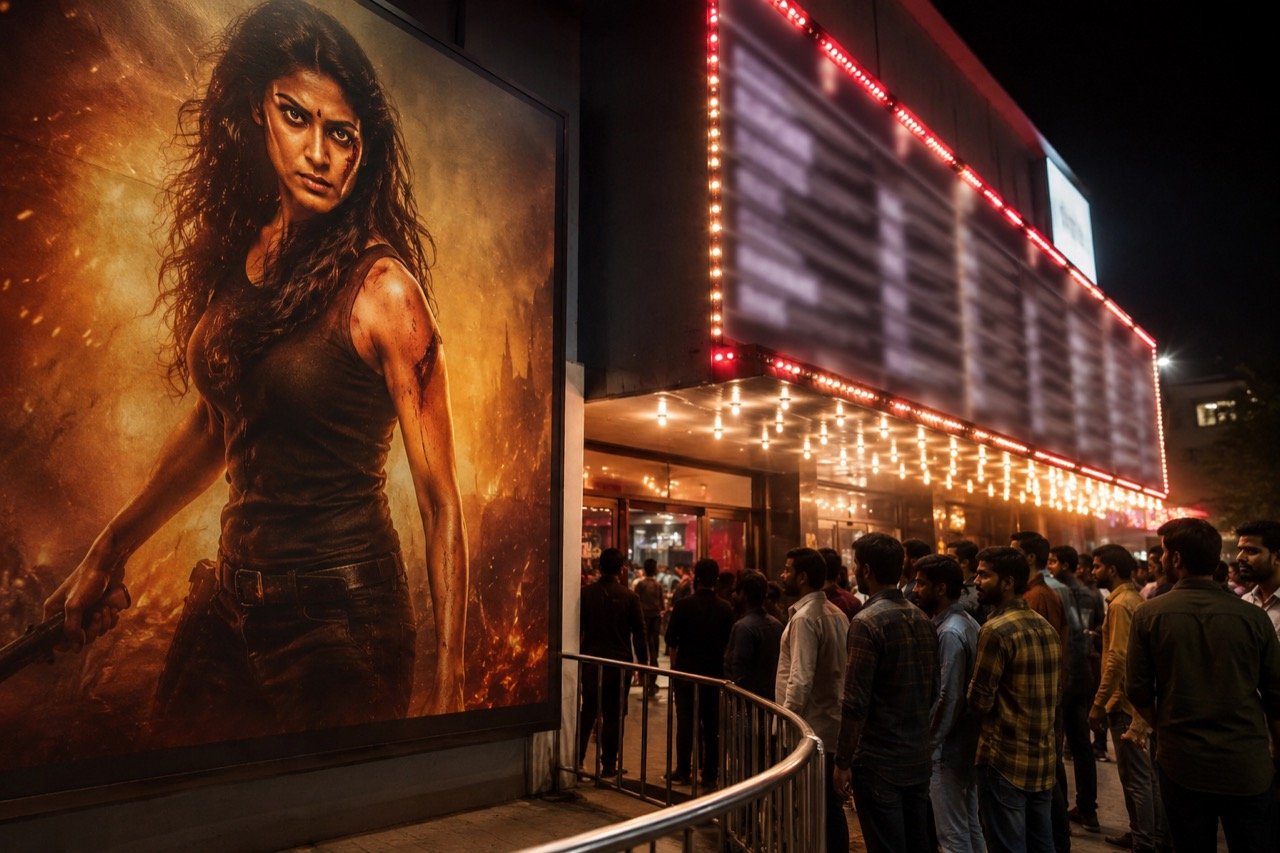
Maa Inti Bangaaram Box Office: Samantha Film Nears Rs 90 Cr Worldwide
Samantha Ruth Prabhu's action drama has slowed with a 34.8 percent day-15 dip, yet its Rs 54.70 crore India net and near-Rs 90 crore worldwide gross keep it among the season's durable Telugu releases.
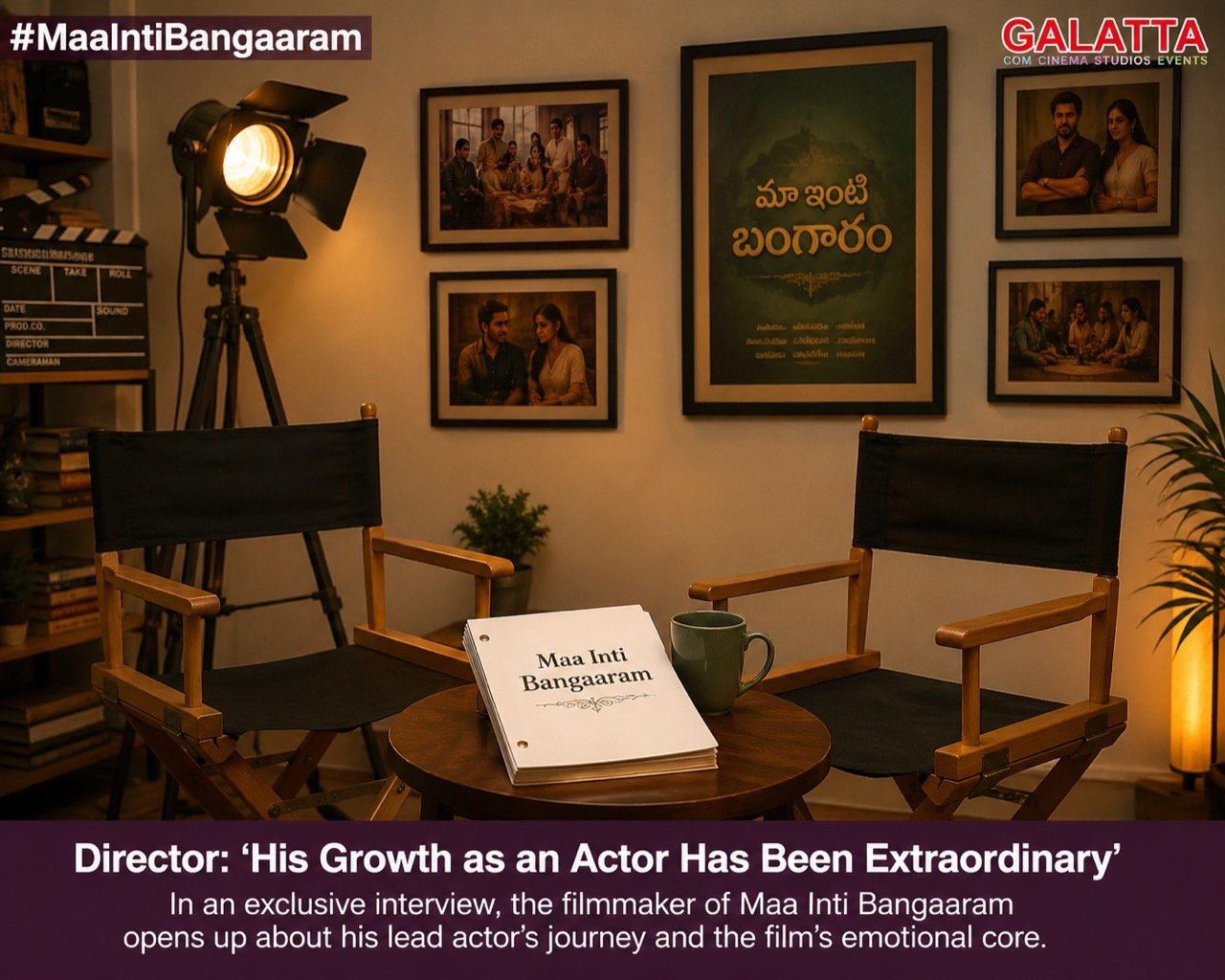
Samantha's Maa Inti Bangaaram: Nandini Reddy Remarks Fuel Buzz
Director Nandini Reddy's comments on Samantha and Maa Inti Bangaaram have refreshed interest in the actor's next Telugu outing, framing the film around her growth and emotional range rather than routine production updates.
Maa Inti Bangaaram's Success Spotlights Women-Led Telugu Cinema
Samantha's Maa Inti Bangaaram has crossed Rs 46 crore globally in its opening run, turning a strong box-office start into a wider conversation about women-led commercial Telugu cinema.
Peddi OTT Release: Ram Charan Film's Streaming Date Awaited
After a strong theatrical run for the Ram Charan and Janhvi Kapoor sports-action drama, attention has shifted to Peddi's OTT debut, with fans awaiting a confirmed streaming platform and date.
More from this section
More
72nd National Film Awards: Fans Back Mammootty, Allu Arjun, Sai Pallavi
Speculation around the 72nd National Film Awards is intensifying as fan communities across India's language film industries champion favourites including Mammootty, Allu Arjun and Sai Pallavi ahead of any official announcement.

Aamir Khan Marries Gauri Spratt in Private Pali Hill Ceremony
Aamir Khan and Gauri Spratt tied the knot at the actor's Pali Hill home in Mumbai on July 5, turning a deliberately small family ceremony into Bollywood's biggest story of the day.
Akanksha Chamola's Lock Upp 2 Confession Sets Reality TV Abuzz
A personal revelation by Akanksha Chamola ahead of Lock Upp 2 has handed the reality show a viral talking point, underlining how confession-driven formats continue to dominate Indian television conversation.