Kireedam Restored Re-Release: Mohanlal Classic Returns in July
Mohanlal's landmark film Kireedam is set to return to theatres in restored form this July, reinforcing India's growing appetite for classic cinema presented with upgraded picture and sound.
Commentary & Analysis ·
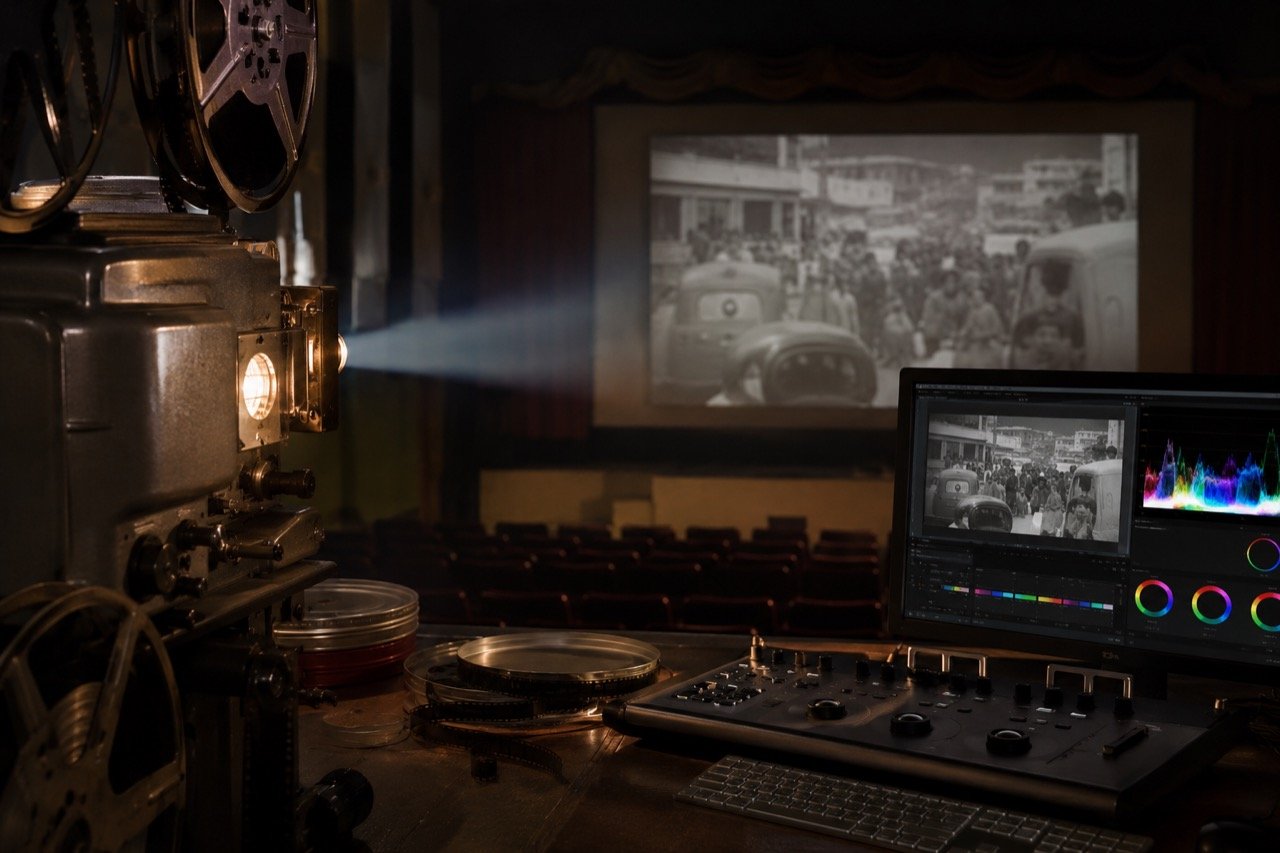
The planned restored re-release of Kireedam has handed Malayalam cinema another heritage moment. Times of India reported that the Mohanlal classic is set for a July return to theatres in restored form, following restoration work linked to NFDC-NFAI and an earlier 4K presentation. For cinephiles, this is more than nostalgia. It is film preservation becoming a live theatrical event, one that asks audiences to treat an old film not as an artefact locked in the past but as a work still capable of commanding a big screen and a paying crowd.
Why Kireedam matters
Kireedam is widely regarded as one of the defining films of Mohanlal's career. A restored re-release lets older viewers revisit a major performance on the big screen, while giving younger audiences a way to encounter the film beyond small-screen clips and compressed streaming copies. Film history, after all, survives best when it is made visible again, not merely catalogued. There is a real difference between knowing a film is important by reputation and actually experiencing it in a cinema hall, with the scale, sound design and collective audience reaction that a theatrical screening restores along with the print itself.
Crucially, this is a restored theatrical presentation, not a remake or a sequel. The appeal lies in preserving the original work with improved picture and sound, a distinction that matters to fans searching for what exactly is coming back to cinemas. In an entertainment landscape saturated with reboots, spin-offs and reinterpretations, a straightforward restoration carries its own quiet appeal: it promises fidelity rather than reinvention. The film returns as it was, only clearer, sharper and free of the wear that decades of prints and low-resolution transfers tend to accumulate.
Part of a wider restoration wave
Across Indian cinema, restored classics are becoming commercially and culturally meaningful. They let theatres programme familiar titles in selective windows, give archives a public-facing purpose, and allow fans to celebrate cinema history collectively. A restoration project, once completed, does not have to sit inert in an institutional vault. It can travel back into commercial exhibition, generating ticket sales and press coverage decades after a film's original release, effectively giving old work a second commercial life alongside its cultural one.
Malayalam cinema, with its deep performance tradition and strong writing legacy, is particularly well suited to this revival. The industry has long been associated with character-driven storytelling and performances that reward close, repeated viewing, qualities that travel well across generations of viewers even when the technology and conventions of filmmaking have moved on considerably since a film's original release. A title like Kireedam, built around a performance rather than spectacle, is arguably better positioned to benefit from restoration than films that depended on effects or production values that have since been surpassed.
Mohanlal's cross-generational pull
The re-release also underlines Mohanlal's rare cross-generational pull. Updates about his new projects can trend alongside restoration news from decades past. Few stars hold both spaces at once, commanding new-release anticipation and heritage reappraisal simultaneously. This dual relevance is not simply a function of longevity. It reflects a body of work substantial enough that different generations of viewers can each claim a different film as their entry point, while still converging on titles like Kireedam as a shared reference point for serious dramatic performance in Malayalam cinema.
That combination matters for how the industry thinks about its own archive. A star whose earlier work still draws audiences gives distributors and restorers a commercially credible reason to invest in bringing that work back, rather than treating restoration purely as a cultural or academic exercise. It is a case where box-office logic and heritage preservation are not in tension but reinforce one another.
What remains unconfirmed
Details such as theatre counts or box-office expectations remain unconfirmed, and the story for now is the restored format and the July window. That caveat is worth keeping in view. It is easy, when a heritage story generates enthusiasm, to assume a scale of release or a commercial outcome that has not actually been confirmed. What is established is the fact of restoration, the institutional link to NFDC-NFAI, the earlier 4K presentation, and a planned July theatrical return. How wide that return will be, and how audiences will respond in ticket sales, is still to be seen.
The NE Times View
Kireedam's return is a reminder that India's film heritage is an asset the country has only recently begun treating with the seriousness it deserves. When institutions like NFDC-NFAI restore a classic and distributors put it back on big screens, preservation stops being an archival footnote and becomes a shared public experience. It shifts restoration from something that happens quietly, for the benefit of researchers and future historians, into something audiences today can participate in directly, by buying a ticket and sitting in a theatre.
This model deserves scaling. Every major Indian film industry has masterpieces deteriorating in vaults while audiences demonstrably pay to see restored classics when they are given the chance. The economics of restoration are not trivial, and institutional bandwidth is limited, but the demonstrated appetite for events like this suggests the investment can pay for itself, both financially and in terms of cultural goodwill. If the Kireedam re-release performs well, it should embolden archives and studios to make restoration a regular part of the theatrical calendar, not an occasional novelty reserved for a handful of iconic titles.
There is also a broader signal here about how stardom and heritage intersect. A film industry that can simultaneously generate excitement for a leading actor's upcoming work and for his decades-old performances has a depth of audience engagement worth nurturing deliberately, rather than leaving to chance. Malayalam cinema's willingness to look backward even as it continues to produce new work is, in that sense, a strength rather than a distraction.
Key takeaways
- Kireedam, a defining Mohanlal performance, is set for a restored theatrical re-release in July, following restoration work linked to NFDC-NFAI and an earlier 4K presentation.
- This is a restoration, not a remake or sequel, aimed at presenting the original film with improved picture and sound.
- The re-release fits a wider Indian trend of restored classics returning to cinemas, giving archives a public-facing commercial and cultural purpose.
- Mohanlal's simultaneous pull as both a current star and a heritage figure underscores his unusual cross-generational relevance.
- Theatre counts and box-office expectations remain unconfirmed; the confirmed elements are the restored format and the July release window.
You may also like to read
Mohanlal Applies Under Kerala Ivory Amnesty Scheme: What It Means
Reports that Mohanlal has applied under Kerala's one-time ivory amnesty scheme to declare wildlife-related articles have turned a legal compliance process into one of Malayalam cinema's biggest off-screen headlines.
Mohanlal's Malaikottai Vaaliban Sets a Date as Mollywood Eyes Scale
With a firm release date locked for Mohanlal's long-awaited epic, Malayalam cinema is signalling renewed ambition for large-canvas event films built around its biggest star.

Mammootty and Mohanlal Reunite After 18 Years as 'Patriot' Lands on ZEE5
Mahesh Narayanan's political spy thriller brought the two Malayalam megastars back together on screen, with the much-anticipated digital premiere arriving on ZEE5 on 5 June.
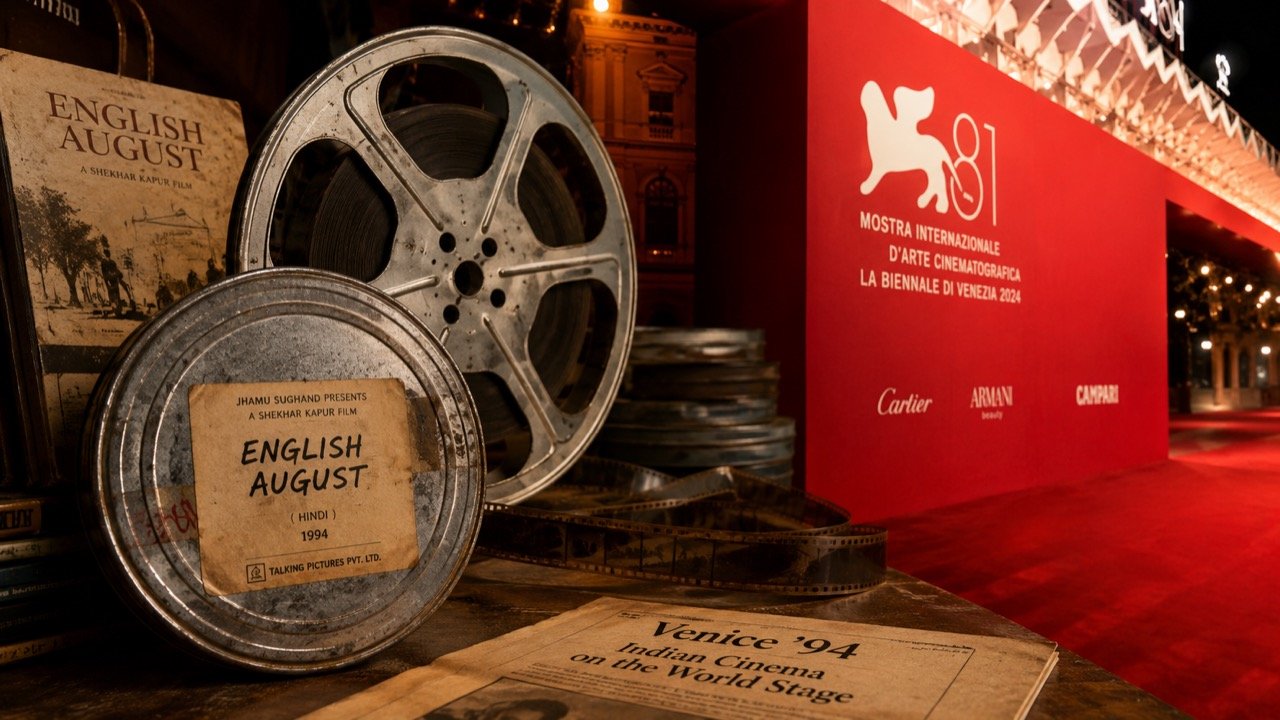
English, August: Rahul Bose Classic Restored for Venice Premiere
Rahul Bose's landmark 1990s film English, August is set to premiere in restored form at the Venice Film Festival, giving a defining title of Indian independent cinema a fresh global stage.
More from this section
More
72nd National Film Awards: Fans Back Mammootty, Allu Arjun, Sai Pallavi
Speculation around the 72nd National Film Awards is intensifying as fan communities across India's language film industries champion favourites including Mammootty, Allu Arjun and Sai Pallavi ahead of any official announcement.
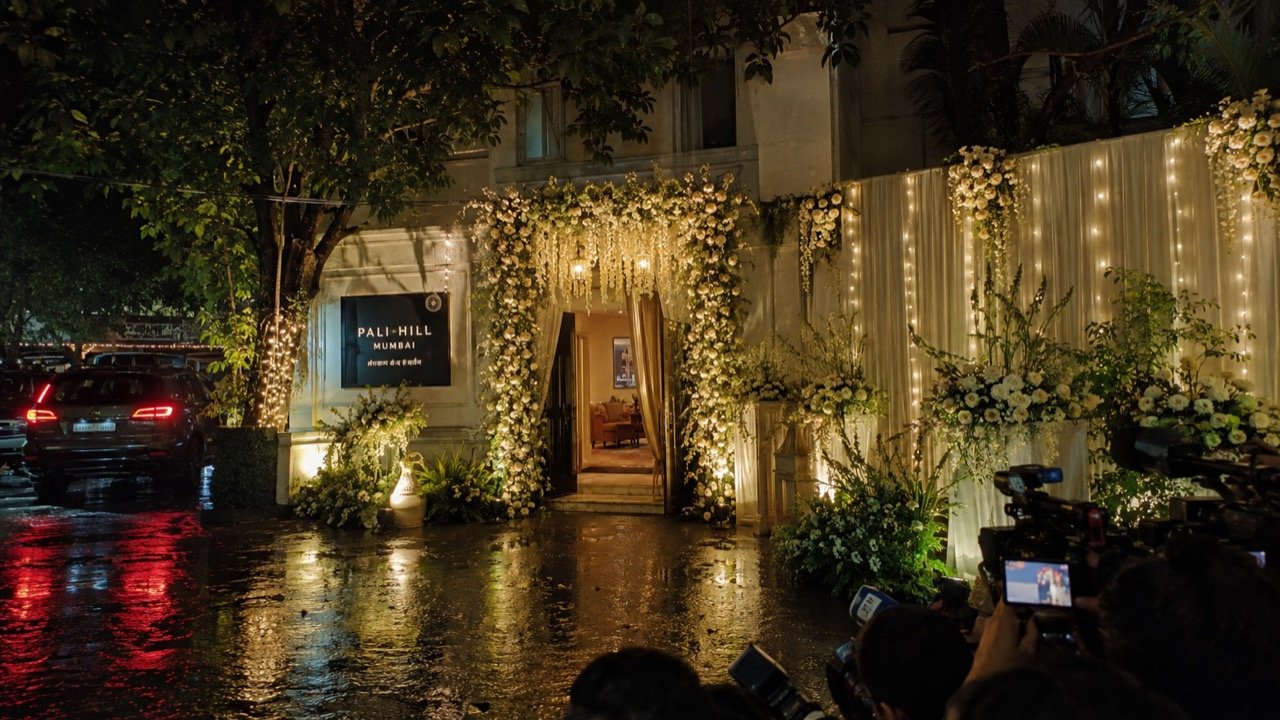
Aamir Khan Marries Gauri Spratt in Private Pali Hill Ceremony
Aamir Khan and Gauri Spratt tied the knot at the actor's Pali Hill home in Mumbai on July 5, turning a deliberately small family ceremony into Bollywood's biggest story of the day.
Akanksha Chamola's Lock Upp 2 Confession Sets Reality TV Abuzz
A personal revelation by Akanksha Chamola ahead of Lock Upp 2 has handed the reality show a viral talking point, underlining how confession-driven formats continue to dominate Indian television conversation.