English, August: Rahul Bose Classic Restored for Venice Premiere
Rahul Bose's landmark 1990s film English, August is set to premiere in restored form at the Venice Film Festival, giving a defining title of Indian independent cinema a fresh global stage.
Commentary & Analysis ·
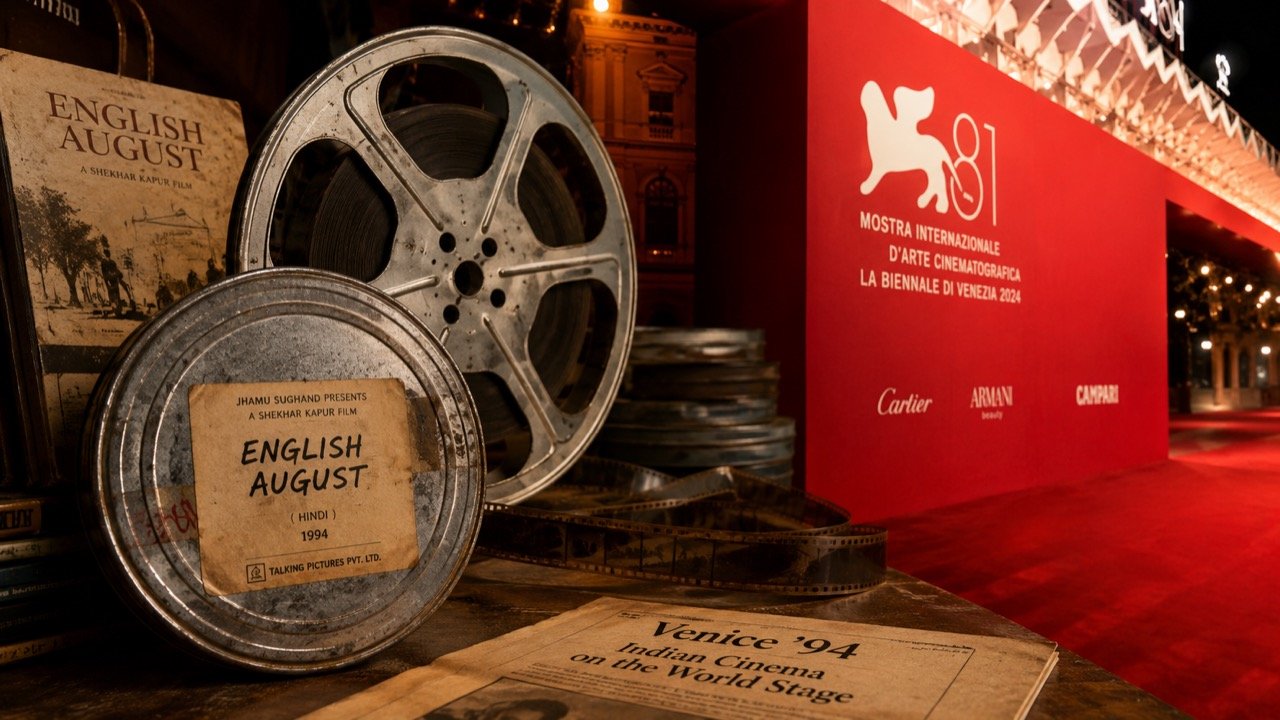
English, August, the film that made Rahul Bose a face of Indian independent cinema in the 1990s, is back in the spotlight. Reports indicate the restored version of the film is headed for a premiere at the Venice Film Festival, handing one of India's most distinctive English-language titles a rare second act on the world stage. For a film that has spent decades as a cult reference point rather than a widely screened classic, the news is significant less for what it changes overnight and more for what it signals about how Indian cinema is beginning to treat its own back catalogue.
A 1990s classic finds a new platform
Adapted from Upamanyu Chatterjee's celebrated novel, English, August helped define the tone of urban, literary Indian screen storytelling long before today's independent-film ecosystem took shape. The novel itself was already a landmark of English-language Indian fiction, capturing the alienation and dark comedy of a young civil servant posted to rural India, and the film adaptation translated that sensibility onto screen at a time when Indian cinema was still overwhelmingly dominated by mainstream commercial output. Its return in restored form places it in a select category: an Indian film whose afterlife is now generating as much conversation as its original release did. Few Indian titles from that era can claim that kind of durability, and fewer still get the chance to prove it on an international stage as prominent as Venice.
Why the Venice premiere matters
Restoration stories usually circulate among cinephiles, archivists and festival programmers, rarely breaking into wider public conversation. This one carries broader interest precisely because of who is attached to it. Bose remains closely identified with the film, and his continued visibility in Indian cinema and public life means the restoration is not simply an archival footnote but a story with a recognisable face at its centre. Venice, as one of the world's oldest and most prestigious film festivals, offers exactly the kind of international setting that can turn an archival project into a live cultural headline rather than a quiet preservation exercise confined to specialist circles.
The choice of platform matters too. A premiere at a festival of Venice's stature places English, August alongside new international cinema, inviting comparisons and critical attention that a straightforward re-release on a streaming platform would not generate in the same way. It signals that the restoration is being positioned not as nostalgia programming but as a legitimate cinematic event, deserving of the same critical seriousness as a new work.
What this means for younger audiences
For younger viewers, many of whom will have no memory of the film's original release, the premiere is less about nostalgia and more about discovering a work that shaped a whole strand of Indian cinema. English, August predates the current wave of Indian independent and streaming-driven storytelling by decades, and its themes of bureaucratic absurdity, urban-rural dislocation and English-educated Indian identity remain strikingly relevant to contemporary conversations about class and language in India. A restored, festival-premiered version gives this generation a chance to encounter the film not as an old curiosity but as a text that anticipated much of what came after it.
This matters because cultural memory in Indian cinema has often been fragmented. Prints degrade, distribution rights lapse, and many significant films from earlier decades simply become difficult to access, surviving mostly as reputation rather than as viewable work. When a title like this resurfaces in restored, high-profile form, it does more than entertain; it repairs a gap in the historical record that younger audiences and future filmmakers can draw on.
Part of a wider pattern of rediscovery
The development also fits a wider pattern: older Indian films are increasingly being reintroduced through restoration, festival programming and streaming-era rediscovery, extending their lives well beyond the first commercial run. This is not an isolated event but part of a broader shift in how film industries, archives and cultural institutions think about their older catalogues. Where once a film's commercial life effectively ended after its theatrical run and perhaps a television broadcast or two, restoration and festival circuits now offer a second and sometimes even more prestigious life. The English, August restoration should be read against this backdrop, as one data point in a slowly building trend rather than a standalone curiosity.
This pattern also raises questions about which films get chosen for restoration and why. Access to restoration funding, technical expertise and festival relationships is not evenly distributed, and titles with an established reputation, a recognisable star, or existing critical goodwill are naturally more likely to be prioritised. English, August, with its literary pedigree and Bose's continued prominence, fits that profile closely, which is part of why this particular revival has been possible.
The NE Times View
The Venice premiere of a restored English, August is a reminder that film preservation is not a museum exercise but a living part of India's cultural economy. When archives, festivals and digital audiences align around a strong title, a forgotten classic can become news again, and that should push Indian studios and institutions to treat restoration as strategy, not charity. Too often, preservation is framed as a cost centre, an obligation undertaken reluctantly rather than an investment with genuine returns in visibility, prestige and audience-building. This premiere argues otherwise.
India's cinematic memory is an asset; this is what it looks like when someone invests in it. A single restoration, well placed at a festival like Venice, can generate more attention, critical reassessment and audience curiosity than years of the film simply existing in obscurity. More such revivals would give younger audiences a deeper map of where Indian storytelling comes from, connecting today's independent film movement to the works that quietly laid its foundations decades earlier. If English, August's second act at Venice proves as resonant as its first release, it should serve as a template, not an exception, for how Indian institutions treat their cinematic past.
Key takeaways
- The restored version of English, August, adapted from Upamanyu Chatterjee's novel and starring Rahul Bose, is reportedly headed for a premiere at the Venice Film Festival.
- The film helped define urban, literary Indian screen storytelling in the 1990s, well before today's independent-film ecosystem existed.
- A high-profile international premiere gives the restoration the standing of a cultural event rather than a niche archival exercise.
- The revival offers younger audiences a chance to discover a work that shaped Indian cinema, rather than simply encountering it as nostalgia.
- The premiere reflects a broader trend of restoration and festival programming extending the lives of older Indian films, which The NE Times views as a strategic opportunity for Indian cultural institutions.
You may also like to read
Kireedam Restored Re-Release: Mohanlal Classic Returns in July
Mohanlal's landmark film Kireedam is set to return to theatres in restored form this July, reinforcing India's growing appetite for classic cinema presented with upgraded picture and sound.

Khatron Ke Khiladi 15: Everything You Need to Know Before the July Premiere
After an unusually long wait, television’s most feared reality franchise is finally strapping back in.

Mardaani 3 World TV Premiere Widens Rani Mukerji Thriller's Reach
Mardaani 3 is heading to a world television premiere, giving Rani Mukerji's female-led crime thriller franchise a fresh discovery window with home audiences beyond cinemas and paid streaming.

'House of the Dragon' Returns June 21 With Its Longest, Bloodiest Premiere Yet
HBO's Targaryen civil war escalates into full-scale dragon warfare as 'House of the Dragon' Season 3 sets a 21 June launch, opening with a feature-length episode and an eight-week march to the finale.
More from this section
More
72nd National Film Awards: Fans Back Mammootty, Allu Arjun, Sai Pallavi
Speculation around the 72nd National Film Awards is intensifying as fan communities across India's language film industries champion favourites including Mammootty, Allu Arjun and Sai Pallavi ahead of any official announcement.
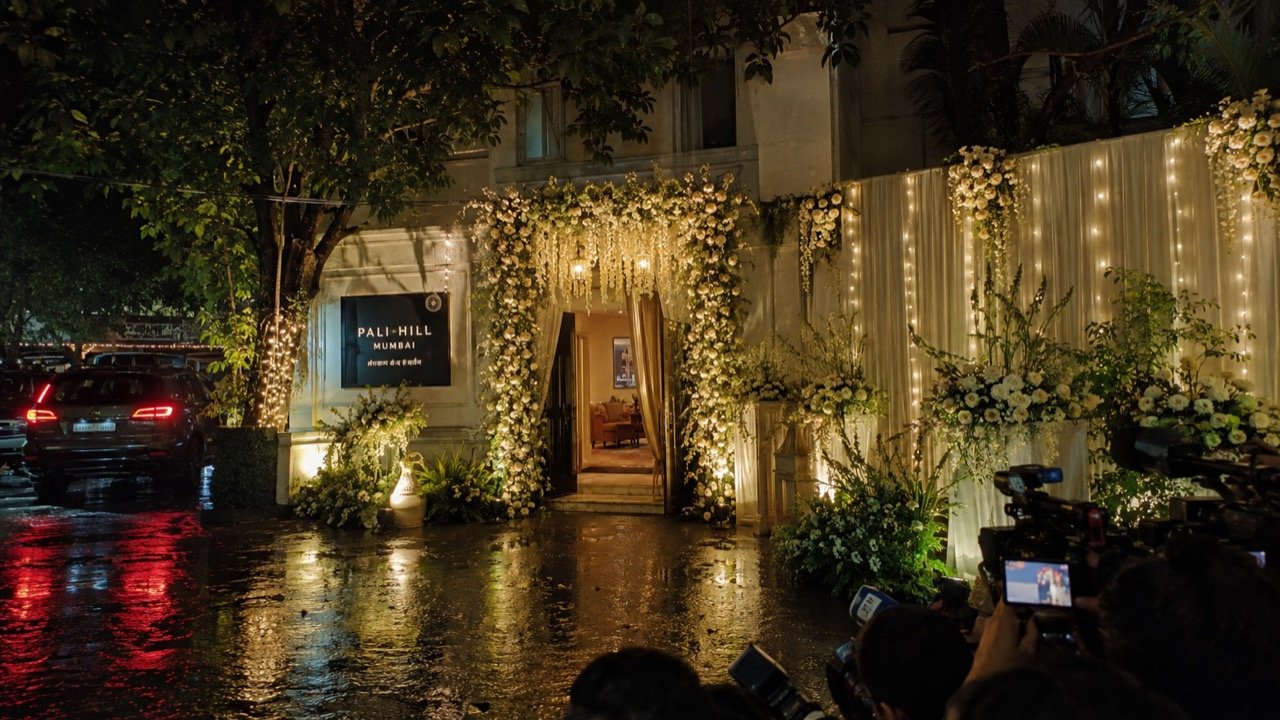
Aamir Khan Marries Gauri Spratt in Private Pali Hill Ceremony
Aamir Khan and Gauri Spratt tied the knot at the actor's Pali Hill home in Mumbai on July 5, turning a deliberately small family ceremony into Bollywood's biggest story of the day.

Akanksha Chamola's Lock Upp 2 Confession Sets Reality TV Abuzz
A personal revelation by Akanksha Chamola ahead of Lock Upp 2 has handed the reality show a viral talking point, underlining how confession-driven formats continue to dominate Indian television conversation.