Kinnaur Bridge Collapse Sends Truck Into River as Driver Survives
A temporary bridge in Himachal Pradesh's Kinnaur district gave way under a crossing truck, plunging the vehicle into the river below, yet the driver escaped, averting a fatal mountain tragedy.
Commentary & Analysis ·
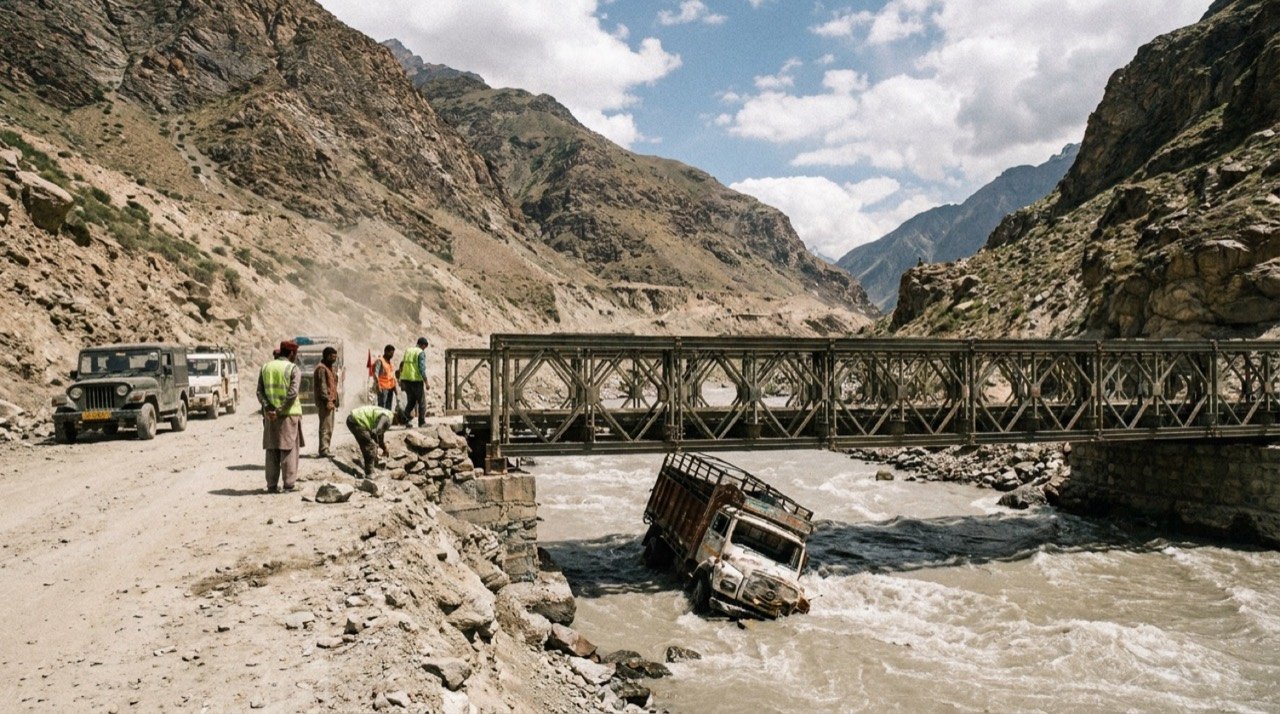
A temporary bridge in Himachal Pradesh's Kinnaur district collapsed while a truck was crossing it, sending the vehicle tumbling into the river below. In an outcome that officials and local reports described with relief, the driver survived, sparing the incident from becoming yet another fatal tragedy in the fragile mountain terrain that defines this Himalayan district. The bare facts of the episode are simple enough, but they open onto a much larger and more uncomfortable set of questions about how India's hill states manage the temporary infrastructure on which entire communities depend.
What happened
The structure gave way under the weight of the moving truck, and dramatic visuals of the vehicle plunging into the water spread quickly across local and national media. That the driver escaped serious harm was widely seen as a stroke of fortune, given the steep gradients and fast-moving river channels common across Kinnaur. Falls of this kind, in terrain where riverbanks are often sheer and currents are swift even outside the monsoon, carry an obvious risk of death; the driver's survival is the single reason this event is being discussed as a near-miss rather than mourned as a fatality.
The collapse nevertheless raises sharp questions about how temporary bridges are maintained, how load limits are enforced, and whether route-safety warnings reached those using the crossing. A bridge does not fail under the weight of a single truck without some prior weakening, whether from age, from the cumulative stress of heavier-than-intended traffic, from weather damage, or from simple neglect of scheduled inspection. Each of these possibilities points to a different institutional failure, and each deserves to be examined rather than allowed to fade once the relief over the driver's survival subsides.
Why Kinnaur's roads matter
Kinnaur's roads are lifelines. They carry residents to work and school, move workers and material for hydropower projects, ferry the district's prized apple harvest to markets, and support logistics in a strategically important border belt. This is not a district where a road closure is a minor inconvenience to be absorbed by alternative routes; in much of Kinnaur there simply are no alternative routes, and a single failed crossing can sever a community from markets, medical care, schooling and administration for days or weeks at a stretch.
Any disruption to this network ripples through daily life and the local economy. Apple growers who depend on narrow harvest windows to get perishable produce to buyers cannot absorb a week of detour; hydropower contractors moving heavy equipment on tight schedules cannot easily reroute around a collapsed span; and residents who rely on these roads for everyday movement are left exposed precisely when they can least afford it. The economic and human stakes attached to a single bridge in a district like Kinnaur are therefore disproportionate to the modest scale of the structure itself.
The stress the terrain imposes
These same routes face relentless stress. Landslides, volatile weather and the steady passage of heavy vehicles combine to test infrastructure that is often built or repaired under difficult conditions and tight timelines. Temporary bridges, by their very design, are meant to be interim solutions, put up quickly to restore connectivity after a landslide, flood or structural failure, with the expectation that they will eventually be replaced by permanent, engineered crossings. The trouble across much of the Himalayan belt is that "temporary" often becomes, in practice, indefinite, with provisional structures pressed into years of continuous heavy-vehicle service they were never designed to bear.
This is the underlying tension exposed by the Kinnaur collapse. A crossing rated, whether formally or informally, for a certain load and a certain lifespan does not become safer simply because no failure has occurred yet. Every truck that crosses without incident can create a false sense of security, masking the slow accumulation of wear that eventually produces exactly the kind of sudden failure witnessed here.
The maintenance question
Authorities are now expected to examine the condition of the failed bridge, the traffic restrictions in force at the time, and whether inspections and warnings were adequate. This is the necessary and correct response, but its value will depend entirely on whether the inquiry is thorough and its findings acted upon, rather than treated as a formality once public attention moves on. For mountain districts, the episode is a pointed reminder that temporary structures demand the same vigilance as permanent roads, if not more, given that they are frequently older, less robustly engineered, and subject to less rigorous oversight than fully engineered permanent bridges.
Several distinct strands of vulnerability converge in an incident like this. Maintenance is one: ageing or stressed temporary bridges need regular, documented inspection, not a one-time assessment at the time of installation. Load management is another: enforcing weight limits is critical on improvised crossings, since a single overloaded or oversized vehicle can impose stresses well beyond what the structure was designed to tolerate. Warnings and signage form a third strand, since timely alerts can keep heavy vehicles off risky spans until they are properly assessed or reinforced. Terrain risk compounds all of this, as landslides and volatile weather place additional pressure on Himalayan infrastructure that is already operating close to its limits. And underlying all of these is the basic reality of connectivity: a single failure can cut off communities and supply routes in a district where redundancy in the road network is minimal.
What officials and experts are likely to say
As one road safety expert put it in comments circulating around the incident, temporary infrastructure in the hills needs the same scrutiny as permanent roads, because a near-miss today can be a disaster tomorrow. That warning captures the essential logic of the situation: the driver's survival changes nothing about the underlying structural and administrative failures that allowed the bridge to give way in the first place. With the monsoon season heightening risk across the Himalayas, the Kinnaur collapse is likely to renew calls for stronger inspection regimes and clearer load controls, not only in this district but across the wider Himalayan road network where similar temporary structures remain in long-term use.
What happens next will be telling. Will the inquiry into this specific bridge produce concrete findings on its age, its rated capacity and the traffic that was actually permitted to cross it? Will those findings be generalised into a wider audit of temporary bridges across Kinnaur and neighbouring districts, or will attention lapse once the immediate news cycle passes? The pattern in much of the hill states has, in the past, tended toward the latter, with structural failures prompting brief bursts of scrutiny that fade once no lives are lost. The driver's survival here, ironically, may make it easier for authorities to treat this as a story with a happy ending rather than a systemic warning.
The NE Times View
That the driver survived is fortune, not vindication. A temporary bridge buckling under a single truck points to the chronic gap between Himalayan infrastructure and the loads it bears. In a region where bridges are lifelines, not conveniences, load-testing and maintenance are matters of survival. The relief over one escape should not eclipse the obvious: provisional structures left in permanent service are accidents waiting for a less lucky driver. Mountain connectivity demands engineering, not improvisation.
The real test of whether Kinnaur's authorities have absorbed the lesson of this collapse will not be found in the statements issued this week, but in whether temporary bridges across the district are subjected to systematic, documented inspection and enforced load limits in the months that follow. Anything short of that risks reducing this incident to a story quickly forgotten, until the next crossing fails, this time perhaps without a survivor to soften the outcome.
Key takeaways
- A temporary bridge in Kinnaur, Himachal Pradesh, collapsed under a moving truck, which fell into the river below; the driver survived.
- Kinnaur's roads are essential lifelines for residents, hydropower projects, the apple trade and a strategically important border belt, making any crossing failure disproportionately disruptive.
- The incident highlights systemic risks facing temporary Himalayan infrastructure: ageing structures, weak load enforcement, inadequate warnings and constant pressure from landslides and weather.
- Authorities are expected to investigate the bridge's condition, prior traffic restrictions, and the adequacy of inspections and warnings before the collapse.
- With the monsoon heightening risk across the Himalayas, the episode is likely to renew calls for stronger inspection regimes and clearer load controls on temporary crossings.
You may also like to read
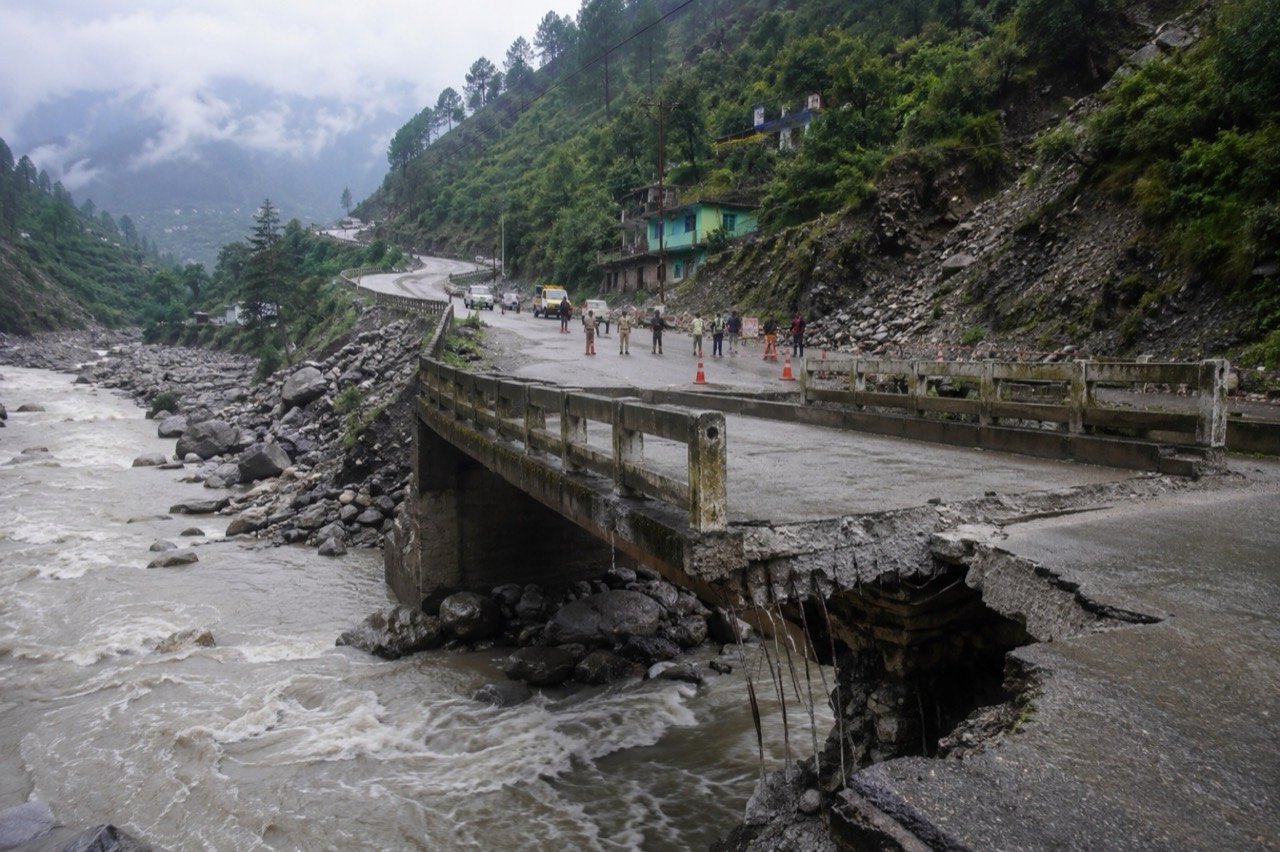
Himachal Bailey Bridge Collapse Sends Truck Into Sutlej, Renewing Hill-Road Safety Fears
A Bailey bridge on National Highway 5 in Himachal's Kinnaur district gave way under a passing truck, plunging it into the Sutlej, with the driver surviving and questions over mountain-road maintenance resurfacing.
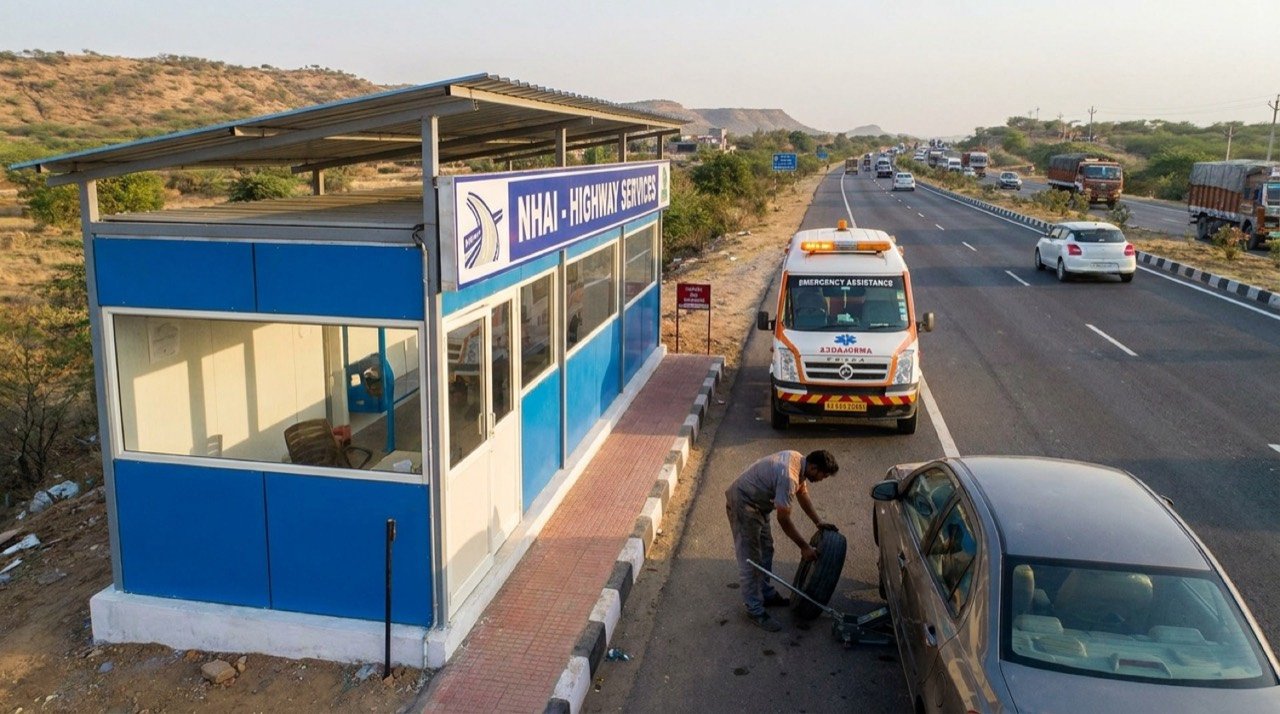
NHAI Plans Puncture and Repair Facilities Along National Highways and Expressways
The National Highways Authority of India is moving to add tyre-puncture support, basic vehicle repair and emergency services along highways, aiming to cut breakdown delays and improve road safety.
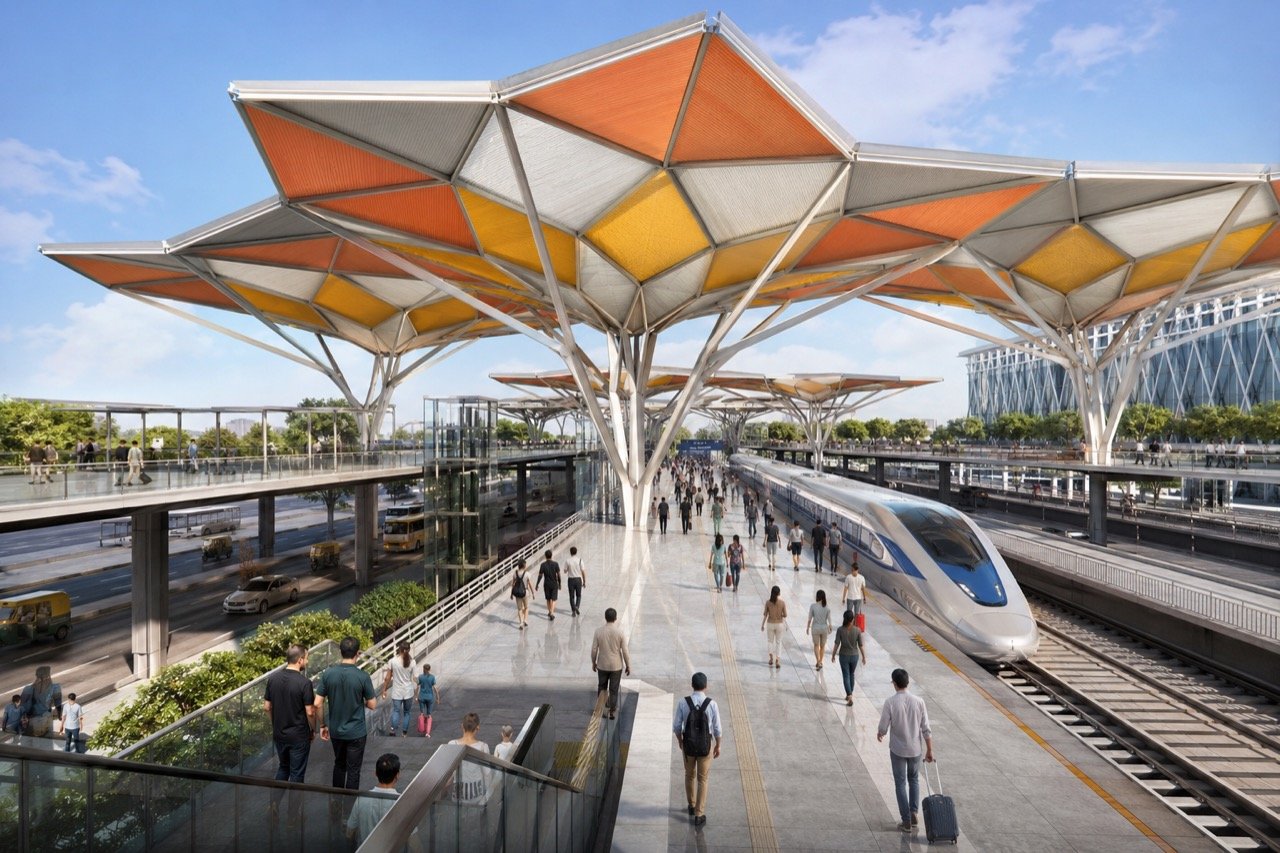
Ahmedabad Bullet Train Station Gets Kite-Inspired Multimodal Hub Plan
Ahmedabad's bullet train station is set to be developed as a multimodal transport hub with a kite-inspired design, giving India's high-speed rail project a distinctive urban landmark rooted in local identity.
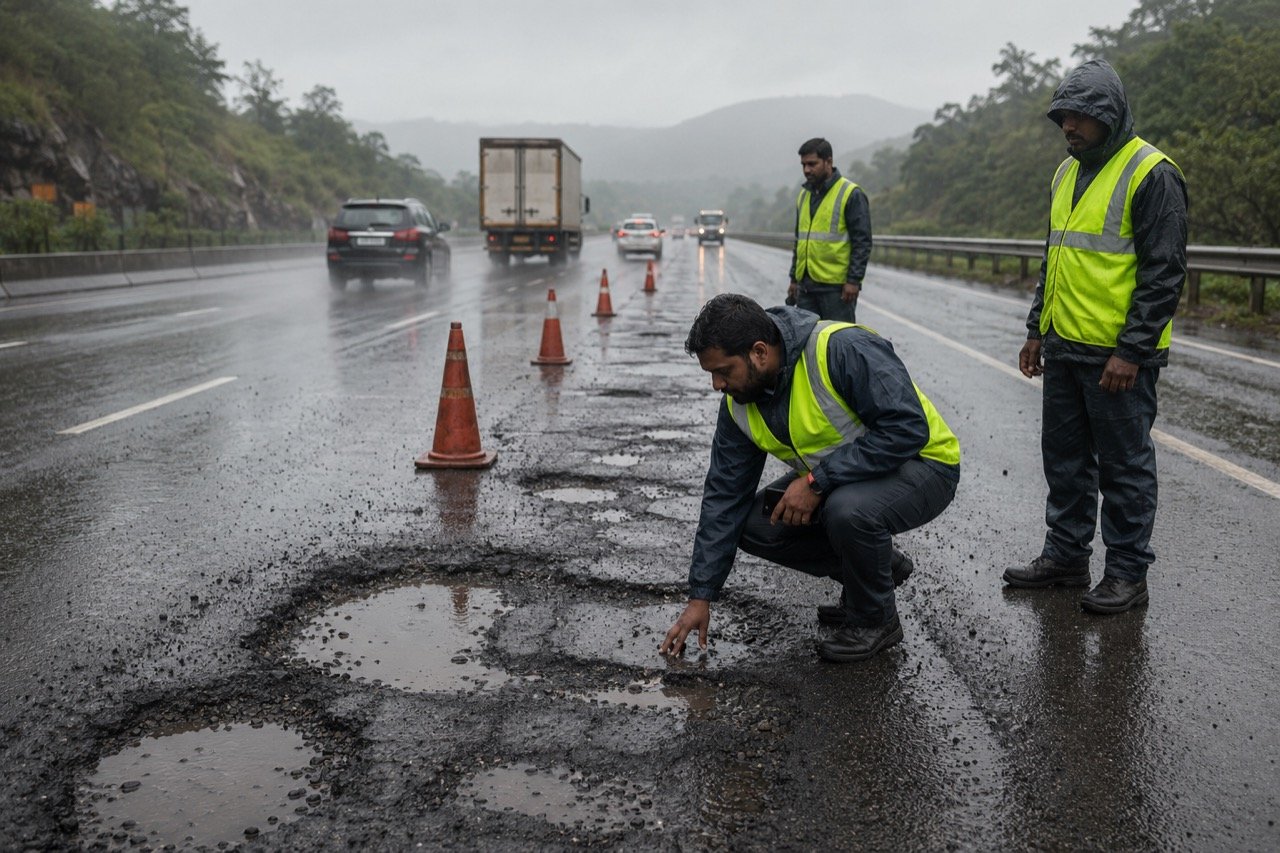
Expressway Pothole Row Puts Maharashtra Road Upkeep in Spotlight
Chief Minister Devendra Fadnavis' reported claim that the Pune-Mumbai Expressway has only two potholes has escalated a monsoon maintenance complaint into a statewide debate over highway accountability.
More from this section
More
AICTE Industry Fellowship 2026: Rs 1.5 Lakh Scheme Closes July 5
The AICTE Industry Fellowship Programme 2026, which places technical-education faculty inside leading companies on a Rs 1.5 lakh monthly stipend, reached its application deadline on July 5.
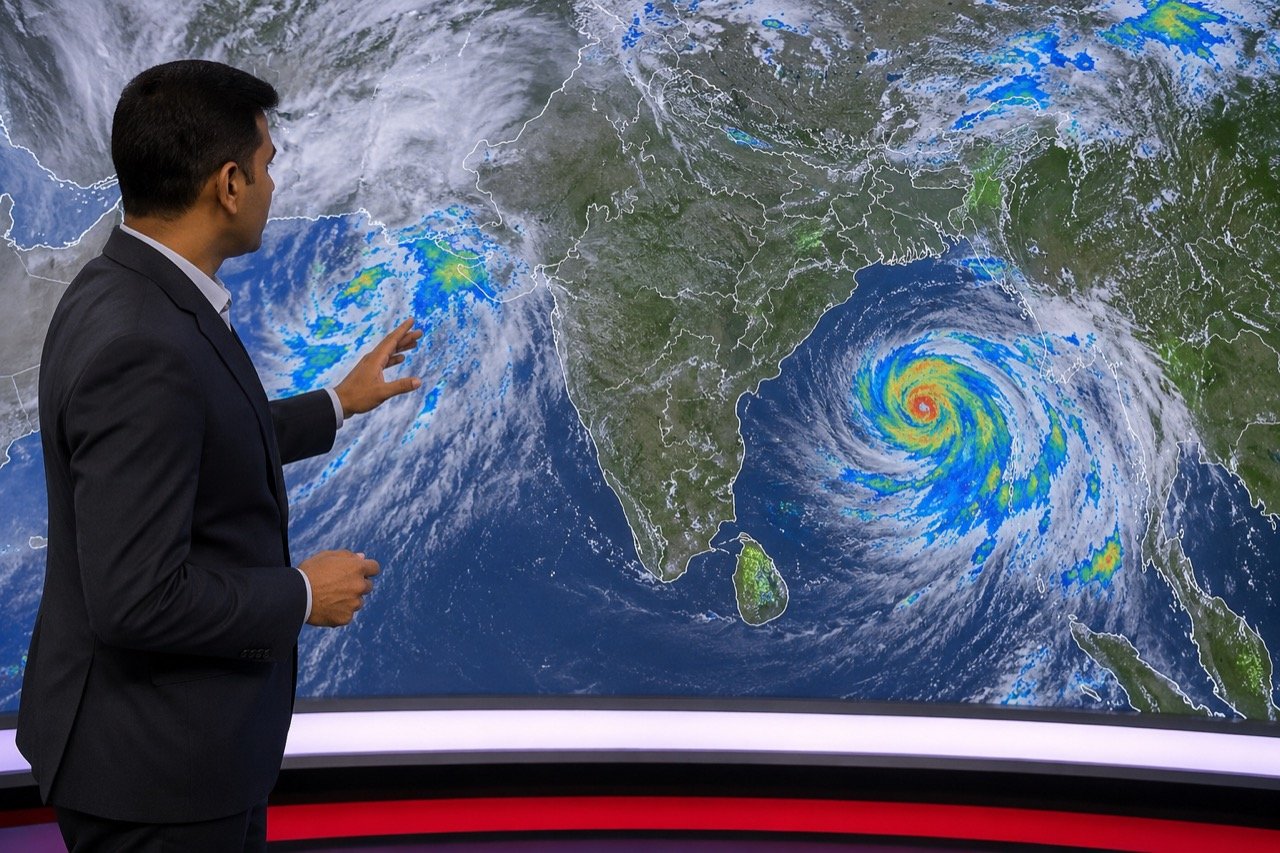
Bay of Bengal Low Pressure System Revives Monsoon Over Western India
A low-pressure system over the Bay of Bengal has pushed the monsoon back into an active phase, bringing steady heavy rain to Kerala, coastal Karnataka and Maharashtra, and putting Mumbai and Pune on preparedness watch.
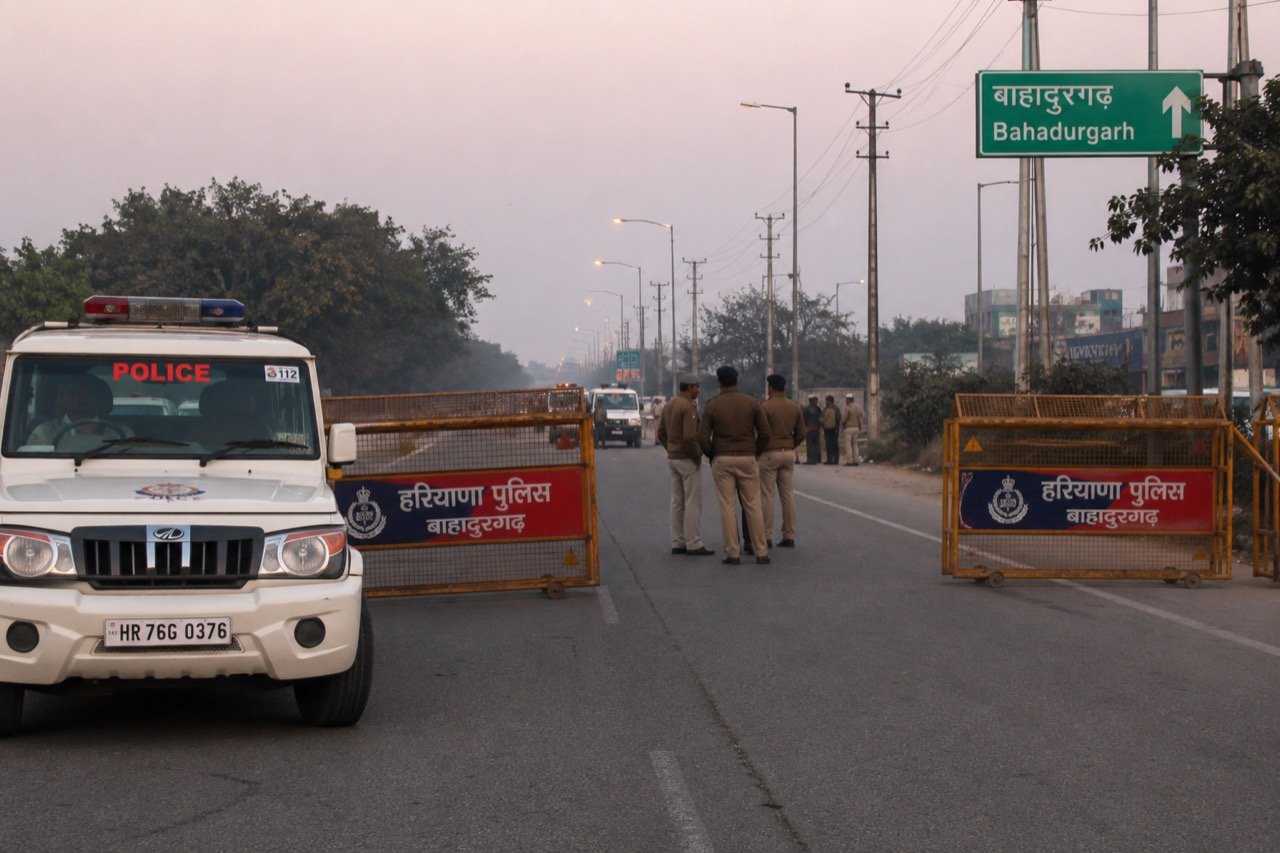
Bishnoi Gang Suspects Injured in Haryana Encounter as Police Tighten Net
A joint Haryana-Delhi Police operation in Bahadurgarh left two suspected Lawrence Bishnoi gang members injured, spotlighting the multi-state coordination now central to India's fight against organised crime networks.