Karnataka BJP Reviews MLC Cross-Voting as Leadership Questions Grow
The Karnataka BJP has moved into damage control after reported cross-voting in Legislative Council polls, with leaders weighing accountability, party discipline and the cohesion of the state unit.
Commentary & Analysis ·
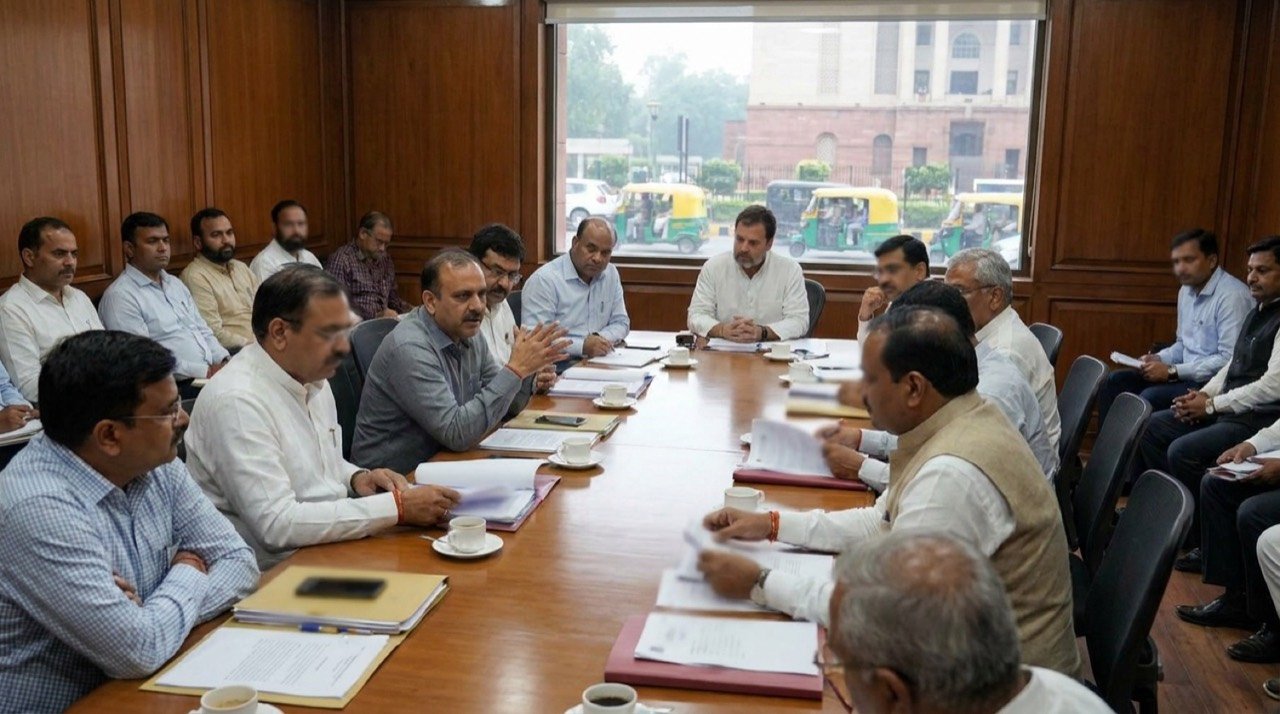
The Karnataka BJP has moved into damage-control mode after reported cross-voting in the Legislative Council elections triggered uncomfortable questions within the party. Senior leaders were expected to review the episode, examine where accountability lies and assess what it means for the cohesion of the state unit. On the surface, this looks like a routine internal matter confined to a handful of Council seats. In practice, it has become a test of whether the state unit can still enforce discipline on its own members, at a moment when every signal of organisational strength or weakness is being read closely by rivals and by the party's own cadre.
Why cross-voting stings
In an indirect election decided by a relatively small pool of legislators, every vote is visible in its effect even when the ballot is secret. Cross-voting, where members defy the party line, is therefore read as a barometer of internal health, and rarely a flattering one. Because the electorate for an MLC contest is so small, arithmetic that ought to be entirely predictable can be upended by even a few defections, and those defections are noticed immediately once results are declared. Analysts say it typically signals factional strain, weak floor management or simmering dissatisfaction with local leadership, none of which a party wants exposed in the run-up to bigger contests. Unlike a general election, where a poor result can be attributed to broader public mood, a Council poll turns the spotlight inward: the pool of voters is the party's own elected representatives, so any slippage cannot be blamed on the electorate at large. It has to be explained in terms of the party's own management, or mismanagement, of its people.
This is precisely what makes the episode uncomfortable for the Karnataka BJP. A cross-vote in these circumstances is not simply a lost seat or a numerical setback; it is evidence, however partial, that the chain of command between the state leadership and its own legislators is not functioning as it should. For a party that prides itself on organisational discipline, that is a reputational problem as much as an electoral one.
The discipline test
For the BJP in Karnataka, the immediate challenge is to demonstrate discipline and command over its flock without allowing the review itself to harden into a public split. How firmly leaders act, and against whom, will shape perceptions of authority within the unit. This is a delicate balancing act. A heavy hand risks alienating influential figures, particularly if the individuals suspected of cross-voting have their own local bases of support or long-standing grievances that predate this particular episode. Disciplinary action taken too aggressively could be seen as settling scores rather than restoring order, deepening exactly the factional divide the review is meant to heal.
Equally, too soft a response risks signalling that defiance carries no cost. If the review concludes without any visible consequence, other members considering similar acts of defiance in future intra-party contests may conclude that the party's red lines are negotiable. The party must thread that needle while keeping its ranks intact, which is why the tenor of the review, not just its eventual findings, matters so much. Both the substance of any punitive action and the manner in which it is communicated will be scrutinised by cadre and observers alike.
Reading the signal beneath the vote
Cross-voting is rarely, on its own, a dramatic event. What gives it weight is what it reveals about conditions inside a party that are usually kept out of public view. A functioning state unit with clear lines of authority and satisfied local leaders should, in theory, be able to secure near-unanimous compliance from its own legislators in a contest of this kind. When that does not happen, it points to one of several underlying issues: unresolved factional rivalries, uneven attention from state leadership to sections of the legislative party, or floor managers who failed to secure commitments before the vote was cast. Each of these explanations carries different implications for how the party should respond, which is presumably why the review has been framed broadly enough to examine both individual accountability and structural cohesion.
It is worth noting that this kind of episode tends to matter most not for what it changes immediately, but for what it exposes about trends that may already have been building. A single instance of cross-voting can be dismissed as an aberration; a pattern, or even the credible suspicion of one, invites a harder look at whether the state unit's internal management has been slipping for some time.
What the review could change
The outcome may ripple beyond a single set of council seats. It could influence state-level strategy, recalibrate leadership equations and set the tone for how the organisation manages dissent ahead of future elections. If the review results in visible action against those found responsible, it would signal to the wider cadre that the state leadership retains the authority to enforce discipline, an important marker for a party heading into more competitive contests. If, on the other hand, the review is seen to conclude without clear consequences, it risks being read as an admission that internal control has weakened, an impression that rival parties would be quick to exploit and that could embolden further dissent within the ranks.
There is also a longer-term dimension. How this episode is handled will feed into perceptions of which leaders within the state unit are seen as capable of commanding loyalty, and which are seen as vulnerable. Those judgments, once formed, tend to shape internal equations well beyond the immediate controversy, influencing everything from ticket distribution to future organisational appointments.
The NE Times View
Cross-voting in a Council poll is less a scandal than a symptom, of a state unit unsure of its leadership and its discipline. The BJP's review will test whether it punishes defectors or papers over the cracks to preserve fragile unity. Either way, the episode signals organisational drift that an opposition party can ill afford ahead of competitive contests. How seriously the leadership treats accountability now will shape its credibility later. A party that wants to be seen as disciplined and battle-ready cannot afford to let an episode like this be forgotten quietly; nor can it afford to let the response become a public spectacle of recrimination. The measured path, quiet but firm accountability, is also the hardest one to execute, which is exactly why how this plays out will be watched so closely.
Key takeaways
- Reported cross-voting in the Karnataka MLC polls has triggered an internal BJP review into accountability and unit cohesion.
- Cross-voting in small-electorate Council contests is widely read as a sign of factional strain or weak floor management rather than a simple electoral setback.
- The party faces a delicate balance: acting firmly enough to deter future defiance without triggering a visible public split.
- The review's findings could reshape state-level strategy and leadership equations ahead of future electoral contests.
- How the BJP handles accountability now will shape perceptions of its discipline and credibility going into more competitive polls.
You may also like to read
TMC Leadership-List Dispute Reaches the Election Commission
A dispute inside the Trinamool Congress over office-bearer lists and organisational authority has reached the Election Commission, raising procedural questions with real stakes for West Bengal politics.
Karnataka Cabinet Approves Praja Seva Department to Speed Up Grievance Redressal
Karnataka's cabinet has cleared a dedicated Praja Seva department, with its own minister and senior IAS oversight, to deliver time-bound, integrated resolution of public grievances across the state.
Bidadi Township Debate Intensifies in Karnataka Over Land and Growth
The proposed Greater Bengaluru Integrated Township near Bidadi has become a political flashpoint, as Shivakumar and Kumaraswamy spar over an open debate and farmers raise land and livelihood concerns.
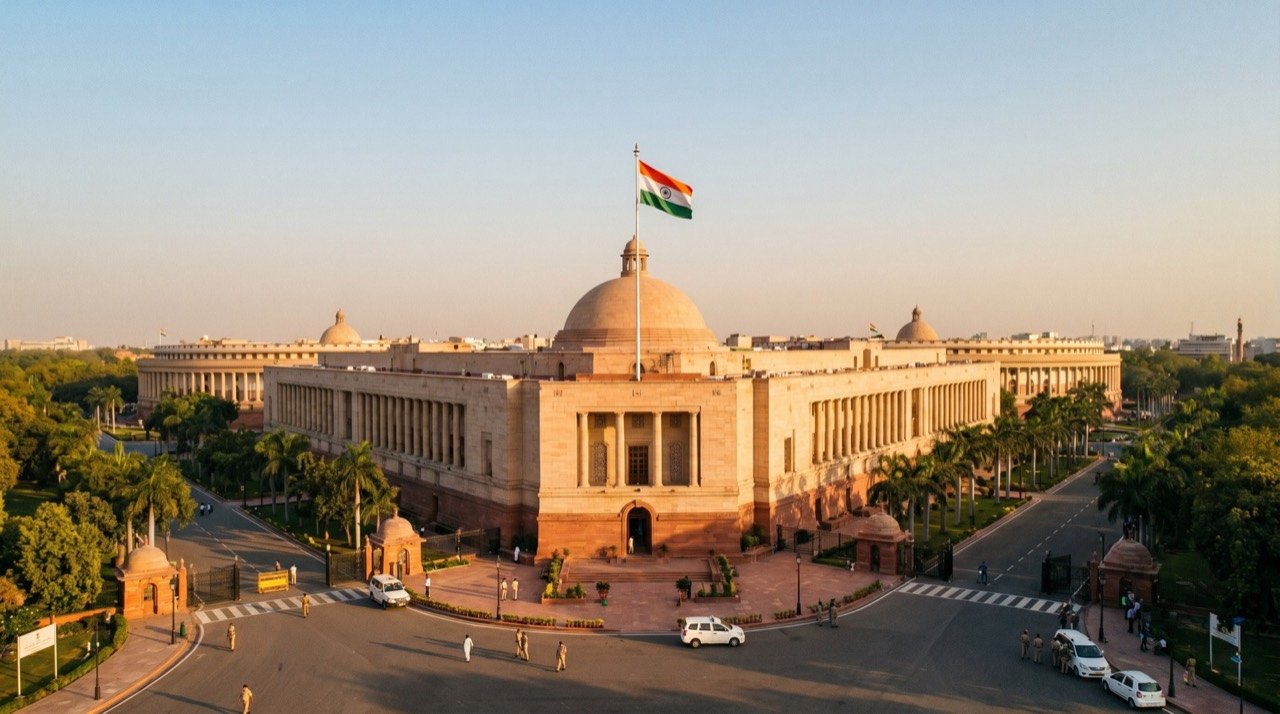
DK Shivakumar Takes Over as Karnataka CM in Long-Anticipated Congress Handover
Karnataka's drawn-out power-sharing saga reached its climax as DK Shivakumar was sworn in as chief minister in early June, with Siddaramaiah accommodated in the Congress Working Committee.
More from this section
More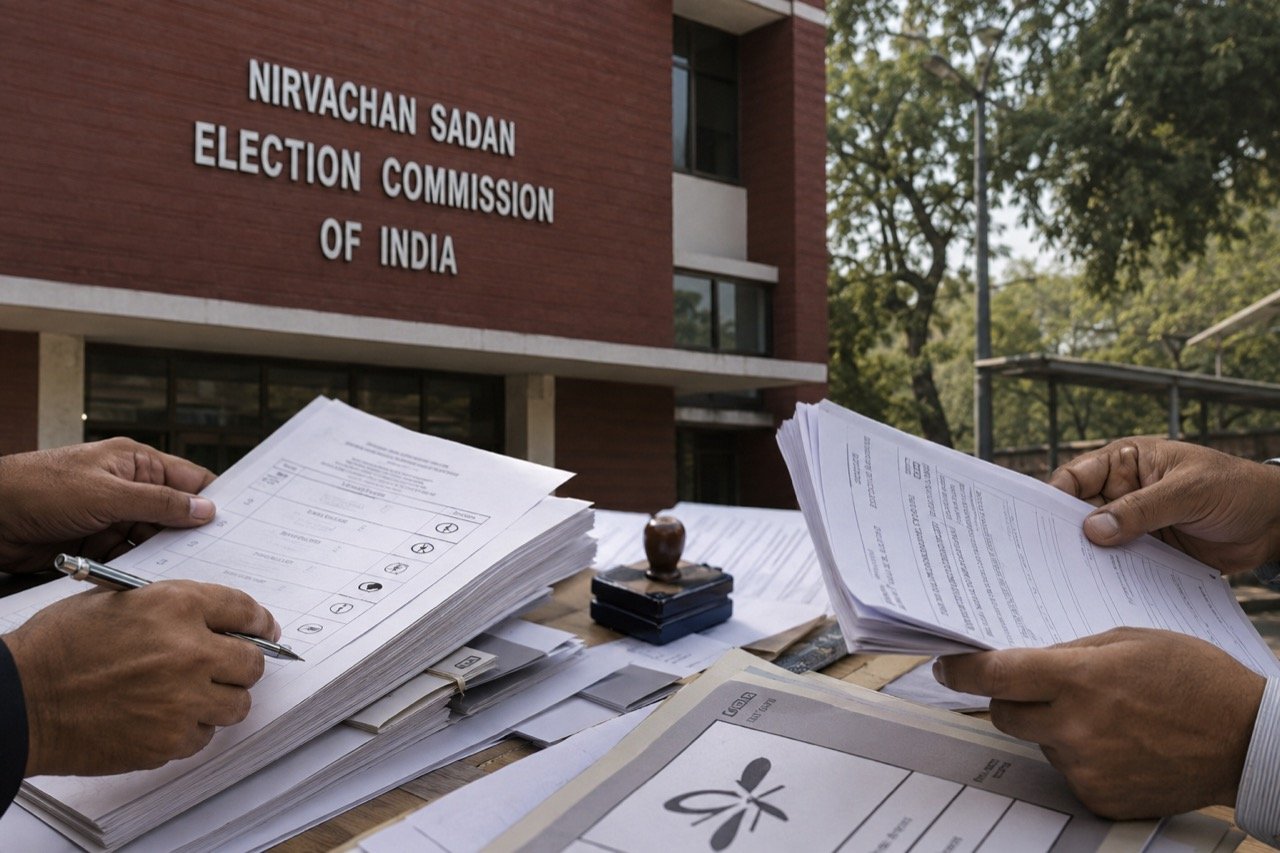
K Kavitha Party Denied TRS Name by Election Commission
The Election Commission has refused to register K Kavitha's Telangana Rakshana Sena under the TRS acronym after objections, forcing a branding reset for the new party at a politically sensitive moment in Telangana.
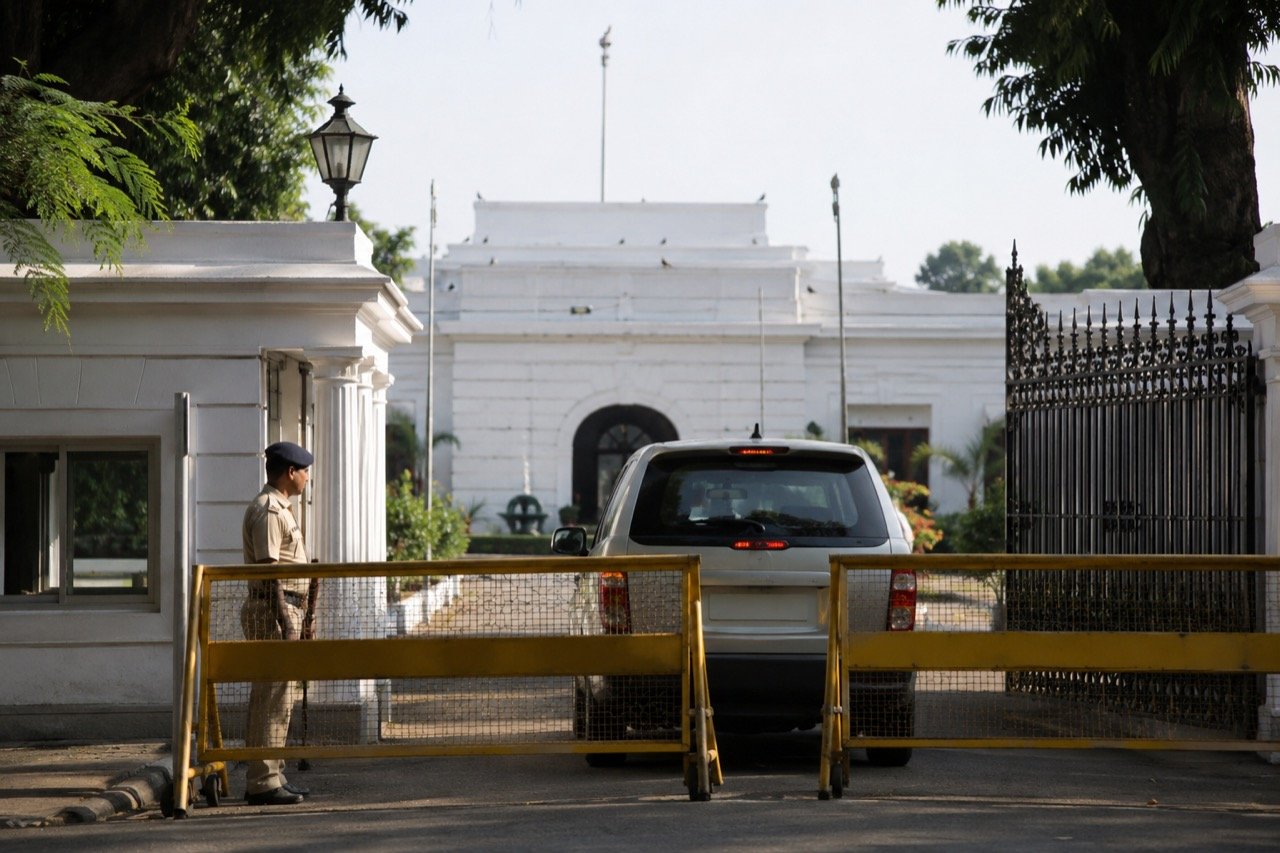
Lalu Prasad Yadav Security Downgrade, Bungalow Order Stir Bihar
A government order downgrading Lalu Prasad Yadav's security cover and asking him to vacate an official bungalow has opened a fresh political flashpoint in Bihar, with the RJD chief's reaction fuelling the row.
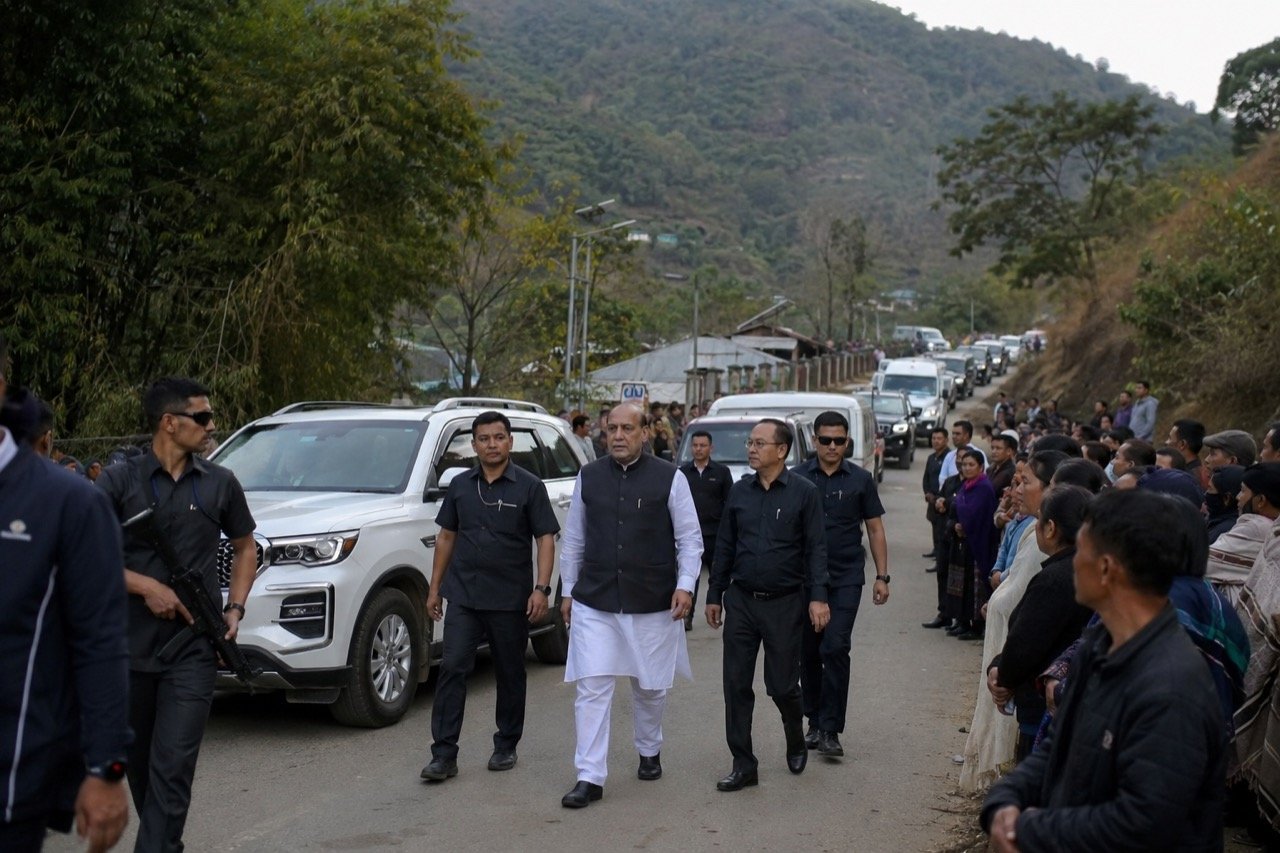
Manipur CM's Churachandpur Visit: First Since 2023 Unrest
The Manipur Chief Minister travelled to Churachandpur for a BJP MLA's funeral, his first visit to the district since the 2023 violence, lending the sombre occasion an unmistakable political significance.