Kajal Aggarwal Confirms Only Ramayana Part One Is Filmed So Far
Kajal Aggarwal's production update on the big-budget Ramayana project confirms that only Part One has been shot, giving audiences a rare firm fact amid constant speculation about India's most ambitious multi-part film.
Commentary & Analysis ·

Kajal Aggarwal has offered a rare piece of hard information about one of Indian cinema's most closely tracked productions. Speaking about the ambitious multi-part Ramayana project, the actor said that only Part One has been filmed so far, Indian Express reported, while also describing her collaboration with Yash in warm terms. In an industry where speculation typically fills the vacuum left by studio silence, a plain factual statement from someone actually attached to the production carries disproportionate weight.
Why a single status update matters
The project has been surrounded by outsized expectations, casting curiosity and near-constant speculation since it was announced. Multi-part films naturally generate uncertainty: audiences want to know what has actually been shot, what remains in production, and how the makers intend to stage their release calendar. Aggarwal's comment gives that conversation a firmer factual base than the usual rumour cycle.
The takeaway for viewers is straightforward. Part One should be treated as the only confirmed filmed unit. Anything concerning later instalments, release strategy or promotional plans will require official confirmation from the makers. This distinction matters because, in the absence of verified updates, fan communities and entertainment media tend to fill gaps with conjecture that can harden into assumed fact simply through repetition.
The information vacuum around big-budget productions
Large-scale Indian film productions of this kind operate on production timelines that stretch across years, involving extensive visual effects work, elaborate sets and scheduling around multiple lead actors' commitments. When a project of this scale is announced well ahead of any footage being shown publicly, the gap between announcement and release becomes fertile ground for rumour. Every casting note, location report or stray remark from a cast member gets amplified into a signal about the project's progress, whether or not that was the intent behind the comment.
Aggarwal's remark, modest as it is, cuts through that noise by establishing one verifiable data point: filming of a single part is complete, and the remainder of the story has not yet been shot. For a production of this ambition, that is a meaningful clarification, since it tempers any assumption that the entire multi-part arc is further along than it is.
Franchise-scale cinema comes to India
The broader industry story is the shift in how Indian studios think about their biggest bets. Multi-film arcs, high-end visual effects and staggered franchise releases demand long production calendars, coordinated marketing and tight control over information flow. This is a departure from the traditional single-film release model that has long dominated Indian commercial cinema, where a production was announced, shot, and released within a comparatively compressed window.
In that environment, even a single actor's production-status remark becomes genuine news, because verified facts about such projects are scarce by design. Studios investing heavily in multi-part narratives have clear commercial incentives to control the flow of information, pacing reveals to sustain interest across what may be a multi-year release cycle. The unintended consequence is that audiences are left to piece together the actual state of a production from fragments, of which Aggarwal's comment is one of the clearer examples so far.
What this means for cast, collaborators and audience expectations
Aggarwal's warm description of her collaboration with Yash also signals something about how the cast is choosing to speak publicly about the project, favouring goodwill and measured statements over specifics on plot, release dates or the scope of remaining work. That approach is consistent with how major franchise productions elsewhere have handled cast-facing publicity, where actors are given latitude to speak about their personal experience on set while the studio retains control over any information touching release strategy or narrative structure.
For audiences invested in the Ramayana project, this means the most reliable information will likely continue to arrive in a similarly incremental fashion: brief, cast-sourced remarks rather than formal studio announcements, at least until the makers choose to communicate more directly about scheduling and scope.
The NE Times View
Aggarwal's candour is a small but telling moment in Indian cinema's franchise era. Studios increasingly manage information the way Hollywood does, through drip-fed teasers and controlled silence, which leaves fans dependent on stray interview remarks for basic facts. That is a risky communication strategy for projects carrying this much cultural weight and capital, particularly one adapting a text as culturally significant as the Ramayana, where public interest and scrutiny will only intensify as the production progresses.
If Indian filmmakers want audiences to commit to multi-year story arcs, they will need to match Hollywood not just in scale and visual effects, but in disciplined, transparent communication about what is actually made and when it will arrive. Relying on cast members to informally confirm basic production milestones is not a sustainable substitute for a clear communication strategy from the studio itself. As the project moves forward, the test will be whether the makers choose to get ahead of the narrative with structured updates, or whether audiences continue to learn about the state of the production one interview remark at a time.
Key takeaways
- Kajal Aggarwal has confirmed that only Part One of the multi-part Ramayana project has been filmed so far, per Indian Express.
- The remark is notable chiefly because verified facts about the production have otherwise been scarce, leaving room for speculation.
- Aggarwal also spoke warmly of her collaboration with Yash, though no further details on plot, release timing or remaining production were shared.
- The episode reflects a broader shift toward Hollywood-style, tightly controlled information flow around India's emerging franchise-scale productions.
- Any updates on later instalments or release strategy will require official confirmation directly from the makers.
You may also like to read
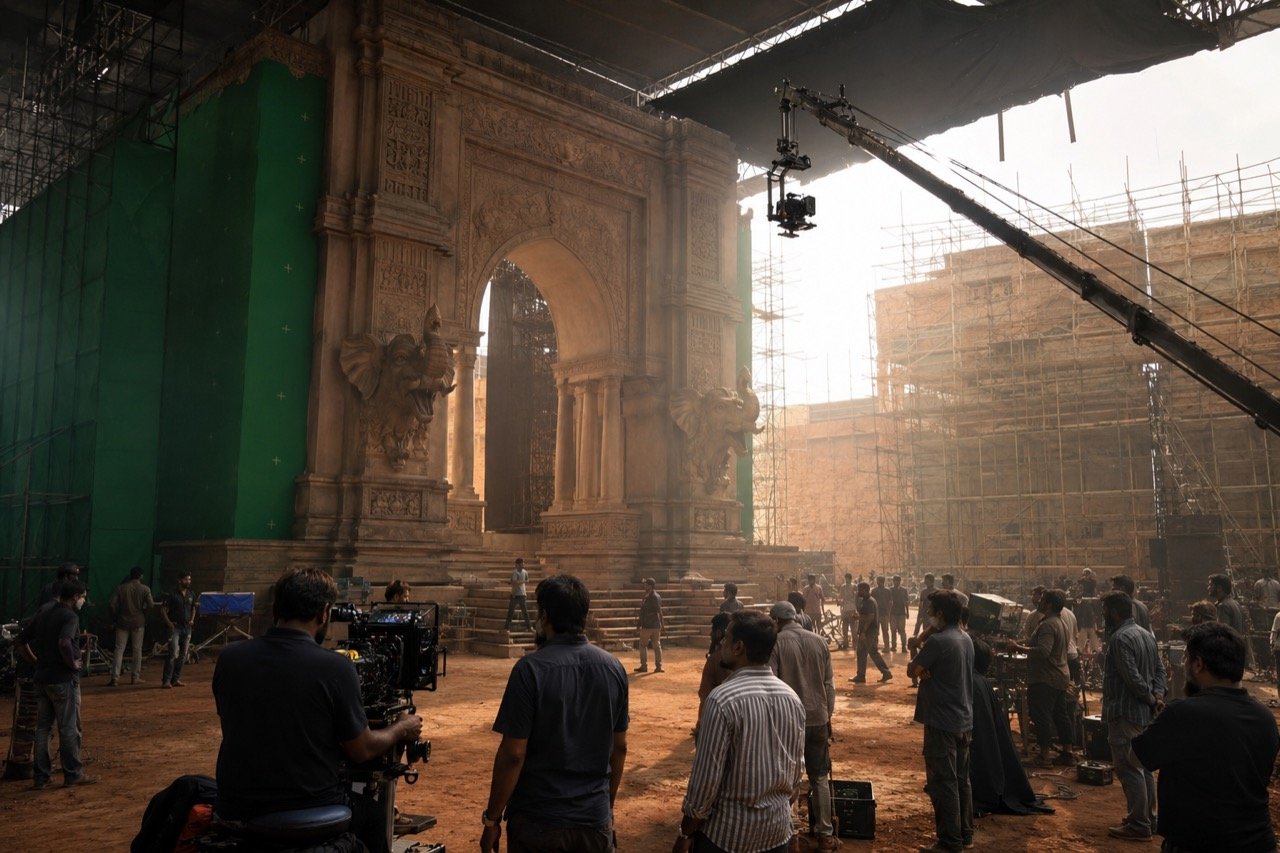
Ramayana Part 1 Filmed So Far, Says Kajal Aggarwal on Yash Epic
Kajal Aggarwal's disclosure that only Part 1 of the multi-part Ramayana has been filmed so far has given fans a rare, grounded status check on one of Indian cinema's most anticipated productions.
Kajal Aggarwal Joins Deepika in Push for Eight-Hour Film Shifts
Kajal Aggarwal has backed Deepika Padukone's demand for eight-hour shooting shifts, revealing similar clauses in her own contracts and reigniting the debate over working conditions across Indian film sets.
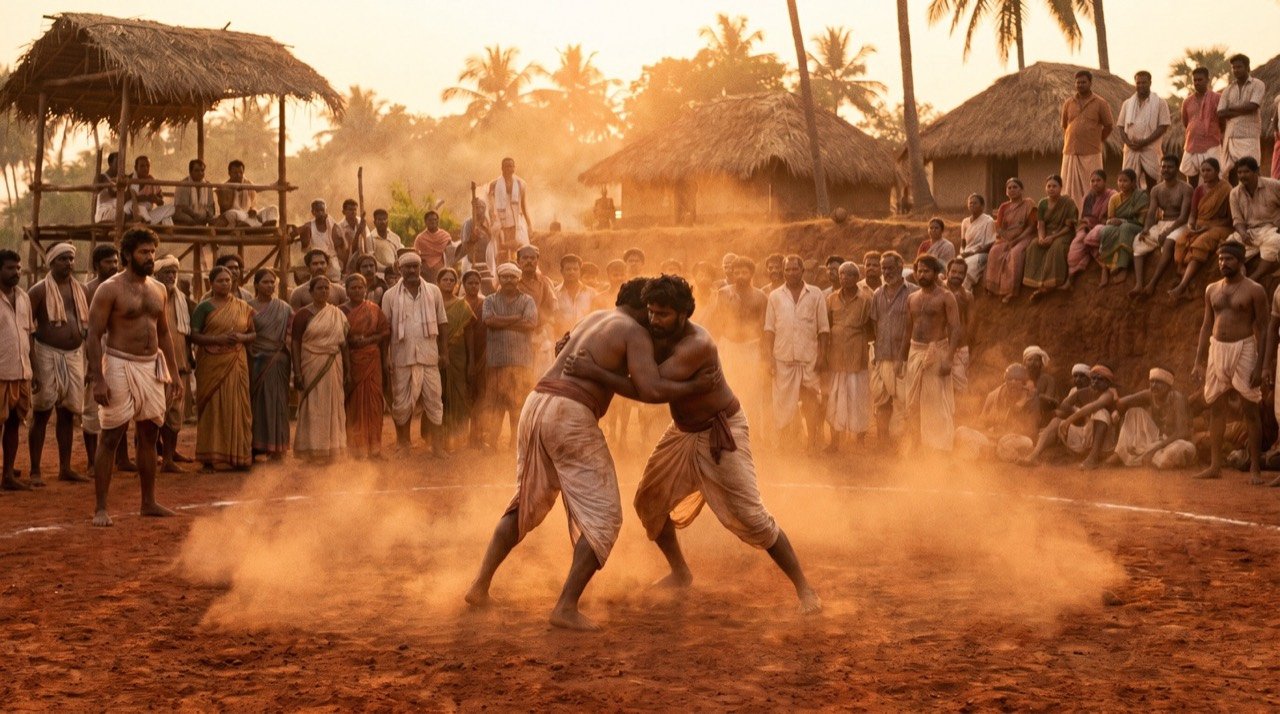
Nitesh Tiwari's 'Ramayana' Marches Towards Diwali 2026 With a Rahman-Zimmer Score and Sky-High Expectations
With Ranbir Kapoor as Lord Rama, Yash as Ravana and a musical collaboration between A.R. Rahman and Hans Zimmer, Nitesh Tiwari's two-part epic is shaping up as the most ambitious gamble in Indian cinema history.
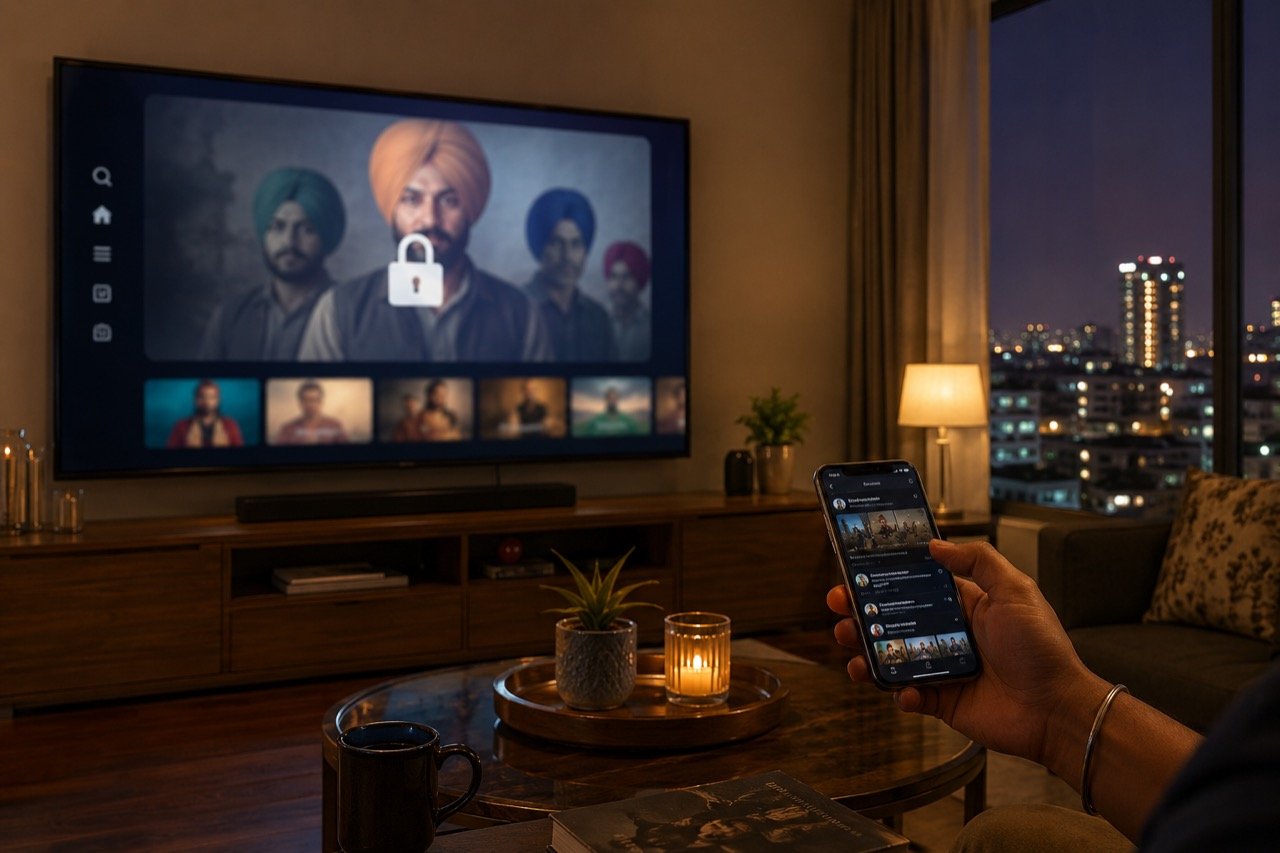
Satluj Paused in India: ZEE5 Statement Turns Release Into Flashpoint
Diljit Dosanjh's Satluj became one of India's most searched entertainment stories after ZEE5 said the film would be unavailable in the country, just days after its streaming debut sparked confusion and fan reaction.
More from this section
More
72nd National Film Awards: Fans Back Mammootty, Allu Arjun, Sai Pallavi
Speculation around the 72nd National Film Awards is intensifying as fan communities across India's language film industries champion favourites including Mammootty, Allu Arjun and Sai Pallavi ahead of any official announcement.
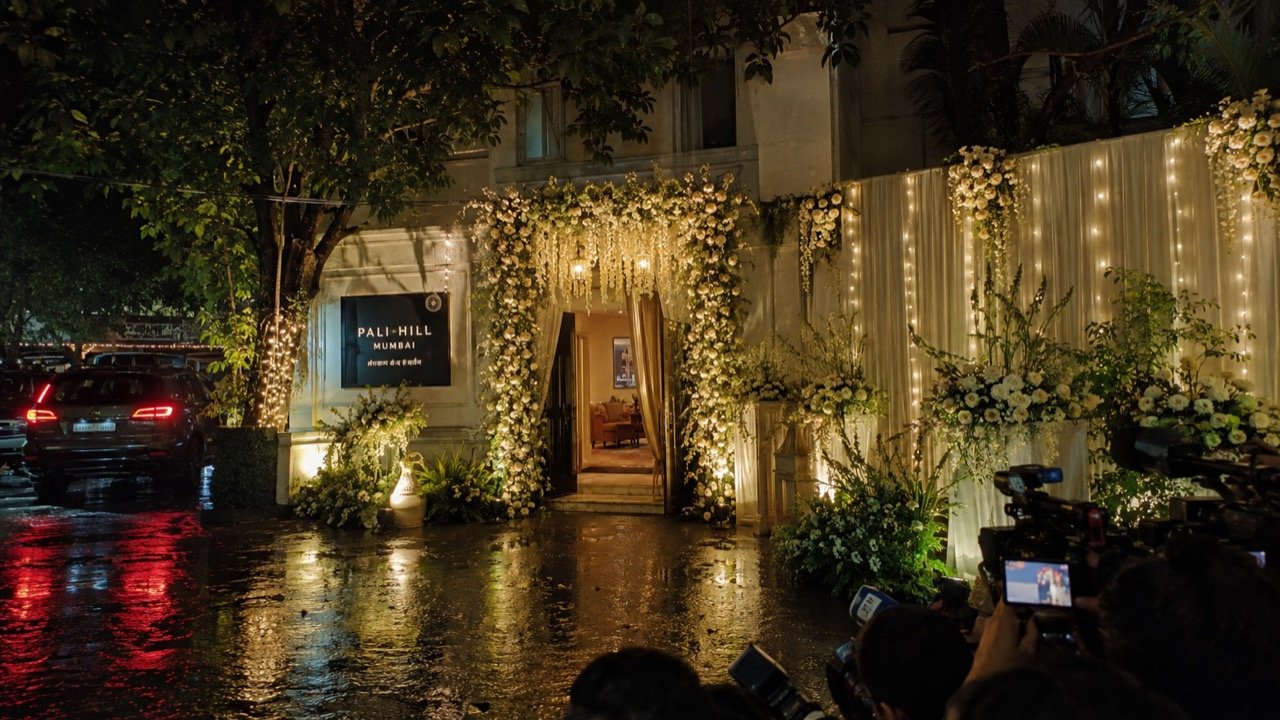
Aamir Khan Marries Gauri Spratt in Private Pali Hill Ceremony
Aamir Khan and Gauri Spratt tied the knot at the actor's Pali Hill home in Mumbai on July 5, turning a deliberately small family ceremony into Bollywood's biggest story of the day.
Akanksha Chamola's Lock Upp 2 Confession Sets Reality TV Abuzz
A personal revelation by Akanksha Chamola ahead of Lock Upp 2 has handed the reality show a viral talking point, underlining how confession-driven formats continue to dominate Indian television conversation.