Jaishankar's Travel Week: West Asia, US and Belgium on One Itinerary
External Affairs Minister S. Jaishankar's reported travel schedule packs West Asia, the United States and Europe into a single diplomatic window, signalling where New Delhi is spending its foreign-policy attention.
Commentary & Analysis ·
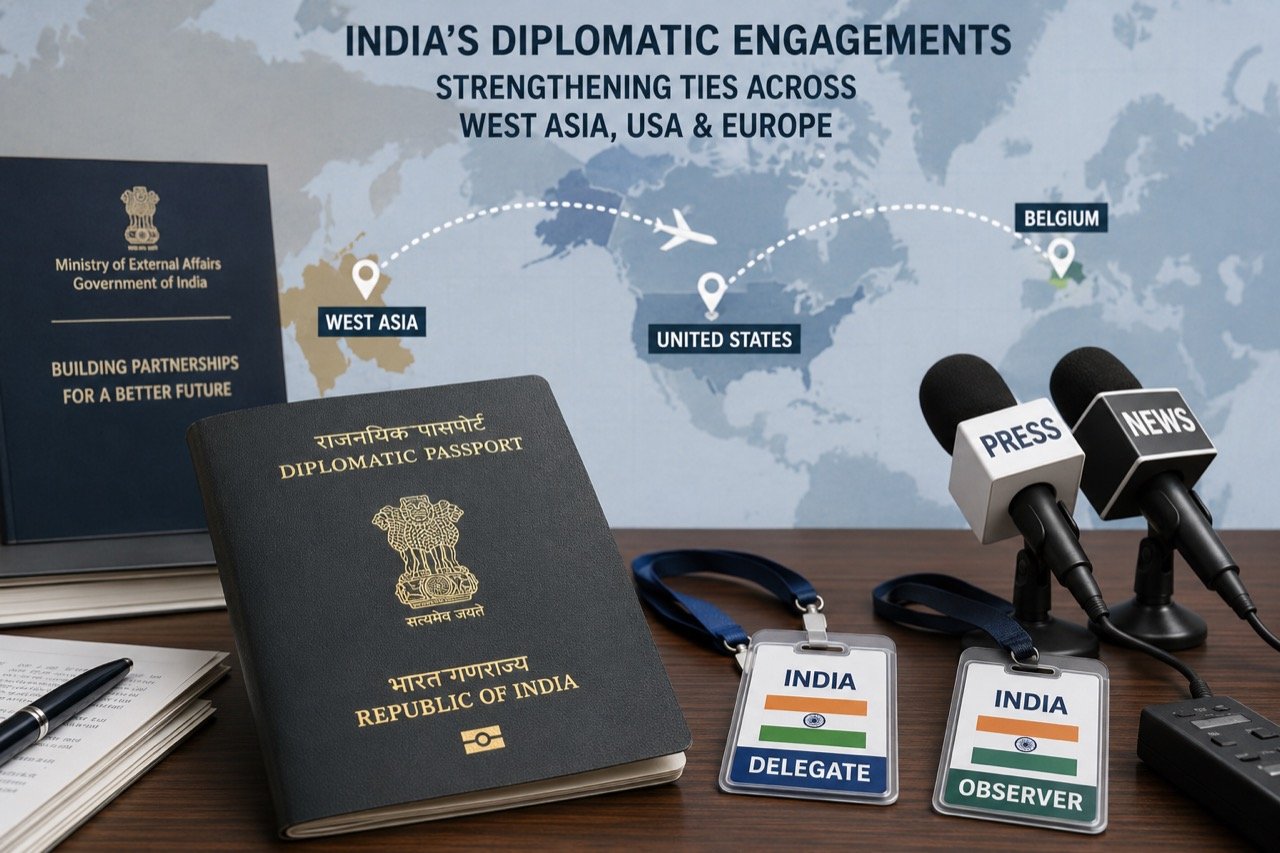
India's foreign-policy calendar is drawing attention as External Affairs Minister S. Jaishankar's reported travel schedule points to multiple strategic conversations compressed into a short window. The itinerary reportedly spans West Asia, the United States and Belgium — three very different relationships bundled into one busy diplomatic frame. On paper, this looks like an ordinary ministerial travel week. In practice, the geography chosen tells its own story about where New Delhi believes its most pressing external interests currently sit, and about the balancing act required to serve all of them at once without any single relationship crowding out the others.
Three legs, three very different stakes
Each leg of the itinerary carries distinct stakes that rarely overlap in substance, even if they overlap in the calendar. West Asia touches India's energy security, diaspora welfare and regional stability — a region from which India draws crude oil and hydrocarbons, and where millions of Indian workers live and remit earnings home. Any instability there has near-immediate consequences for New Delhi, whether through fuel price pressure, disrupted shipping lanes, or the safety of Indian nationals employed across the Gulf. The United States, by contrast, remains central to a different basket of concerns entirely: technology, defence, trade and strategic cooperation. The bilateral relationship with Washington has increasingly become the anchor of India's Indo-Pacific posture and its ambitions on critical and emerging technologies, making any high-level contact there consequential well beyond the specific meetings held. Belgium — and by extension the European Union, given Brussels' role as the seat of EU institutions — frames a third and more specialised relationship, one built around trade and regulatory questions and the increasingly important subject of supply-chain resilience. That a single travel week could touch energy, defence and trade diplomacy simultaneously is itself notable, and reflects the breadth of portfolios that a modern external affairs ministry is expected to manage concurrently.
Why a packed itinerary matters
The value of a high-intensity diplomatic week of this kind is not necessarily found in the meetings themselves, many of which will be procedural, exploratory or simply an occasion to keep channels warm. The real value lies in agenda management — the discipline required to speak to partners with sharply divergent priorities in quick succession while protecting India's own interests on energy, migration, technology access and global governance. Handled well, such a week allows a country to reinforce multiple relationships without allowing contradictions to surface between them; handled poorly, it risks sending mixed signals to partners who each want reassurance that they remain a priority. A minister's travel map is therefore one of the clearest, if most understated, signals available of where a government is allocating its diplomatic attention and bandwidth at a given moment. Diplomatic capacity, after all, is finite: a foreign minister can only be in so many rooms in so many countries in so short a time, and the choice of destinations is itself a form of communication to domestic and international audiences alike.
The multi-vector pattern in Indian diplomacy
This multi-vector pattern has become something of a defining feature of Indian diplomacy in recent years: engaging the Gulf, Washington and Brussels in the same week without letting any one relationship dictate the terms of the others. It reflects a broader strategic posture in which India has sought to avoid being locked into any single axis of alignment, instead cultivating parallel and sometimes competing sets of partners simultaneously. For the Gulf states, this means India can be a stable energy customer and labour destination for its diaspora without being drawn into regional rivalries. For Washington, it means India can deepen technology and defence cooperation while still maintaining independent lines to other power centres. For Brussels, it means trade and regulatory conversations can proceed on their own track, insulated from friction elsewhere. Sustaining this balancing act across three very different capitals within a matter of days is a demanding exercise, and the fact that it is attempted at all speaks to the confidence New Delhi currently places in its ability to manage simultaneous engagements without one undermining another.
Stakeholder perspectives and the limits of itinerary-reading
For each of the partners involved, this week likely means something different. Gulf capitals will be looking for reassurance on energy supply arrangements and continued attention to the welfare and legal protections of resident Indian workers. Washington will be watching for signals on where technology-access and defence-cooperation discussions stand, particularly given how central these themes have become to the bilateral relationship in recent years. Brussels and the wider European Union will be gauging India's appetite for movement on long-running trade negotiations and regulatory alignment, an area where progress has often been slower than either side would prefer. It is worth cautioning, however, against reading too much into travel schedules alone. Itineraries reveal intent and attention, not outcomes. The next meaningful updates on any of these fronts will come not from the fact of travel itself but from joint statements, agreements, crisis consultations, or sector-specific announcements that may follow in the weeks ahead. Until those materialise, this story is best read as a signal of diplomatic intensity and direction rather than as a claim of any immediate, concrete outcome.
The NE Times View
Itinerary diplomacy is easy to over-read, but the sequencing here is nonetheless telling: energy and diaspora interests in West Asia, technology and defence in Washington, trade and regulation in Brussels — together forming a near-complete map of India's external priorities compressed into a single week. The real measure of success will not be the fact of the travel but whether these trips move stalled files, from trade negotiations with the EU to technology access discussions with the United States. Diplomatic weeks such as this one are ultimately judged retrospectively, by whether they produced tangible movement on long-pending issues rather than by the optics of a full travel calendar. For ordinary readers, the takeaway is a reminder of how closely everyday economic life is tied to these quiet diplomatic rounds: fuel prices, job markets abroad, and India's technology ambitions are all, in some measure, quietly shaped by weeks like this one, even when no headline-grabbing announcement emerges immediately.
Key takeaways
- Jaishankar's reported travel schedule spans West Asia, the United States and Belgium, reflecting three distinct sets of Indian strategic interests within a single week.
- West Asia engagement centres on energy security, diaspora welfare and regional stability; the US leg touches technology, defence and trade; Belgium frames trade and regulatory ties with the European Union.
- The significance of such a packed itinerary lies less in individual meetings than in the agenda management required to engage divergent partners without contradiction.
- This multi-vector approach — parallel engagement with the Gulf, Washington and Brussels — has become a defining pattern of Indian diplomacy.
- The real test will be whether these trips produce movement on stalled files, such as EU trade talks or US technology access, rather than the travel itself.
You may also like to read
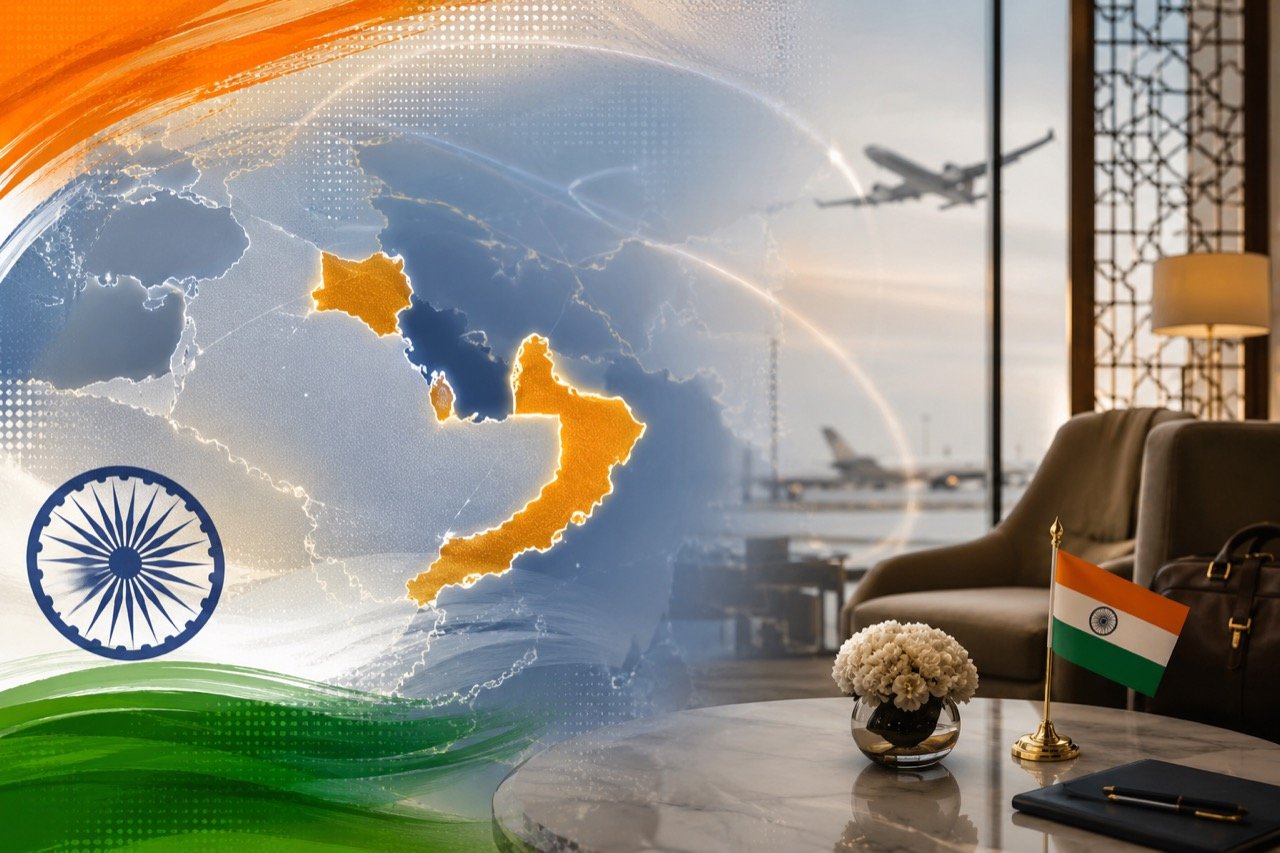
Jaishankar Begins Four-Nation Gulf Tour as India Deepens West Asia Ties
External Affairs Minister S Jaishankar's July 5-10 visit to Qatar, Bahrain, Kuwait and Oman opens a packed diplomatic week, underscoring how central the Gulf has become to India's energy, trade and diaspora interests.

Supreme Court Notes CBSE Policy for West Asia Class 12 Students, Disposes Plea
The Supreme Court closed a Saudi Arabia-based candidate's petition after the Centre cited a fresh CBSE policy to declare Class 12 results for West Asian students whose board exams were cancelled amid regional conflict.
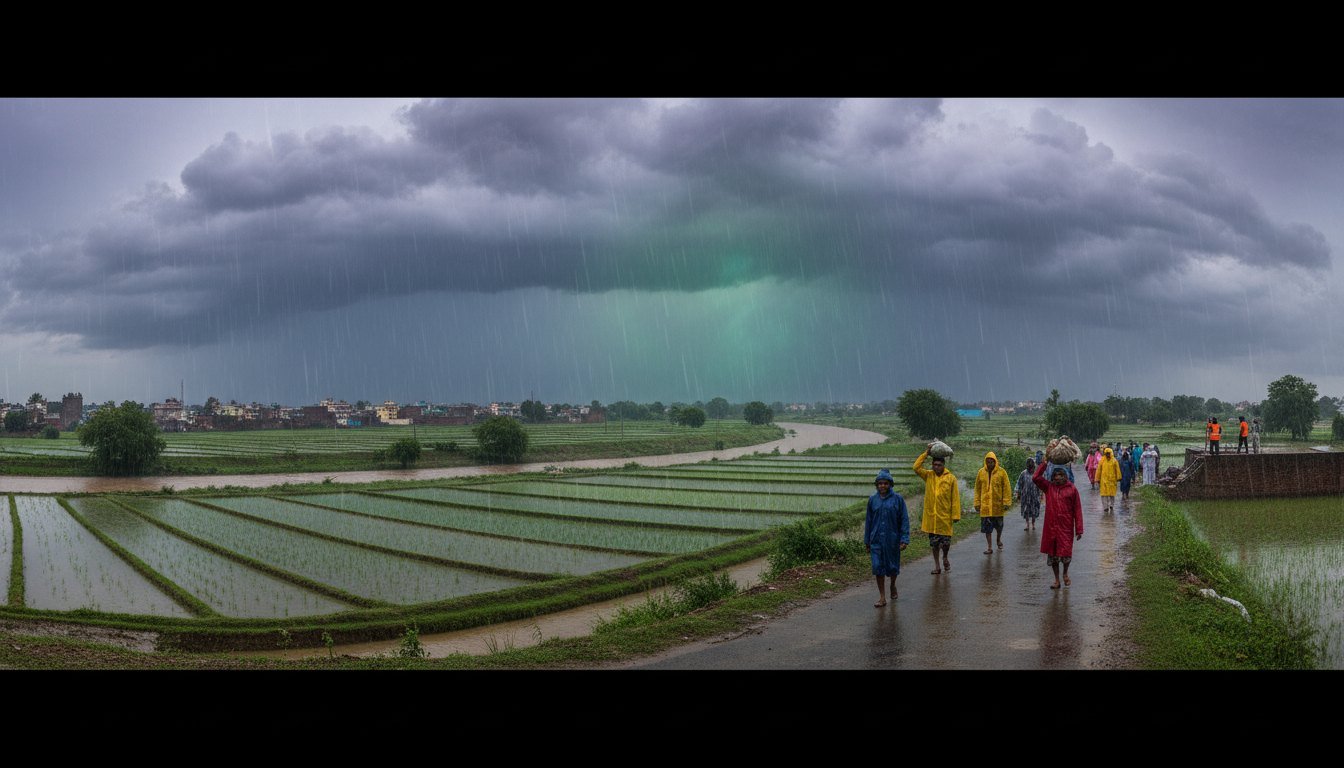
India Monsoon Outlook 2026: Heavy Rain Risk Persists in the Northeast, West Bengal and Bihar
The latest IMD outlook shows a sharply divided monsoon pattern, with intense rainfall risks in eastern and northeastern India while activity is expected to ease across several other regions.
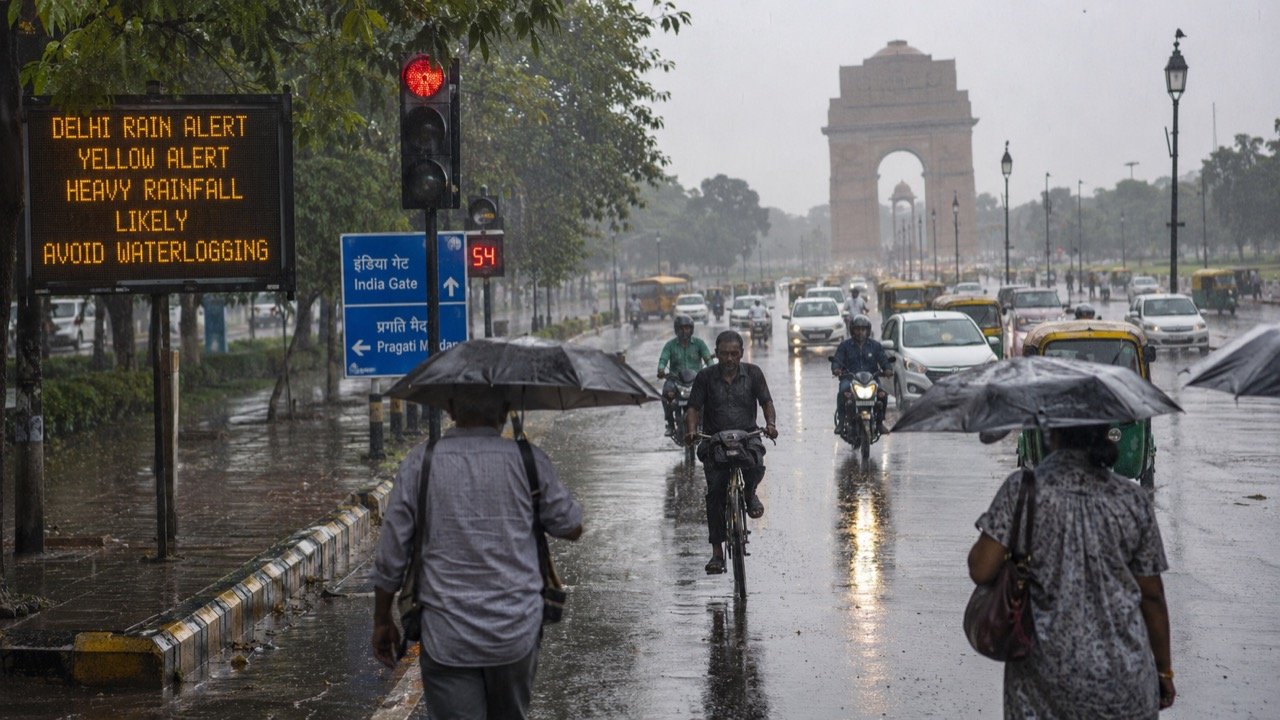
Delhi Rain Alert: Monsoon Travel and Civic Readiness Under Watch
Delhi's monsoon rain watch has residents tracking weather alerts and traffic advisories, as even moderate showers test the capital's drainage, underpasses and last-mile travel networks.
More from this section
More
AICTE Industry Fellowship 2026: Rs 1.5 Lakh Scheme Closes July 5
The AICTE Industry Fellowship Programme 2026, which places technical-education faculty inside leading companies on a Rs 1.5 lakh monthly stipend, reached its application deadline on July 5.
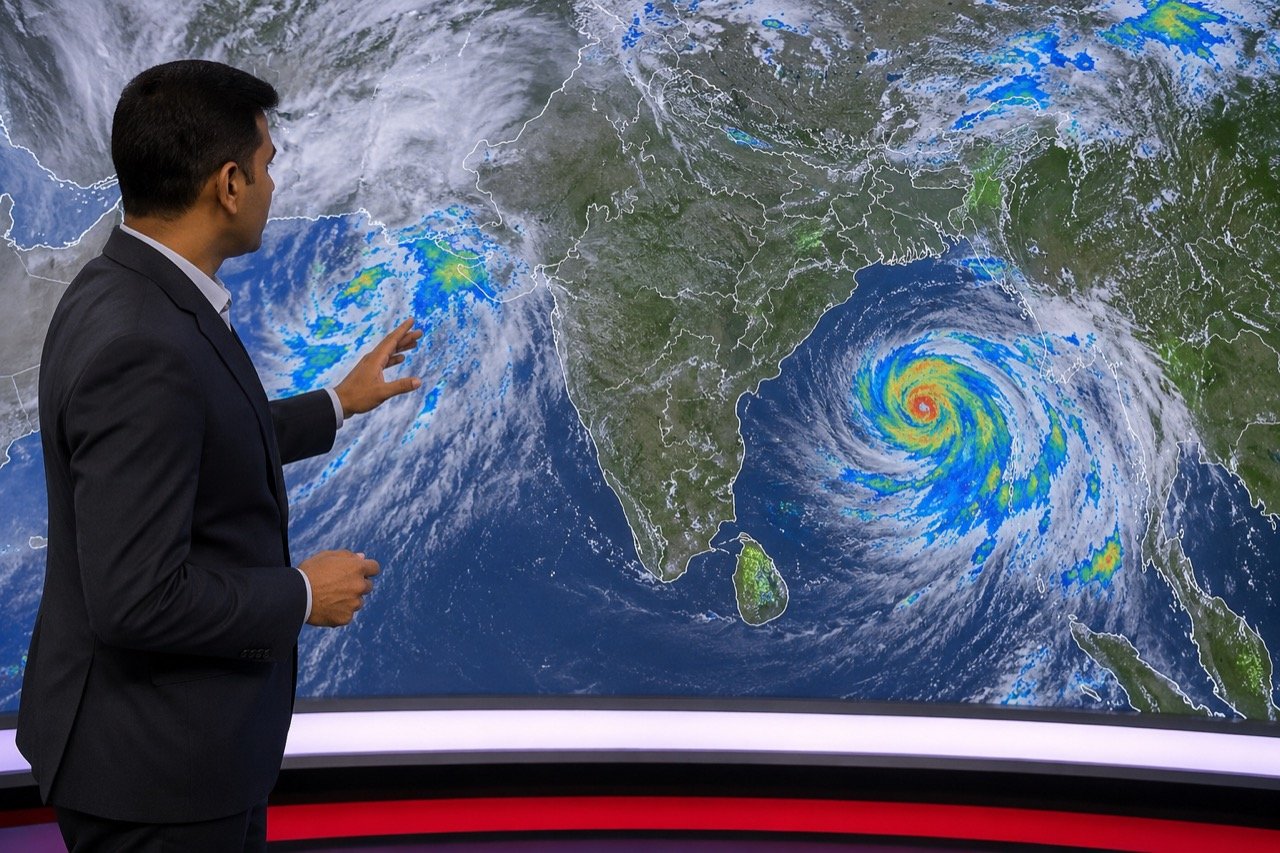
Bay of Bengal Low Pressure System Revives Monsoon Over Western India
A low-pressure system over the Bay of Bengal has pushed the monsoon back into an active phase, bringing steady heavy rain to Kerala, coastal Karnataka and Maharashtra, and putting Mumbai and Pune on preparedness watch.
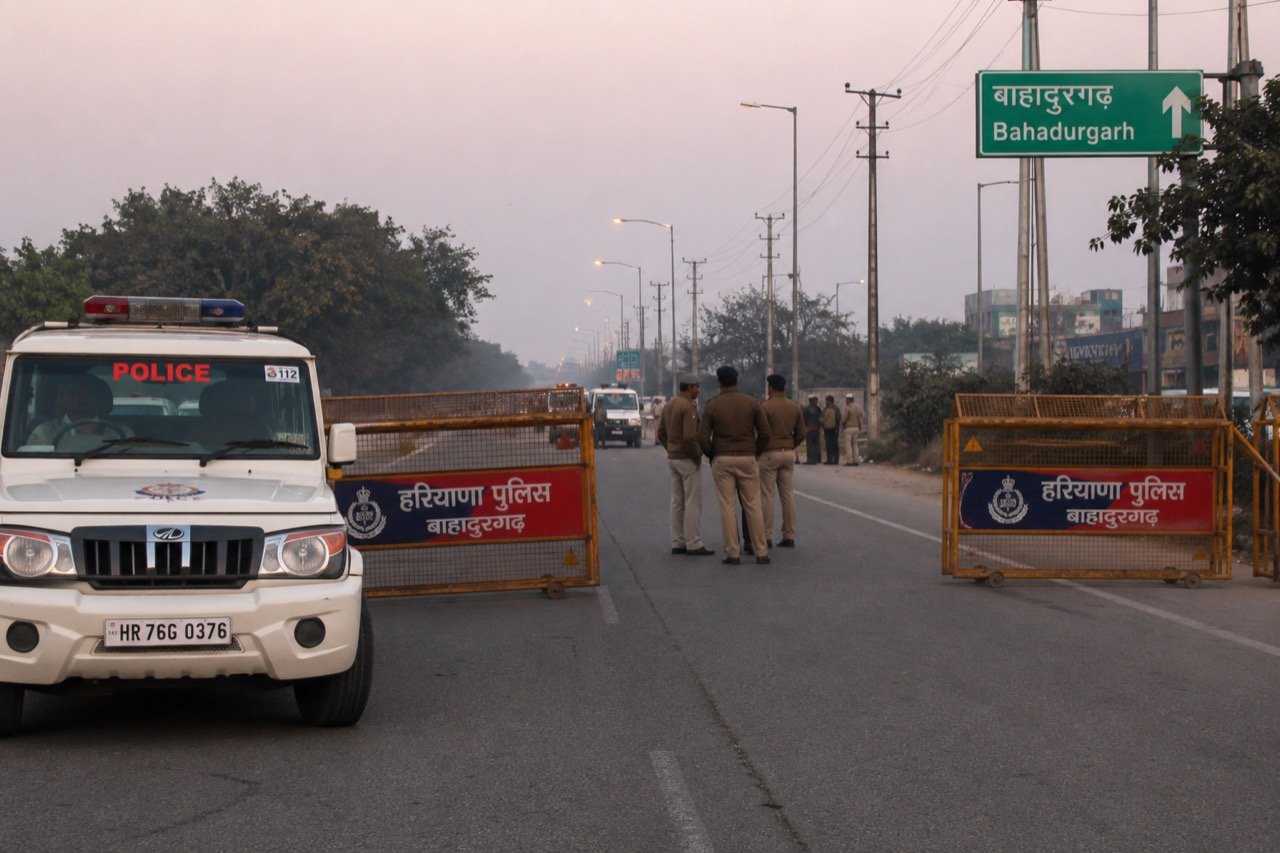
Bishnoi Gang Suspects Injured in Haryana Encounter as Police Tighten Net
A joint Haryana-Delhi Police operation in Bahadurgarh left two suspected Lawrence Bishnoi gang members injured, spotlighting the multi-state coordination now central to India's fight against organised crime networks.