West Asia Conflict Puts India's 50 Billion Dollar Gulf Remittance Lifeline At Risk
With nearly two-fifths of India's record remittance inflows originating in the Gulf, a deepening crisis in the region threatens a financial pipeline that supports millions of households back home.
Commentary & Analysis ·
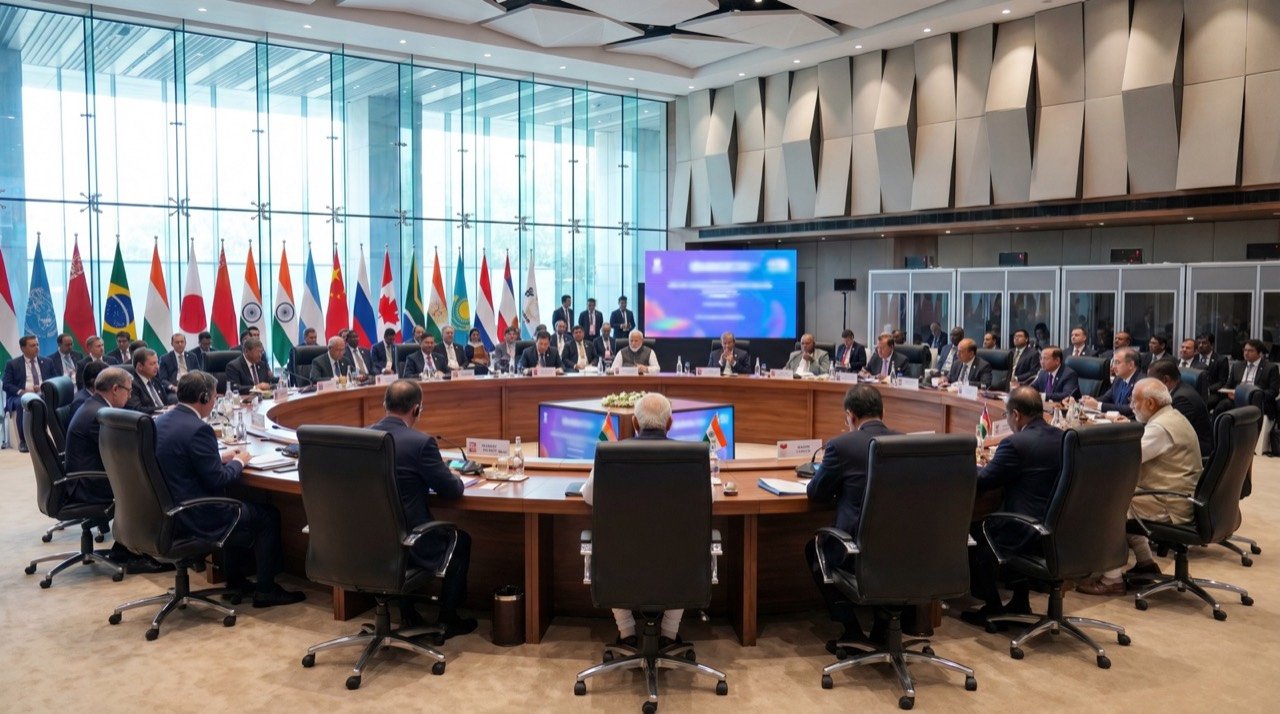
A deepening crisis in West Asia is raising alarm over the stability of India's single largest source of foreign income from its diaspora: the roughly 50 billion dollars that flows home each year from the Gulf. With as much as 55 billion dollars in annual inflows potentially exposed, the conflict has turned a regional security story into an economic one for millions of Indian households.
A record but concentrated pipeline
India received a record 135 to 138 billion dollars in remittances in 2024-25, retaining its position as the world's largest recipient of overseas transfers. The roughly nine-million-strong Indian community in the six Gulf Cooperation Council states accounts for nearly 38 per cent of that total, even though it makes up only about a quarter of India's overseas population.
The concentration runs deep. The UAE alone contributes around 19 per cent of India's remittance inflows, followed by Saudi Arabia at roughly 7 per cent and Qatar at about 4 per cent. That dependence makes states such as Kerala, Uttar Pradesh and Bihar acutely sensitive to any disruption in the Gulf labour market.
Where the risk lies
A prolonged conflict threatens the pipeline through several channels: disrupted shipping and aviation, pressure on Gulf economies that could slow construction and services hiring, and the safety of workers in or near affected zones. Even short interruptions to flights and money-transfer corridors can ripple quickly through households that depend on monthly transfers.
- India received a record 135 to 138 billion dollars in remittances in 2024-25.
- The Gulf accounts for nearly 38 per cent of total inflows.
- The UAE contributes about 19 per cent, Saudi Arabia about 7 per cent.
- Up to 50 to 55 billion dollars in annual flows could be exposed.
- Kerala, UP and Bihar are among the most dependent states.
A shifting map
Even before the latest tensions, the geography of India's remittances was changing, with advanced economies in the West gaining share as more skilled Indians migrate to North America, Britain and Australia. The current crisis is likely to accelerate that diversification, but the Gulf will remain irreplaceable in the near term given the sheer scale of the blue-collar workforce there.
“For lakhs of families, a Gulf paycheque is not extra income; it is the household budget.”
— Migration economist, paraphrased
New Delhi's diplomacy in the region therefore carries a domestic price tag. Protecting shipping lanes, keeping evacuation contingencies ready and maintaining channels with Gulf governments are not abstract foreign-policy goals but direct safeguards for one of the country's most important economic lifelines.
The NE Times View
Two-fifths of record remittances flowing from a single volatile region is a vulnerability dressed as a success story. The NE Times View: the Gulf lifeline sustains millions of households, but a wider war could disrupt jobs and transfers overnight. Delhi needs contingency plans for evacuation and income support, and a longer-term push to diversify where its workers and their earnings come from.
This article is original commentary and analysis by The NE Times. Background facts were referenced from Mint and The Economic Times.
You may also like to read
Modi And Trump Hold G7 Bilateral In Evian As Trade And West Asia Crisis Dominate Agenda
On the sidelines of the G7 summit in France, Prime Minister Narendra Modi and US President Donald Trump met to advance the trade deal and coordinate on a deepening crisis in West Asia.
Iran-IAEA Inspection Standoff Tests Fragile Truce, With India Watching Its Energy Stakes
The UN nuclear watchdog insists inspectors will return to Iran's enrichment sites under an interim US-Iran deal, but Tehran says access waits for a final agreement, leaving Indian importers eyeing both oil flows and the Strait of Hormuz.
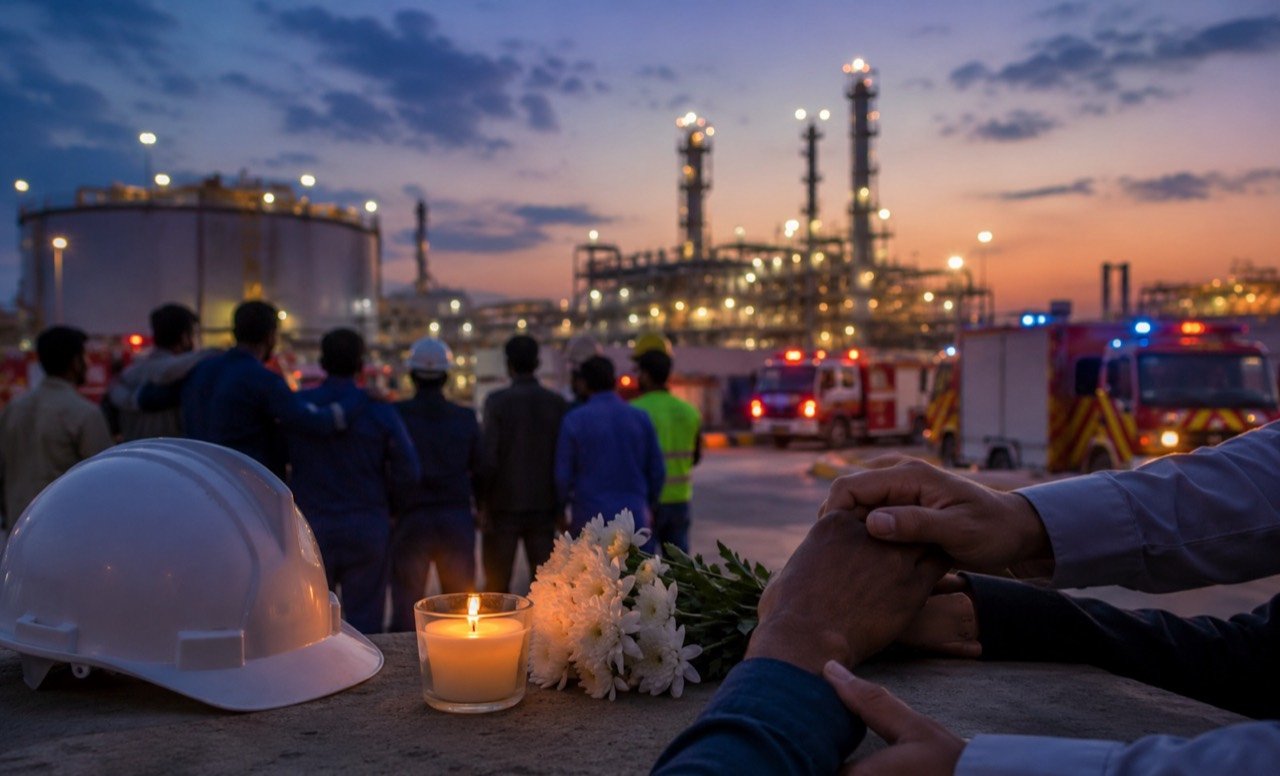
Twelve Indians Killed in Qatar's Ras Laffan Industrial Blast
An explosion at an industrial facility in Qatar's Ras Laffan area has killed 12 Indians and injured 14, renewing concern over migrant worker safety in the Gulf.

Central Bank 'Super Week' Exposes Deep Rift in Global Monetary Policy
Five major central banks set rates within eight days as an oil shock pushes the ECB to hike, the Fed to hold amid dissent and the Bank of Japan toward a defensive move.
More from this section
More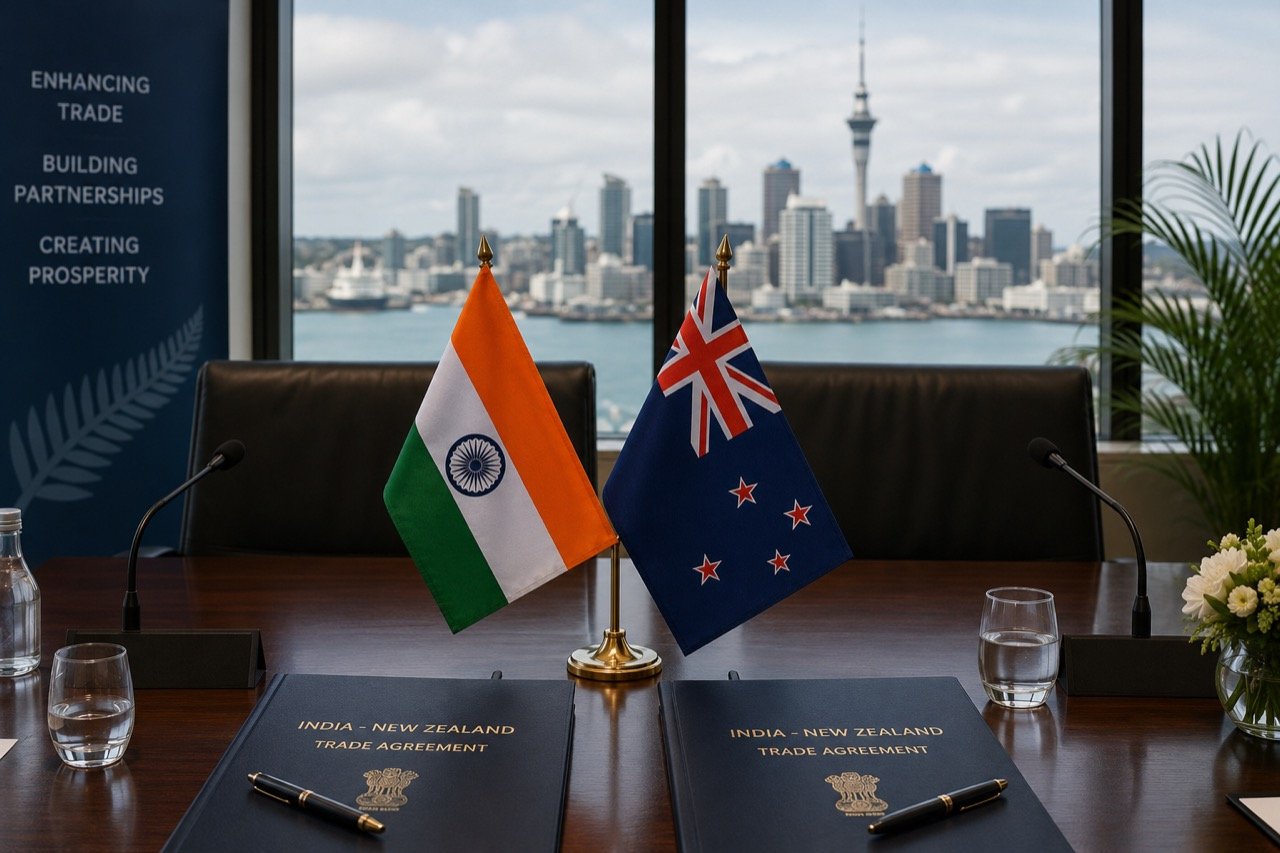
India-New Zealand Ties: Visit Plans Put FTA and Diplomacy in Focus
Reports of a planned high-level India-New Zealand engagement have revived attention on free trade talks, professional mobility and Indo-Pacific cooperation between two partners with clear room to grow.

Modi Greets Trump on US 250th Independence Day, Hails Partnership
Prime Minister Narendra Modi marked America's 250th Independence Day with a message to President Trump, saying the next 250 years should lift the India-US partnership to new heights.
India Watches Dhaka's China-Backed Teesta Plan as Stakes Rise
New Delhi is closely tracking Bangladesh's proposal to develop the Teesta river with Chinese assistance, a move that revives one of South Asia's most sensitive water-sharing disputes and tests regional strategic trust.