India Survive Late Scare to Beat Pakistan 4-3 in FIH Pro League Thriller
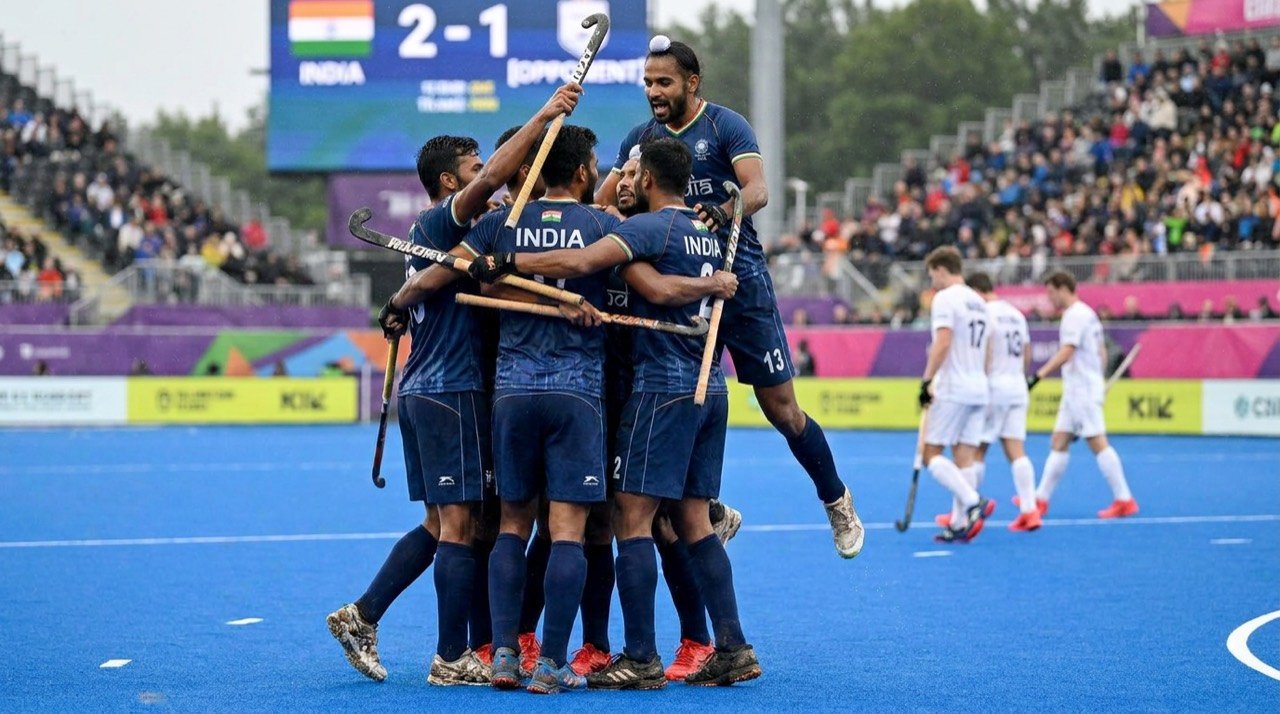
India held their nerve through a tense final quarter to edge arch-rivals Pakistan 4-3 in a men's FIH Pro League hockey clash at London's Lee Valley centre on June 23.
Commentary & Analysis ·
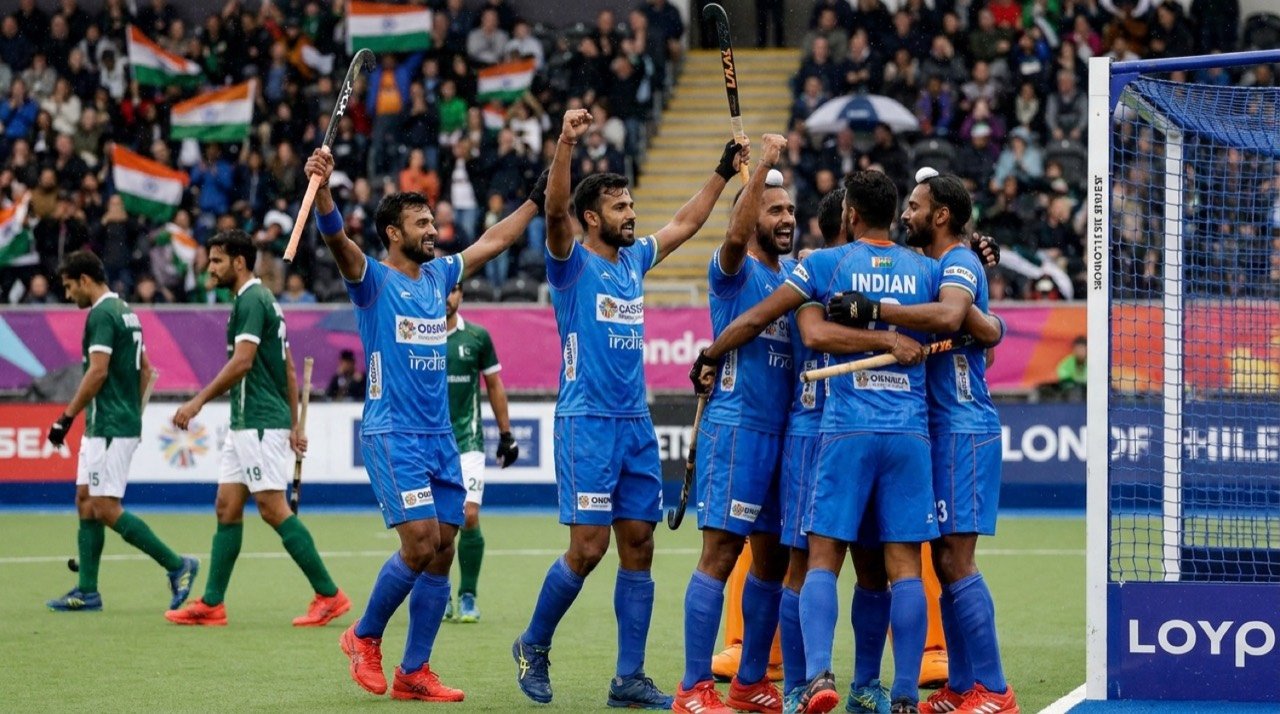
There are few fixtures in world sport that carry the charge of an India-Pakistan hockey match, and the latest chapter lived up to its billing. India edged their arch-rivals 4-3 in a high-energy men's FIH Pro League encounter at London's Lee Valley Hockey and Tennis Centre on June 23, surviving a nervy finish to extend their strong recent run against Pakistan. That the result has since become a talking point well beyond the hockey fraternity is unsurprising: few contests on the international sporting calendar generate the same mix of sporting stakes and emotional charge as this one, and a one-goal margin only sharpens the discussion around it.
A contest of swings
The match unfolded as a genuine ebb-and-flow contest, with momentum shifting between the two sides and the scoreline never settling into predictability. Goals, pressure and counter-pressure defined the play, and the four-three margin captured just how finely balanced the night ultimately was. Matches of this nature rarely reward the side that simply dominates possession or territory; they reward the side that converts its chances at the moments that matter and then finds a way to protect a lead once it has one. India's ability to keep finding the net while absorbing Pakistan's response was the difference. In a game where neither side could pull decisively clear, staying a step ahead on the scoreboard proved decisive, and it is worth noting how much composure that requires when a match is being played at this pace and intensity, with reversals of fortune arriving in quick succession rather than building gradually over the course of the contest.
Holding the line late
The defining test came in the closing stages. Pakistan threw everything forward in the final quarter, threatening to level and turn the result on its head. This is the phase of an India-Pakistan match that tends to be remembered longest, because it is when composure under pressure is tested most directly and when a single defensive lapse or moment of individual quality can rewrite the outcome. India, however, refused to buckle, defending their advantage with discipline and composure to close out the win. For followers of India-Pakistan hockey, the headline is not merely the scoreline but the manner of the result: a team capable of managing a late scare and seeing out a high-stakes international fixture under sustained pressure. That distinction matters in a sport where late-game composure against a determined opponent is often a more reliable indicator of a team's trajectory than the final margin itself.
Why the rivalry matters
Matches between the two nations carry both sporting and emotional weight, drawing audiences far beyond the regular hockey following. Every meeting adds to a storied rivalry that remains one of Asian hockey's most watched and most fiercely contested. It is a rivalry shaped as much by history and shared following as by the game itself, which is why results such as this one tend to be scrutinised more closely, and remembered longer, than routine league fixtures against other opponents. For India specifically, results against Pakistan have long carried a symbolic weight that goes beyond the two points or standings implications on offer, feeding into broader narratives about the state of Indian hockey and its standing relative to a traditional rival with its own rich hockey heritage.
What the result means for the Pro League campaign
With the Pro League campaign still in motion, results like these matter for both standings and confidence. For India, closing out a tight win over a familiar rival in testing conditions is the kind of performance that builds belief ahead of the bigger tests to come. A win of this nature offers more than three points; it offers evidence, however partial, that the squad can hold its nerve when a match refuses to go to plan. That said, results achieved through late-match resilience rather than comfortable control tend to invite closer inspection from coaches and analysts alike, precisely because they expose where the gaps still lie even amid a winning outcome. As India moves through the remainder of its Pro League fixtures, this match will likely be referenced both as proof of character and as a cautionary marker for what needs tightening before facing higher-ranked opposition.
The NE Times View
A nervy one-goal win over Pakistan is exactly the kind of contest that keeps Indian hockey honest. The result will thrill fans, but the late scare against a lower-ranked rival flags defensive lapses that sterner opponents will punish. There is a meaningful difference between a team that wins by dictating terms from start to finish and one that wins by surviving a final-quarter onslaught, and India's performance in London falls into the latter category. India's resurgence as a hockey power is real and worth celebrating; sustaining it means converting these edgy thrillers into commanding wins rather than relying on late-match nerve to see out contests that should, on paper, be more comfortably managed. For now, enjoy the rivalry, but the coaching staff has homework: shoring up the defensive structure that allowed Pakistan back into contention in the final quarter will matter far more against the Pro League's stronger sides than it did on this particular night. The scoreline offers celebration; the closing quarter offers the more honest scouting report.
Key takeaways
- India beat Pakistan 4-3 in the men's FIH Pro League at Lee Valley Hockey and Tennis Centre, London, on June 23.
- The match swung repeatedly, with India's finishing edge and late-game discipline proving decisive in a tightly contested fixture.
- Pakistan pressed hard in the final quarter and threatened to level, but India held their nerve to close out the win.
- The result extends India's strong recent record over Pakistan and adds another chapter to one of Asian hockey's most closely watched rivalries.
- The NE Times View: the win is worth celebrating, but the late defensive lapses are a reminder that these narrow margins must tighten before India faces stronger Pro League opposition.
You may also like to read
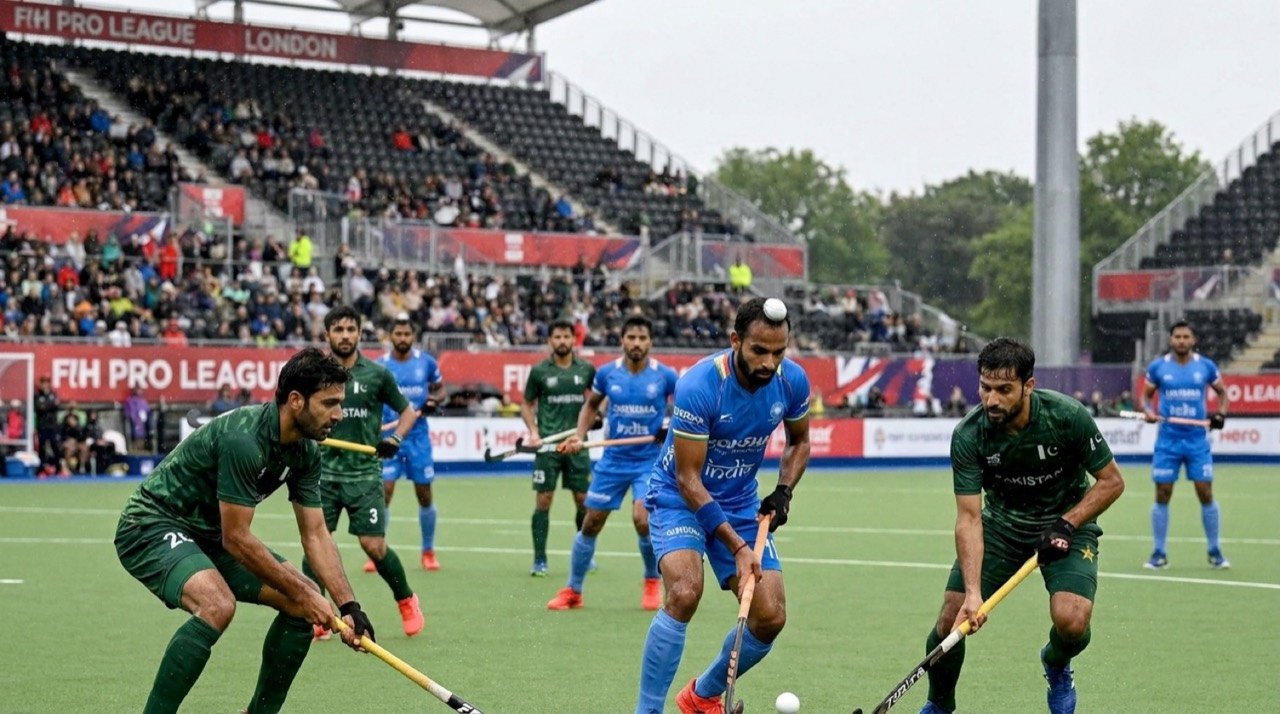
India-Pakistan Hockey Opener Set to Headline FIH Pro League 2026-27
The FIH Pro League 2026-27 men's season is set to open with an India-Pakistan hockey clash in London, handing the competition a marquee fixture and a global audience from day one.
India Fall Short Again as Netherlands Edge Five-Goal Pro League Thriller
Dilpreet Singh and Sukhjeet Singh found the net but the Indian men could not overturn the Dutch lead in a 2-3 defeat to open their European leg in Rotterdam.
India Brace For High-Stakes Pakistan Double-Header In FIH Pro League London Leg
India's struggling Pro League campaign heads to London for two charged clashes with Pakistan, as the men's hockey team chases form and momentum before a demanding World Cup year.
India Crush Pakistan 7-1 in FIH Pro League London Finale as Pro-Hockey Campaign Closes Out
India ran riot against arch-rivals Pakistan with a 7-1 rout at Lee Valley in their FIH Pro League finale, a result that sealed Pakistan's relegation and capped India's European leg in style.
More from this section
More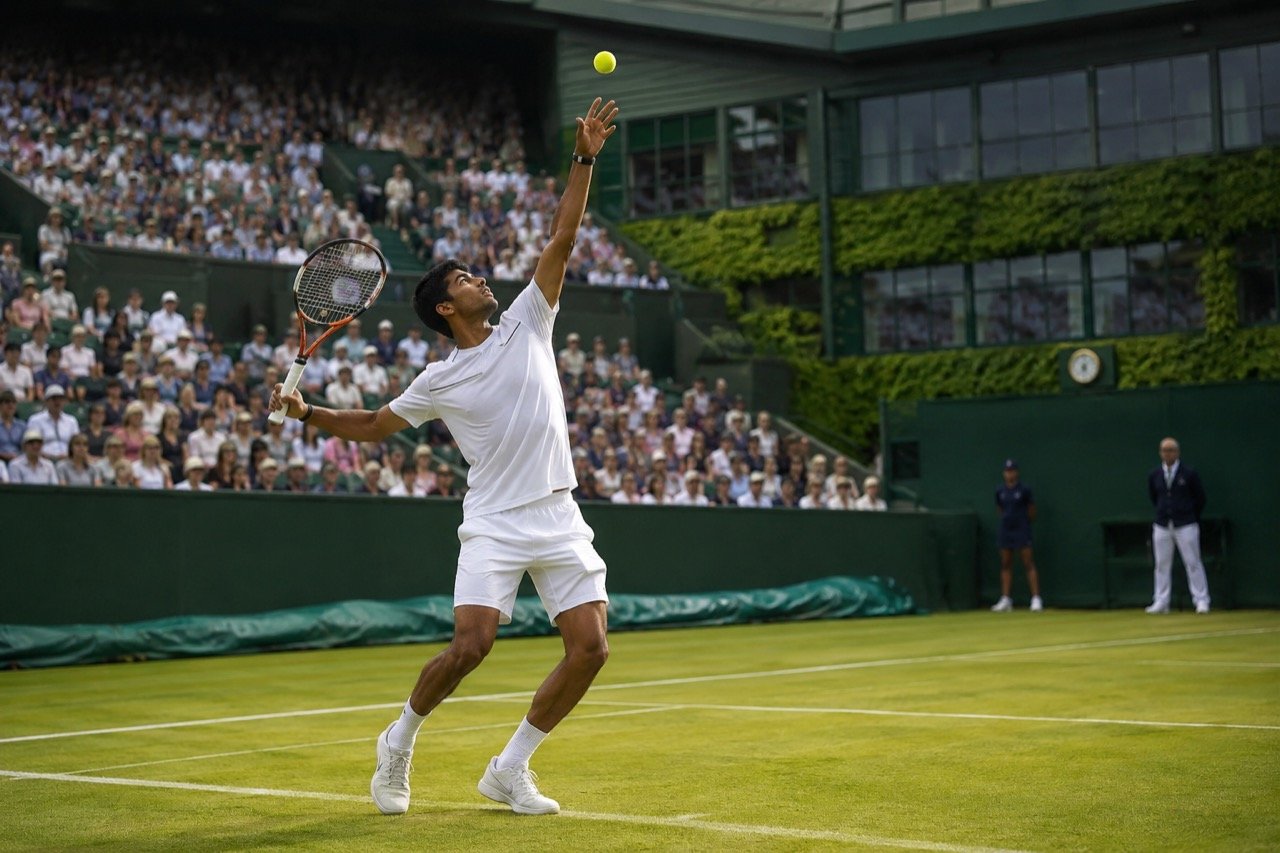
Arnav Paparkar Advances at Wimbledon Boys' Singles in Boost for India
Indian junior Arnav Paparkar has moved into the second round of the Wimbledon boys' singles with a commanding serving display, handing Indian tennis a rare and encouraging grass-court result at the sport's biggest stage.
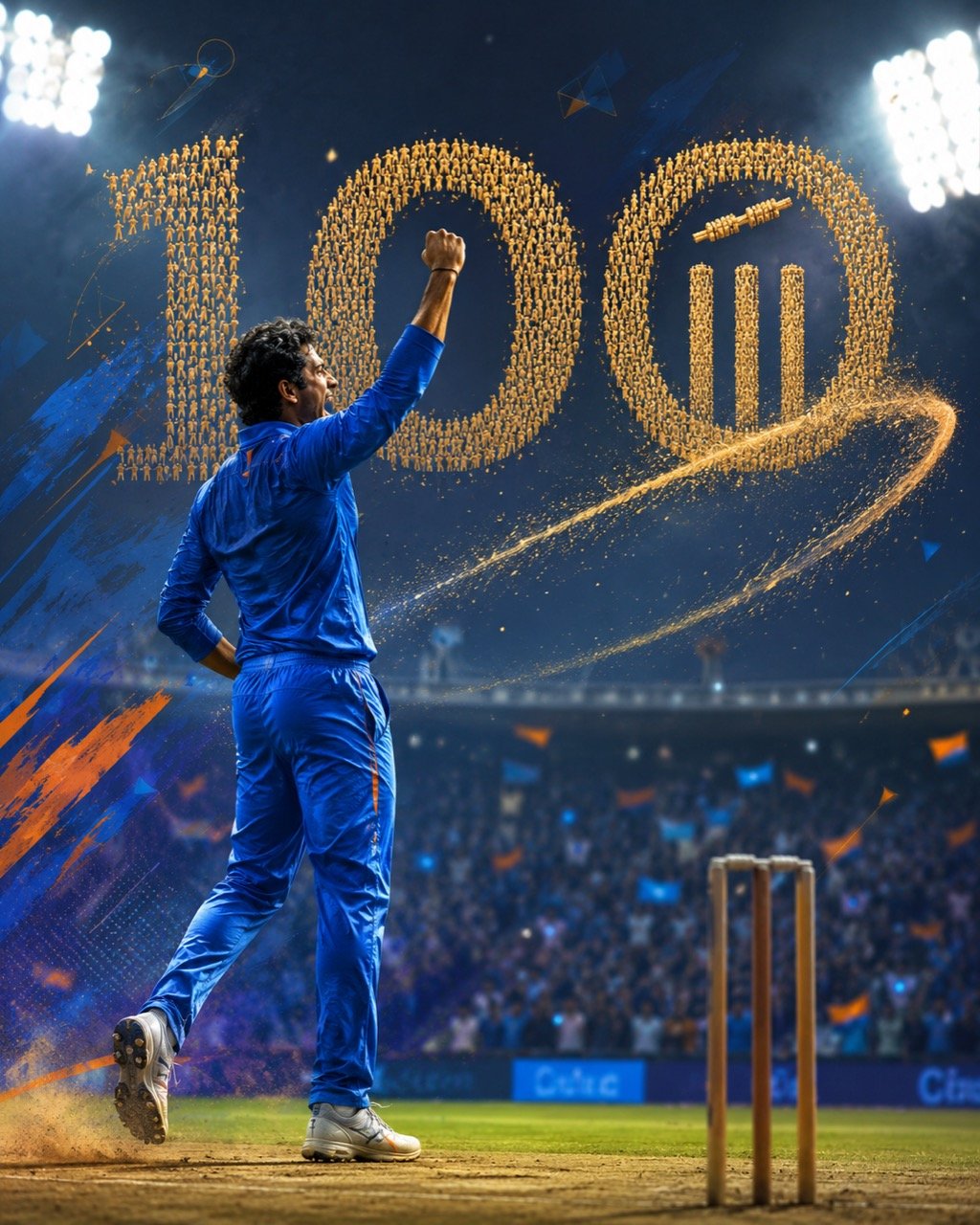
Axar Patel Becomes First Indian Spinner With 100 T20I Wickets
Axar Patel reached 100 T20 international wickets in the second T20I against England, becoming the first Indian spinner to hit the mark and cementing his standing as one of India's most durable white-ball performers.
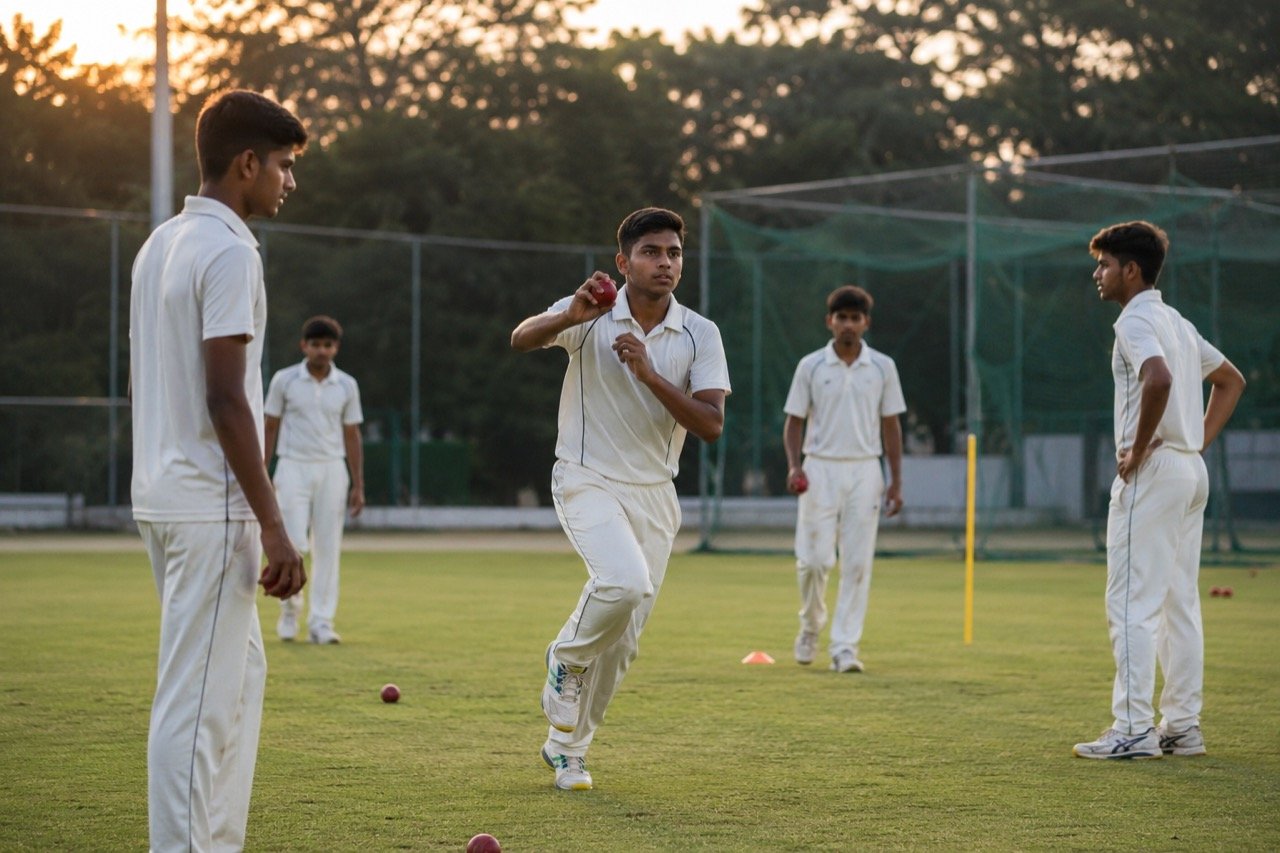
BCCI Emerging Men's Tournament to Hunt Test Prospects in Bengaluru
The BCCI's red-ball Emerging Men's Tournament, running at the Centre of Excellence in Bengaluru through July, is designed to give selectors a longer, harder look at India's next generation of Test cricketers.