IIM Bangalore Earns Level 5 'Pioneering School' Status in Positive Impact Rating 2026
IIM Bangalore has again secured Level 5 'pioneering school' status in the Positive Impact Rating 2026, reinforcing the growing weight of sustainability, ethics and social impact in Indian management education.
Commentary & Analysis ·
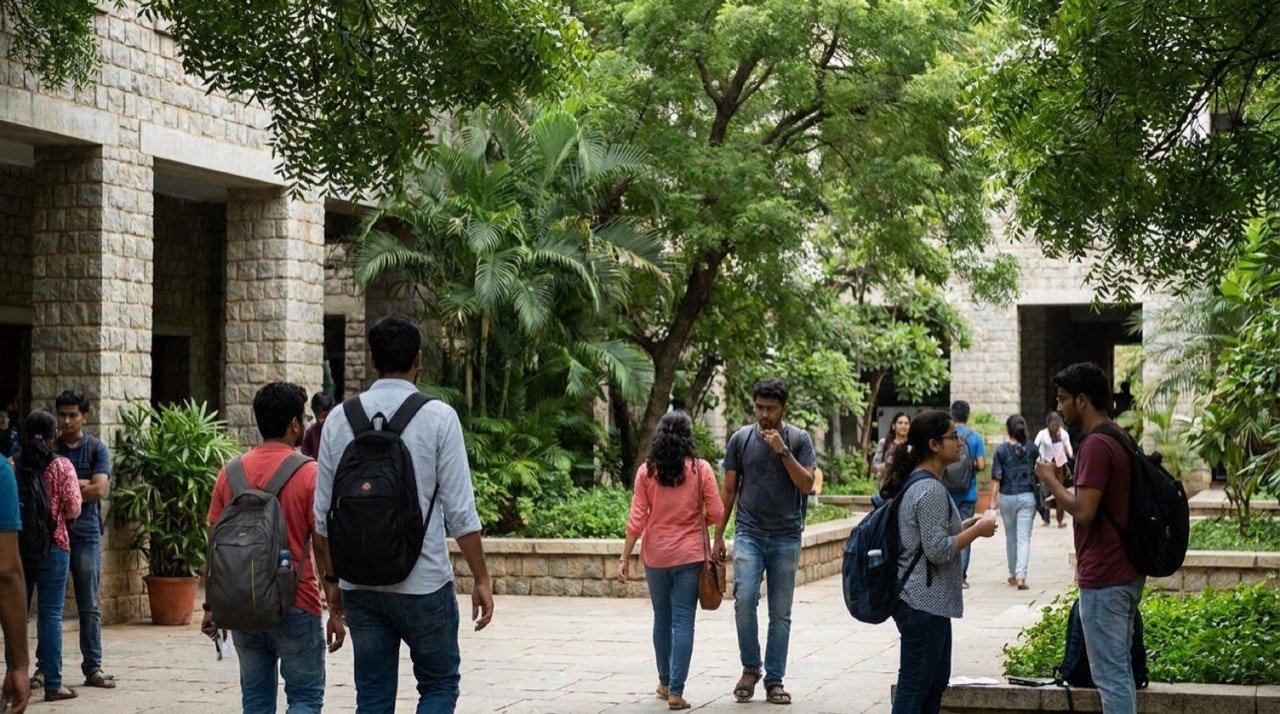
IIM Bangalore has once again been recognised as one of the world's most socially responsible business schools, earning Level 5, or 'pioneering school' status, in the Positive Impact Rating (PIR) 2026. The recognition, reported by The Times of India and reflected in the institute's own public material, places IIMB in the top tier of a global, student-led assessment that judges how business schools contribute to society rather than simply how they rank on salaries and selectivity.
What the Positive Impact Rating measures
Unlike conventional rankings driven by placements, research output or reputation surveys, the PIR is built around student perceptions. It asks the people inside the institution how well their school performs on social impact, sustainability, ethics and responsible management education.
The rating uses a five-level scale, from schools just beginning their journey to 'pioneering' institutions that embed positive impact across governance, culture, teaching and student engagement. Reaching Level 5 again signals consistency, not a one-off achievement, and indicates that responsible management is woven into the school's everyday functioning.
Why the recognition matters
The result lands at a moment when the very purpose of management education is being re-examined. Indian business schools are increasingly judged not only on the jobs and packages their graduates command, but on how well they prepare leaders to navigate climate change, inequality, governance failures and community challenges.
For IIMB, the Level 5 status strengthens its positioning as an institution that links rigorous business education with a sense of public purpose, an identity that resonates with a generation of students who expect their careers to deliver more than financial returns.
A shifting benchmark for B-schools
The recognition reflects a broader change in how excellence in management education is defined across India and the world.
- Level 5 'pioneering school' is the highest tier in the Positive Impact Rating.
- The rating is student-led, capturing perceptions from within the institution.
- It assesses social impact, sustainability, ethics and responsible management.
- IIMB's repeat result signals consistency rather than a one-time showing.
- Recruiters and applicants increasingly weigh purpose alongside placements.
“Business schools are now measured by how they prepare leaders for climate, inequality and governance, not only by placements.”
— Positive Impact Rating framework
As employers, regulators and applicants increasingly factor in social and environmental responsibility, accolades like the PIR are likely to carry greater weight in shaping the reputation of Indian institutions. IIM Bangalore's renewed Level 5 standing suggests that, for the country's leading business schools, public purpose is becoming as central to the brand as the placement report.
The NE Times View
Retaining top-tier impact status signals that Indian management education is no longer treating sustainability and ethics as electives. That matters when business schools shape the executives who set corporate priorities. Still, ratings can flatter as easily as they reform; the real measure is whether graduates carry these commitments into boardrooms or shed them at the first quarterly target. IIM Bangalore's challenge now is proving the label reflects culture, not just curriculum.
This article is original commentary and analysis by The NE Times. Background facts were referenced from The Times of India and the Positive Impact Rating.
You may also like to read
India and US Resume High-Level Trade Talks in Delhi to Finalise First Phase of Pact
Commerce Minister Piyush Goyal says his US counterpart is in Delhi for ministerial talks, with reports naming USTR Jamieson Greer for two days of negotiations on tariffs and market access.
India Retail Inflation Rises to 4.38% in June 2026 as Food Prices Push CPI Above RBI’s Target
The first breach of the central bank’s 4% midpoint in 17 months puts household budgets, monsoon conditions and the interest-rate outlook back in focus.

India’s New IIP Base Year 2022-23: Why the Industrial Production Index Has Been Rebuilt
The revised index aims to capture today’s manufacturing structure more accurately, but users must understand what changed before comparing new and old growth numbers.
India Steel Emission Targets: Draft Rules Push Decarbonisation
The Centre's draft emission cut targets for the iron and steel sector move India's climate policy from broad pledges to sector-specific rules, placing one of its hardest-to-abate industries under a defined framework.
More from this section
More
Adani Case: US DOJ Pushes for Permanent Dismissal of Charges
The US Department of Justice has urged a judge to permanently dismiss charges against Gautam Adani, calling the case legally flawed — a reversal with consequences for markets, diplomacy and cross-border enforcement.

Akasa Air Inducts 40th Aircraft in Indian Aviation Scale-Up
Akasa Air's 40th aircraft, ferried to Bengaluru via Seattle, Reykjavik and Cairo, marks a fleet milestone for the young carrier and a fresh signal that India's aviation market remains firmly in expansion mode.
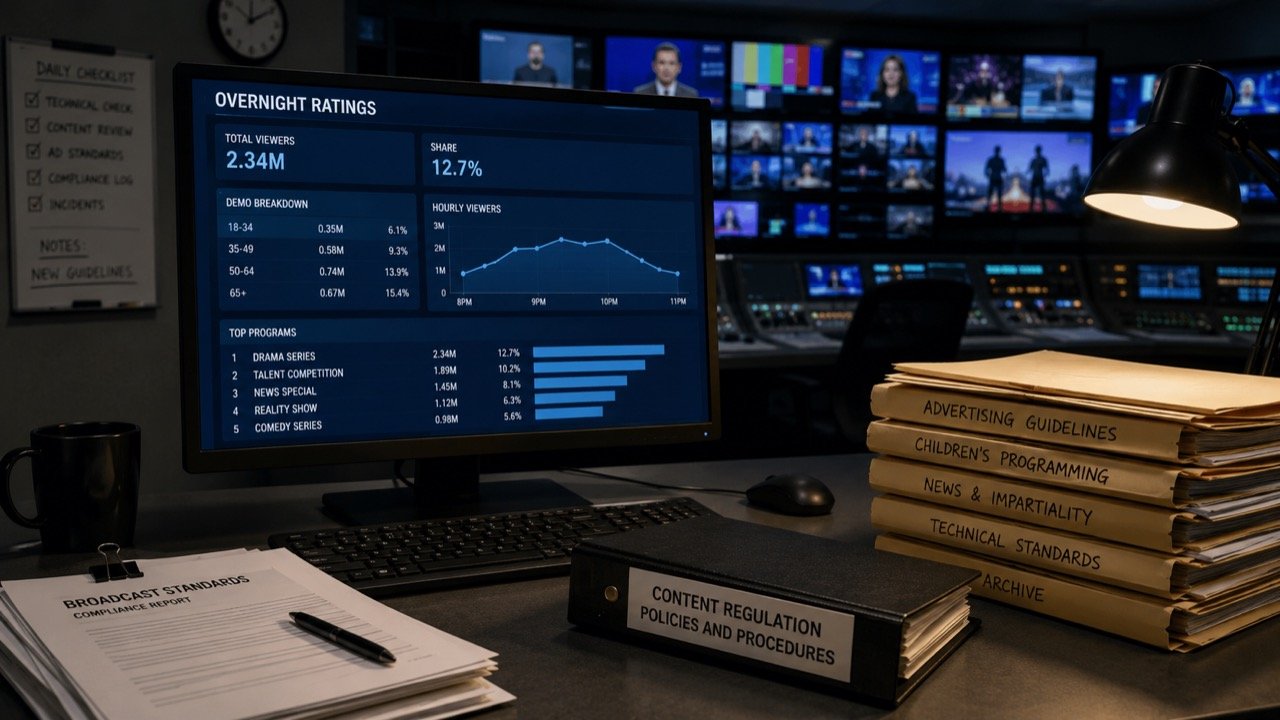
BARC Ratings Suspension Leaves Indian TV Industry Flying Blind
BARC's pause on television ratings has put India's broadcast measurement system under fresh scrutiny, leaving broadcasters, advertisers and media planners without the weekly audience data that anchors the TV economy.