Haryana Launches Barrier-Free Tolling at Bastara on NH-44
The Bastara toll plaza on NH-44 near Karnal has begun barrier-free, multi-lane free-flow tolling, a key test of India's push to end queues and cash handling on highways.
Commentary & Analysis ·
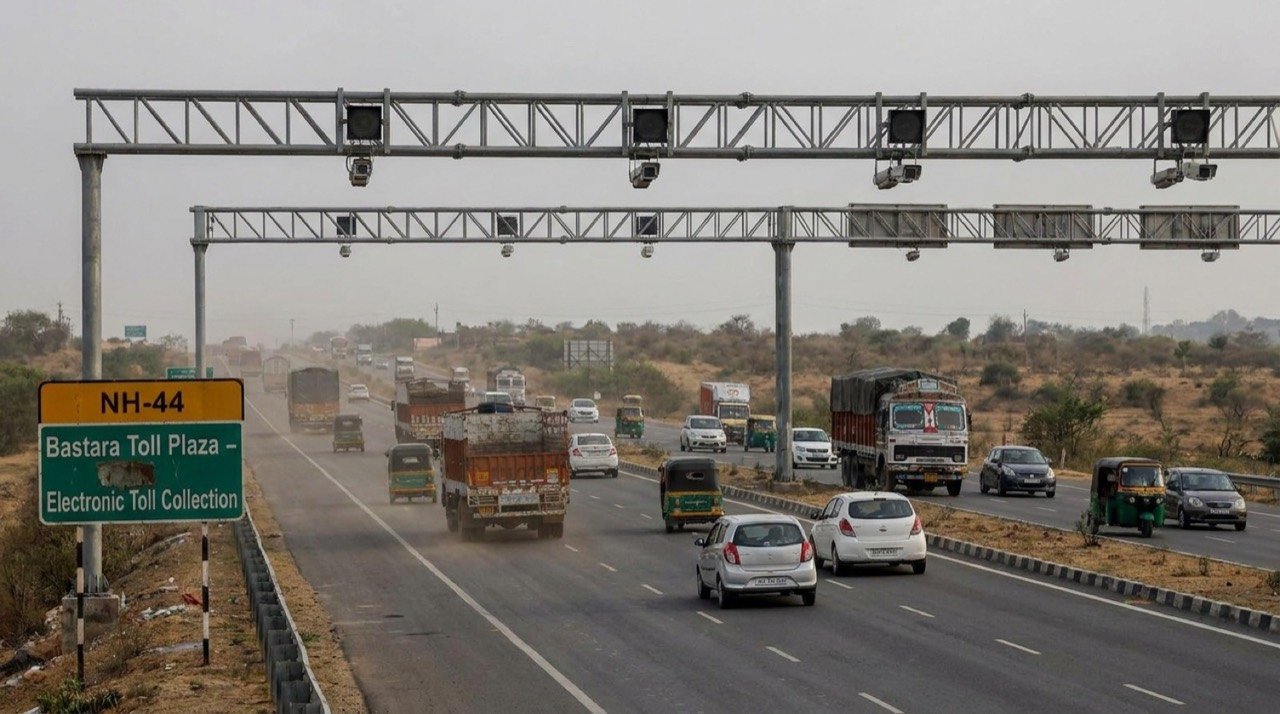
Drivers on National Highway 44 near Karnal can now pass a toll plaza without ever coming to a halt. Haryana's Bastara toll plaza has begun barrier-free, multi-lane free-flow (MLFF) tolling, a notable step in India's wider effort to cut queues, reduce fuel wasted in idling and phase out cash handling at busy highway crossings. It is a modest-sounding change in engineering terms, but for the millions of commuters and freight operators who use NH-44, one of the country's most heavily trafficked north-south corridors, the shift from stop-and-pay to drive-through tolling touches something they encounter almost daily: the toll plaza queue.
How the system works
Instead of stopping at a boom barrier, vehicles drive under overhead gantries fitted with cameras and sensors. FASTag-linked tools identify each vehicle and process the toll electronically as it passes, so the transaction happens in motion rather than at a standstill. The approach removes the physical barrier altogether, which is what distinguishes true free-flow tolling from the FASTag lanes commuters already know, where vehicles still slow down and pause at a gate. This is a meaningful technical distinction. FASTag, as currently deployed at most plazas, has already replaced cash payment with RFID-based debits, but the barrier itself remains, and with it the deceleration, the brief queue, and the risk of a lane jamming when a single vehicle's tag fails to read. Bastara's free-flow model attempts to remove that last physical chokepoint, relying entirely on overhead sensing and automatic number-plate recognition (ANPR) to identify and bill vehicles without requiring them to slow down at all.
Why this matters for commuters and freight
For commuters, the appeal is straightforward: faster movement, shorter queues and less fuel burned in stop-start traffic. Toll plazas have long been one of the more predictable sources of delay on Indian highways, and idling vehicles at barriers contribute both to lost travel time and to needless fuel consumption and emissions. For long-haul freight operators, who make up a large share of NH-44 traffic, even a marginal reduction in dwell time at each plaza compounds across a journey that may cross several such crossings. National highway agencies have been testing similar systems as part of a broader plan to modernise toll collection across the country, and Bastara becomes a closely watched live deployment. Its performance will likely inform decisions on how quickly, and how widely, the model is extended to other high-density corridors.
What the system must prove
For the authorities, the challenge lies in execution. Accurate automatic number-plate reading is essential, enforcement against vehicles that fail to pay must be robust, and the personal data captured by cameras and sensors needs to be protected. Each of these is a nontrivial engineering and administrative problem in its own right. ANPR systems must perform reliably across a wide range of conditions: varying light and weather, mud-splattered or damaged number plates, non-standard plate formats, motorcycles and other two-wheelers, and the sheer diversity of vehicle types that use Indian highways. Any shortfall in recognition accuracy translates directly into either lost toll revenue or, worse, incorrect charges levied against the wrong vehicle.
Enforcement is the second pillar. Without a physical barrier to stop a non-paying vehicle, the system depends on downstream mechanisms, whether that is linked bank penalties, blacklisting of tags, or other follow-up action, to ensure compliance. If enforcement is weak or slow, the incentive to pay diminishes, undermining both revenue collection and the fairness of the system for those who do comply. Data protection is the third concern. A gantry-based system captures images and vehicle information at scale and on a continuous basis, and safeguarding that data, from unauthorised access, from misuse, and from simple poor handling, is now as much a part of running a toll plaza as maintaining the sensors themselves.
The key challenges at a glance
Taken together, the rollout at Bastara faces five clearly identifiable hurdles: accurate number-plate recognition across varied conditions and vehicle types; effective enforcement against non-payment without physical barriers; protection of user and vehicle data collected at the gantry; reliable FASTag linkage to process tolls seamlessly in motion; and clear redressal for billing errors or disputed charges. None of these is exotic or unprecedented, similar free-flow systems operate elsewhere in the world, but each requires sustained operational discipline rather than a one-time technical fix. As one summary of the rollout put it, for commuters, the promise is quicker movement; for authorities, the challenge is accurate reading, enforcement and protection of user data.
A template for the rest of the network, if it holds up
If Bastara performs reliably, it could become a template for rolling out free-flow tolling on other high-traffic stretches, easing one of the most familiar frustrations of Indian highway travel. That is the real stake here: NH-44 is a single corridor, but the toll-plaza experience it is trying to fix is common to nearly every major highway in the country. A successful, well-run deployment at Bastara would give planners a credible reference point when deciding whether to commit capital and administrative effort to extending the model elsewhere. Conversely, a rocky rollout, marked by billing errors, enforcement gaps or data mishandling, could set back the wider free-flow tolling agenda by feeding public scepticism about automated systems more broadly. The coming months will show whether the technology can match the promise, and whether enforcement and data safeguards keep pace with the convenience commuters are being offered.
The NE Times View
Free-flow tolling at Bastara is exactly the kind of unglamorous fix that saves millions of wasted commuter hours, but India's record on ANPR billing is patchy. Systems that look clean in pilot conditions have, in other contexts, struggled once exposed to the full variety and volume of real highway traffic, and the gap between a demonstration and a nationwide rollout is where most of the risk lives. The NE Times View is that the system must handle disputed and erroneous charges fairly before it scales, because nothing erodes public trust faster than being billed wrongly with no easy way to contest it on a highway you have already left. A commuter who is wrongly charged, or double-charged, or charged for a vehicle that is not theirs, and who then finds no accessible or timely mechanism to correct it, will not experience this as a minor administrative hiccup. They will experience it as being fined by an unaccountable machine. That perception, once formed, is hard to undo, and it would poison public reception of a technology that is otherwise a genuine improvement over the barrier-and-queue status quo. Authorities pushing this model forward should treat dispute redressal not as an afterthought bolted onto the system after launch, but as a core design requirement, tested and proven, before Bastara is held up as the template for the rest of the network.
Key takeaways
- Bastara toll plaza on NH-44 near Karnal has launched barrier-free, multi-lane free-flow (MLFF) tolling, removing the physical boom barrier entirely and processing FASTag-linked payments as vehicles pass under overhead gantries.
- The system differs from existing FASTag lanes, where vehicles still slow and pause at a gate; free-flow tolling aims for continuous motion with no stop at all.
- Success depends on accurate ANPR across varied conditions and vehicle types, robust enforcement without a physical barrier, strong data protection, and reliable FASTag linkage.
- Bastara is a closely watched live deployment that could become a template for other high-traffic corridors if it performs reliably.
- The NE Times View: given India's patchy record on ANPR billing, a clear and accessible mechanism for disputing erroneous charges must be in place before the model is scaled nationally.
You may also like to read
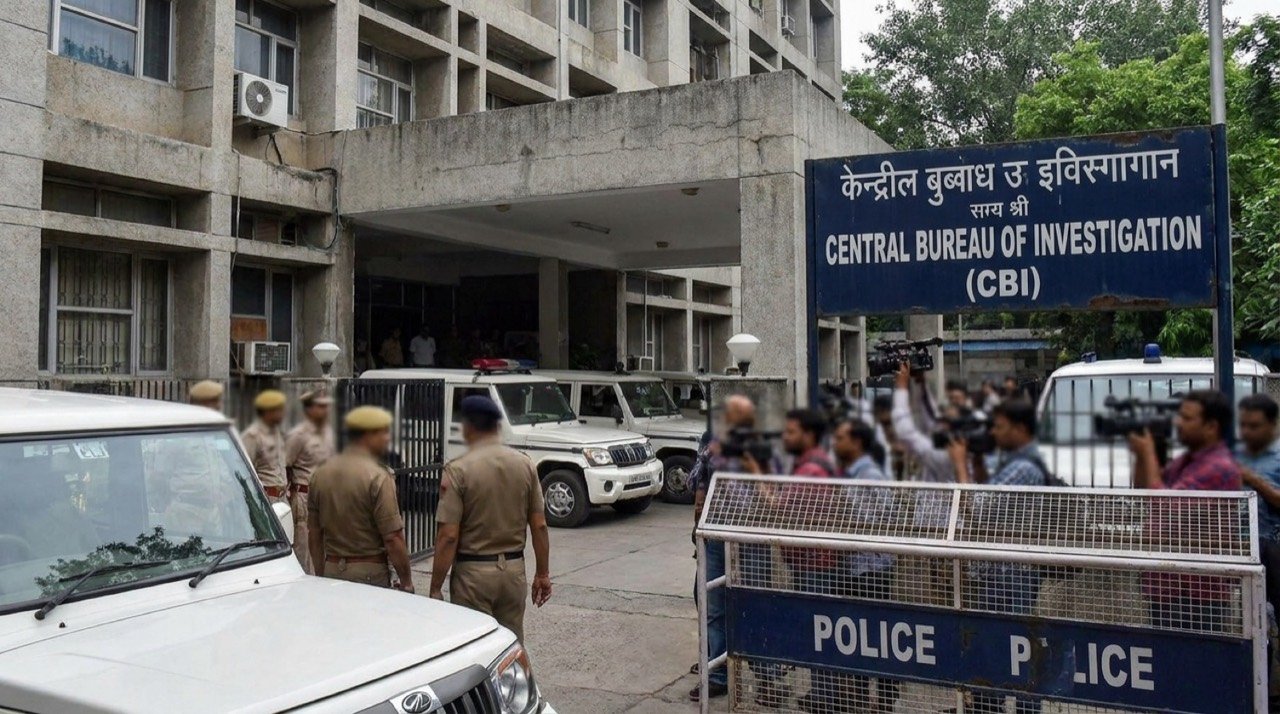
CBI Arrest of Haryana IAS Officer Pankaj Agarwal Sharpens Corruption Debate
The CBI's arrest of senior Haryana IAS officer Pankaj Agarwal in a corruption-related case has renewed scrutiny of accountability and transparency in state administration.
CBI Arrests Haryana IAS Officer Dhirendra Khadgata in Rs 60-Crore IDFC First Bank Fund Case
The CBI has arrested Haryana IAS officer Dhirendra Khadgata over alleged diversion of around Rs 60 crore in government funds linked to an IDFC First Bank branch, reviving questions of governance and banking oversight.
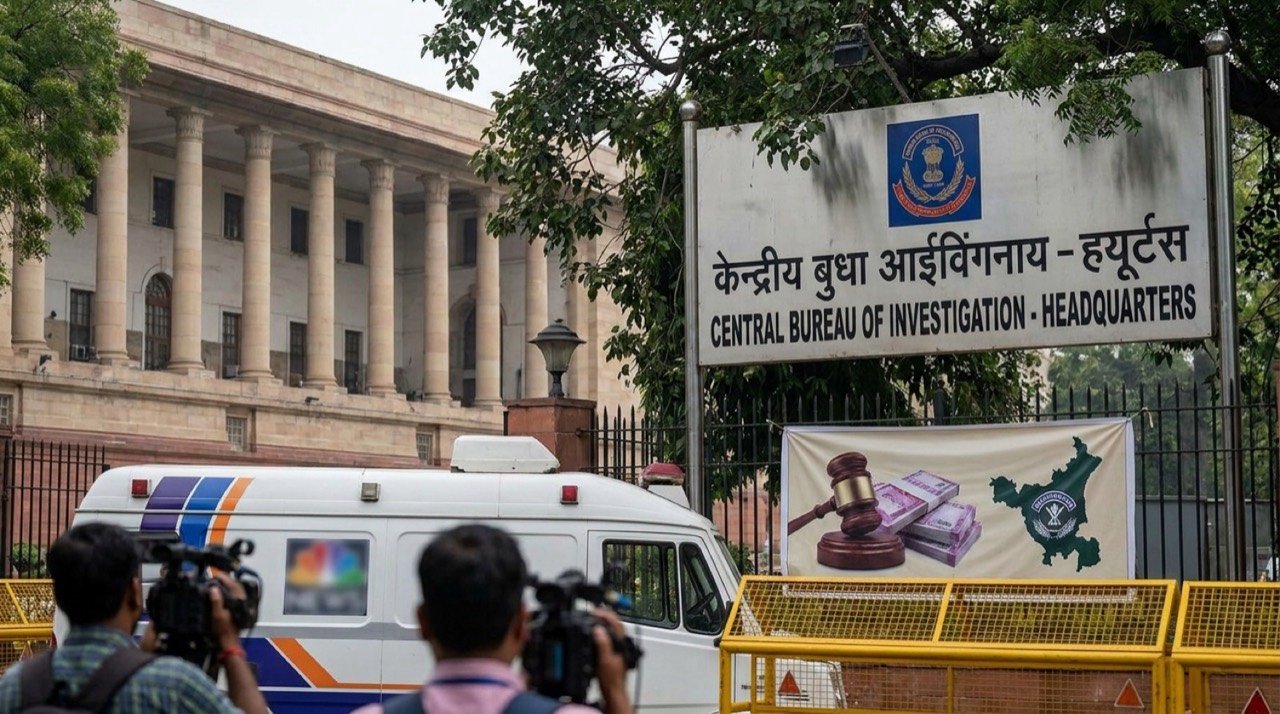
CBI Arrests Haryana IAS Officer Pankaj Agarwal As Bank-Fraud Probe Widens
The CBI has arrested senior Haryana-cadre IAS officer Pankaj Agarwal in a widening probe into the alleged diversion of crores in public funds through bank accounts and government departments.
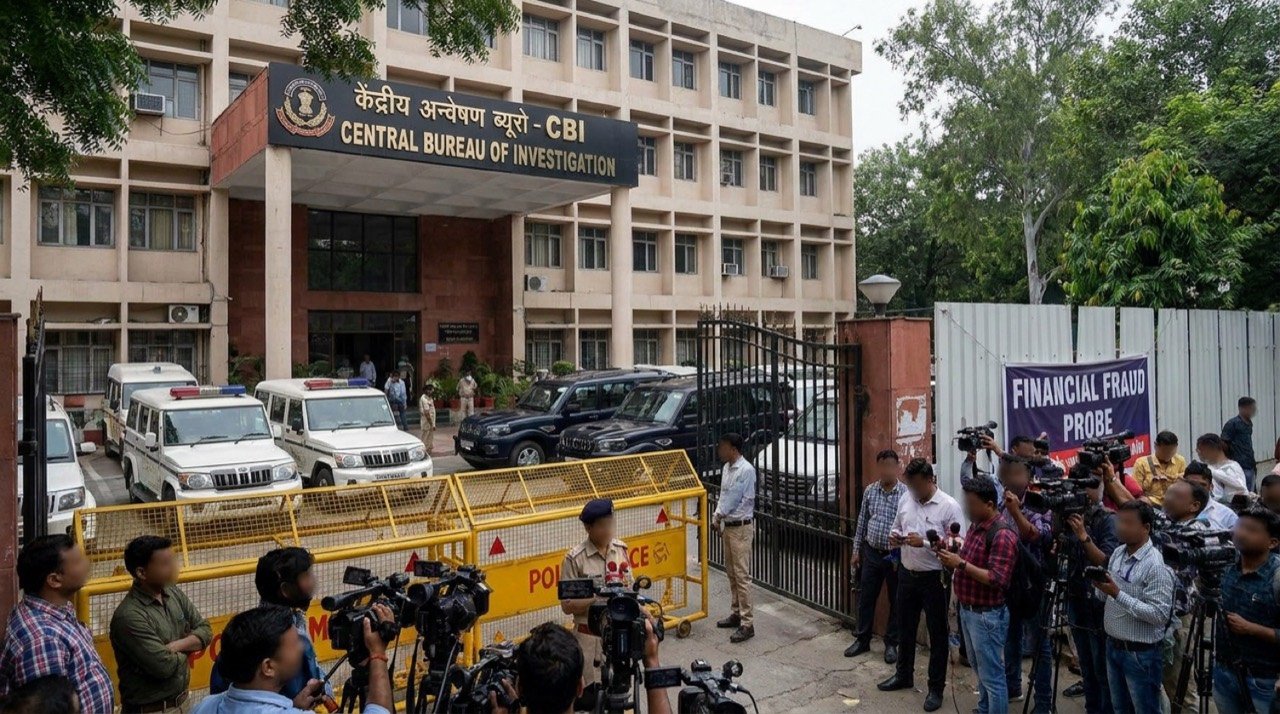
CBI Arrests Haryana IAS Officer Pankaj Aggarwal in IDFC FIRST Bank Fraud Case
The CBI has arrested senior Haryana IAS officer Pankaj Aggarwal in an IDFC FIRST Bank fraud case, reviving scrutiny of governance, accountability and the trail of financial investigations.
More from this section
More
AICTE Industry Fellowship 2026: Rs 1.5 Lakh Scheme Closes July 5
The AICTE Industry Fellowship Programme 2026, which places technical-education faculty inside leading companies on a Rs 1.5 lakh monthly stipend, reached its application deadline on July 5.
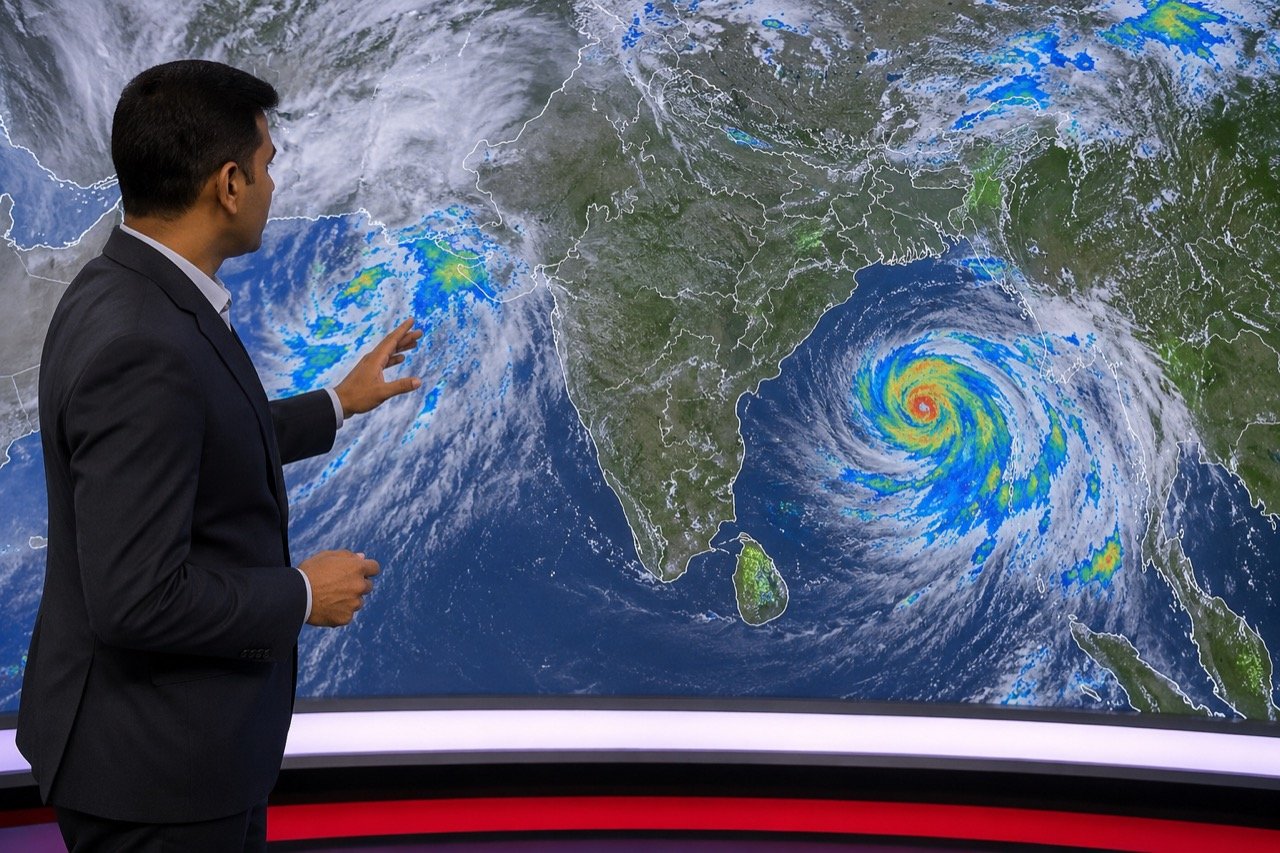
Bay of Bengal Low Pressure System Revives Monsoon Over Western India
A low-pressure system over the Bay of Bengal has pushed the monsoon back into an active phase, bringing steady heavy rain to Kerala, coastal Karnataka and Maharashtra, and putting Mumbai and Pune on preparedness watch.
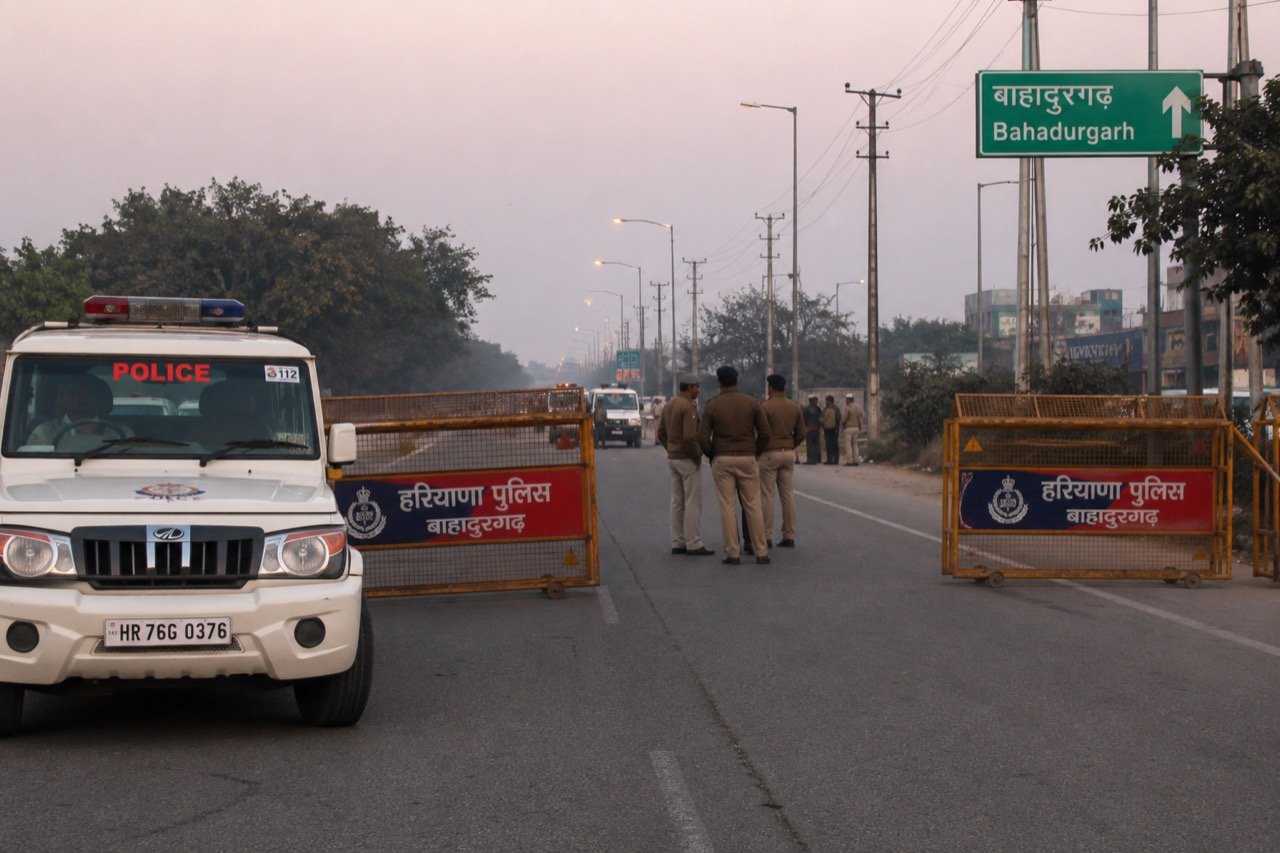
Bishnoi Gang Suspects Injured in Haryana Encounter as Police Tighten Net
A joint Haryana-Delhi Police operation in Bahadurgarh left two suspected Lawrence Bishnoi gang members injured, spotlighting the multi-state coordination now central to India's fight against organised crime networks.