CBI Arrests Haryana IAS Officer Pankaj Aggarwal in IDFC FIRST Bank Fraud Case
The CBI has arrested senior Haryana IAS officer Pankaj Aggarwal in an IDFC FIRST Bank fraud case, reviving scrutiny of governance, accountability and the trail of financial investigations.
Commentary & Analysis ·
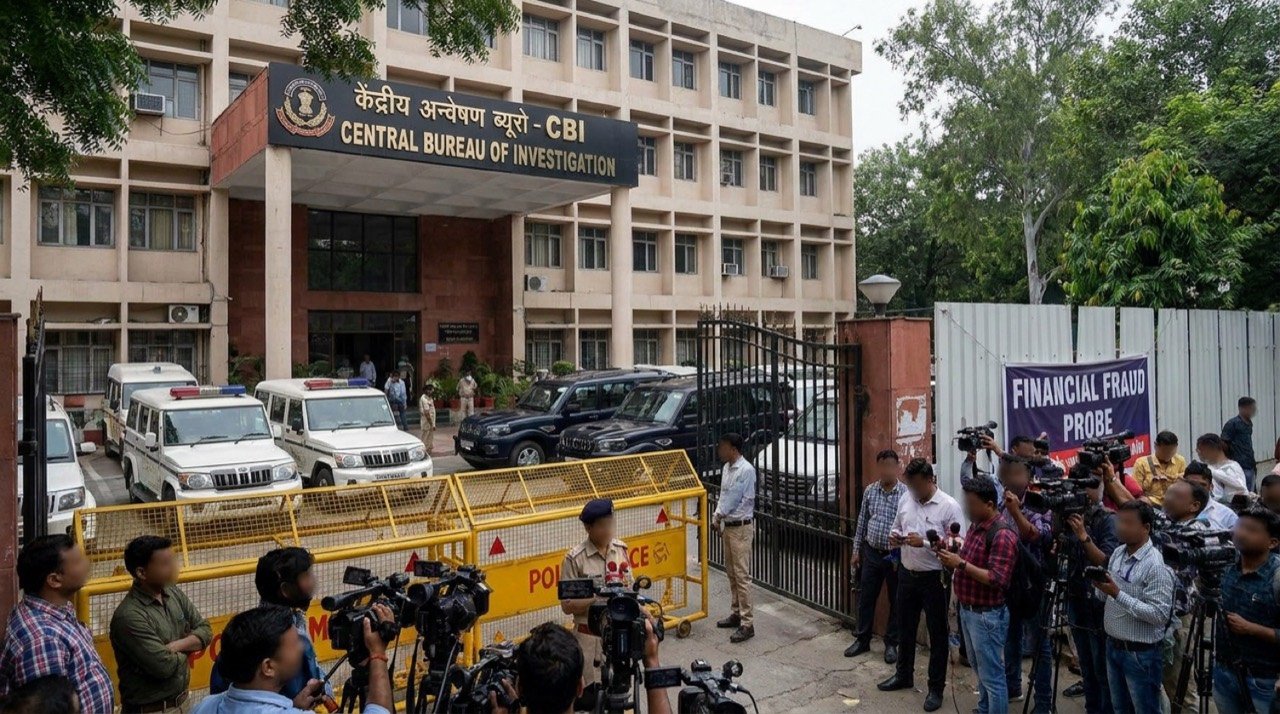
The Central Bureau of Investigation has arrested Haryana-cadre IAS officer Pankaj Aggarwal in connection with an alleged fraud involving IDFC FIRST Bank, according to public reporting. The arrest of a serving senior bureaucrat has sharpened attention on governance risk and the accountability of those who hold high public office. For a cadre that occupies some of the most consequential decision-making posts in state administration, any criminal proceeding against one of its own tends to reverberate well beyond the individual case, and this one is no exception.
The allegations
According to ThePrint, the allegations against Aggarwal relate to irregularities dating to the period when he served as Principal Secretary in departments including School Education and Agriculture and Farmers' Welfare. The case ties his administrative tenure to the financial matters now under investigation, suggesting that the alleged conduct is not incidental but connected to decisions or dealings made while he held charge of these departments. As with all criminal probes, the allegations are yet to be tested through the legal process. An arrest marks the start of a formal investigation, not a finding of guilt, and the burden of establishing wrongdoing rests with the prosecution before the courts. This distinction is not a technicality; it is the foundation on which any credible accountability process must rest, and it applies as much to a senior bureaucrat as to any other citizen.
Why the case resonates
The detention of an IAS officer of Aggarwal's seniority inevitably carries weight beyond the specifics of the case. Such investigations touch on questions of how public institutions guard against misuse, how oversight functions within the bureaucracy, and how lenders and regulators detect and act on suspected fraud. The Indian Administrative Service is designed around layers of trust: officers posted as Principal Secretaries wield considerable discretion over policy, procurement and departmental finances, and the system relies heavily on internal checks, audit mechanisms and the integrity of the individuals in post. When a case of this nature surfaces, it inevitably invites scrutiny of whether those checks functioned as intended, or whether gaps allowed alleged irregularities to persist unnoticed for a period before coming to the attention of investigators.
There is also a banking-sector dimension to why this case has drawn notice. IDFC FIRST Bank, like other lenders operating under the Reserve Bank of India's regulatory framework, is subject to strict norms on loan sanctioning, monitoring and fraud reporting. A case reaching the CBI implies that the alleged irregularities were significant enough, or sufficiently suspicious, to warrant central investigation rather than resolution through internal banking channels alone. That in itself signals the seriousness with which the matter is being treated, even before any judicial finding is reached.
The complexity of bank-fraud investigations
Bank-fraud probes are often complex, involving layered transactions and long paper trails that can take time to unravel. Investigators typically must reconstruct financial flows, examine sanctioning records, cross-reference departmental files against banking documentation, and establish whether any personal benefit or undue influence connects an accused official to the alleged fraud. This is rarely a swift exercise. That complexity is part of why these cases tend to remain in the public eye well after the initial arrest, as each subsequent development, whether a charge sheet, a bail hearing or fresh evidence, keeps the matter in view long after the headlines of the arrest itself have faded.
For the accused, this extended timeline carries its own consequences. Reputations can be affected long before any court delivers a verdict, which is precisely why due process safeguards, the right to legal representation, and timely judicial oversight of the investigation matter so much in cases of this kind. The system must balance the public interest in a thorough investigation against the individual's right not to be presumed guilty merely by virtue of arrest.
What comes next
The CBI is expected to pursue the evidentiary trail, with questioning, document examination and any further action to follow as the inquiry develops. Given the nature of bank-fraud cases, this may involve tracing transactions, examining the record of departmental decisions taken during Aggarwal's tenure, and determining whether any other individuals or entities were involved. The matter is likely to remain both politically and administratively significant given the officer's standing. Questions may also arise about the broader administrative environment in Haryana during the relevant period, and whether other officials or processes warrant examination as the investigation widens, though no such extension has been reported at this stage.
For now, the case underscores the recurring tension between administrative authority and accountability in India's public life. How the investigation proceeds, and how transparently it is conducted, will be watched closely by officials, the banking sector and the public alike. Transparency in such matters serves a dual purpose: it reassures the public that no office is beyond scrutiny, while also protecting the accused from a process conducted in the shadows, where allegations can linger without resolution.
Stakeholders watching closely
Several constituencies have a stake in how this case unfolds. Within the bureaucracy, serving and aspiring IAS officers will be watching to see whether the investigation is conducted fairly and expeditiously, since prolonged uncertainty in such cases can affect morale and public perception of the service as a whole. Within the banking sector, IDFC FIRST Bank and its regulators will be attentive to whether the case reveals any systemic vulnerability in fraud detection that needs addressing, independent of the outcome for the individual accused. And for the wider public, the case is one more data point in an ongoing conversation about whether India's institutions are capable of holding powerful officials to the same standard as ordinary citizens.
The NE Times View
The arrest of a senior IAS officer in a bank-fraud case is a test of whether accountability reaches the upper bureaucracy, not just the usual scapegoats. Investigations like this matter most when they end in conviction rather than headlines. Due process must protect the accused even as it pursues the evidence. If the CBI follows the financial trail wherever it leads, the case could strengthen public faith; if it stalls, cynicism wins. A legal observer put the underlying principle succinctly: an arrest opens an investigation; it does not close the question of guilt, which only the courts can settle. That principle should guide how this case is reported, discussed and judged, at every stage between now and its eventual resolution.
Key takeaways
- The CBI has arrested Haryana-cadre IAS officer Pankaj Aggarwal over an alleged fraud involving IDFC FIRST Bank.
- The allegations relate to his tenure as Principal Secretary in departments including School Education and Agriculture and Farmers' Welfare.
- The case has yet to be tested in court, and an arrest is not a finding of guilt.
- Bank-fraud investigations typically involve lengthy evidentiary work, meaning the case is likely to stay in the public eye for some time.
- The outcome will be watched as a signal of whether accountability in India's bureaucracy extends to its most senior ranks.
You may also like to read
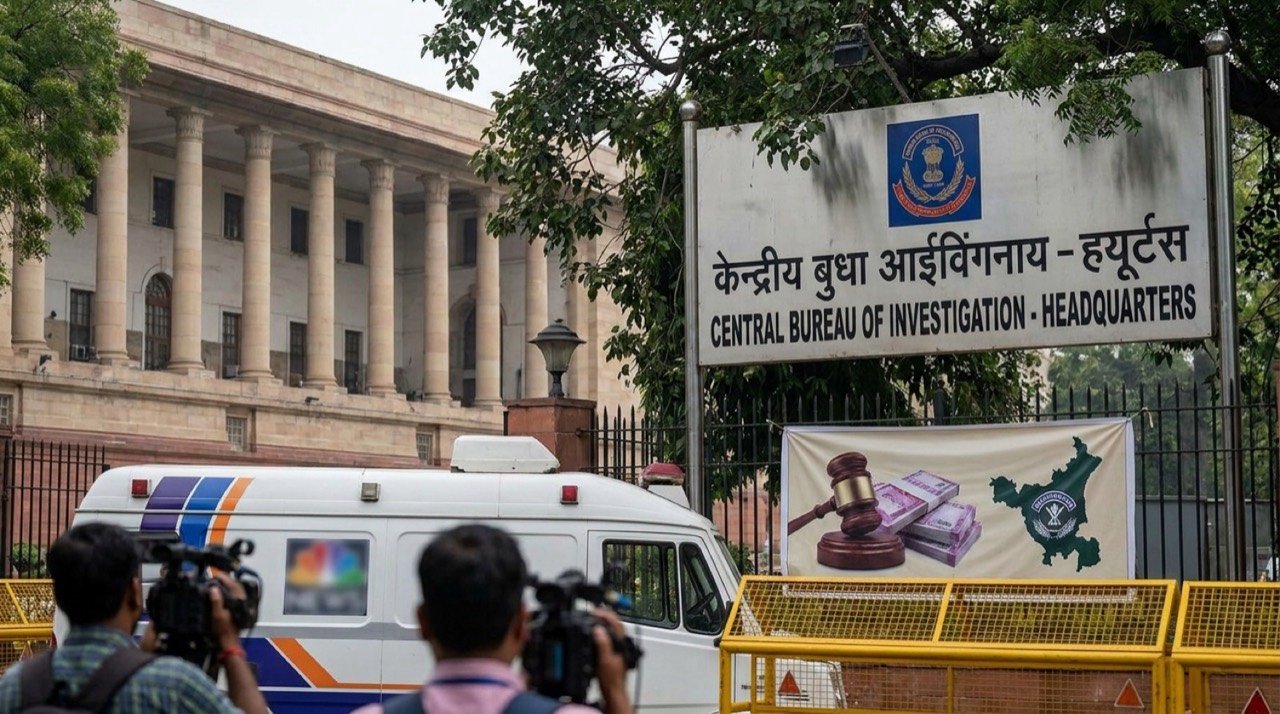
CBI Arrests Haryana IAS Officer Pankaj Agarwal As Bank-Fraud Probe Widens
The CBI has arrested senior Haryana-cadre IAS officer Pankaj Agarwal in a widening probe into the alleged diversion of crores in public funds through bank accounts and government departments.
CBI Arrests Haryana IAS Officer Dhirendra Khadgata in Rs 60-Crore IDFC First Bank Fund Case
The CBI has arrested Haryana IAS officer Dhirendra Khadgata over alleged diversion of around Rs 60 crore in government funds linked to an IDFC First Bank branch, reviving questions of governance and banking oversight.
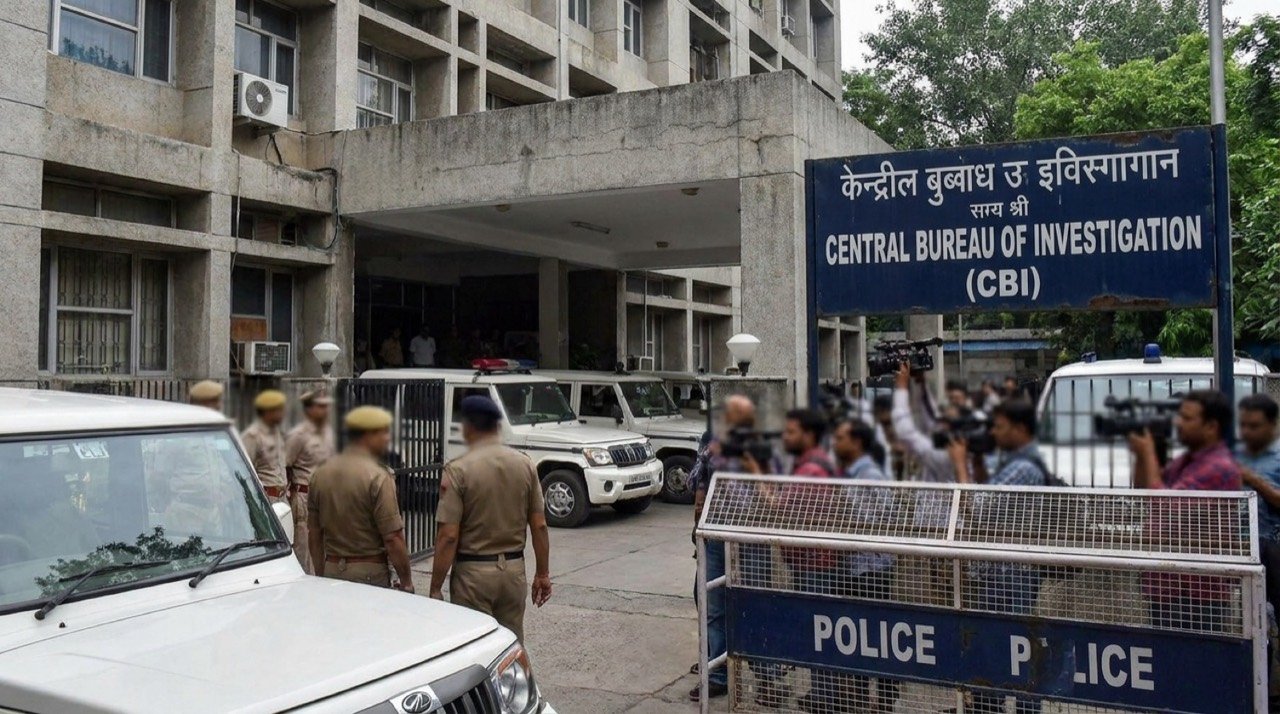
CBI Arrest of Haryana IAS Officer Pankaj Agarwal Sharpens Corruption Debate
The CBI's arrest of senior Haryana IAS officer Pankaj Agarwal in a corruption-related case has renewed scrutiny of accountability and transparency in state administration.

CBI Arrests Former RCFL and RHFL CEOs in Rs 7,623 Crore Bank Fraud Case
The Central Bureau of Investigation has arrested two former Reliance finance executives over alleged loan diversion that investigators say cost public sector banks Rs 7,623 crore.
More from this section
More
AICTE Industry Fellowship 2026: Rs 1.5 Lakh Scheme Closes July 5
The AICTE Industry Fellowship Programme 2026, which places technical-education faculty inside leading companies on a Rs 1.5 lakh monthly stipend, reached its application deadline on July 5.
Bay of Bengal Low Pressure System Revives Monsoon Over Western India
A low-pressure system over the Bay of Bengal has pushed the monsoon back into an active phase, bringing steady heavy rain to Kerala, coastal Karnataka and Maharashtra, and putting Mumbai and Pune on preparedness watch.
Bishnoi Gang Suspects Injured in Haryana Encounter as Police Tighten Net
A joint Haryana-Delhi Police operation in Bahadurgarh left two suspected Lawrence Bishnoi gang members injured, spotlighting the multi-state coordination now central to India's fight against organised crime networks.