FCRA Rule Changes Put NGO Foreign Funding Under Sharper Scrutiny
Amended FCRA rules will require NGOs to specify why they seek foreign funds, where they operate and who controls them, while excluding proselytisation from permitted faith-based activities.
Commentary & Analysis ·

India has amended the rules governing the Foreign Contribution Regulation Act (FCRA) in a move that will require NGOs and associations to be far more specific about why they seek foreign funds, where they intend to work, and who controls their operations. The changes, reported by Hindustan Times, Onmanorama and India Today, affect both the registration and renewal processes, and are likely to reshape how civil society organisations document their activities.
Sharper disclosure obligations
Under the revised framework, applicants will need to declare their purpose, operational areas and key functionaries with greater precision. The intent, the government signals, is tighter accountability over how foreign money enters and moves through the non-profit sector, an area that has drawn intense regulatory attention in recent years.
For organisations that operate across many states or run diverse programmes, the new specificity could translate into substantially heavier compliance work. Vague or broadly worded applications that once passed muster may now require detailed justification of each stated objective and location.
The debate over faith-based work
The most contested element concerns religious activity. The amended rules permit a range of religious, moral-instruction, cultural-preservation and indigenous-faith activities to be listed, but explicitly specify that these must exclude proselytisation. For charities, faith-linked educational bodies and cultural groups, the wording of an application now carries real consequences.
Applicants may have to demonstrate a clearer separation between service delivery, religious instruction, cultural documentation and any activity that could be read as conversion. Drawing that line precisely, in language that satisfies regulators, becomes a central compliance task rather than an afterthought.
A broader net of key functionaries
The rules also widen the definition of 'key functionaries' to include directors, partners, trustees, the karta of a Hindu Undivided Family, and any person exercising management control. Existing organisations have reportedly been given time to update their declared purposes and operational areas to align with the new requirements.
- NGOs must specify purpose, operational areas and management control
- Changes apply to both FCRA registration and renewal
- Permitted faith activities exclude proselytisation
- Key functionaries now include trustees, partners and HUF karta
- Existing organisations get time to update declarations
“The wording of an FCRA application now matters as much as the work itself; the line between service and conversion must be drawn on paper.”
— Civil society compliance expert
The immediate effect is likely to be a heavier compliance burden, especially for organisations spread across multiple states. The larger public question is how India balances genuine accountability for foreign money against the operating space of charities, schools, social-service groups and faith-based institutions, many of which deliver services the state does not. How that balance settles will shape the texture of Indian civil society for years to come.
The NE Times View
Demanding clarity on why NGOs seek foreign funds and who controls them is a defensible transparency goal; foreign money in sensitive sectors warrants scrutiny. The NE Times View: the line between accountability and a chilling effect is thin, and excluding proselytisation invites contested interpretation. The fair test is whether rules are applied uniformly across organisations and ideologies, or wielded selectively against inconvenient voices. Process will reveal intent.
This article is original commentary and analysis by The NE Times. Background facts were referenced from Hindustan Times and India Today.
You may also like to read

Centre Tightens FCRA Rules For NGOs Receiving Foreign Funds
India has amended its Foreign Contribution Regulation Act rules, adding disclosure and compliance demands for NGOs taking overseas donations and excluding proselytisation from permitted faith-based activity.

Government Revises FCRA Penalties for Foreign-Funded NGOs
The Union government has revised penalties under the Foreign Contribution Regulation Act, tightening compliance rules for organisations receiving foreign funds, including violations such as breaching permitted administrative-expense limits.

Centre Amends FCRA Rules for Foreign-Funded Organisations
The Home Ministry has tightened FCRA reporting on foreign nationals among key functionaries, raising the compliance bar for NGOs, charities and research bodies that take overseas funds.
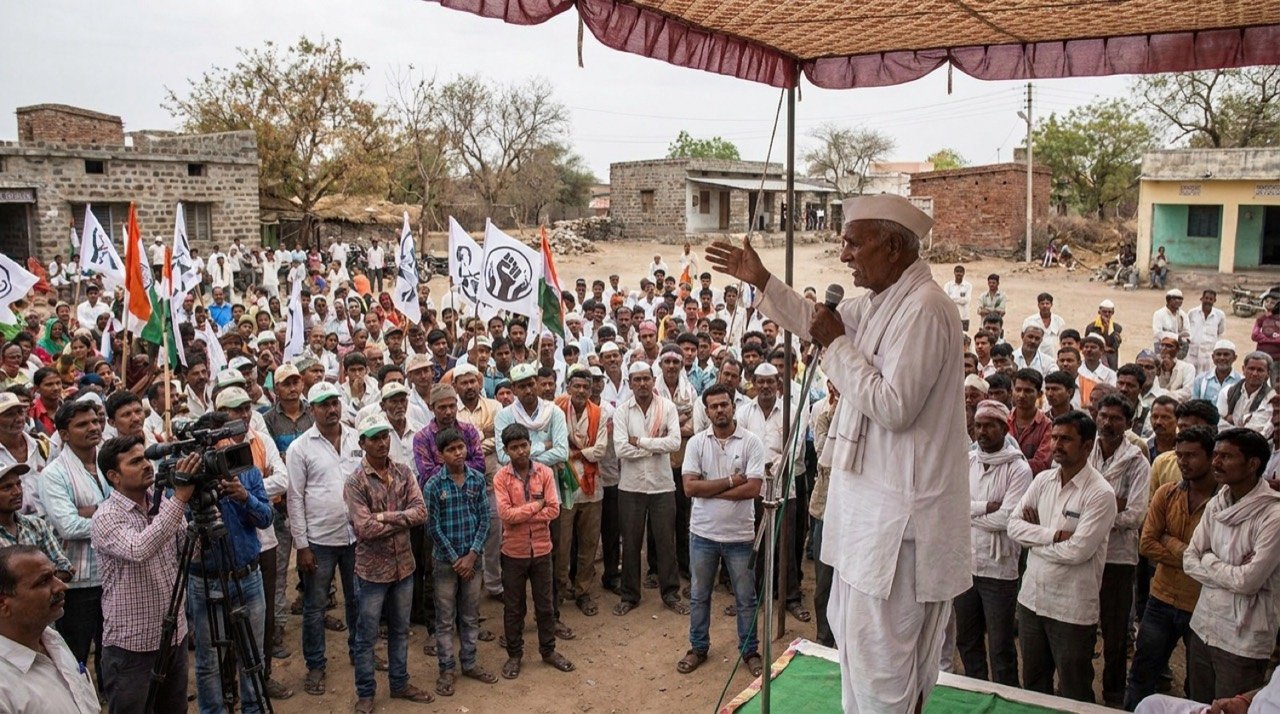
Anna Hazare Warns of July 5 Hunger Strike Over Maharashtra RTI Rule Changes
Veteran activist Anna Hazare has threatened an indefinite fast from July 5 at Ralegan Siddhi unless Maharashtra rolls back amendments to its Right to Information rules that he says could weaken citizens' access to information.
More from this section
More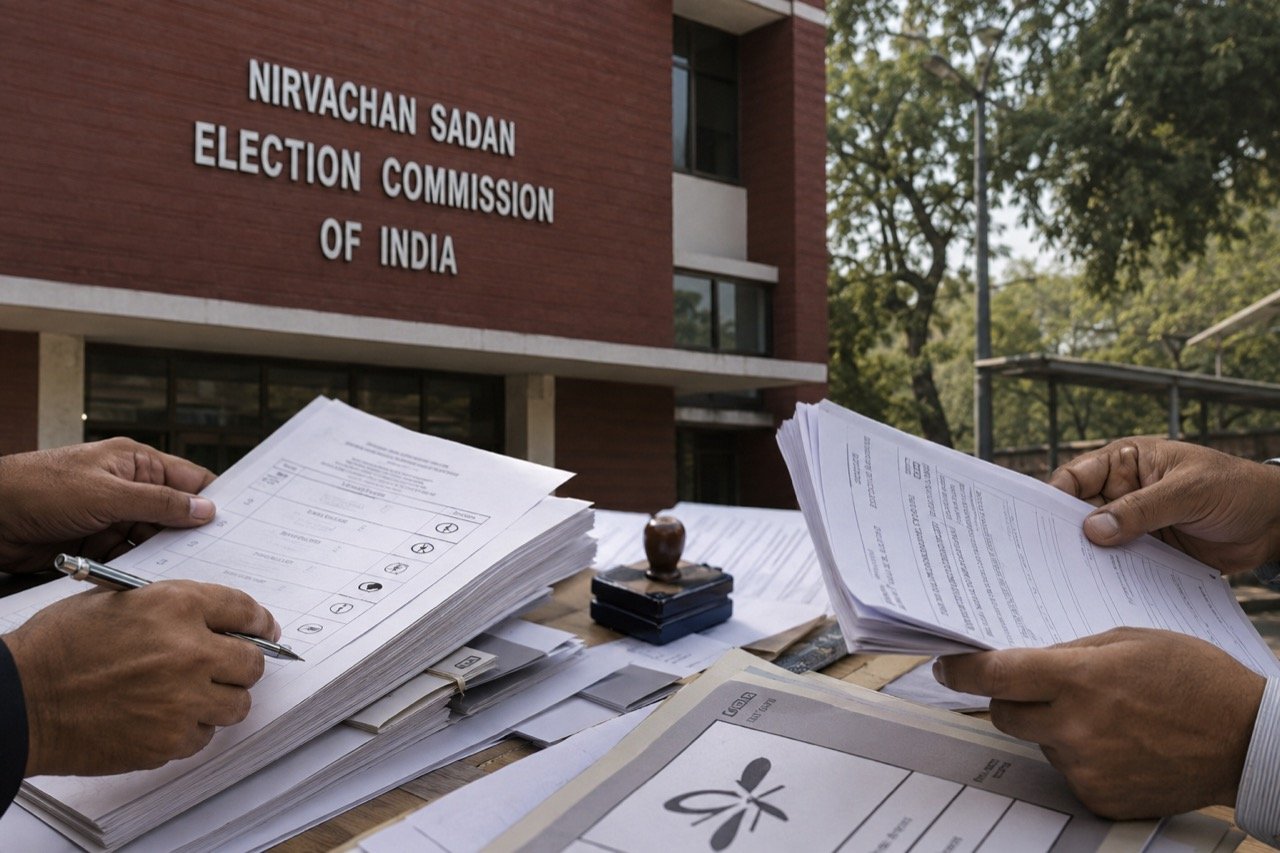
K Kavitha Party Denied TRS Name by Election Commission
The Election Commission has refused to register K Kavitha's Telangana Rakshana Sena under the TRS acronym after objections, forcing a branding reset for the new party at a politically sensitive moment in Telangana.
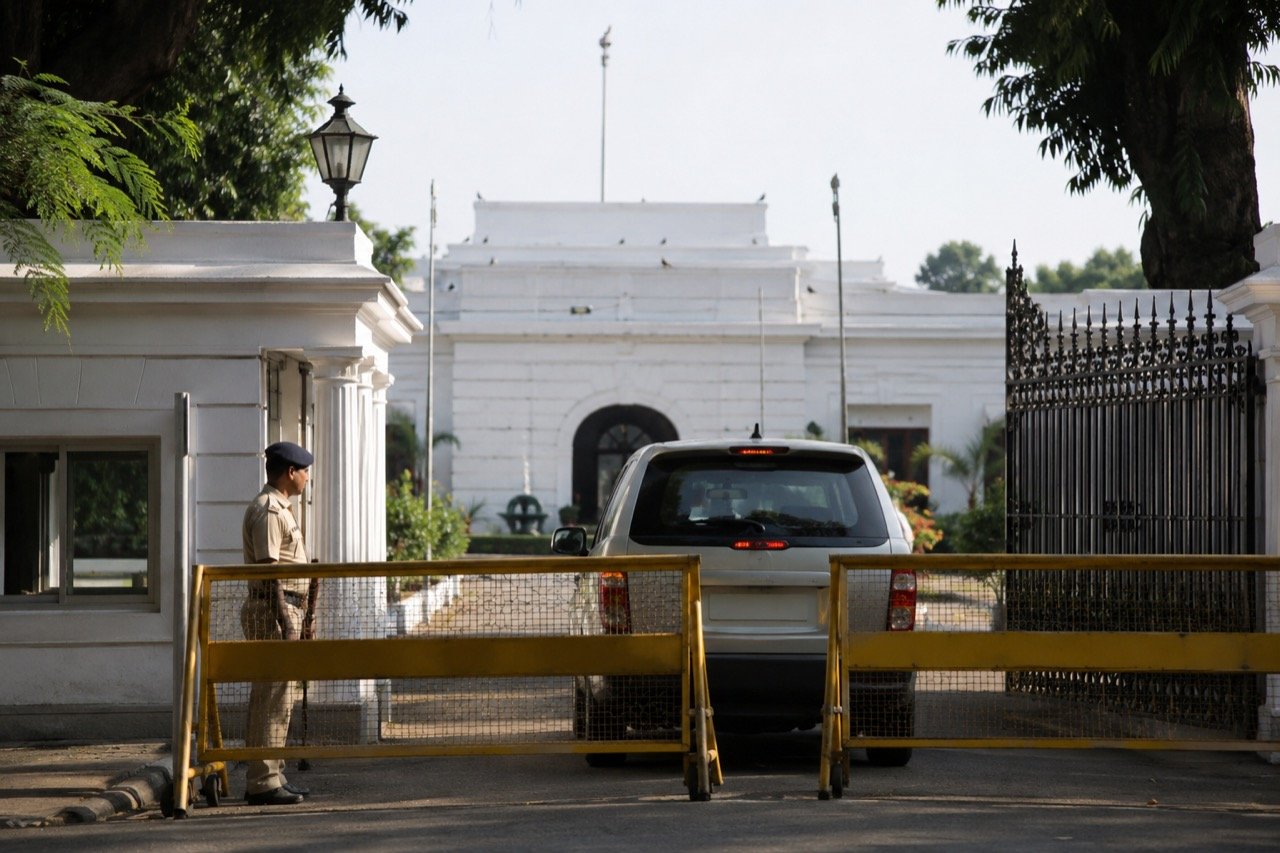
Lalu Prasad Yadav Security Downgrade, Bungalow Order Stir Bihar
A government order downgrading Lalu Prasad Yadav's security cover and asking him to vacate an official bungalow has opened a fresh political flashpoint in Bihar, with the RJD chief's reaction fuelling the row.

Manipur CM's Churachandpur Visit: First Since 2023 Unrest
The Manipur Chief Minister travelled to Churachandpur for a BJP MLA's funeral, his first visit to the district since the 2023 violence, lending the sombre occasion an unmistakable political significance.