Europe's Record-Breaking Heatwave Turns Deadly as France Logs Its Hottest Day
A ferocious early-summer heatwave has shattered temperature records across Western Europe and killed hundreds, prompting red alerts, early monument closures and fresh caution for the thousands of Indian tourists and students heading there this season.
Commentary & Analysis ·
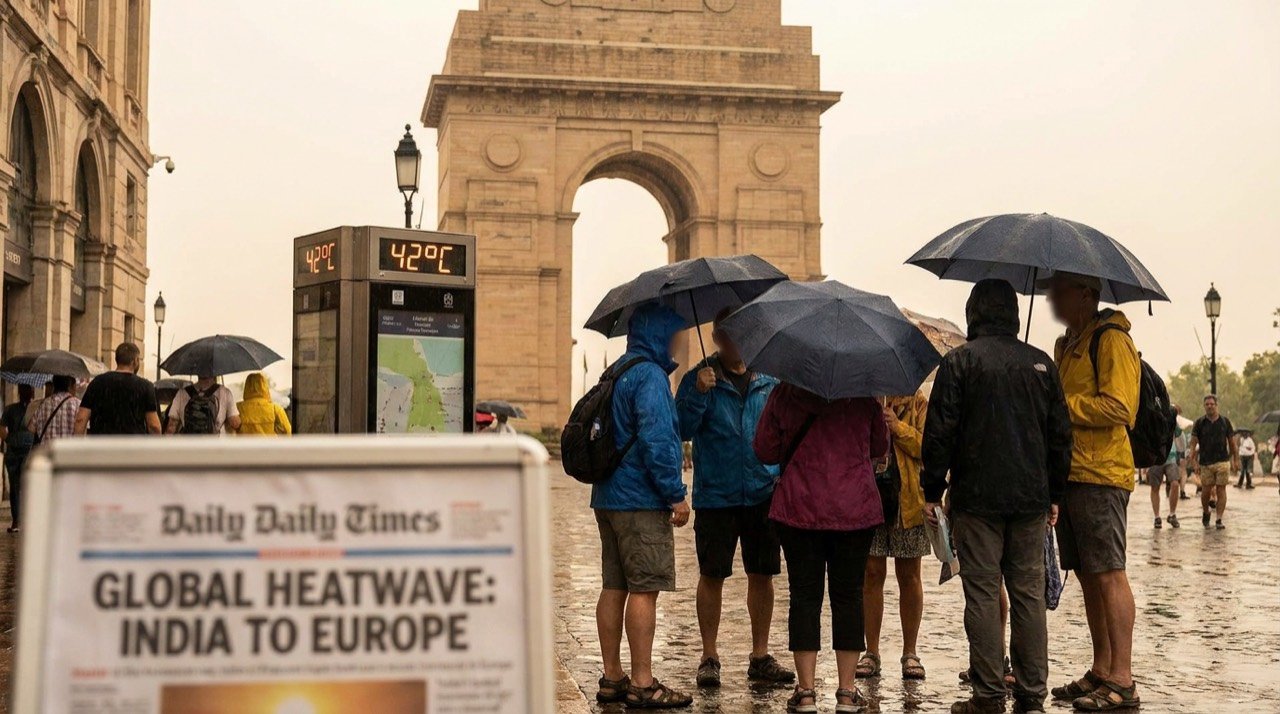
Western Europe is sweltering through one of its most severe early-summer heatwaves on record, with France logging its hottest day ever and authorities across several countries scrambling to protect populations unused to such extremes. The crisis, unfolding through the third week of June 2026, carries direct relevance for the large numbers of Indian holidaymakers, students and business travellers who flock to the continent each summer. A weather event unfolding thousands of kilometres away has, in a matter of days, become a matter of practical concern for Indian families with relatives studying in London, children on school exchange programmes in Germany, or parents booked on package tours to Paris and Rome this July.
Records fall, alerts spread
France recorded a peak of about 43 degrees Celsius in Les Herbiers in the southwest, while the central city of Poitiers broke a record that had stood since 1947. The national weather service placed dozens of areas under its highest red heatwave alert, in a country where widespread air conditioning is uncommon and the built environment is poorly suited to such temperatures. That last detail matters more than it might first appear. Much of France's housing stock, along with public buildings, schools and even hospitals, was designed for a temperate climate with mild summers, not for sustained days above 40C. The absence of air conditioning as a default feature, a choice that reflected both climate history and energy policy, has left the country structurally exposed as its climate shifts faster than its buildings can adapt.
Records were also broken or threatened in the United Kingdom, Ireland, Spain, Italy, Germany, Belgium and the Netherlands, with the heat straining power grids and public services across the region. The simultaneous nature of the stress is notable: this was not a localised anomaly but a continental event, touching countries with widely varying climates, infrastructure standards and public health systems. When power grids across multiple nations feel strain at the same time, it points to a shared vulnerability rather than an isolated failure, and it raises questions about how well-prepared even wealthy, developed economies are for the kind of heat that has become routine in parts of South Asia.
A rising death toll
Hundreds of heat-related deaths have been registered since the weekend of 21 June. In France, dozens of people drowned while trying to cool off in rivers and lakes despite warnings against unsupervised swimming, and others died directly from the heat, including children and the elderly. The pattern is a familiar one to public health researchers: heatwaves rarely kill through heatstroke alone. They compound existing vulnerabilities, straining the cardiovascular systems of the elderly, dehydrating young children faster than adults realise, and pushing desperate people toward unsafe means of relief, such as swimming in water bodies they do not know well. The drownings recorded in France illustrate this secondary danger vividly: the instinct to escape unbearable heat can itself become lethal when it leads people into currents, depths or conditions they cannot judge.
Iconic sites adjusted to the emergency, with the Eiffel Tower and the Louvre announcing shortened hours or early closures and many schools sending pupils home early or revising timetables. These are not small symbolic gestures. When a country's most visited landmarks, institutions that anchor its tourism economy and civic identity, are forced to curtail operations because of weather, it signals that the emergency has moved beyond an inconvenience and into the realm of a genuine public safety response. For families planning summer holidays around these very sites, the disruption is a direct, tangible consequence of the heatwave rather than an abstract statistic.
What this means for Indian travellers
For Indian travellers, the practical advice from health authorities mirrors guidance familiar from India's own punishing summers: stay hydrated, avoid midday exertion, and never enter unfamiliar water bodies to escape the heat. This familiarity is worth dwelling on. Indian travellers heading to Europe in summer have historically associated the continent with mild, pleasant weather, a relief from the heat back home rather than a continuation of it. That assumption no longer holds reliably, and it changes the calculus for what to pack, how to plan daily itineraries, and what precautions to take before departure.
Travel advisers are urging visitors to confirm whether accommodation and transport are air-conditioned before departure. This is a specific, actionable piece of guidance that Indian travellers should not treat as boilerplate. Many older hotels, guesthouses and even some intercity trains across Western Europe were built or configured without cooling systems, on the assumption that they would rarely be needed. A family arriving in the middle of a red-alert heatwave to un-air-conditioned lodging, with young children or elderly parents in tow, faces a genuinely difficult situation with few easy remedies once they have already arrived. Confirming cooling arrangements in advance, building flexibility into itineraries to avoid peak-heat hours for sightseeing, and carrying adequate water and electrolytes are simple steps that carry outsized importance in conditions like these.
The climate signal beneath the headlines
Scientists have repeatedly linked the rising frequency and intensity of such heat events to a warming climate, a theme that resonates in India, where heatwaves have grown longer and deadlier. The European episode underscores that no region is immune, and that adaptation is no longer optional. It is worth noting what makes this heatwave particularly instructive: it is occurring in some of the world's wealthiest nations, with well-resourced governments, advanced meteorological services and strong public health systems. If France, Germany and the United Kingdom are still caught adjusting reactively, shortening museum hours and sending children home from school, it suggests that the scale of adaptation required for a warming world is larger than even developed economies have yet built for.
For India, a country that has spent decades refining heat action plans, early-warning systems and emergency response protocols precisely because of its own experience with extreme summer temperatures, the European crisis offers a mirror rather than a distant news item. The infrastructure gaps visible in France, limited air conditioning, buildings not designed for extreme heat, are gaps that many Indian cities are still working to close as well, even as temperatures at home continue to climb.
The NE Times View
Europe's deadly heat is a warning India cannot afford to read as someone else's crisis. If the continent's mature infrastructure is buckling at these temperatures, the lesson for Indian cities, already facing fiercer summers, is stark. For the thousands of Indian students and tourists abroad, practical caution is essential now. But the deeper takeaway is that heat is becoming a mass-casualty threat, and preparedness, not fatalism, must follow. This is not merely a matter of packing sunscreen and carrying water bottles. It is a matter of governments, transport operators, educational institutions hosting Indian students, and travel companies building genuine resilience into their planning, from cooling infrastructure to emergency protocols, before the next heatwave arrives rather than after it has already claimed lives.
Key takeaways
- France recorded its hottest day on record at about 43C in Les Herbiers, with Poitiers breaking a record dating to 1947, and dozens of areas placed under the highest red heatwave alert.
- Hundreds of heat-related deaths have been registered across Europe since 21 June, including drownings in France as people sought relief in unsupervised waters.
- Major landmarks including the Eiffel Tower and the Louvre shortened hours, and many schools sent pupils home early, signalling the scale of the emergency.
- Indian travellers should confirm air conditioning in accommodation and transport before departure, stay hydrated, avoid midday exertion, and avoid unfamiliar water bodies.
- The episode reinforces that heat is a growing global public health threat, with direct relevance to India's own experience of intensifying summer extremes.
You may also like to read
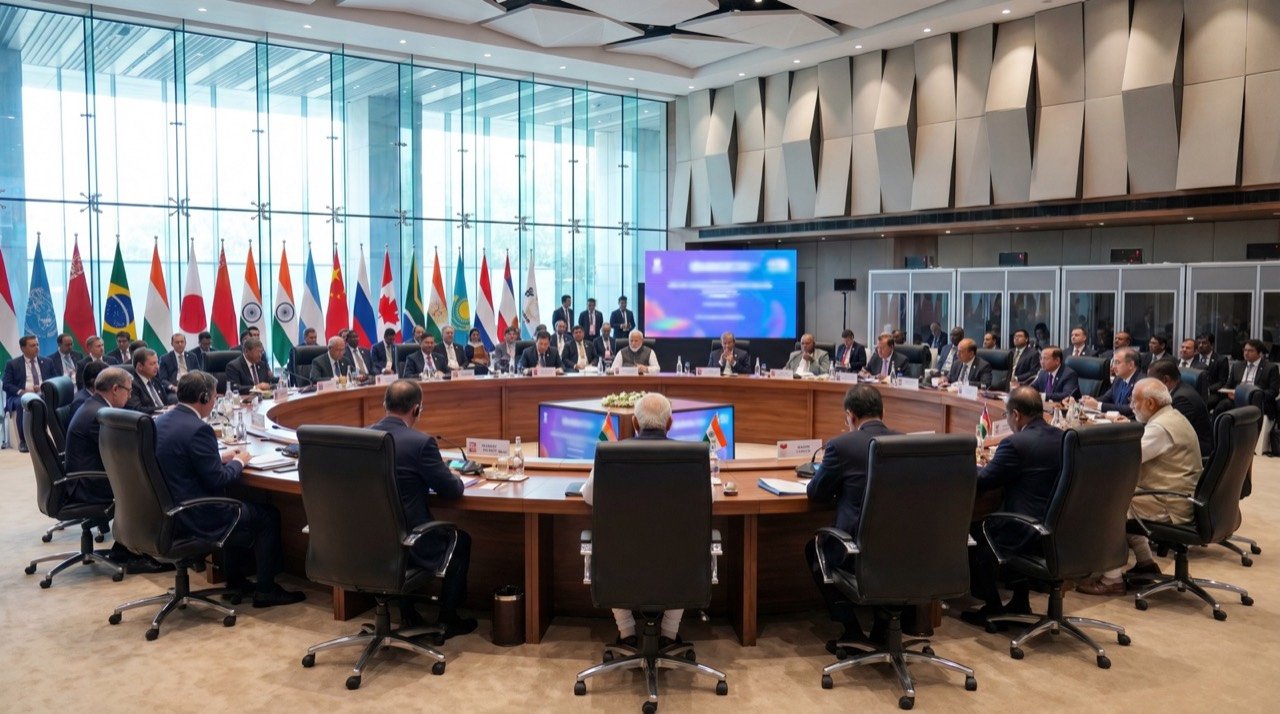
Exceptional Early Heatwave Shatters Records Across Europe
An unusually intense bout of heat arriving weeks ahead of the typical summer peak has broken temperature records from Portugal to Britain, with scientists pointing to climate change.
Scientists Warn Of More Heat Records Ahead As Atlantic Current Nears Tipping Point
A WMO forecast projects near-record global temperatures through 2030 as researchers raise fresh alarm that a key Atlantic ocean current may be approaching collapse.
India Hosts Regional Summit, Pushing Trade and Climate Cooperation
Leaders gathered for talks aimed at deepening regional trade ties and coordinating action on climate resilience.
Pakistan Unveils Record Defence Budget While Bowing to IMF Targets
Islamabad's 18.77 trillion-rupee budget pushes military spending past three trillion rupees for the first time, even as the government holds the line on fiscal targets set by the International Monetary Fund.
More from this section
More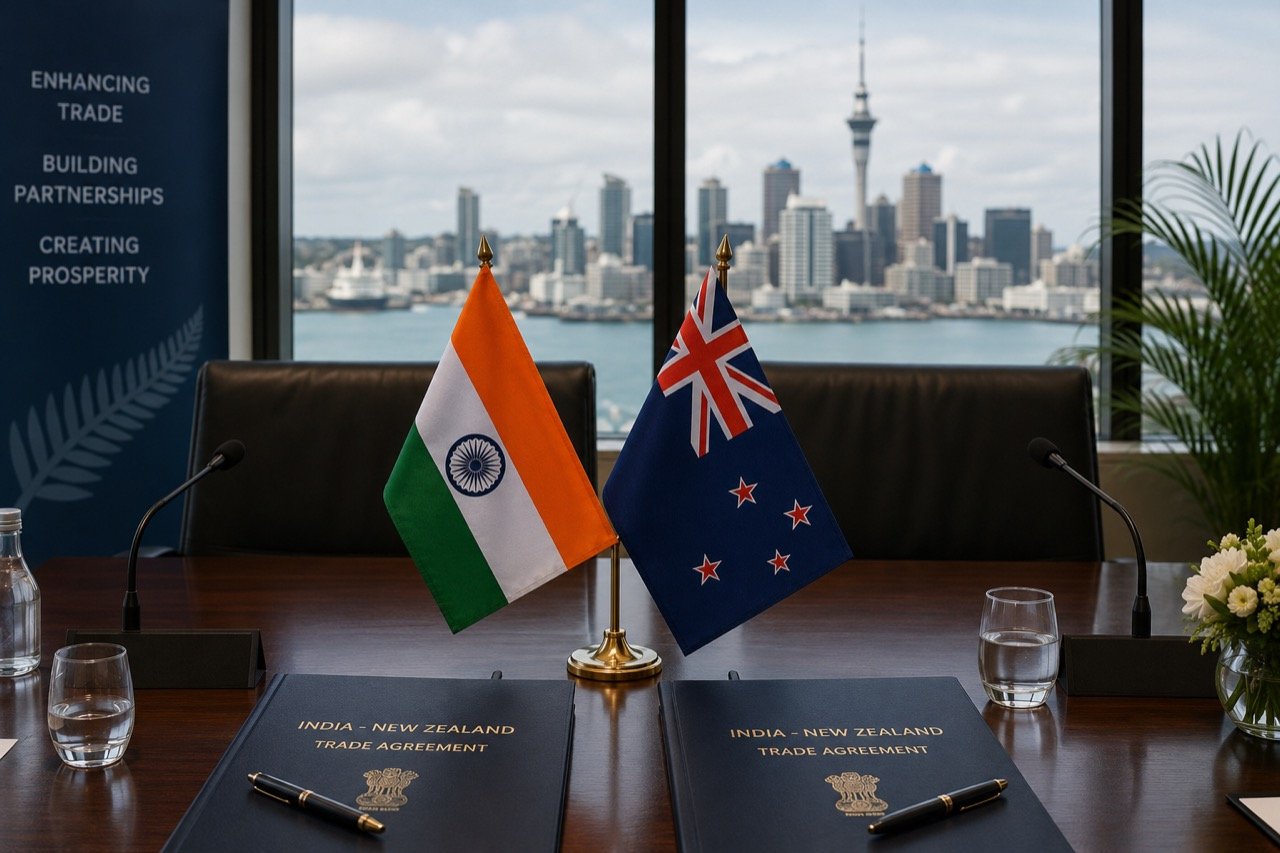
India-New Zealand Ties: Visit Plans Put FTA and Diplomacy in Focus
Reports of a planned high-level India-New Zealand engagement have revived attention on free trade talks, professional mobility and Indo-Pacific cooperation between two partners with clear room to grow.

Modi Greets Trump on US 250th Independence Day, Hails Partnership
Prime Minister Narendra Modi marked America's 250th Independence Day with a message to President Trump, saying the next 250 years should lift the India-US partnership to new heights.
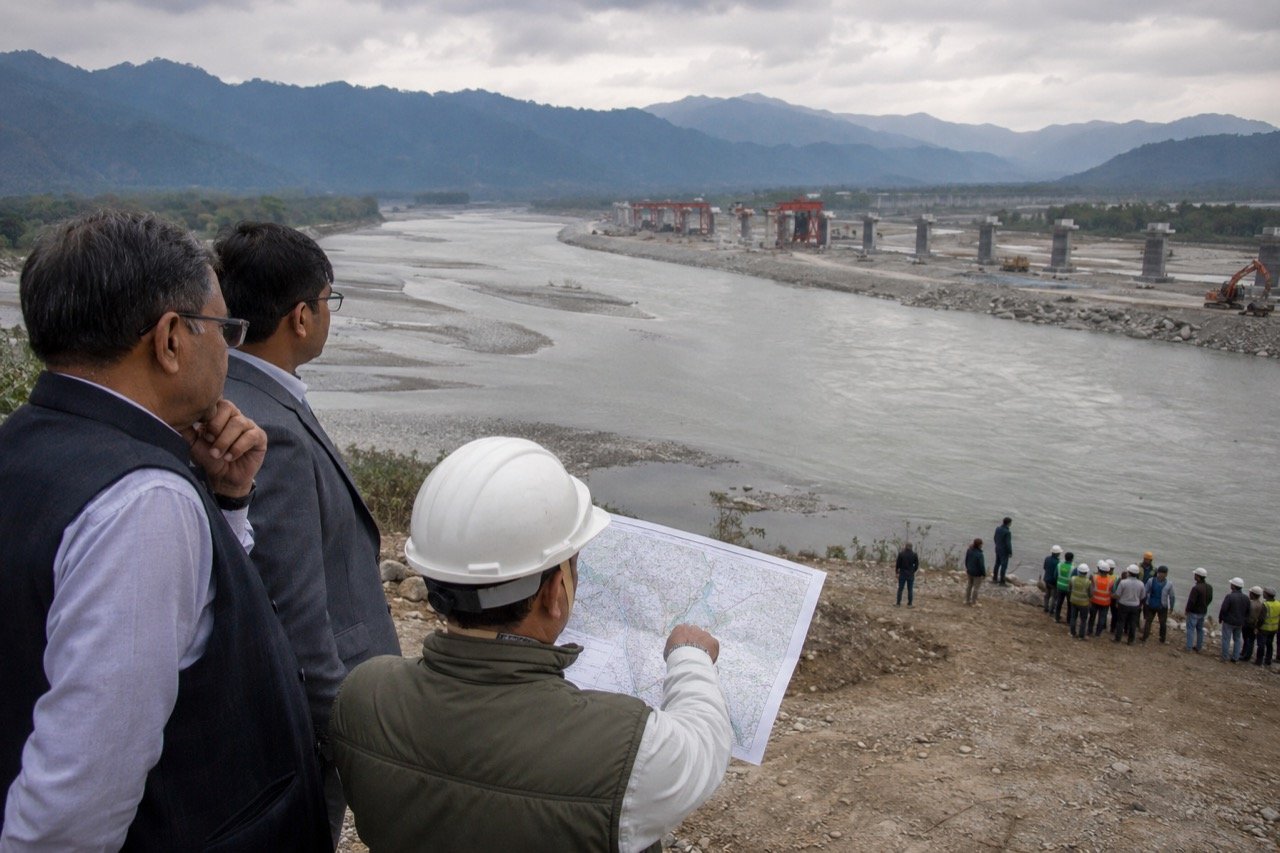
India Watches Dhaka's China-Backed Teesta Plan as Stakes Rise
New Delhi is closely tracking Bangladesh's proposal to develop the Teesta river with Chinese assistance, a move that revives one of South Asia's most sensitive water-sharing disputes and tests regional strategic trust.