Delhi Bets on World Bank-Backed Seven-Year Clean Air Plan
A World Bank-supported seven-year air pollution mitigation plan has put Delhi's clean-air debate back in focus, shifting attention from seasonal emergency curbs to sustained, year-round governance of the capital's toxic air.
Commentary & Analysis ·
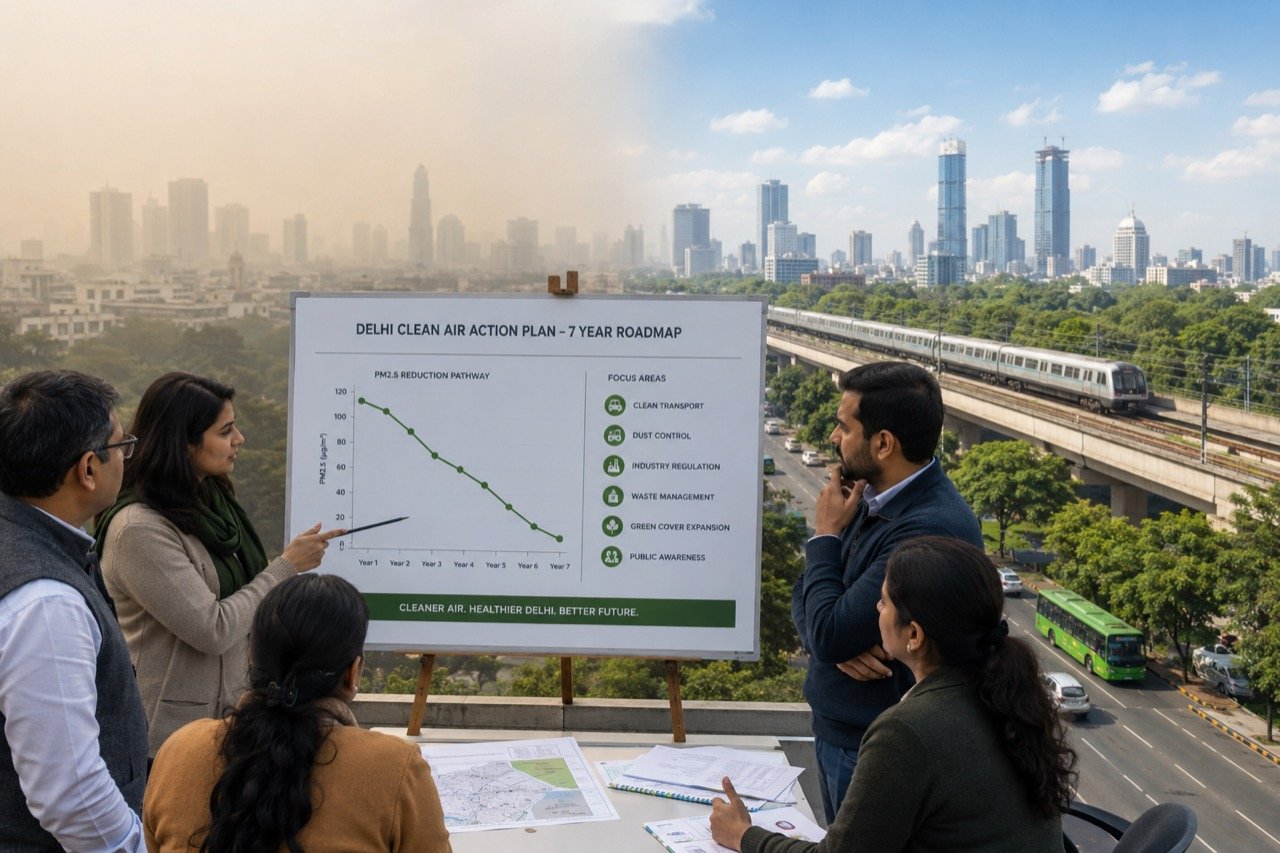
Delhi's air pollution challenge has returned to civic-policy headlines with a seven-year mitigation plan backed by the World Bank entering the city's governance agenda. The development matters because the capital's pollution debate typically peaks during winter emergencies, while durable improvement demands planning that runs all year round. For a city where the arrival of cooler months has, for over a decade, coincided with a ritual of stop-gap measures, the idea of a multi-year framework is itself a departure from the pattern residents have come to expect.
From crisis response to sustained systems
A seven-year framework signals a shift away from short-term restrictions towards sustained systems: transport reform, dust control, industrial compliance, waste management, continuous monitoring, public health data and coordination with neighbouring states. Each of these strands, taken individually, has featured in earlier Delhi pollution plans. What distinguishes this iteration is the attempt to bind them together into a single, multi-year architecture rather than a set of disconnected winter directives. Transport reform touches vehicle fleets and fuel standards. Dust control reaches into construction sites and road maintenance. Industrial compliance requires monitoring emissions from units scattered across the National Capital Region. Waste management intersects with both air and water quality. Taken together, these are not measures that can be switched on in October and switched off in February; they require year-round institutional attention.
International funding and technical support can accelerate this work, but execution across Delhi's many overlapping agencies remains the central challenge. The capital's governance structure, split between the Delhi government, the Municipal Corporation of Delhi, the Delhi Development Authority, central government bodies and neighbouring state administrations, has historically been where well-intentioned plans have stalled. World Bank involvement typically brings not just financing but also technical benchmarking and reporting discipline, which could, in principle, impose a rhythm of accountability that purely domestic initiatives have lacked.
Why the stakes are hard to overstate
Polluted air affects children, older adults, outdoor workers and anyone with respiratory or cardiac vulnerability. These are not abstract categories; they describe a large share of Delhi's population, from schoolchildren whose lung development is affected during formative years, to construction labourers and street vendors who cannot avoid outdoor exposure regardless of the air quality index on a given day. Hospitals in the capital have long reported seasonal spikes in respiratory admissions that track closely with pollution episodes, placing strain on an already stretched public health system.
It is also an economic problem, dragging on productivity, inflating healthcare costs and diminishing the liveability that a capital city needs to attract talent and investment. Businesses weighing where to locate offices, and professionals weighing where to build careers, increasingly factor air quality into decisions that were once determined purely by economic opportunity. A capital perceived as unlivable for several months of the year carries a reputational cost that compounds over time, affecting everything from tourism to the willingness of skilled workers to relocate.
What would make the plan real
The test of the plan will be transparency: published timelines, budgets, clearly assigned agency responsibilities and public dashboards that let residents track progress. Delhi's residents have, over the years, become familiar with plans announced with considerable fanfare that quietly lose momentum once the immediate crisis passes and media attention moves elsewhere. A seven-year plan is particularly vulnerable to this pattern precisely because its long horizon makes it easy to defer accountability to a future administration or a future budget cycle.
Without published elements of transparency, even a well-designed framework risks becoming another file in the system, indistinguishable from previous action plans that existed largely on paper. With them, Delhi could finally move from crisis reaction to sustained air-quality governance measured against real targets rather than announcements. The distinction matters enormously: a target with a date and a named responsible agency is a commitment that can be checked; an announcement without either is merely a statement of intent.
The coordination problem across state lines
Delhi's pollution is not solely a Delhi problem. Coordination with neighbouring states is explicitly part of the framework, reflecting the reality that stubble burning, industrial emissions and vehicular traffic across the National Capital Region do not respect administrative boundaries. Previous efforts to align Delhi's air quality measures with those of neighbouring states have run into friction over resources, political incentives and differing priorities. A seven-year plan that depends on sustained inter-state cooperation will need mechanisms robust enough to survive changes in state governments and shifting political alignments over the life of the programme, which is a considerably higher bar than coordinating for a single winter season.
What to watch next
Observers should watch for several concrete signals in the months ahead: whether a public dashboard is actually launched and kept updated, whether budgets for each strand of the plan, transport, dust, industry, waste and monitoring, are published with specific figures, and whether any single agency is named as accountable for each milestone. Equally telling will be how the plan's proponents respond to the first missed deadline. A programme that quietly revises its own targets without public acknowledgement will confirm residents' scepticism; one that reports shortfalls honestly and explains corrective steps will begin to build the credibility that seven years of promises alone cannot.
The NE Times View
Delhi has never lacked pollution plans; it has lacked plans that outlive a single winter or a single government. A seven-year horizon with World Bank backing is welcome precisely because it forces the question of continuity across election cycles and administrative reshuffles. The measure of seriousness will not be the launch event but the first public dashboard, the first missed milestone honestly reported, and the first agency held accountable for it. Delhi's residents should judge this plan by what it publishes, not what it promises.
Key takeaways
- A seven-year, World Bank-backed plan shifts Delhi's pollution response from winter-crisis mode to a sustained, year-round governance framework covering transport, dust, industry, waste and monitoring.
- International financing and technical support can accelerate progress, but success ultimately depends on execution across Delhi's fragmented, overlapping agencies.
- Air pollution carries both a public health cost, felt most by children, the elderly, outdoor workers and the vulnerable, and an economic cost tied to productivity, healthcare spending and the capital's liveability.
- Published timelines, budgets, named agency responsibilities and public dashboards are the features that would separate this plan from past announcements that faded after the winter news cycle.
- The plan's coordination with neighbouring states will be a key test, given that pollution sources in the National Capital Region routinely cross administrative boundaries.
You may also like to read
Neelkanth Mishra Appointed India's Executive Director at the World Bank
The Appointments Committee of the Cabinet cleared the economist's selection for a three-year term, placing a prominent voice on India's economy in a key multilateral role.
Maharashtra Milk Crackdown Puts Food Safety Back on the Agenda
Enforcement drives against milk adulteration in Maharashtra have revived public debate on food quality, spotlighting the need for regular testing, supply-chain vigilance and consumer awareness across India's most-consumed daily staple.
Searing Heat Grips North India As Modi Orders Ministries On High Alert
With temperatures crossing dangerous levels across the north, the IMD has issued widespread heatwave alerts and the Prime Minister has directed ministries and states to step up the emergency response.
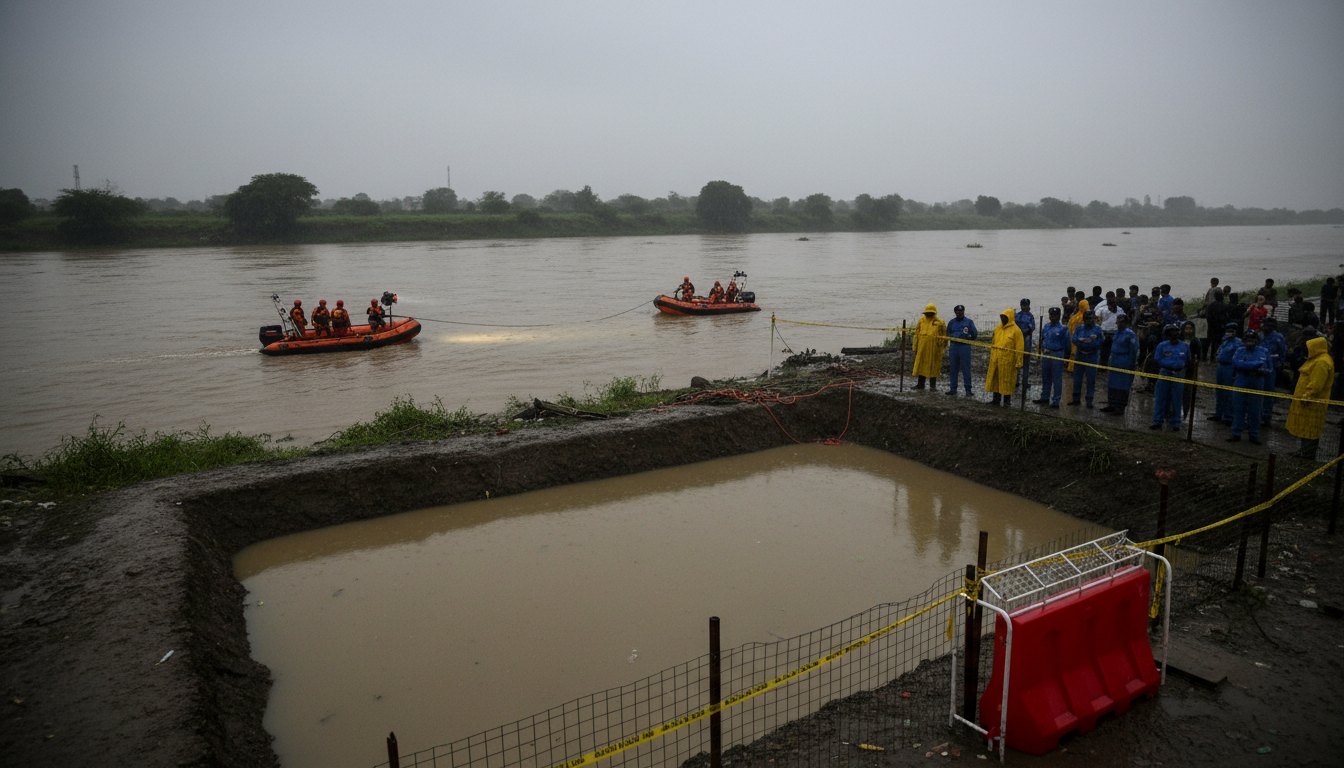
Delhi Monsoon Tragedy: Two Children Drown in Rain-Filled Pit as Search Continues for Four Missing in Yamuna
Separate incidents in Outer North Delhi show how ordinary neighbourhood spaces and riverbanks can turn lethal during the monsoon.
More from this section
More
AICTE Industry Fellowship 2026: Rs 1.5 Lakh Scheme Closes July 5
The AICTE Industry Fellowship Programme 2026, which places technical-education faculty inside leading companies on a Rs 1.5 lakh monthly stipend, reached its application deadline on July 5.
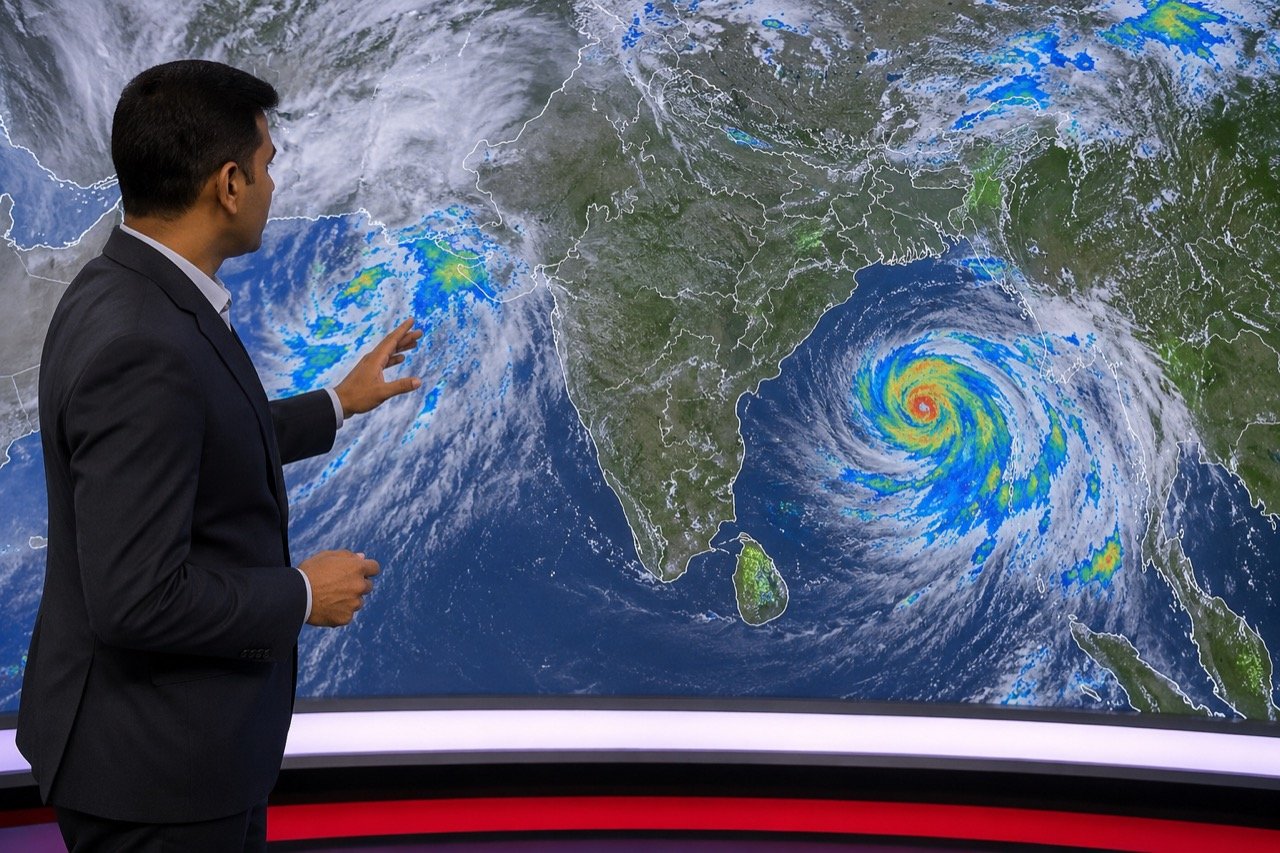
Bay of Bengal Low Pressure System Revives Monsoon Over Western India
A low-pressure system over the Bay of Bengal has pushed the monsoon back into an active phase, bringing steady heavy rain to Kerala, coastal Karnataka and Maharashtra, and putting Mumbai and Pune on preparedness watch.
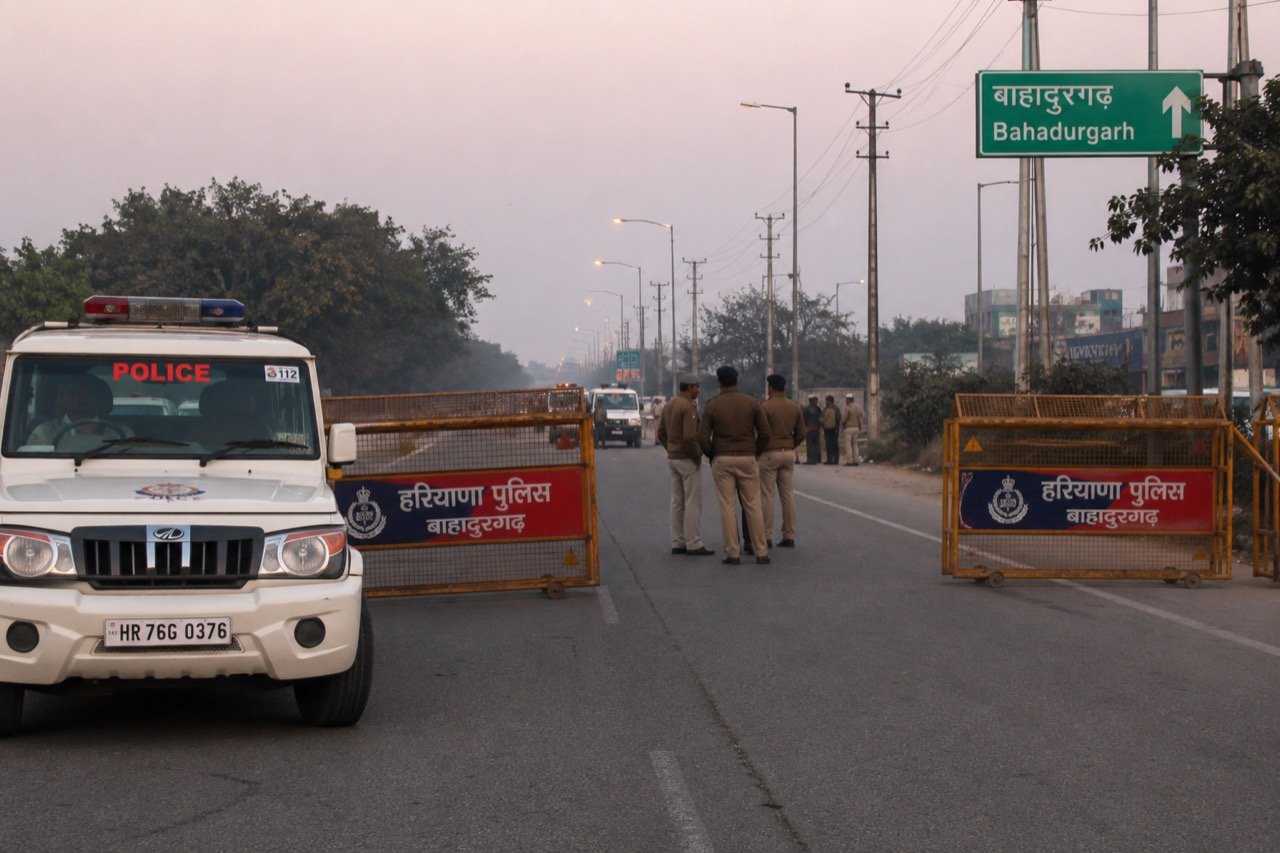
Bishnoi Gang Suspects Injured in Haryana Encounter as Police Tighten Net
A joint Haryana-Delhi Police operation in Bahadurgarh left two suspected Lawrence Bishnoi gang members injured, spotlighting the multi-state coordination now central to India's fight against organised crime networks.