Bareilly Mall Lift Outage Traps 13 for 35 Minutes, Reviving Building-Safety Questions
A power failure trapped 13 people, including women and children, in a lift at Bareilly's City Centre LA Mall for about 35 minutes, reigniting concern over backup power and lift-safety standards in busy commercial buildings.
Commentary & Analysis ·
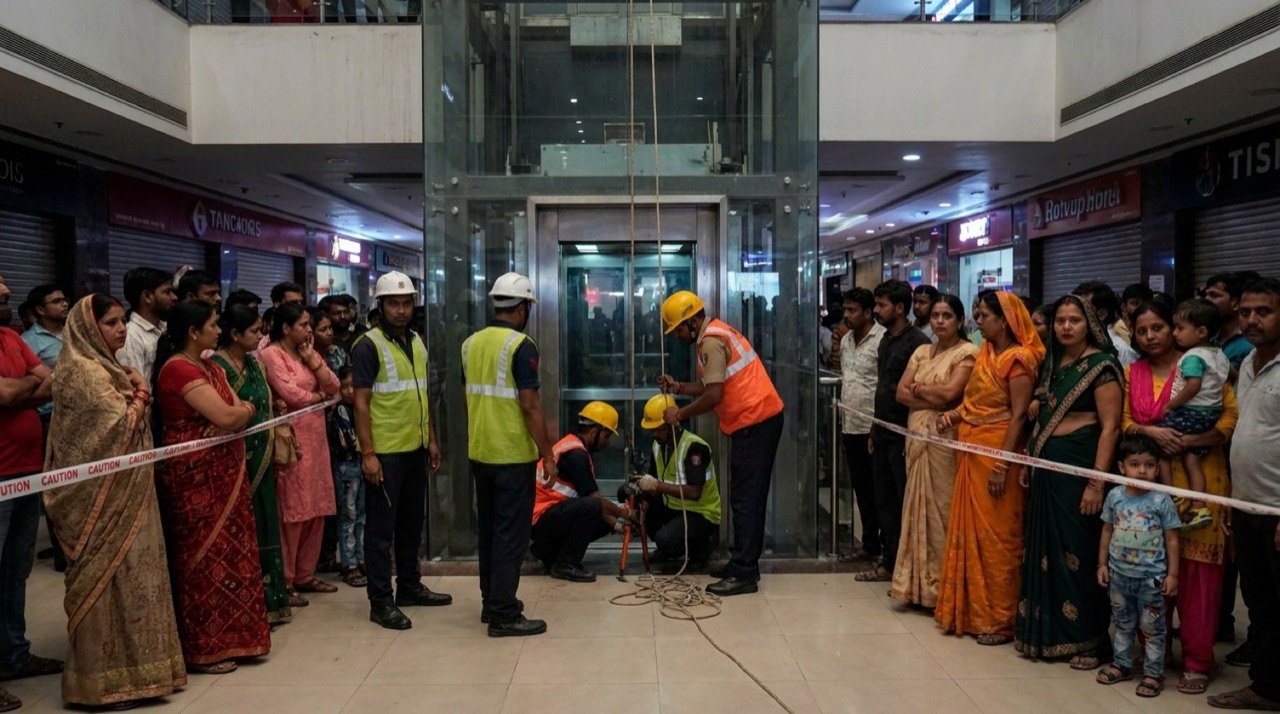
A power outage at the City Centre LA Mall in Bareilly trapped 13 people, including women and children, inside a lift for roughly 35 minutes, according to local reports. The episode, which ended in a rescue, has reopened uncomfortable questions about whether crowded commercial buildings in India's growing cities are equipped to keep visitors safe when the electricity fails.
What happened
Officials said the lift stalled between floors after an electrical failure, leaving the occupants stranded as anxiety built inside the stationary cabin. Emergency help was summoned, and reports said one teenager fainted amid the panic before the group was brought out safely. No serious injuries were reported, but the half-hour ordeal was frightening for those caught inside.
The incident is notable precisely because it occurred in an everyday setting. Malls are routine public spaces for families, not high-risk environments, which is why their safety systems are expected to function even during a power disruption.
The safety gaps in focus
The episode has drawn attention to the chain of systems that should prevent exactly this kind of entrapment: reliable backup power, regular lift maintenance, functional emergency alarms and intercoms, and staff trained to respond quickly. When a single point in that chain fails, occupants can be left dependent on outside rescuers arriving in time.
A well-maintained lift connected to a working generator should resume operation or move to the nearest floor during an outage. The fact that the cabin remained stuck between floors points to questions about backup arrangements and maintenance that building managers will be pressed to answer.
Accountability and prevention
For shoppers and tenants, the takeaway is that building safety is not optional infrastructure but a daily necessity. Experts have long argued for periodic inspection, properly serviced generators, clear evacuation protocols and visible accountability from operators of commercial premises.
- Backup generators that engage automatically during a power cut.
- Routine, documented lift maintenance and load testing.
- Working emergency alarms, intercoms and lighting inside cabins.
- Trained staff and clear evacuation and rescue protocols.
- Regular safety inspections with accountability for building managers.
“Malls are everyday public spaces, not high-risk places, which is exactly why their safety systems must work even during a power disruption.”
— Public-safety advocates
Looking ahead, the Bareilly incident is likely to prompt renewed scrutiny of safety compliance at malls and other high-footfall buildings across Uttar Pradesh and beyond. Whether it leads to tighter enforcement or fades as a one-off scare will depend on follow-up by local authorities. For the families who were stuck, the lesson is already clear: in busy public buildings, the systems meant to protect them must hold even when the lights go out.
The NE Times View
Thirty-five minutes trapped in a stalled lift is a near-miss, not a footnote. India's mall-building boom has outpaced enforcement of the dull-but-vital basics, backup power, rescue protocols, regular inspections, that separate inconvenience from catastrophe. The test for Bareilly's authorities is whether this prompts an audit of commercial premises or merely a press statement. Safety standards on paper mean little if no one checks they are working when the power actually fails.
This article is original commentary and analysis by The NE Times. Background facts were referenced from The Times of India and ThePrint.
You may also like to read
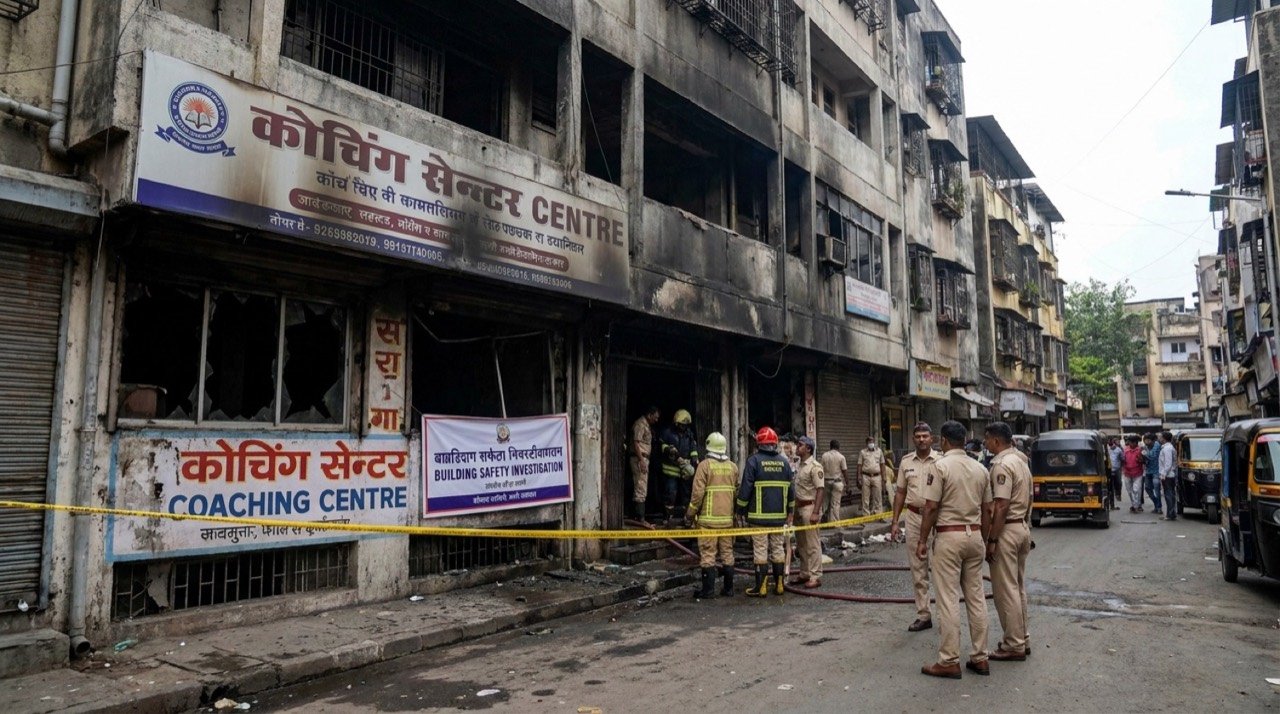
Lucknow Coaching Centre Fire: Probe Spotlights Ignored Building-Safety Warnings
A deadly fire at a coaching centre in Lucknow's Aliganj that killed 15 people has widened into an investigation of building-safety failures, with four arrests, an SIT probe and a fresh demolition notice.
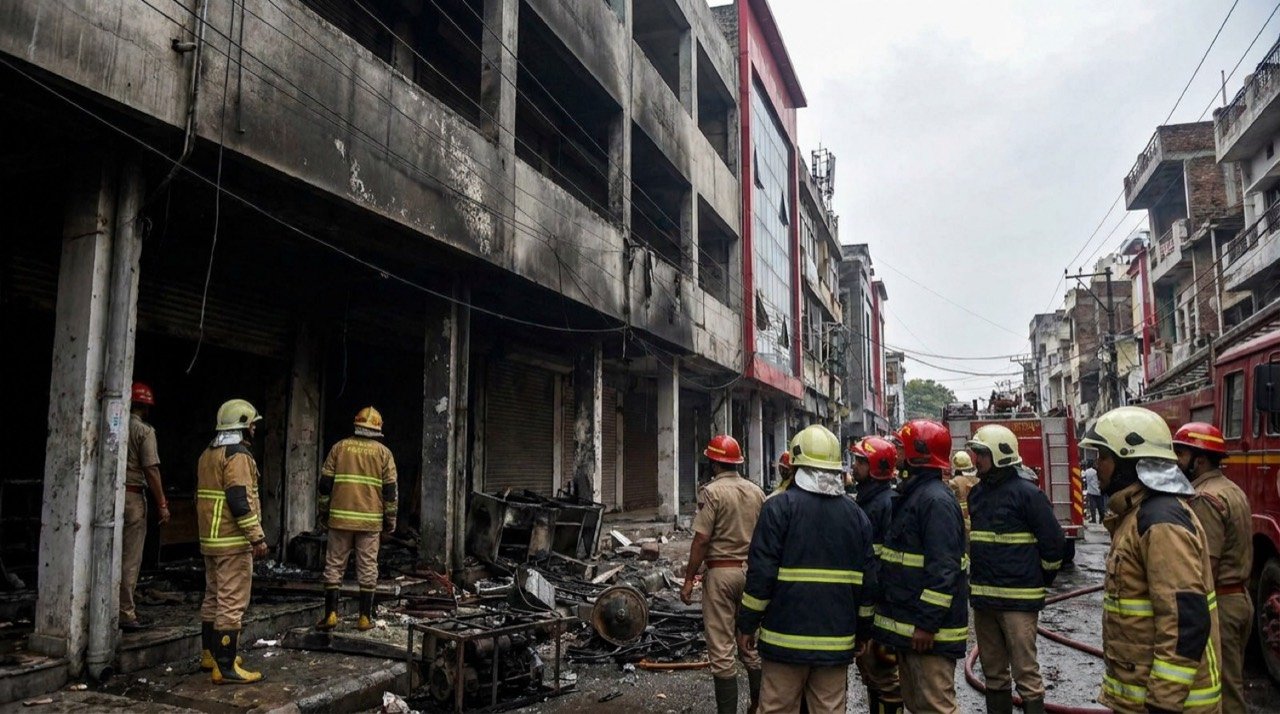
Lucknow Fire Probe Widens, Building Safety Under Scrutiny
A deadly fire in Lucknow's Aliganj that killed 15 people in a coaching-and-studio building has triggered demolition notices, suspensions and arrests, with illegal commercial use and blocked exits now in focus.
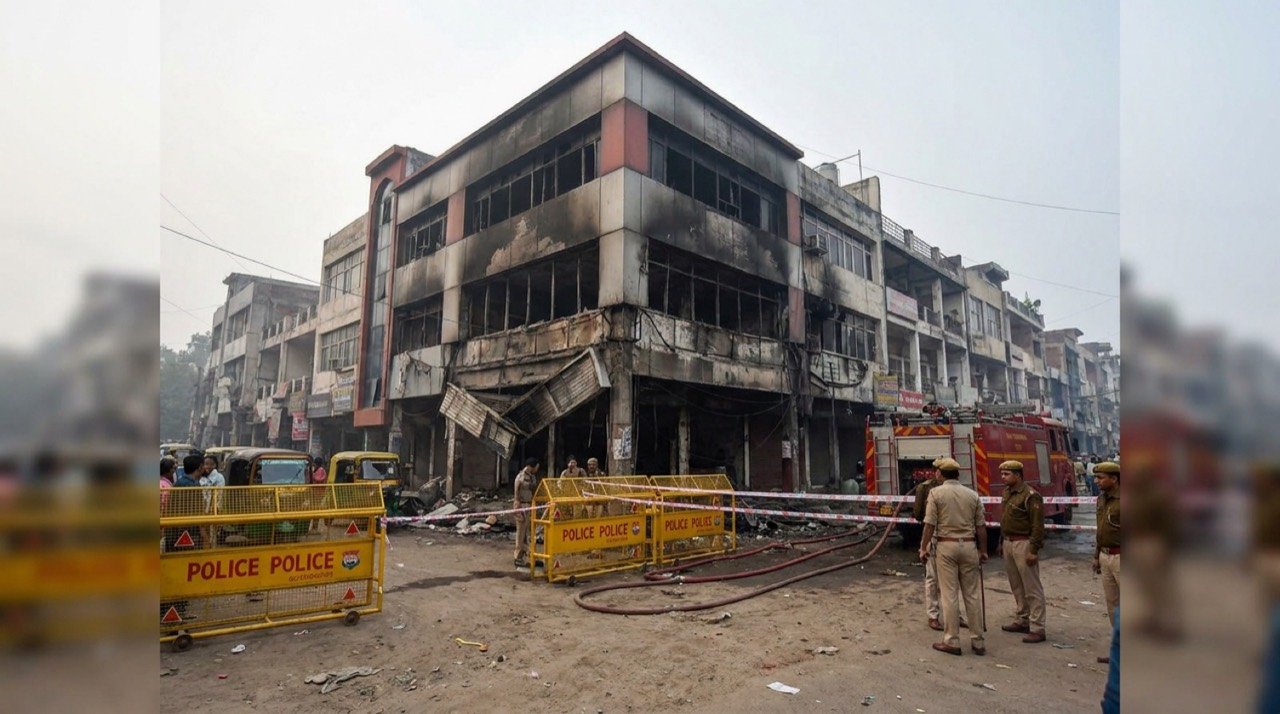
Lucknow Fire Probe Widens After Arrests and Suspensions Over Aliganj Tragedy
Fifteen people died in a fire at a Lucknow commercial building as police make arrests, four officials face suspension and scrutiny turns to fire exits, approvals and inspection failures.
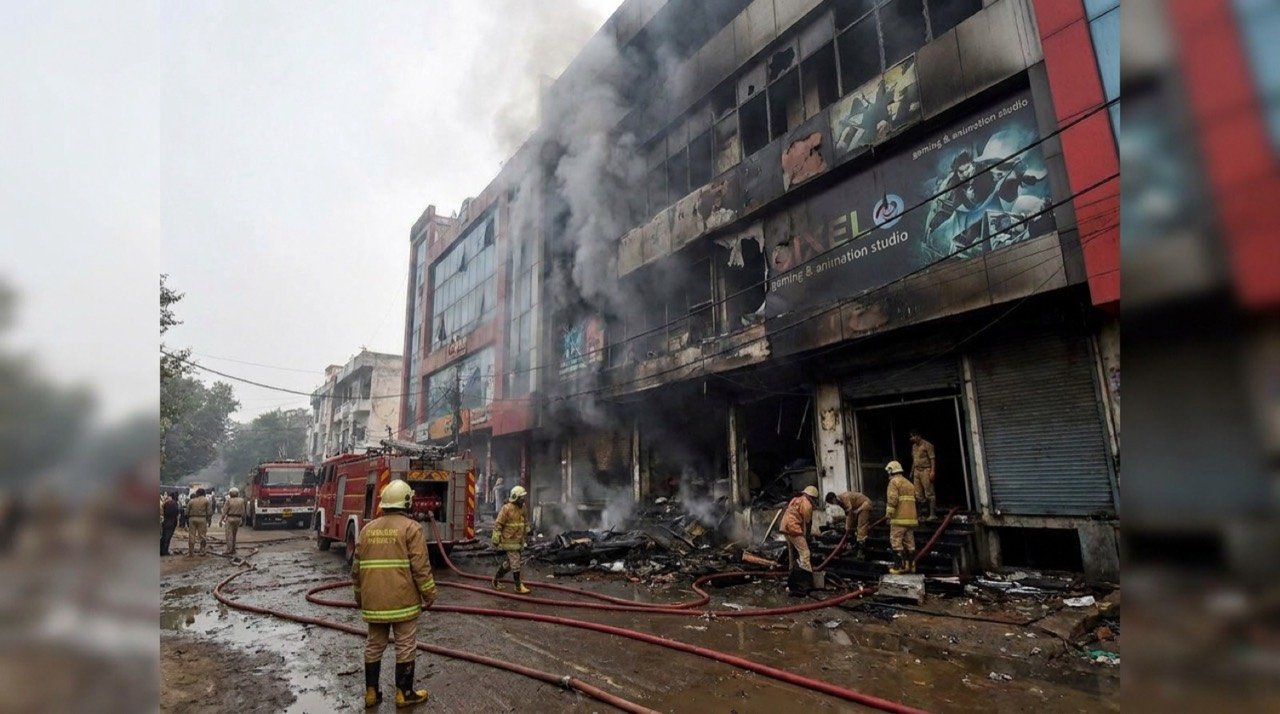
Lucknow Fire Exposes Urgent Fire-Safety Gaps in Commercial Coaching Hubs
A blaze that killed at least 15 people, many of them young trainees, has triggered a Special Investigation Team probe and renewed national alarm over fire safety in crowded coaching and studio buildings.
More from this section
More
AICTE Industry Fellowship 2026: Rs 1.5 Lakh Scheme Closes July 5
The AICTE Industry Fellowship Programme 2026, which places technical-education faculty inside leading companies on a Rs 1.5 lakh monthly stipend, reached its application deadline on July 5.
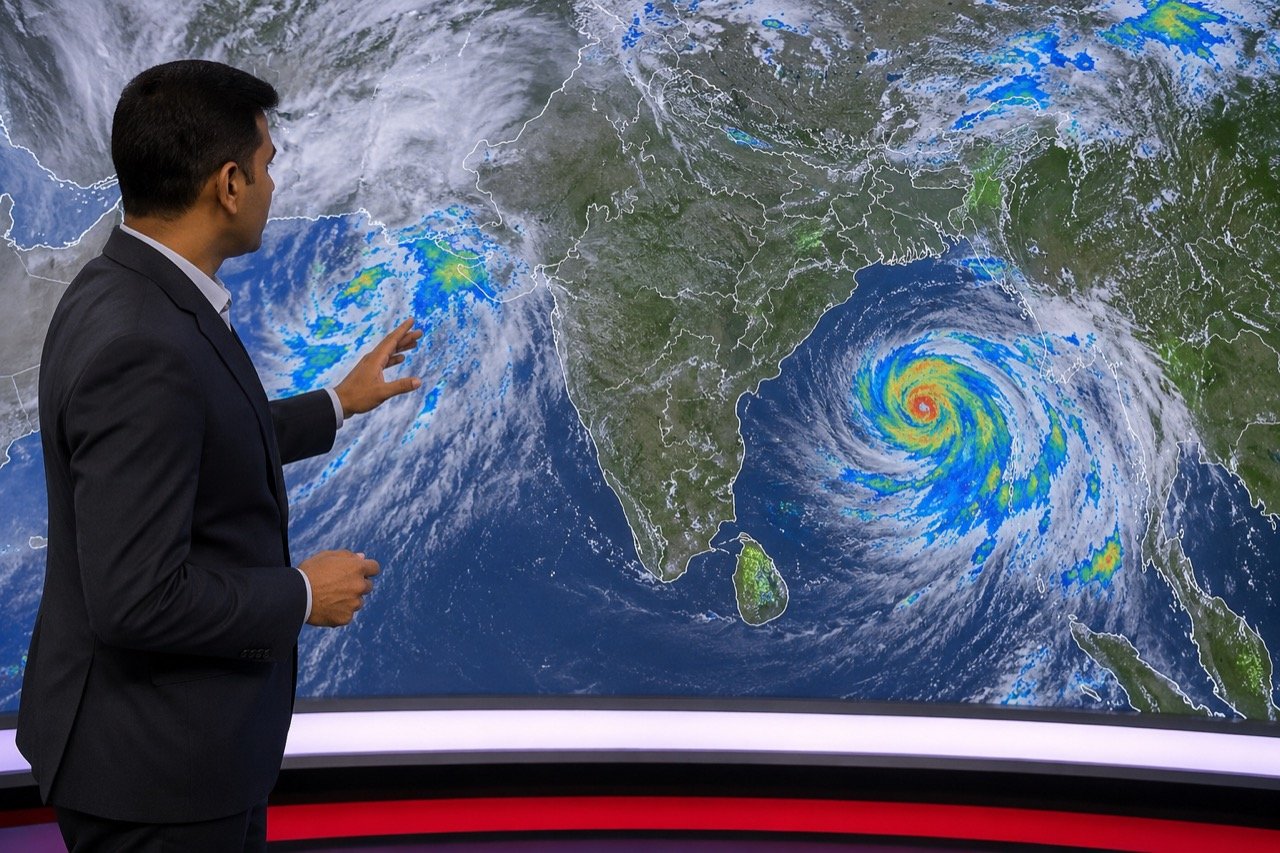
Bay of Bengal Low Pressure System Revives Monsoon Over Western India
A low-pressure system over the Bay of Bengal has pushed the monsoon back into an active phase, bringing steady heavy rain to Kerala, coastal Karnataka and Maharashtra, and putting Mumbai and Pune on preparedness watch.
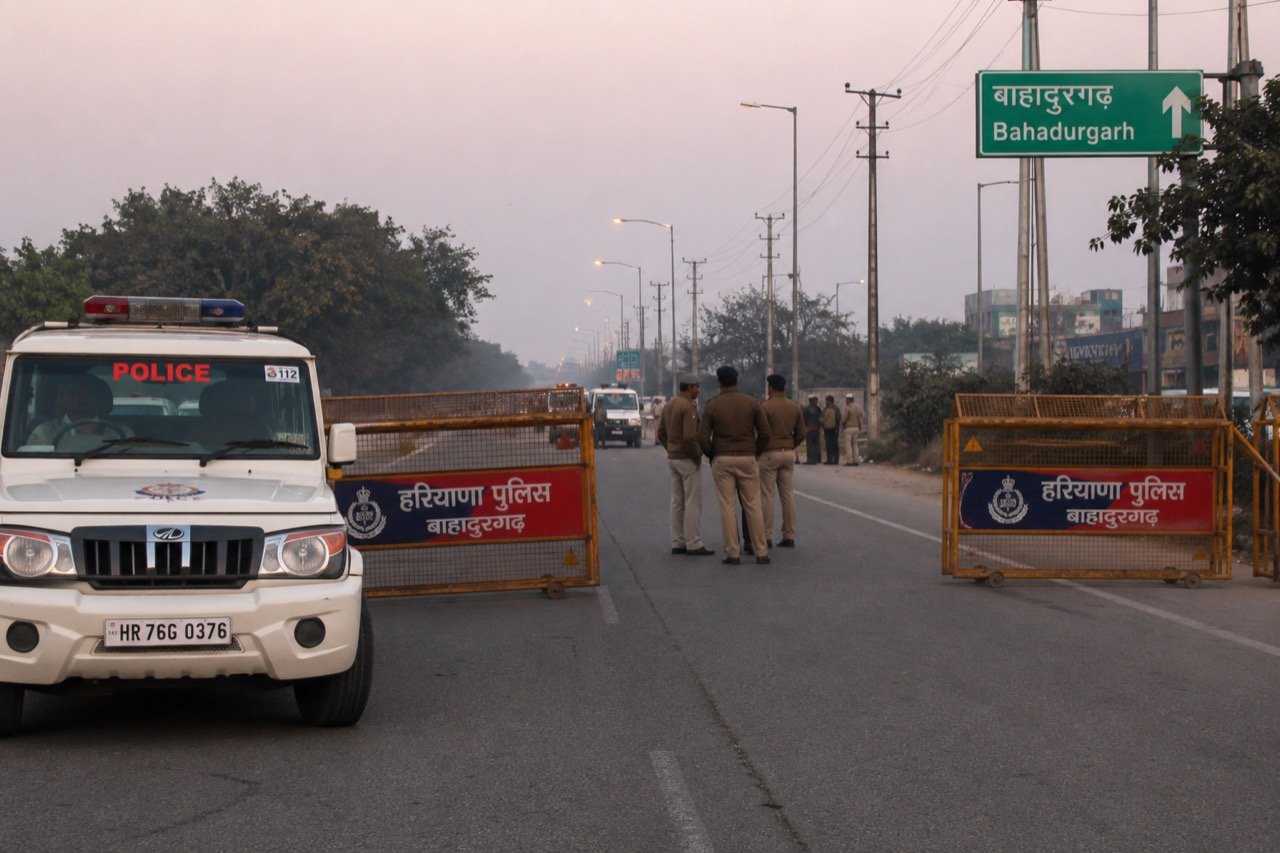
Bishnoi Gang Suspects Injured in Haryana Encounter as Police Tighten Net
A joint Haryana-Delhi Police operation in Bahadurgarh left two suspected Lawrence Bishnoi gang members injured, spotlighting the multi-state coordination now central to India's fight against organised crime networks.