Lucknow Coaching Centre Fire: Probe Spotlights Ignored Building-Safety Warnings
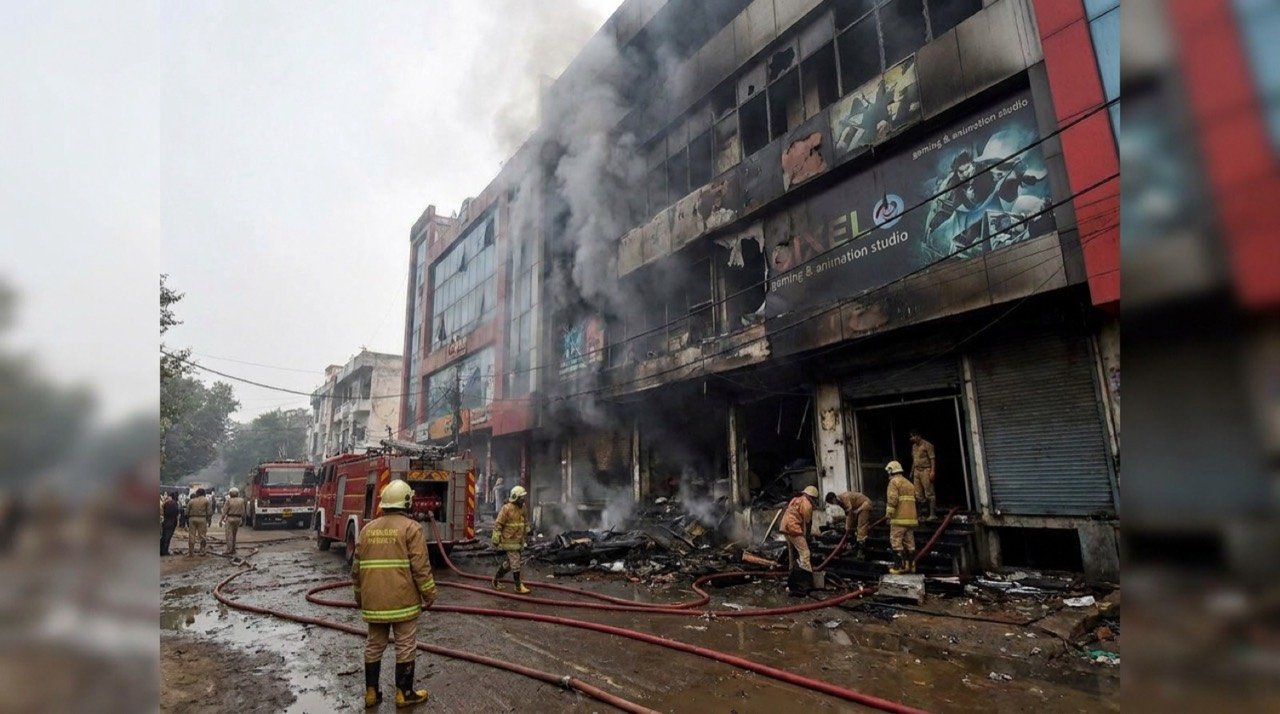
A deadly fire at a coaching centre in Lucknow's Aliganj that killed 15 people has widened into an investigation of building-safety failures, with four arrests, an SIT probe and a fresh demolition notice.
Commentary & Analysis ·
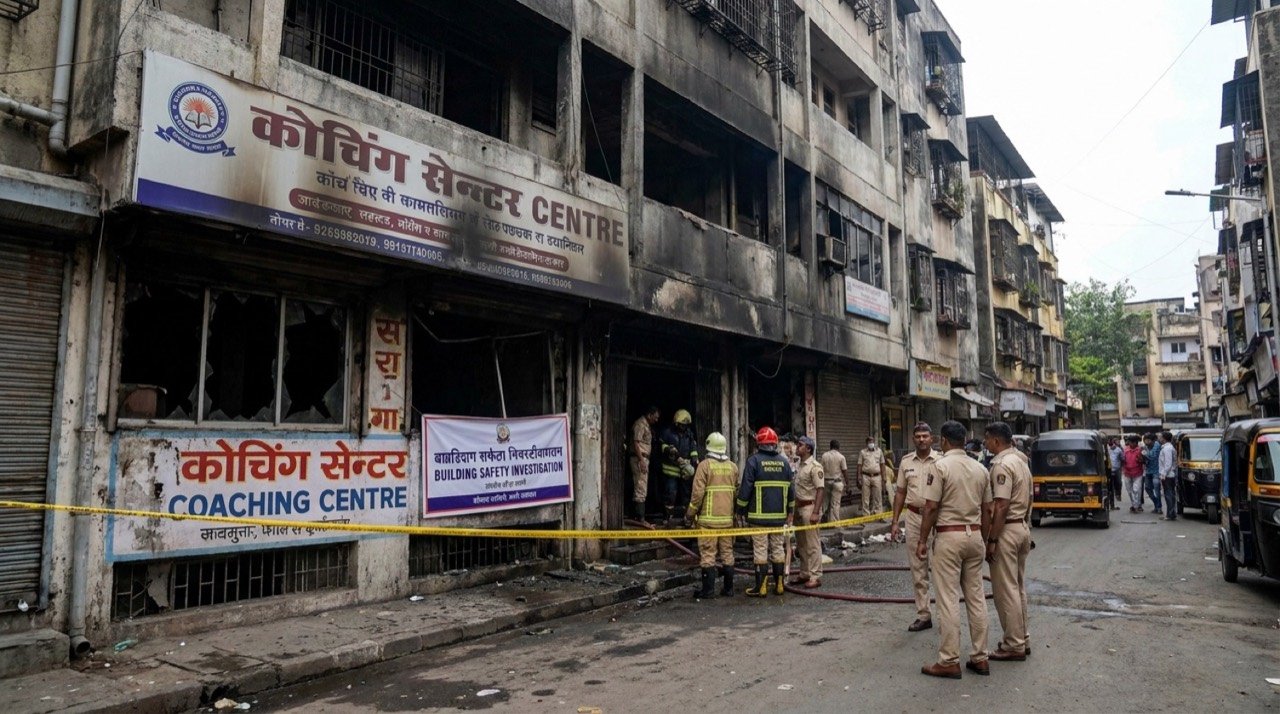
A deadly fire at a coaching centre in Lucknow's Aliganj area has hardened into a far wider reckoning with building-safety failures across the city. What began as a tragedy has become an examination of how a structure flagged years earlier was allowed to remain in commercial use until disaster struck. The episode sits at the intersection of two familiar Indian urban stories: the explosive, largely unregulated growth of the coaching industry, and the routine failure of municipal enforcement to keep pace with the buildings that industry occupies.
The scale of the tragedy
Hindustan Times reported that 15 people were killed and nine injured in the blaze. Police arrested four people, and a state-appointed Special Investigation Team began probing the circumstances that turned a place of learning into a death trap. The arrests and the SIT's formation signal that authorities are treating the incident as more than an accident, focusing on accountability for those who operated and maintained the premises. That framing matters: it moves the case from the register of misfortune into the register of negligence, and with it comes the expectation that culpability will be traced up the chain, from the centre's operators to the officials who signed off, or failed to act, on the building's status over the years.
Fifteen deaths in a single fire is a heavy toll for any commercial premises, but the fact that the victims were almost certainly students, gathered in numbers on limited floor space for hours of instruction, gives the tragedy a particular cruelty. Coaching centres, unlike offices or shops, pack young people into rooms for extended sittings, often with the doors and windows arranged for discipline and acoustics rather than for a rapid, panicked exit. When a fire breaks out in such a setting, the margin for escape narrows considerably.
A history of red flags
Business Today reported that the Lucknow Development Authority has issued a fresh demolition notice for the building. The structure was no stranger to scrutiny: it had faced a demolition order in 2016 over unauthorised construction, only for that order to be revoked within two months. That reversal now sits at the heart of uncomfortable questions. A full decade elapsed between that first warning and the fire that finally forced the authorities to act again, a decade in which the building continued to house a commercial coaching operation seemingly without further serious challenge.
The case illustrates how illegal construction, single-exit layouts, the commercial use of unsuitable premises and weak enforcement can combine into a public catastrophe. None of these elements is exotic or unforeseeable; each has been documented in fire-safety reviews of Indian cities for years. What is striking here is not the novelty of the risk factors but the fact that a formal, official demolition order once existed and was then withdrawn, only for the underlying dangers it had identified to persist unaddressed until they proved fatal.
The questions that remain
The most urgent issues are not only who ran the centre, but how the building stayed in use despite earlier warnings. Investigators are expected to trace the chain of approvals, inspections and waivers that kept it operational. Why the 2016 demolition order over unauthorised construction was revoked within two months is likely to be the single most consequential question the SIT must answer, because that reversal is the clearest documented point at which the state had both the knowledge and the authority to prevent exactly this outcome, and chose, for reasons yet unexplained, not to.
Other questions follow directly from it. Whether the building had compliant fire exits and a viable evacuation route will determine whether this was a case of a structurally sound building let down by conduct on the day, or a structurally compromised building that was always going to fail under pressure. Who authorised commercial coaching operations in the premises speaks to whether local zoning and occupancy rules were bypassed altogether or simply never enforced. How regular safety inspections were conducted, if at all, will reveal whether this was a one-off oversight or a systemic pattern of inspection regimes that exist on paper but not in practice. And what accountability the four arrested individuals and officials will face is the test of whether this investigation produces consequences that reach beyond the centre's immediate operators to the administrative machinery that permitted the risk to persist.
As one investigation summary put it, families need accountability, and cities need transparent inspections before the next tragedy. That is the standard against which the SIT's eventual findings, and any action taken on them, should be measured.
A pattern bigger than one city
Coaching hubs in Indian cities have repeatedly exposed the gap between rapid commercial expansion and lagging safety enforcement. Crowded floors, narrow stairwells and converted residential buildings create conditions where a single fire can prove devastating. The economics of the coaching industry, which has grown into one of the largest informal education sectors in the country, reward operators who can pack the maximum number of paying students into the minimum viable floor space, often inside buildings that were never designed for that density of occupancy in the first place.
The Lucknow case is likely to renew calls for stricter audits of coaching institutes and commercial buildings statewide. It joins a list of similar tragedies that have, in the past, prompted short bursts of inspection activity, temporary notices, and occasional closures, before enforcement attention moves elsewhere. Whether it produces lasting reform or fades like earlier warnings may determine if the 15 lives lost become a turning point or another grim statistic. The test will not be the demolition notice issued this time, but whether the underlying pattern, buildings flagged, orders issued, and orders quietly reversed, is broken for good.
The NE Times View
Fifteen dead in a coaching centre that, predictably, had ignored safety warnings is a tragedy India keeps rehearsing, from Surat to Delhi's Mukherjee Nagar. Arrests and an SIT follow every blaze; what never follows is enforcement before the fire. Coaching hubs packed with teenagers operate in commercial buildings with no exits because inspection is corrupt or absent. The demolition notice is too late for the dead, and the cycle will repeat.
The revocation of the 2016 demolition order deserves particular scrutiny, because it is the one moment in this entire chain of events where paperwork and process actually worked as intended, only to be undone. Every subsequent failure, the continued commercial use, the apparent absence of adequate exits, the years without meaningful re-inspection, flows from that single reversal. If the SIT's probe does nothing else, it should establish, publicly and specifically, who reversed that order and why, because that answer will do more to prevent the next fire than any number of fresh demolition notices issued after the fact.
Key takeaways
- The Aliganj coaching centre fire killed 15 people and injured nine, prompting four arrests and the formation of a state Special Investigation Team.
- The building had faced a demolition order in 2016 over unauthorised construction, which was revoked within two months, a reversal now central to the SIT's inquiry.
- The Lucknow Development Authority has issued a fresh demolition notice, but only after the fatal fire, not before it.
- Key unanswered questions include why the 2016 order was revoked, whether fire exits and evacuation routes were compliant, and who authorised the premises for coaching use.
- The case reflects a recurring national pattern of coaching centres operating in unsuitable, poorly inspected commercial buildings, raising doubts about whether this tragedy will produce lasting reform.
You may also like to read
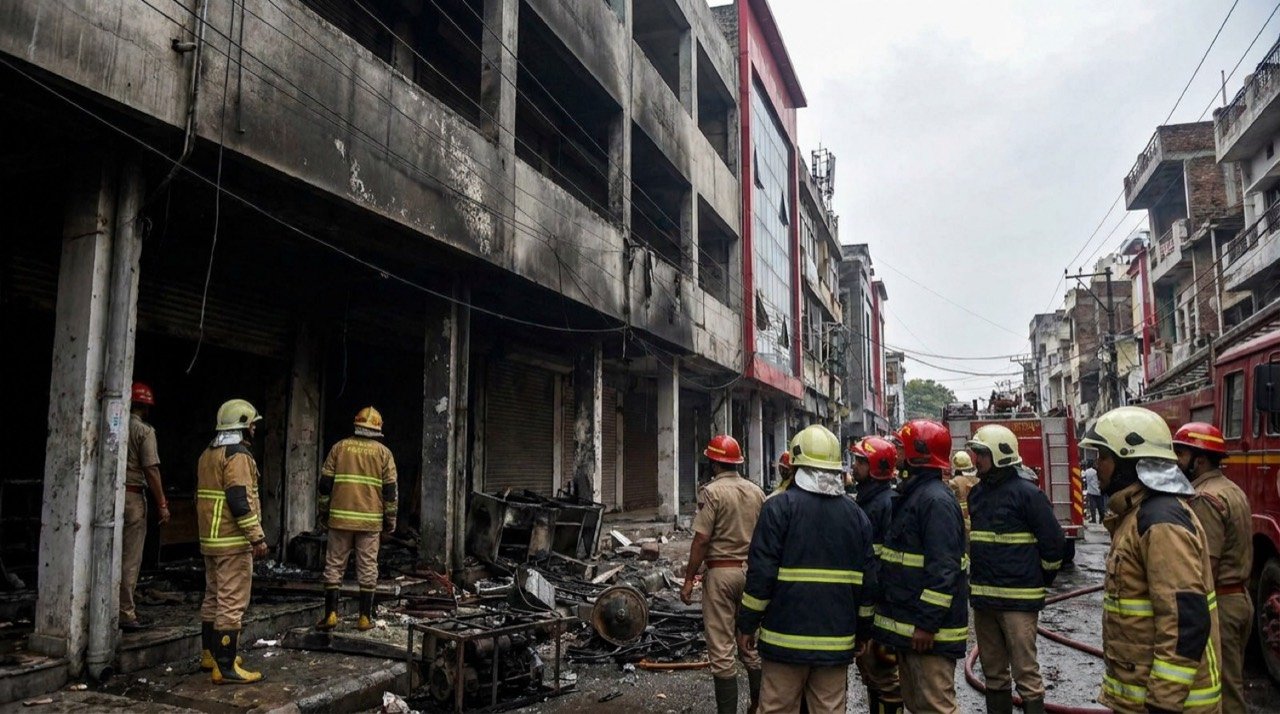
Lucknow Fire Probe Widens, Building Safety Under Scrutiny
A deadly fire in Lucknow's Aliganj that killed 15 people in a coaching-and-studio building has triggered demolition notices, suspensions and arrests, with illegal commercial use and blocked exits now in focus.
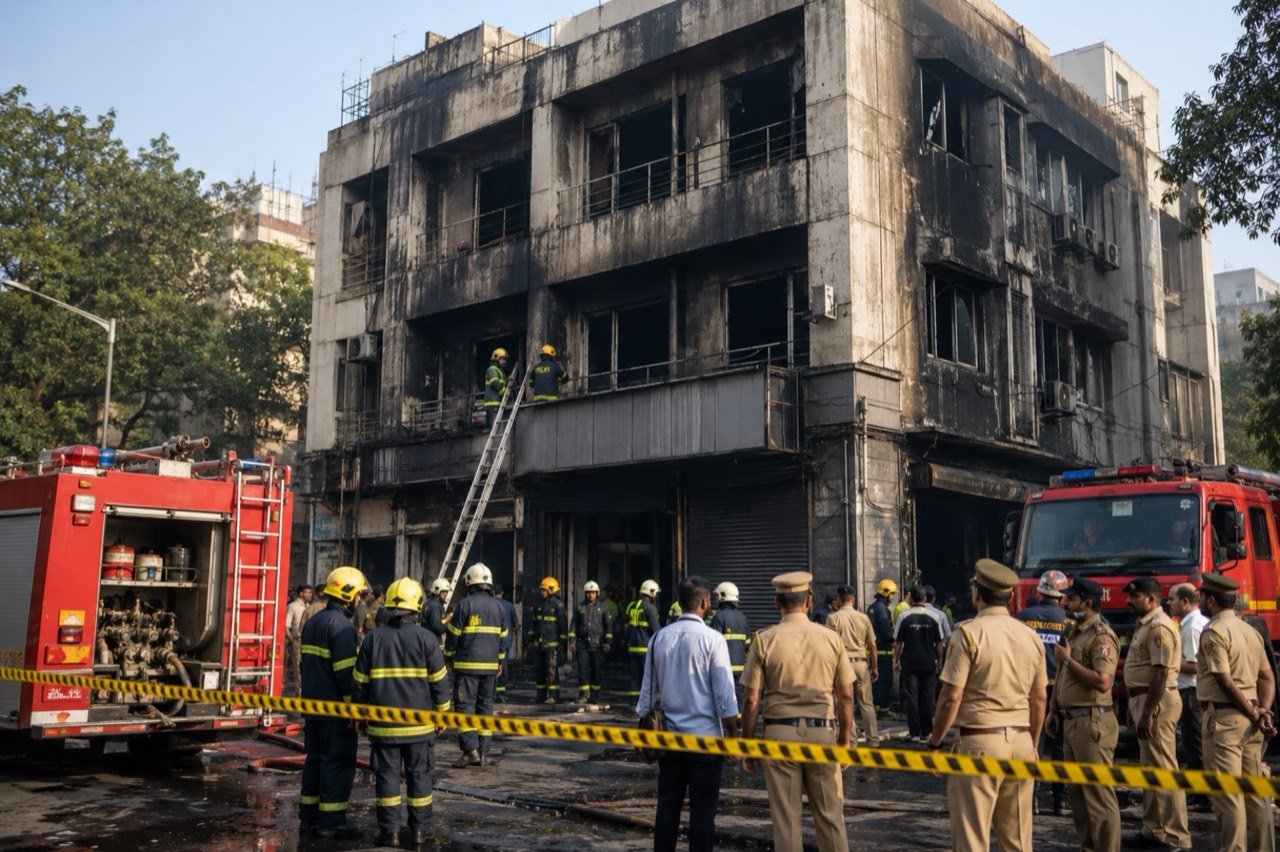
Lucknow Aliganj Fire Toll Rises As Coaching-Centre Safety Comes Under Scrutiny
A deadly fire in a commercial building in Lucknow's Aliganj, with reported deaths climbing to around 14 to 15, has reignited urgent questions over fire safety in coaching centres and mixed-use buildings across Indian cities.
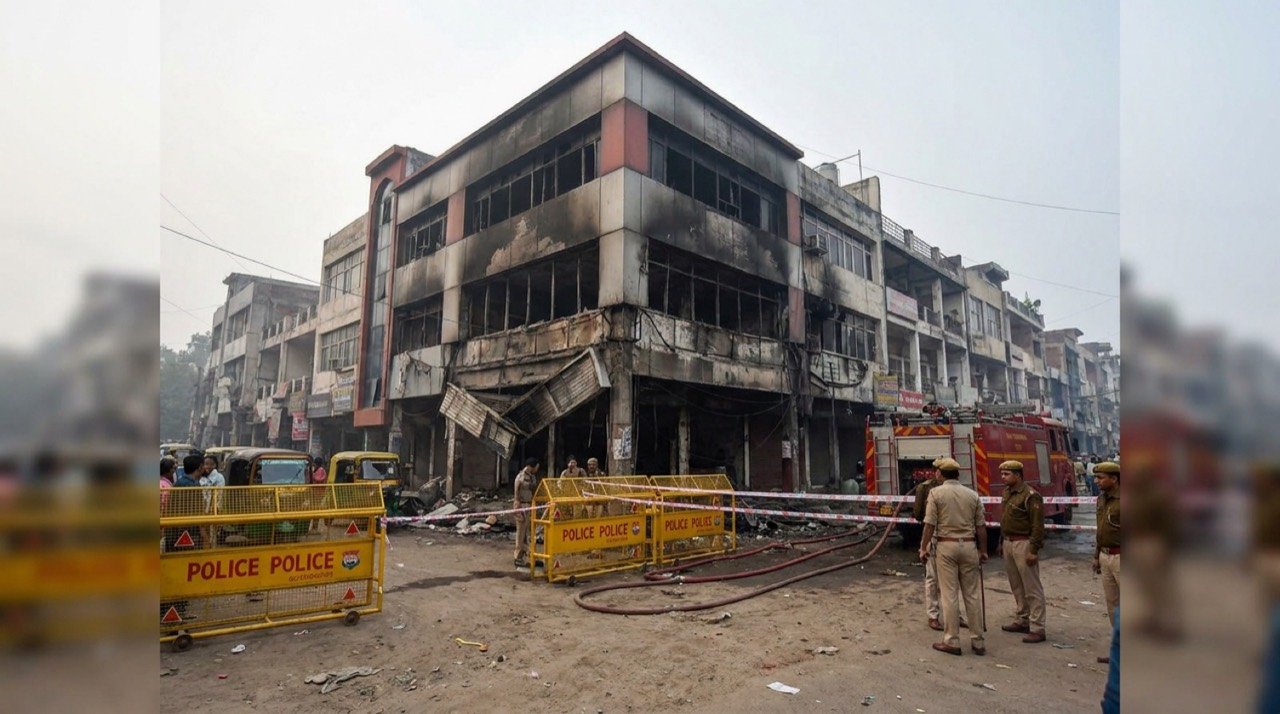
Lucknow Fire Probe Widens After Arrests and Suspensions Over Aliganj Tragedy
Fifteen people died in a fire at a Lucknow commercial building as police make arrests, four officials face suspension and scrutiny turns to fire exits, approvals and inspection failures.
Lucknow Fire Exposes Urgent Fire-Safety Gaps in Commercial Coaching Hubs
A blaze that killed at least 15 people, many of them young trainees, has triggered a Special Investigation Team probe and renewed national alarm over fire safety in crowded coaching and studio buildings.
More from this section
More
AICTE Industry Fellowship 2026: Rs 1.5 Lakh Scheme Closes July 5
The AICTE Industry Fellowship Programme 2026, which places technical-education faculty inside leading companies on a Rs 1.5 lakh monthly stipend, reached its application deadline on July 5.

Bay of Bengal Low Pressure System Revives Monsoon Over Western India
A low-pressure system over the Bay of Bengal has pushed the monsoon back into an active phase, bringing steady heavy rain to Kerala, coastal Karnataka and Maharashtra, and putting Mumbai and Pune on preparedness watch.
Bishnoi Gang Suspects Injured in Haryana Encounter as Police Tighten Net
A joint Haryana-Delhi Police operation in Bahadurgarh left two suspected Lawrence Bishnoi gang members injured, spotlighting the multi-state coordination now central to India's fight against organised crime networks.