Lucknow Fire Probe Widens, Building Safety Under Scrutiny
A deadly fire in Lucknow's Aliganj that killed 15 people in a coaching-and-studio building has triggered demolition notices, suspensions and arrests, with illegal commercial use and blocked exits now in focus.
Commentary & Analysis ·
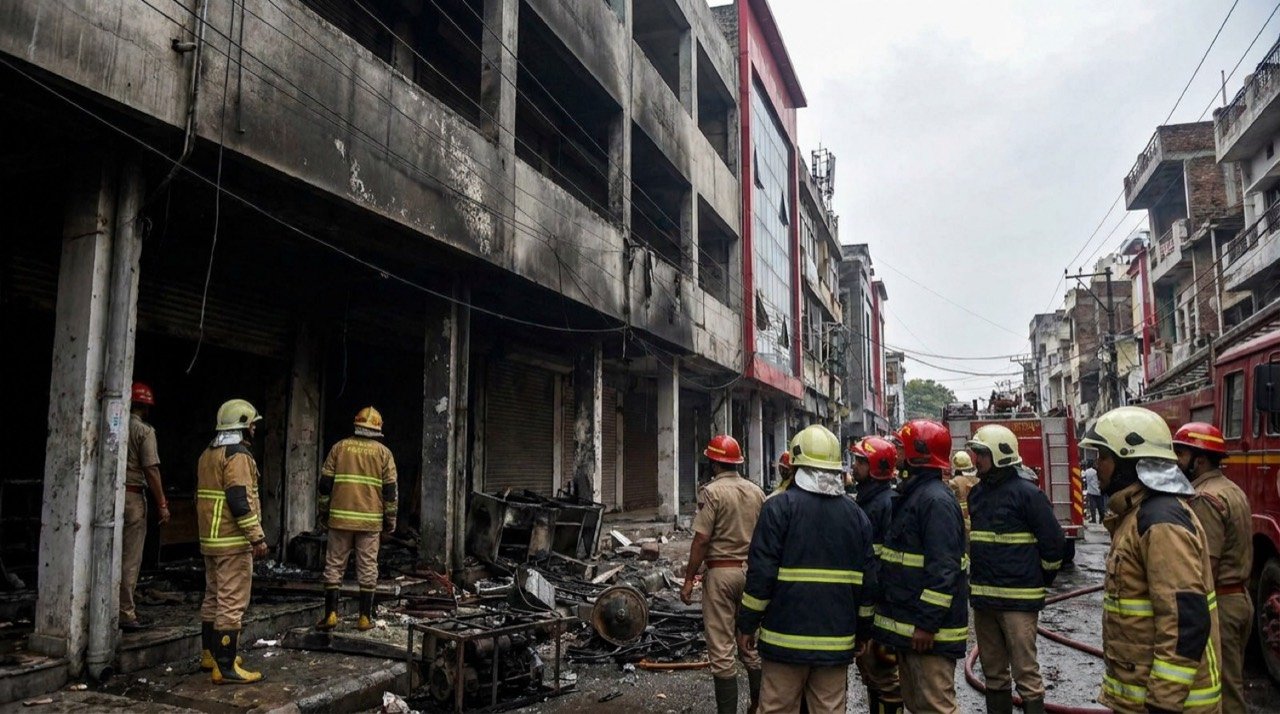
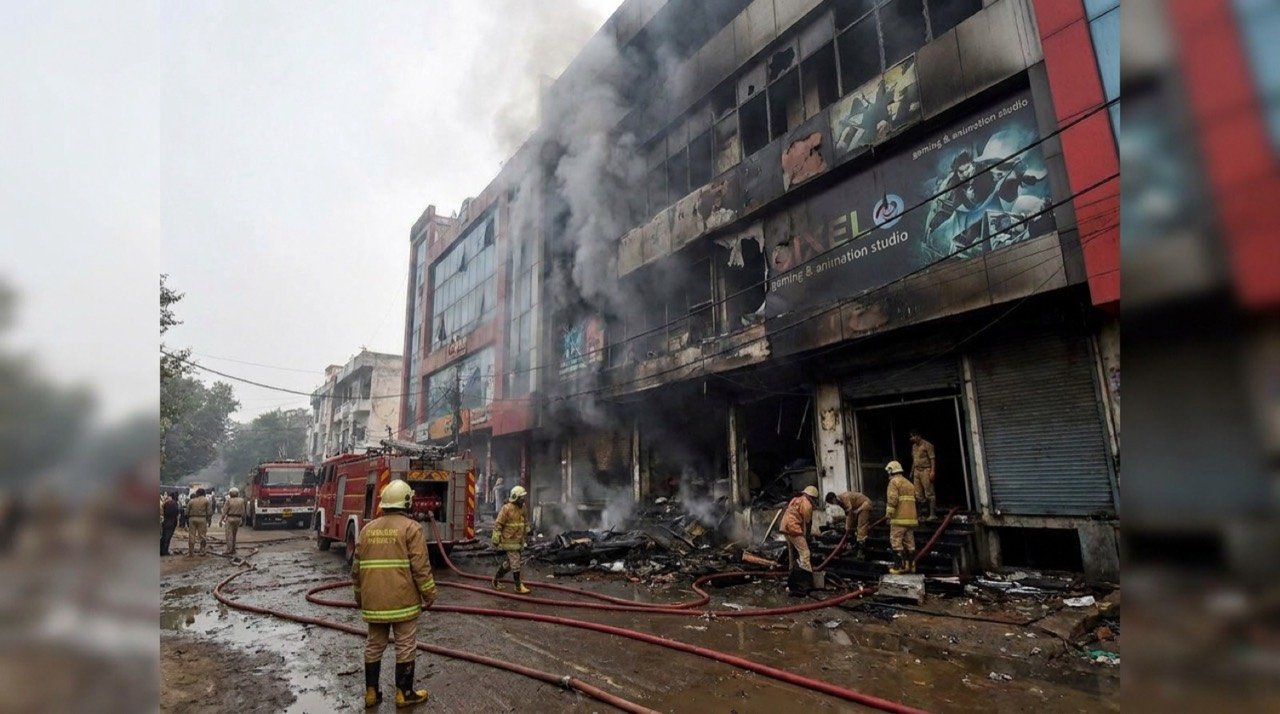
The investigation into the Lucknow Aliganj fire has widened sharply after 15 people were killed in a commercial building that housed coaching classes and studio operations. Authorities have issued demolition-related notices, suspended officials and arrested several people, as the tragedy turns from a local accident into a wider reckoning over building safety, illegal commercial use and enforcement failures. What began as a devastating local news story is now, inevitably, a test of how India's civic and fire-safety machinery responds when a preventable disaster claims so many lives at once.
What investigators have found
Early findings cited in official complaints point to serious safety lapses, including a single entry-and-exit arrangement that left occupants with limited escape routes once the fire took hold. That detail alone explains much of the scale of the casualties: when smoke and flame block the only way out of a crowded building, the difference between a contained fire and a mass-casualty event is often measured in seconds and in the number of doors available. Reports indicate the building was being used for commercial activity in ways that raise questions about whether approvals, fire clearances and occupancy norms were followed in the first place. An FIR has flagged illegal commercial use and structural concerns, and the administration has moved quickly with suspensions and arrests. The pace of action reflects the political and public pressure that follows mass-casualty fires in crowded urban centres, where the public understandably wants to see visible consequences within days rather than months.
The fact that a single entry-and-exit point features so prominently in the early findings is itself instructive. Buildings designed for one kind of use, and later repurposed for another without corresponding upgrades to their safety infrastructure, routinely retain layouts that were never meant to handle dense daily footfall. A structure built as a residential or small commercial premises, then converted into a hub for coaching classes and studio work, may look functional on the surface while carrying exactly this kind of latent risk. It takes a fire, and the resulting inquest, to expose it.
A pattern of urban fire risk
The Aliganj fire fits a recurring pattern across Indian cities, where coaching hubs, studios and small commercial units often operate in buildings not designed or certified for such dense, daily footfall. Narrow staircases, locked or obstructed exits and inadequate fire equipment repeatedly turn manageable incidents into fatal ones. This is not a problem unique to Lucknow; it is a structural feature of how urban commercial real estate has evolved in many Indian cities, where demand for affordable coaching and studio space has outpaced the supply of buildings actually certified for that purpose. Landlords and operators, facing high demand and limited compliant stock, have strong incentives to press ordinary buildings into service for uses well beyond their original design.
For students, working professionals and families, the case underlines why fire compliance is not a paperwork formality but a life-and-death safeguard. A fire no-objection certificate, a functioning second exit, or a fire extinguisher that has actually been inspected are not bureaucratic hurdles to be quietly circumvented; they are the difference between an evacuation and a tragedy. It also revives long-standing questions about how commercial conversions of buildings slip past inspection regimes, often because inspection itself is infrequent, under-resourced, or vulnerable to being overlooked once a certificate has been issued once and never revisited.
Accountability and enforcement
The suspensions of officials signal that scrutiny is extending beyond building owners to the regulatory chain meant to prevent such tragedies. This is a significant, if familiar, shift in emphasis. In many past incidents of this kind, public anger has focused almost entirely on the building owner or operator, while the officials responsible for issuing clearances, conducting inspections, or flagging violations have escaped scrutiny. The fact that suspensions have followed so quickly in this case suggests investigators are, at least for now, treating the failure as systemic rather than purely private. Transparent enforcement, regular inspections and clear penalties for violations are likely to dominate the public debate in the days ahead, as they should. But the announcement of suspensions and arrests is only the first stage; whether it translates into changed practice depends on what happens next, well after the immediate news cycle fades.
There is also a broader institutional question worth asking: how many other buildings in Aliganj, and in Lucknow more widely, share the same characteristics as the one that burned. A single entry-and-exit layout is not a rare architectural quirk; it is common in older buildings that were never intended to host the kind of dense commercial activity now routinely conducted inside them. If the investigation is to mean anything beyond this one building, it will need to prompt a wider audit, not merely a punitive response confined to the specific site of the tragedy.
The human and civic stakes
Behind the numbers is a set of families now dealing with sudden, avoidable loss, and a wider community of students and coaching-centre users across the city who will be asking, reasonably, whether the building they attend classes in tomorrow is any safer than the one that burned. Coaching centres in particular occupy an unusual place in urban India: they are treated by families as essential, almost obligatory, infrastructure for a child's or young adult's future, and yet they are frequently housed in buildings with far less regulatory scrutiny than schools or colleges proper. That mismatch between social importance and regulatory attention is precisely what this tragedy exposes.
For the local administration, the challenge now is to demonstrate that enforcement is not merely reactive. Demolition notices issued after 15 people have died are, by definition, too late for those who were inside the building. The test of whether this episode produces real reform lies in whether similar buildings are identified and corrected before, not after, the next fire.
What comes next
The road ahead will test whether the probe leads to lasting reform or fades once headlines pass. Stronger enforcement of fire codes, audits of buildings used for coaching and commercial purposes, and accountability for lapses will determine whether this tragedy becomes a turning point for urban safety. This will require sustained follow-through: publishing the results of building audits, making fire clearance status for coaching centres and studios publicly checkable, and ensuring that the officials suspended in this case face a process that concludes with clear findings rather than quietly lapsing once public attention moves on. Parents and students, in the meantime, have little practical way of verifying whether a coaching centre they are enrolling in meets basic safety norms, a gap that this case ought to prompt authorities to close through public disclosure of compliance status.
The NE Times View
Fifteen dead in a coaching-and-studio building points to a familiar lethal pattern: illegal commercial use, blocked exits and inspectors who looked away. Demolition notices and arrests after the fact are not safety policy, they are damage control. Until building-use violations are caught before they kill, every Indian city is carrying its own Aliganj waiting to ignite. The measure of whether this probe matters will not be the number of arrests it produces in its first week, but whether, a year from now, coaching centres and studios across Lucknow and beyond are operating out of buildings that have actually been checked, rather than ones that merely have a certificate on file.
Key takeaways
- Fifteen people were killed in the Aliganj commercial building fire, which housed coaching classes and studio operations.
- An FIR cites illegal commercial use and a single entry-and-exit point that limited escape routes during the blaze.
- Authorities issued demolition-related notices, suspended several officials and made multiple arrests in the aftermath.
- The case has widened into scrutiny of fire-safety compliance and inspection failures across buildings used for coaching and commercial purposes.
- The lasting significance of the probe will depend on whether it produces sustained enforcement and audits, rather than reactive measures that fade once public attention moves on.
You may also like to read
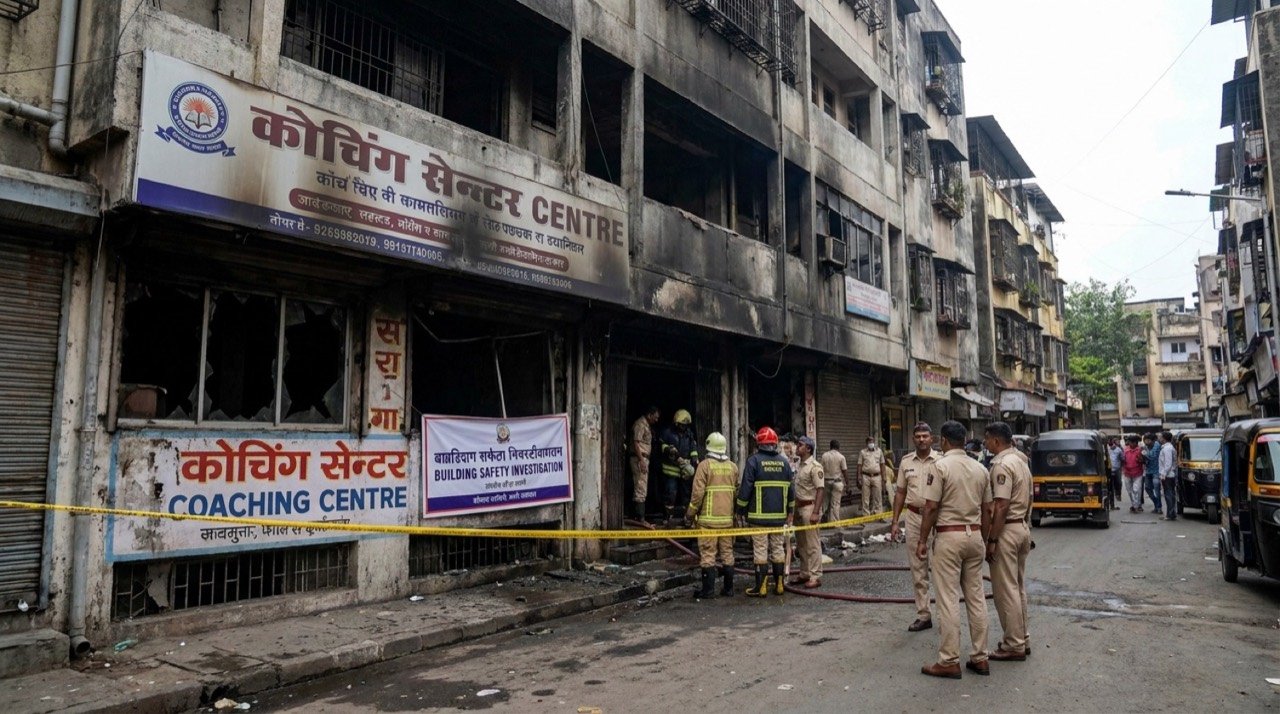
Lucknow Coaching Centre Fire: Probe Spotlights Ignored Building-Safety Warnings
A deadly fire at a coaching centre in Lucknow's Aliganj that killed 15 people has widened into an investigation of building-safety failures, with four arrests, an SIT probe and a fresh demolition notice.
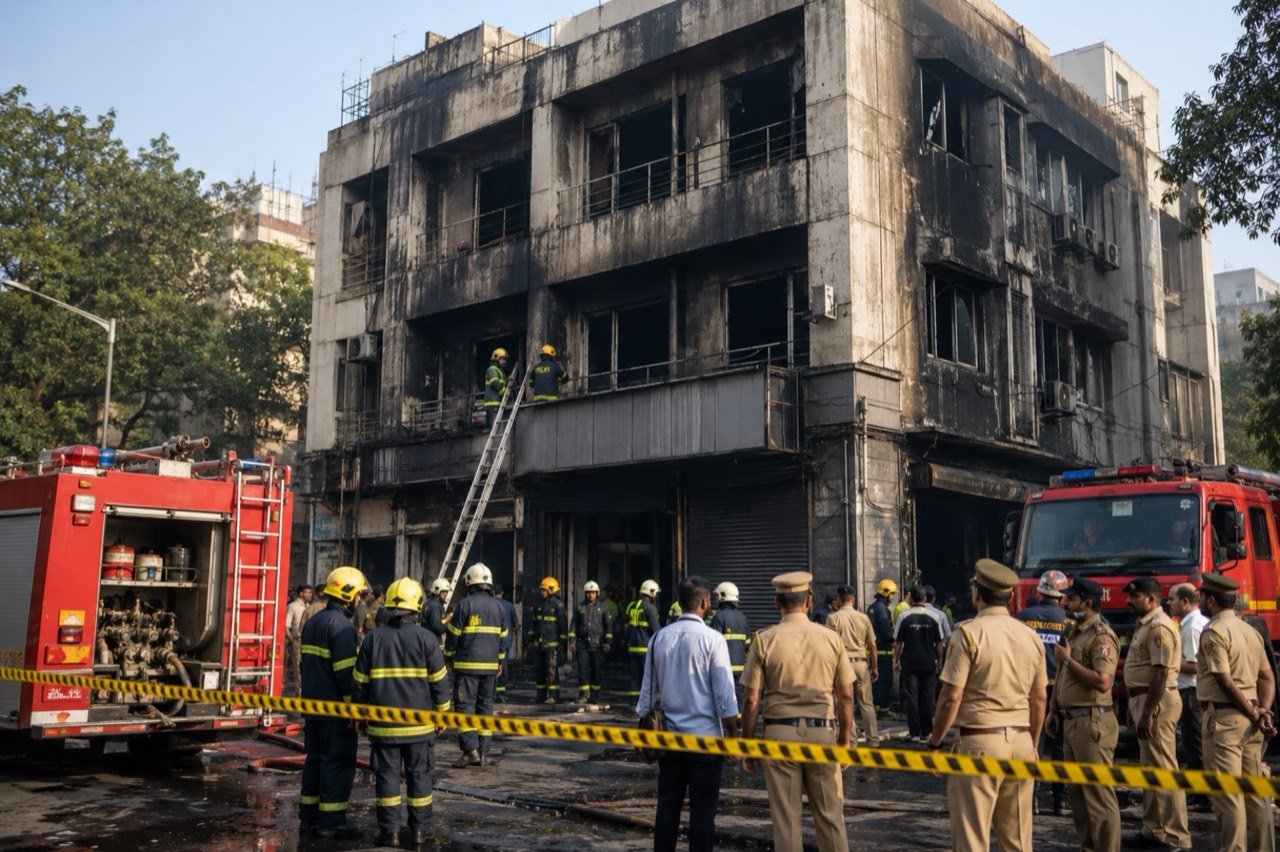
Lucknow Aliganj Fire Toll Rises As Coaching-Centre Safety Comes Under Scrutiny
A deadly fire in a commercial building in Lucknow's Aliganj, with reported deaths climbing to around 14 to 15, has reignited urgent questions over fire safety in coaching centres and mixed-use buildings across Indian cities.
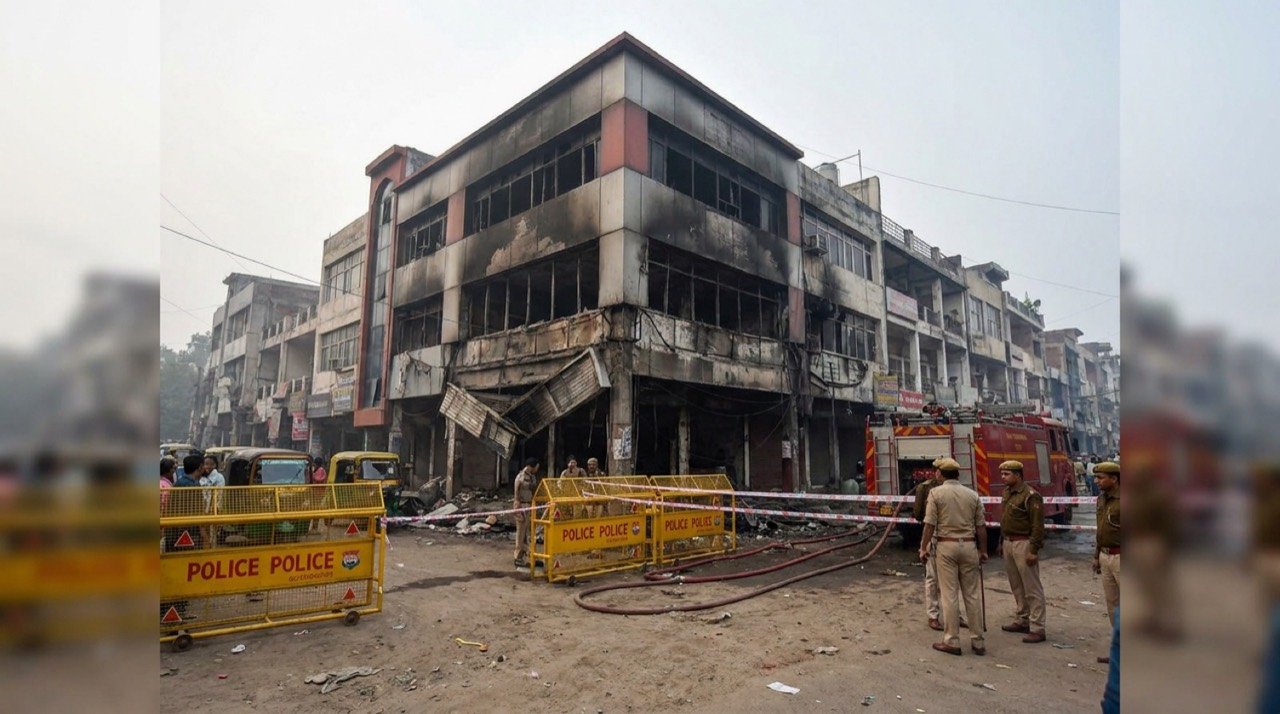
Lucknow Fire Probe Widens After Arrests and Suspensions Over Aliganj Tragedy
Fifteen people died in a fire at a Lucknow commercial building as police make arrests, four officials face suspension and scrutiny turns to fire exits, approvals and inspection failures.
Lucknow Fire Exposes Urgent Fire-Safety Gaps in Commercial Coaching Hubs
A blaze that killed at least 15 people, many of them young trainees, has triggered a Special Investigation Team probe and renewed national alarm over fire safety in crowded coaching and studio buildings.
More from this section
More
AICTE Industry Fellowship 2026: Rs 1.5 Lakh Scheme Closes July 5
The AICTE Industry Fellowship Programme 2026, which places technical-education faculty inside leading companies on a Rs 1.5 lakh monthly stipend, reached its application deadline on July 5.
Bay of Bengal Low Pressure System Revives Monsoon Over Western India
A low-pressure system over the Bay of Bengal has pushed the monsoon back into an active phase, bringing steady heavy rain to Kerala, coastal Karnataka and Maharashtra, and putting Mumbai and Pune on preparedness watch.
Bishnoi Gang Suspects Injured in Haryana Encounter as Police Tighten Net
A joint Haryana-Delhi Police operation in Bahadurgarh left two suspected Lawrence Bishnoi gang members injured, spotlighting the multi-state coordination now central to India's fight against organised crime networks.